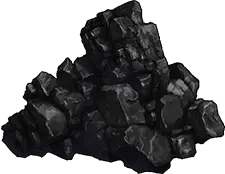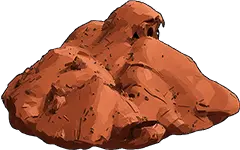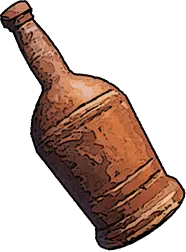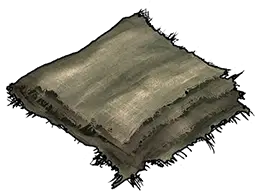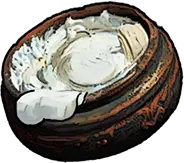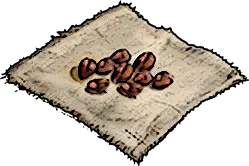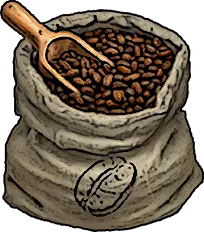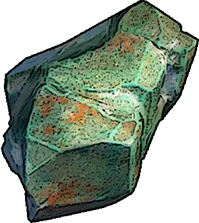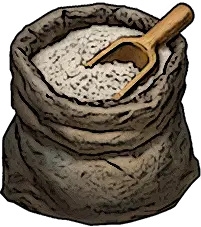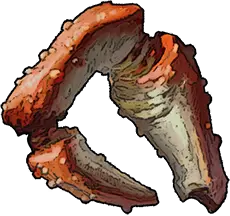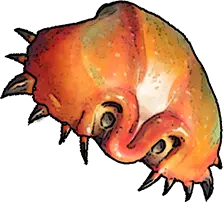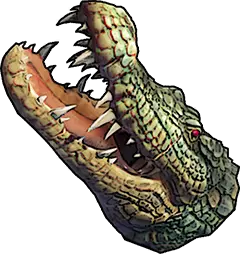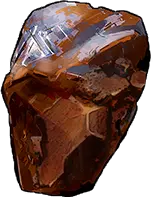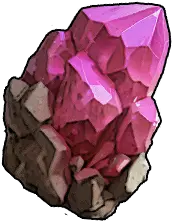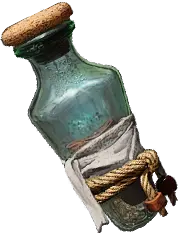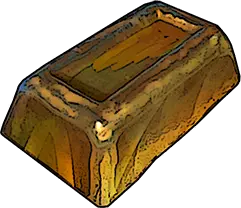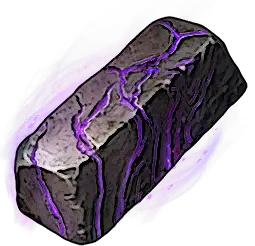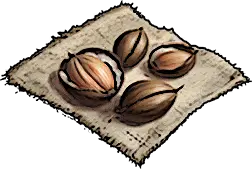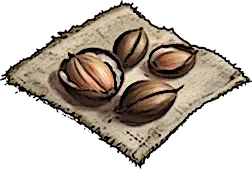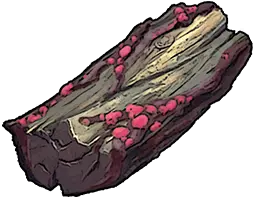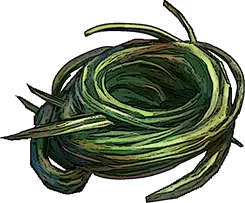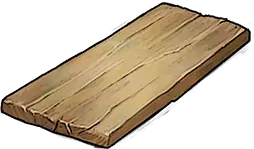
Resources are the real progression ladder in Windrose. Story quests decide where you should go next, but materials decide what you can actually build, wear, fire, repair, and sustain once you get there. The easiest way to understand the live build is to read it as a chain from starter gathering, to refining, to animal materials, to biome-specific upgrades.
Core Early Resources
Image | Resource | Why It Matters |
|---|---|---|
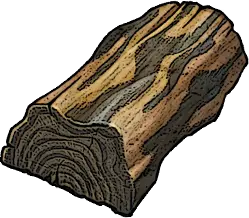
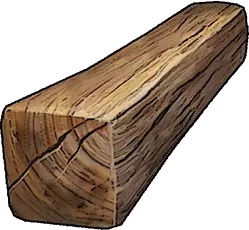
| The universal baseline for building, repairs, stations, and fuel chains | |
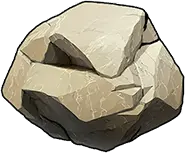
| Foundations, tools, and basic infrastructure | |
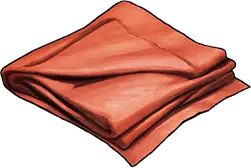
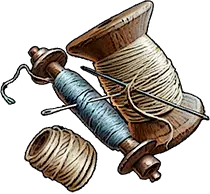
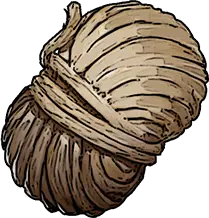
| Bandages, rope, coarse fabric, shelter, and cheap structures | |
| Key station costs and pottery-related progression | |
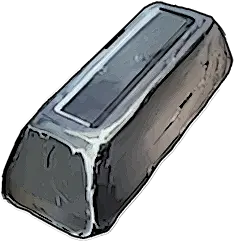
| The first major metal gate | |
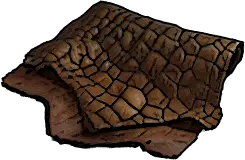
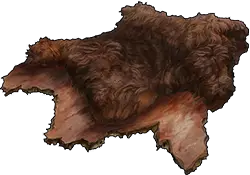
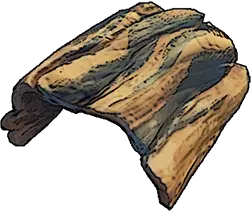
| The early leather bottleneck for armor and gear | |
| Utility fuel for the Oil Lamp |
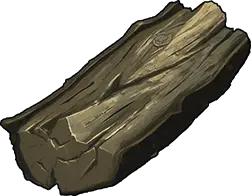
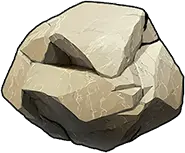
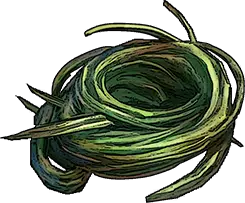
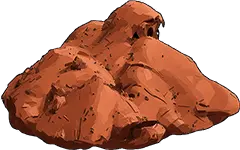
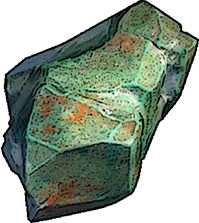
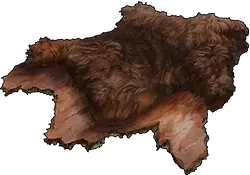
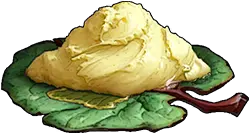
Those basics keep mattering far longer than they look like they should. One of Windrose's recurring tricks is making a starter material stay relevant because a later system still quietly depends on it.
Processing Chain
Image | Input | Output | Where It Happens |
|---|---|---|---|
| Coarse Fabric and Rope | ||
| |||
| |||
|
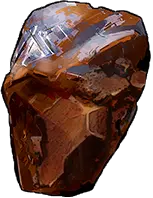
That processing chain is what turns the map from scenery into progression. A copper cave is not exciting because ore exists. It is exciting because the ore plugs into stations, tools, bells, ship parts, and everything after them.
Animal Materials
Animal drops are not a side issue in Windrose. They are a real part of the build and equipment economy.
Image | Material | Why Players Notice It |
|---|---|---|
| ||
| Portable light and exploration support | |
| Animal-specialized materials that begin to matter once crafting branches widen |

Trade and Utility Materials
Material Type | Why It Still Matters |
|---|---|
They keep the currency side of the economy moving even when you are not pushing reputation | |
Repair and ship materials | A world can look stable and still be one ship loss away from a sudden resource scramble |
Treasure-route materials | Maps, curios, and rarer upgrade items stop exploration from feeling like only another ore run |
Starter Resource Ladder
Wood, stone, and plant fiber keep the first camp alive.
Clay and copper turn that camp into real infrastructure.
Animal materials like rough hide and animal fat stop the early gear and exploration loops from stalling.
Iron, sulfur, and later-biome materials widen the game into proper mid-game crafting and naval support.
Biome-Based Resource Growth
Image | Biome | Resource Identity |
|---|---|---|
| Starter gathering, copper, hide, food, and broad survival basics | |
| Iron, sulfur, farming materials, and more serious mid-game inputs | |
| Later-biome plague and supernatural materials that sit beyond the starter ladder |
That biome ladder is what keeps the game from flattening into one endless starter-material farm. Each new biome changes what counts as a real bottleneck.
Storage and Throughput
A resource problem is often really a processing problem. If ore is piling up but ingots are not, the bottleneck may be charcoal, furnace time, or simple base organization. The same thing happens with fiber chains when rope, cloth, and healing all compete for the same stock. Windrose gets easier when you build your base around throughput instead of around whichever chest happened to be empty at the time.
That is also why smart bases feel richer than they look. A well-placed chest, kiln, furnace, and workbench cluster can save more time than another random expedition for a material you already own but have not actually processed yet.
Merchant Support
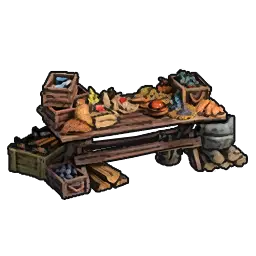
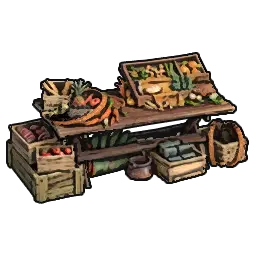
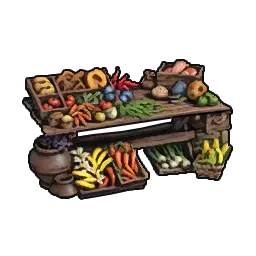
Current station listings show three buildable merchant stations that can smooth specific shortages once your base economy matures.
Image | Merchant Station | Helpful Goods |
|---|---|---|
| Wood, stone, clay, and plant fiber at baseline, then sulfur, hardwood, and tree bark after threats are cleared | |
| Rough Hide and other animal materials after threats are cleared | |
| Basic and later food ingredients plus seeds |
Where Players Usually Get Stuck
Plant Fiber looks common until bags, bandages, rope, and shelter all pull from the same stock.
Rough Hide looks replaceable until a new armor or utility craft needs leather right now.
Metal bottlenecks feel like mining problems, but they are often really charcoal and station-throughput problems.
A resource shortage on a shared server is often a route problem, not a total-world problem.
That last point is especially important in co-op. The material is often still out there. The issue is that your group is trying to pull it from the same overfarmed route instead of treating the archipelago like a wider supply network.
Practical Resource Habits
Keep your basic survival materials near the stations that convert them, not in random overflow storage.
Do not wait for a shortage to remember that animal materials matter. Stockpile hide and fat while the animals are convenient.
If a world is crowded enough that basics are missing, fix the route rather than pretending the shortage will solve itself.
The resource game gets much smoother once you stop seeing materials as separate chores and start seeing them as connected chains. Wood is charcoal. Charcoal is copper. Copper is bells, tools, stations, and ship parts. One shortage usually has a parent shortage behind it.
Complete Resource Directory
Every resource tracked in the Windrose item database is listed below, sorted alphabetically. Tap a name to jump to that resource's article. Total entries:138.
Directory Stats
Grouping | Count |
|---|---|
Common rarity | 67 |
Uncommon rarity | 36 |
Rare rarity | 27 |
Epic rarity | 7 |
Legendary rarity | 1 |
Metal category | 3 |
Resource category | 135 |
All Resources
Image | Resource | Rarity | Category | Summary |
|---|---|---|---|---|
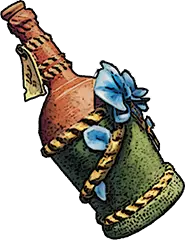
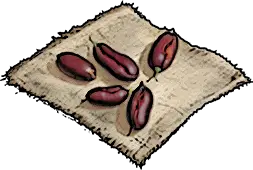
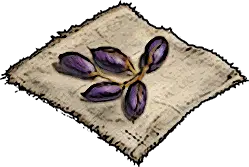
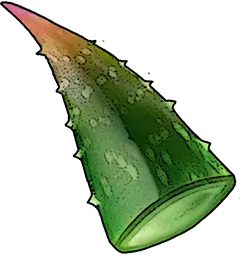
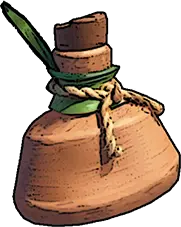
| Uncommon | Resource | Alchemical ingredient made from misty orchids. Crafted at an alchemy table. | |
| Common | Resource | Found in the Foothills. | |
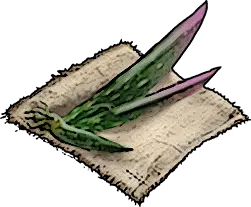
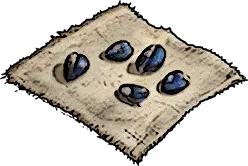
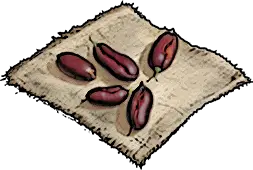
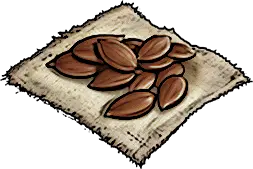
| Common | Resource | Used to grow Aloe. Grows only in the seedbed. | |
| Common | Resource | See article for details. | |
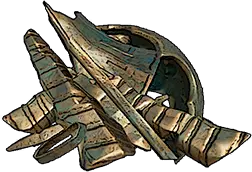
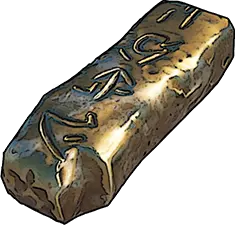
| Common | Resource | An ancient piece of metal of unknown origin and composition. Found in ruined swamp settlements. | |
| Common | Resource | See article for details. | |
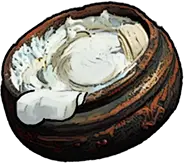
| Common | Resource | Required for crafting lamps. Obtained from animals. | |
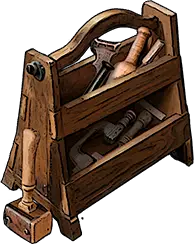
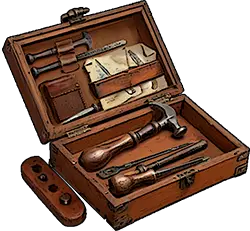
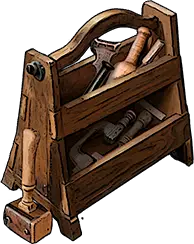
| Uncommon | Resource | A blacksmith's tool. Crafted at a workbench. | |
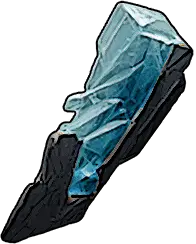
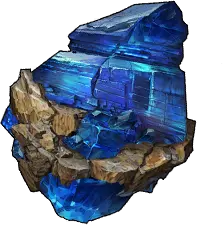
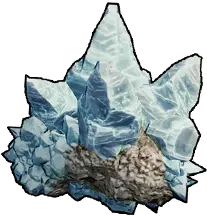
| Rare | Resource | A stone the colour of a coastal wave - a rare find in the archipelago. Found in ancient vaults. | |
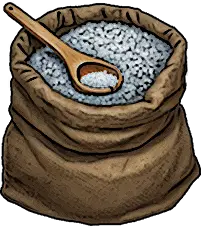
| Uncommon | Resource | Useful for crafting gunpowder. Made in a charcoal kiln. | |
| Common | Resource | Used to grow Bananas. Grows only on the ground. | |
| Common | Resource | Fertilizer Made in a compost bin | |
| Common | Resource | ||
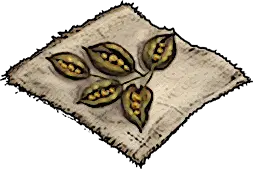
| Common | Resource | Found in the Swamps. | |
| Common | Resource | Alchemical ingredient. Found in goat stomachs. Obtained from goats. | |
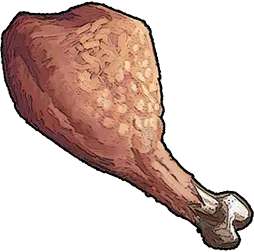
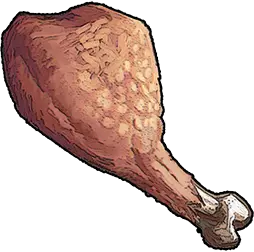
| Common | Resource | Dodo tastes like chicken! Obtained from birds. | |
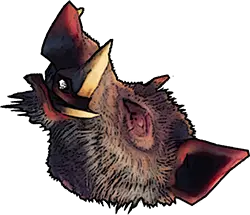
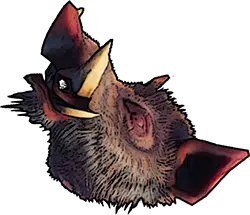
| Uncommon | Resource | A trophy. It will grace any wall and show your guests it is unwise to cross the one who felled such a beast. Obtained from boars. | |
| Common | Resource | Alchemical ingredient. Obtained from boars. | |
| Common | Resource | See article for details. | |
| Common | Resource | See article for details. | |
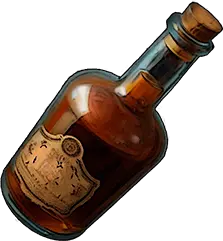
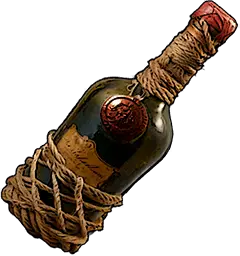
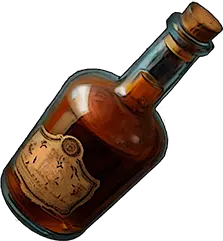
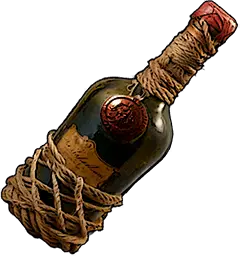
| Epic | Resource | A strong distillate imported from France and Spain. A versatile staple, currency in trade, alcohol for medicine, and a rare aid in shipboard and field work. Available for purchase at Brethren of the Coast camps. | |
| Common | Resource | See article for details. | |
| Common | Resource | Alchemical ingredient. Found in the Swamps. | |
| Common | Resource | Used to grow Bromeliads. Grows only in the seedbed. | |
| Rare | Resource | Cooking ingredient. Found in ancient ruins. | |
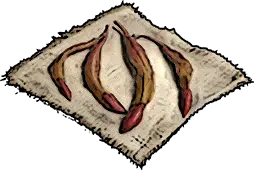
| Common | Resource | Used to grow Cayenne Peppers. Grows only in the seedbed. | |
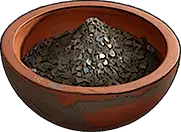
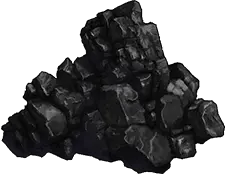
| Uncommon | Resource | Charcoal. Fuel for ore smelting. Made in a charcoal kiln from wood. | |
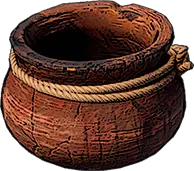
| Common | Resource | Needed for construction and pottery. Found in the Coastal Jungle, near the beach | |
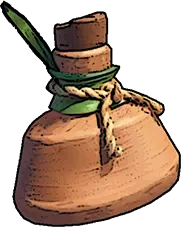
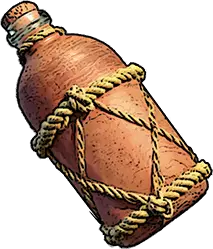
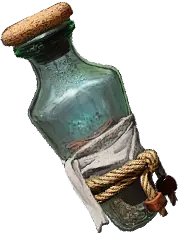
| Uncommon | Resource | A container for alchemical decoctions. Crafted at an alchemy table. | |
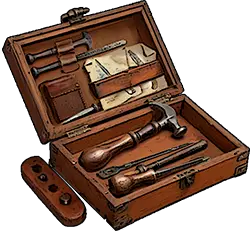
| Uncommon | Resource | Not a helmet. Do not wear on head. Essential for alchemy and cooking. Crafted at a workbench. | |
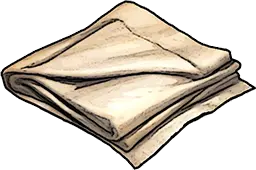
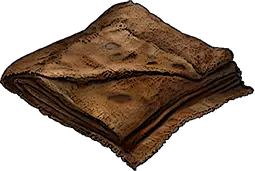
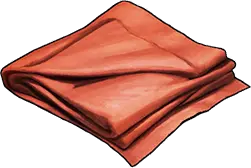
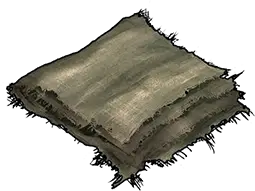
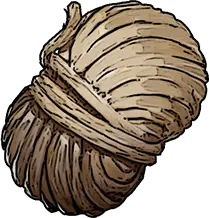
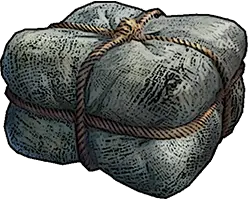
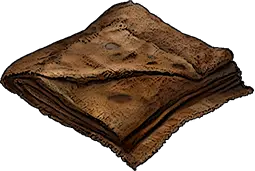
| Uncommon | Resource | Not the best fabric, but handy for just about anything. Crafted at a workbench from plant fiber. | |
| Uncommon | Resource | See article for details. | |
| Common | Resource | Used to grow Cocoplums. Grows only in the seedbed. | |
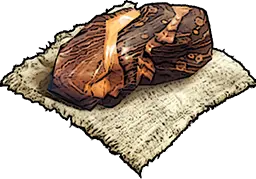
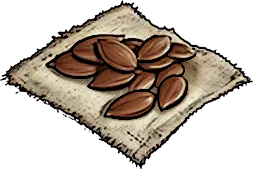
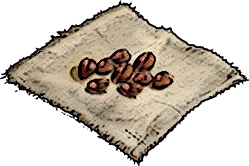
| Rare | Resource | Fragrant beans. Cooking ingredient. Found in ship holds in the archipelago. | |
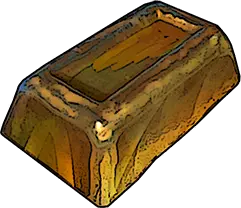
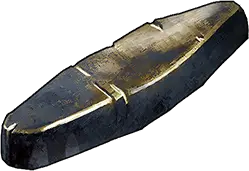
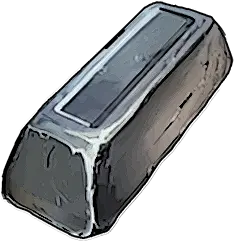
| Uncommon | Metal | Used for crafting tools and armor. Smelted in a smelting furnace. | |
| Common | Resource | Used to craft Copper Ingots. Found in copper deposits of the Coastal Jungles. | |
| Uncommon | Resource | Not a helmet. Do not wear on head. Essential for alchemy and cooking. Crafted at a workbench. | |
| Common | Resource | ||
| Uncommon | Resource | Cooking ingredient. Obtained by grinding corn. Crafted at millstones. | |
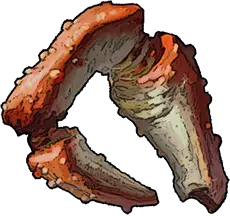
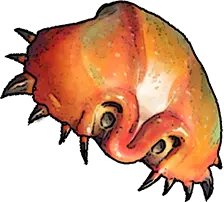
| Common | Resource | Crabs scuttle all over the beaches. Obtained from crabs. | |
| Uncommon | Resource | Can be hung on the wall as a trophy. Obtained from crabs. | |
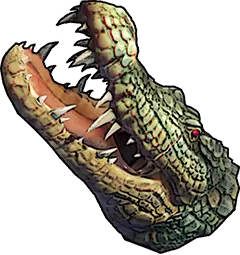
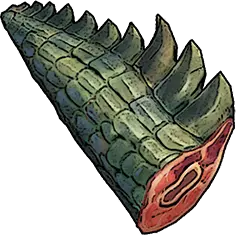
| Uncommon | Resource | The head of a dangerous predator. Obtained from crocodiles. | |
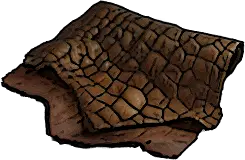
| Common | Resource | Boots made from this hide might see you mistaken for an aristocrat. Obtained from crocodiles. | |
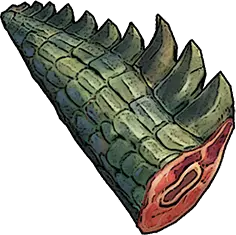
| Common | Resource | Meaty! Harvested from crocodiles. | |
| Rare | Resource | See article for details. | |
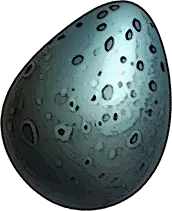
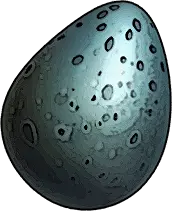
| Common | Resource | An ordinary egg from an extraordinary bird. A tasty and useful find from dodo nests, though they defend their clutch fiercely. Obtained from dodos and dodo nests. | |
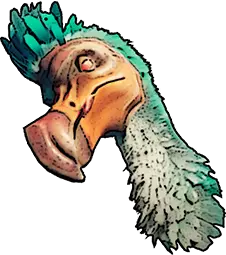
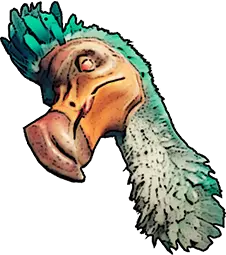
| Uncommon | Resource | A trophy. Not a bad start for a collection. Obtained from Azure Dodos. | |
| Common | Resource | See article for details. | |
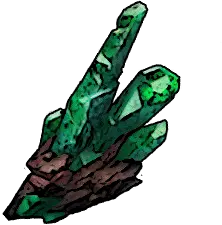
| Rare | Resource | A stone green as a cat's eye. Found in ancient vaults. | |
| Rare | Resource | The sharp edges of the stone blade can easily cut flesh. The dagger chills the palm and seems to tremble in the hand with anticipation. | |
| Uncommon | Resource | An embodied curse. Smelted from plague wood in a large smelting furnace. | |
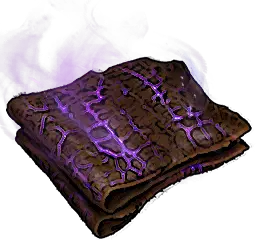
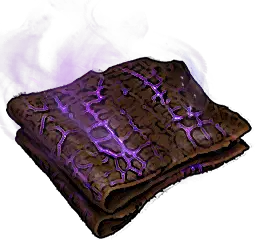
| Uncommon | Resource | Enchanted cloth. Crafted at an enchanting table. | |
| Common | Resource | A hat decoration and alchemical ingredient. Obtained from birds. | |
| Common | Resource | Found in abandoned farms in the Foothills. | |
| Common | Resource | Used to grow ficus. Grows only on the ground. | |
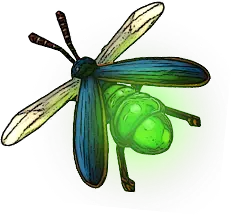
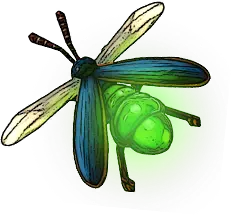
| Common | Resource | A firefly. Found in the Swamps. | |
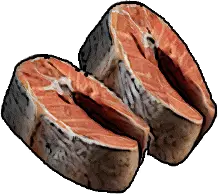
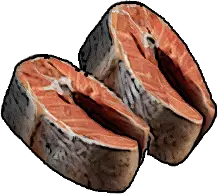
| Common | Resource | A nice-looking piece of fish, it just needs proper cooking! Obtained by fishing. | |
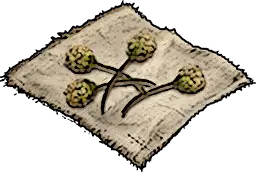
| Common | Resource | Used to make fabric. Obtained from cultivated or wild flax found in the Foothills. | |
| Common | Resource | See article for details. | |
| Common | Resource | Used to grow Flax. Grows only in the seedbed. | |
| Uncommon | Metal | Used for crafting tools, armor and other items. Smelted in a smelting furnace. | |
| Common | Resource | Can be used to make Foothills Iron Ingots. Found in the natural quarries of the Foothills. | |
| Legendary | Resource | Opens the doors to an ancient temple. | |
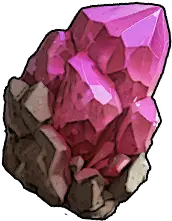
| Rare | Resource | A rather precious gemstone with a gentle pink color. Found in ancient vaults. | |
| Uncommon | Resource | See article for details. | |
| Rare | Resource | A gold ingot used to upgrade jewelry. Found in ruins. | |
| Rare | Resource | An English gold coin. Essential for securing the finest black-market cargo available on Tortuga. | |
| Common | Resource | Used for making weapons, ship materials and much more. Harvested in the Foothills from Divi-divi trees. | |
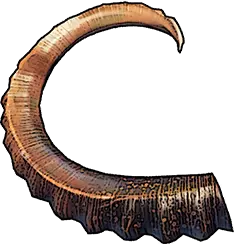
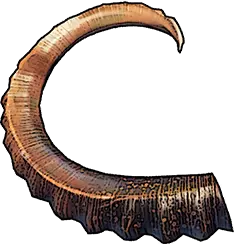
| Uncommon | Resource | A trophy. They say if you stare at it long enough, it will blink. And if you stare at it even longer, it can butt you. Obtained from goat leaders. | |
| Common | Resource | Used to grow Healing Herbs. Grows only in the seedbed. | |
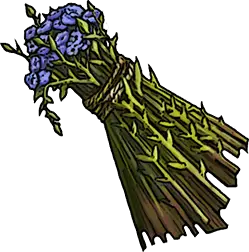
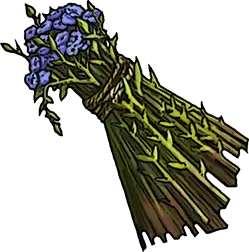
| Rare | Resource | A bundle of aromatic herbs said to hold vital powers. Alchemical ingredient. | |
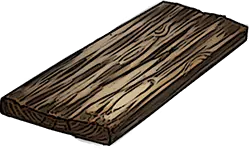
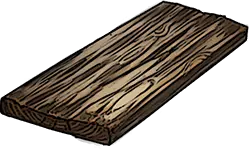
| Uncommon | Resource | Building material. Crafted at a workbench. | |
| Uncommon | Resource | Enchanted hide. Crafted at the enchanting table. | |
| Epic | Resource | Required for crafting high-quality firearms and leather armor. Purchased from Buccaneers. | |
| Epic | Resource | Required for crafting high quality clothing made of fabric Purchased from the People of Tortuga. | |
| Epic | Resource | Required for crafting high-quality cannons and ship equipment Purchased from Brethren of The Coast. | |
| Epic | Resource | Required for crafting high-quality metal weapons and armor. Purchased from Smugglers of Port Royal. | |
| Uncommon | Resource | Ingot Arborum. Crafted at an enchanting table. | |
| Uncommon | Resource | Useful for cooking meals and crafting poisons. Crafted at a workbench. | |
| Common | Resource | Found in the Swamps. | |
| Common | Resource | ||
| Common | Resource | Used to grow Limes. Grows only on the ground. | |
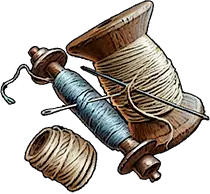
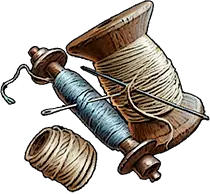
| Uncommon | Resource | Used in tailoring. Crafted at a spinning wheel from flax fiber. | |
| Common | Resource | Grows in the Swamps. | |
| Epic | Resource | A fortified wine shipped from the island of Madeira under the Portuguese flag. It withstands heat and long voyages, making it highly prized by officers, merchants, and shipwrights. Available for purchase at Brethren of the Coast camps. | |
| Rare | Resource | Required for crafting quality firearms and leather armor. Purchased from Buccaneers. | |
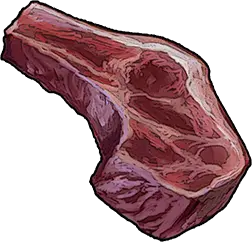
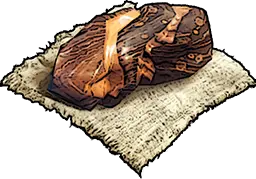
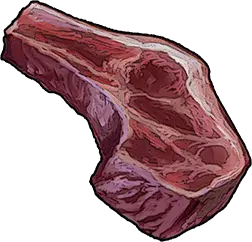
| Common | Resource | A fatty cut of meat, fit to be turned into a juicy steak. Harvested from large animals. | |
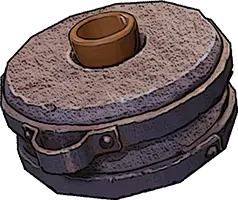
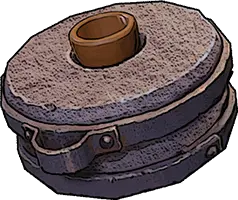
| Uncommon | Resource | Required to craft a millstone. Crafted at a workbench. | |
| Uncommon | Metal | An ingot smelted from ancient iron of unknown composition. Smelted in a large smelting furnace. | |
| Common | Resource | Alchemical ingredient. Often found near ruins. Blooms at night; rarely seen during the day. Doesn't grow in the Foothills. Makes a sound that helps to track it down. | |
| Common | Resource | Alchemical ingredient. Obtained from male goats. | |
| Rare | Resource | Cooking ingredient. Almost no one knows the secret of its preparation. Found in the Swamps. | |
| Uncommon | Resource | Can be salvaged from ship and boat wrecks along the shore. Crafted at a workbench from copper or iron. | |
| Rare | Resource | See article for details. | |
| Common | Resource | Easy to eat on the move. A pirate's favorite bite. Obtained from pirates. | |
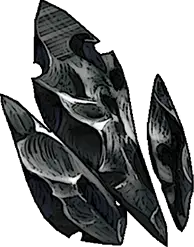
| Rare | Resource | A fragment of volcanic glass. Required for crafting jewelery. Found in the Swamps. | |
| Common | Resource | Used to grow a palm. Grows only on the ground. | |
| Rare | Resource | A Spanish silver coin. Recognized by every merchant and scoundrel, it is most often claimed by boarding and sinking ships. | |
| Common | Resource | Plague Wood Harvested from trees in plague-infested places. | |
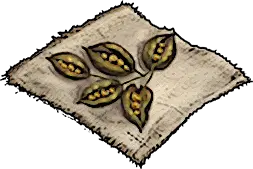
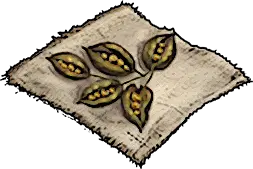
| Common | Resource | Used for making fabric. Harvested from shrubs. | |
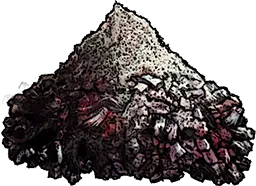
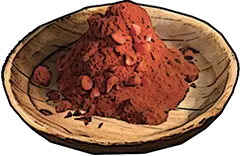
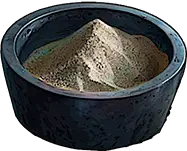
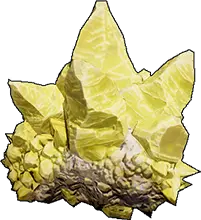
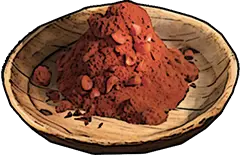
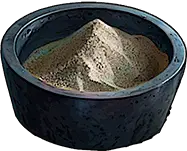
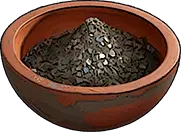
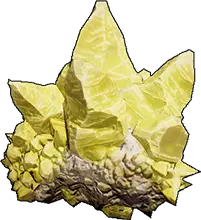
| Common | Resource | This strange powder burns with an unexpectedly bright, fierce flame. Found in the Swamps. | |
| Common | Resource | See article for details. | |
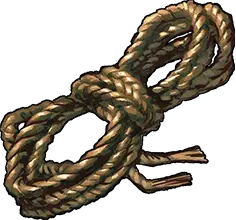
| Uncommon | Resource | An adventurer's best friend. Crafted at a workbench from plant fiber. | |
| Common | Resource | Future boots or a fine hat. Obtained from furry animals. | |
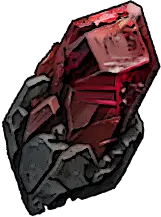
| Rare | Resource | Looks like a piece of clotted blood, frozen in stone. Found in ancient vaults. | |
| Rare | Resource | Cooking ingredient. Found in ship holds in the archipelago. | |
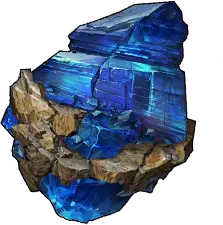
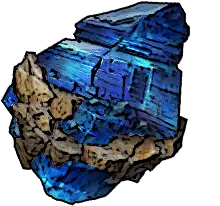
| Rare | Resource | A sturdy stone the colour of the deep sea. Found in ancient vaults. | |
| Rare | Resource | Required for crafting quality clothing made of fabric Purchased from the People of Tortuga. | |
| Rare | Resource | Required for crafting quality cannons and ship equipment. Purchased from Brethren of the Coast. | |
| Common | Resource | Used to grow shrubs. Grows only on the ground. | |
| Rare | Resource | A silver ingot, required for upgrading jewelry. Found in ruins. | |
| Rare | Resource | Required for crafting quality metal weapons and armor. Purchased from Smugglers of Port Royal. | |
| Common | Resource | Of great interest to merchants on Tortuga. Found among pirates or obtained by destroying pirate ships at sea. | |
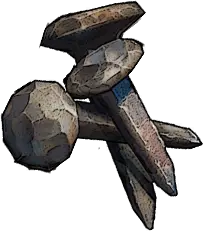
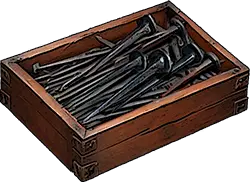
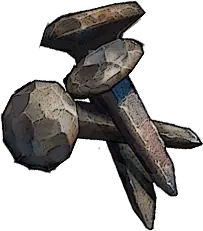
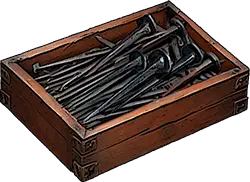
| Rare | Resource | High-quality nails brought from the homeland. The most reliable way to get them is to seize them from other ships, or salvage them from wreckage. | |
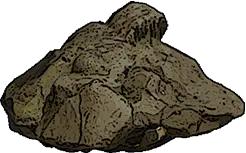
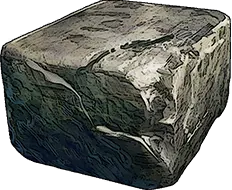
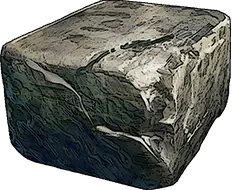
| Common | Resource | A building material. Found everywhere around the world as cobbles or boulders. | |
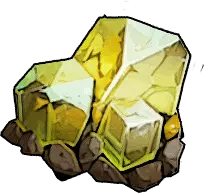
| Common | Resource | You better cross yourself, just in case. Found around rocky formations. | |
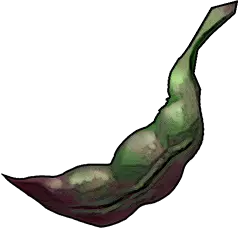
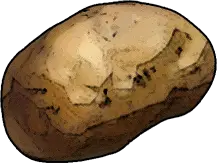
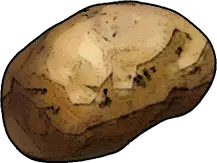
| Common | Resource | A tasty root crop. Found in the Coastal Jungle. | |
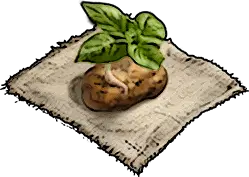
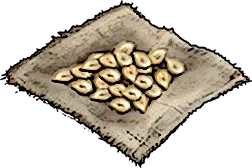
| Common | Resource | Used to grow Sweet Potato. Grows only in the seedbed. | |
| Rare | Resource | Bile from the remains of a tainted crocodile. Obtained from Plague Crocodile. | |
| Uncommon | Resource | Used in tailoring. Crafted at a tanning rack. | |
| Uncommon | Resource | Has tanning properties and a distinctive astringent taste. Used in the treatment of hides and furs. Crafted at an alchemy table from divi-divi tree bark. | |
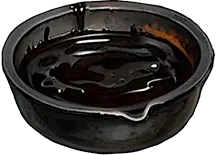
| Common | Resource | Thick and sticky. Perfect for proper tarring. Found in the Swamps. | |
| Uncommon | Resource | Excellent moisture resistance. Suitable for sails and sturdy clothing. Crafted at a tanning rack. | |
| Uncommon | Resource | Resists moisture exceptionally well, essential for shipbuilding. Crafted at a workbench. | |
| Rare | Resource | An incredibly clear liquid with no taste or smell. Alchemical ingredient. Obtained from Plague Crushers. | |
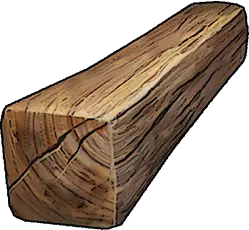
| Uncommon | Resource | Shipbuilding material. Made from hardwood found in the Foothills. Crafted at a workbench. | |
| Common | Resource | Used to grow Tomatoes. Grows only in the seedbed. | |
| Rare | Resource | Though its color resembles sand, this stone is far more valuable. Found in ancient vaults. | |
| Common | Resource | Divi-divi tree bark, harvested only from large trees. Used to produce tannin for leather tanning. | |
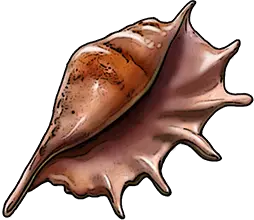
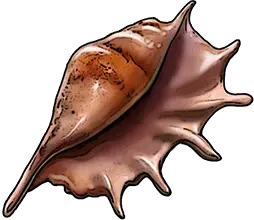
| Common | Resource | A beautiful shell. Found on the beach. | |
| Rare | Resource | An ancient alloy of copper and gold, discovered by the native peoples in ages past. Required to ascend equipment. Found in ruins. | |
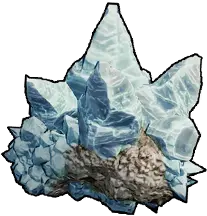
| Common | Resource | Burns your fingers with cold. Obtained from powerful undead. | |
| Common | Resource | See article for details. | |
| Epic | Resource | A harsh grain spirit imported from Scotland and Ireland. Rare in the Caribbean, and therefore especially prized as a trade good and an ingredient in special recipes. Available for purchase at Brethren of the Coast camps. | |
| Common | Resource | Alchemical ingredient. Also used as a material for jewelry. Obtained from wolves. | |
| Uncommon | Resource | A trophy. Ancient peoples served a roasted head as a ritual dish to their chiefs. The real trick was not breaking your teeth on the bones. Perhaps that's why ancient chiefs rarely smiled... Obtained from wolves. | |
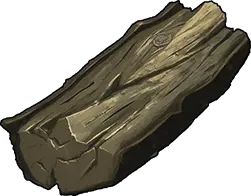
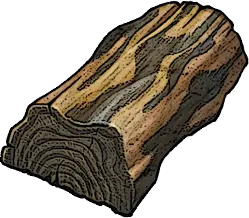
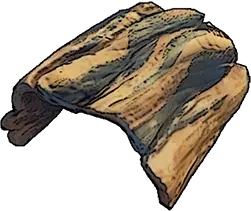
| Common | Resource | A building material. Harvested from large trees and palms. | |
| Uncommon | Resource | Required for shipbuilding. Crafted at a workbench. |

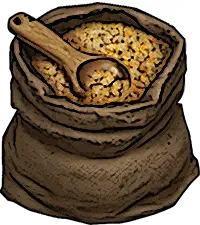
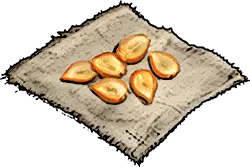
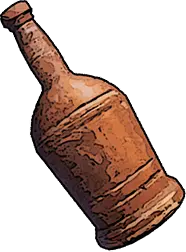
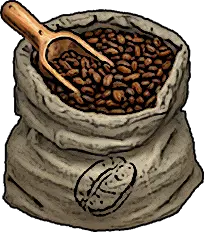
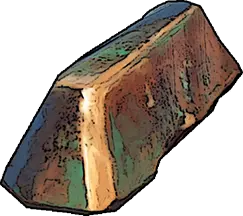
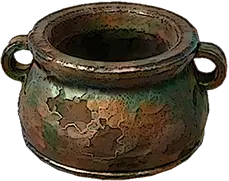

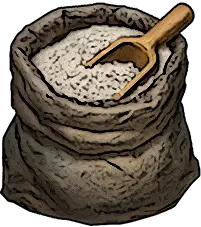
















Specialized Guides
For deep dives on specific resource families, see Metals (ingots and ore-to-ingot smelting), Mining, Gathering, Hunting, and Crafting.
All Resources (A-Z)
A complete index of all 138 resources currently catalogued in this wiki, sorted alphabetically. Click any resource name for its full page.
Image | Resource | Category | Rarity | Stack Size | Weight |
|---|---|---|---|---|---|
| Resource | Uncommon | 40 | 0.0 | |
| Resource | Common | 50 | 0.1 | |
| Resource | Common | 100 | 0.1 | |
| Resource | Common | 20 |
| |
| Resource | Common | 10 |
| |
| Resource | Common | 20 |
| |
| Resource | Common | 30 | 0.3 | |
| Resource | Uncommon | 1 | 50.0 | |
| Resource | Rare | 100 |
| |
| Resource | Uncommon | 100 | 0.1 | |
| Resource | Common | 100 | 0.1 | |
| Resource | Common | 20 | 0.5 | |
| Resource | Common | 100 | 0.1 | |
| Resource | Common | 50 | 0.2 | |
| Resource | Common | 30 | 0.1 | |
| Resource | Common | 40 | 0.2 | |
| Resource | Uncommon | 10 | 0.5 | |
| Resource | Common | 30 | 0.5 | |
| Resource | Common | 20 |
| |
| Resource | Common | 30 | 0.2 | |
| Resource | Epic | 10 | 0.1 | |
| Resource | Common | 20 |
| |
| Resource | Common | 50 | 0.1 | |
| Resource | Common | 100 | 0.1 | |
| Resource | Rare | 30 | 0.1 | |
| Resource | Common | 100 | 0.1 | |
| Resource | Uncommon | 40 | 0.0 | |
| Resource | Common | 50 | 0.5 | |
| Resource | Uncommon | 40 | 0.3 | |
| Resource | Uncommon | 1 | 3.0 | |
| Resource | Uncommon | 40 | 0.3 | |
| Resource | Uncommon | 20 |
| |
| Resource | Common | 100 | 0.1 | |
| Resource | Rare | 30 | 0.2 | |
| Metal | Uncommon | 40 |
| |
| Resource | Common | 24 | 0.5 | |
| Resource | Uncommon | 1 | 5.0 | |
| Resource | Common | 100 | 0.1 | |
| Resource | Uncommon | 100 | 0.3 | |
| Resource | Common | 40 | 0.2 | |
| Resource | Uncommon | 10 | 0.5 | |
| Resource | Uncommon | 10 | 3.0 | |
| Resource | Common | 30 | 0.5 | |
| Resource | Common | 30 | 0.2 | |
| Resource | Rare | 20 |
| |
| Resource | Common | 50 | 0.2 | |
| Resource | Uncommon | 10 | 0.5 | |
| Resource | Common | 20 |
| |
| Resource | Rare | 100 |
| |
| Resource | Rare | 1 |
| |
| Resource | Uncommon | 50 | 0.2 | |
| Resource | Uncommon | 40 | 0.3 | |
| Resource | Common | 30 | 0.1 | |
| Resource | Common | 50 | 0.5 | |
| Resource | Common | 100 | 0.1 | |
| Resource | Common | 30 | 0.2 | |
| Resource | Common | 40 | 0.4 | |
| Resource | Common | 50 | 0.2 | |
| Resource | Common | 20 |
| |
| Resource | Common | 100 | 0.1 | |
| Metal | Uncommon | 40 |
| |
| Resource | Common | 15 | 1.4 | |
| Resource | Legendary | 100 |
| |
| Resource | Rare | 100 |
| |
| Resource | Uncommon | 20 |
| |
| Resource | Rare | 40 | 2.0 | |
| Resource | Rare | 9999 |
| |
| Resource | Common | 30 | 0.5 | |
| Resource | Uncommon | 10 | 0.5 | |
| Resource | Common | 100 | 0.1 | |
| Resource | Rare | 50 | 0.0 | |
| Resource | Uncommon | 40 | 2.0 | |
| Resource | Uncommon | 40 | 0.5 | |
| Resource | Epic | 100 | 0.1 | |
| Resource | Epic | 100 | 0.1 | |
| Resource | Epic | 100 | 0.1 | |
| Resource | Epic | 100 | 0.1 | |
| Resource | Uncommon | 40 | 2.0 | |
| Resource | Uncommon | 1 | 2.0 | |
| Resource | Common | 50 | 0.1 | |
| Resource | Common | 100 | 0.1 | |
| Resource | Common | 100 | 0.1 | |
| Resource | Uncommon | 40 | 0.3 | |
| Resource | Common | 50 | 0.1 | |
| Resource | Epic | 10 | 0.1 | |
| Resource | Rare | 100 | 0.1 | |
| Resource | Common | 40 | 0.4 | |
| Resource | Uncommon | 1 | 5.0 | |
| Metal | Uncommon | 40 |
| |
| Resource | Common | 50 | 0.1 | |
| Resource | Common | 30 | 0.3 | |
| Resource | Rare | 30 | 0.3 | |
| Resource | Uncommon | 100 | 0.2 | |
| Resource | Rare | 20 |
| |
| Resource | Common | 50 | 0.2 | |
| Resource | Rare | 30 | 0.1 | |
| Resource | Common | 100 | 0.1 | |
| Resource | Rare | 9999 |
| |
| Resource | Common | 30 | 5.0 | |
| Resource | Common | 100 | 0.2 | |
| Resource | Common | 30 | 0.0 | |
| Resource | Common | 20 |
| |
| Resource | Uncommon | 40 | 0.6 | |
| Resource | Common | 30 | 0.5 | |
| Resource | Rare | 100 |
| |
| Resource | Rare | 30 | 0.1 | |
| Resource | Rare | 100 |
| |
| Resource | Rare | 100 | 0.1 | |
| Resource | Rare | 100 | 0.1 | |
| Resource | Common | 100 | 0.1 | |
| Resource | Rare | 40 | 2.0 | |
| Resource | Rare | 100 | 0.1 | |
| Resource | Common | 10 | 10.0 | |
| Resource | Rare | 50 | 0.0 | |
| Resource | Common | 40 | 1.0 | |
| Resource | Common | 30 | 0.2 | |
| Resource | Common | 50 | 0.2 | |
| Resource | Common | 100 | 0.1 | |
| Resource | Rare | 30 | 0.0 | |
| Resource | Uncommon | 40 | 0.5 | |
| Resource | Uncommon | 40 | 0.3 | |
| Resource | Common | 50 | 0.1 | |
| Resource | Uncommon | 40 | 0.0 | |
| Resource | Uncommon | 40 | 0.0 | |
| Resource | Rare | 30 | 0.1 | |
| Resource | Uncommon | 40 | 0.5 | |
| Resource | Common | 100 | 0.1 | |
| Resource | Rare | 100 |
| |
| Resource | Common | 30 | 0.1 | |
| Resource | Common | 20 | 0.3 | |
| Resource | Rare | 40 | 2.0 | |
| Resource | Common | 40 | 0.1 | |
| Resource | Common | 20 |
| |
| Resource | Epic | 10 | 0.1 | |
| Resource | Common | 30 | 0.1 | |
| Resource | Uncommon | 10 | 0.5 | |
| Resource | Common | 50 | 0.5 | |
| Resource | Uncommon | 40 | 1.0 |
See Also
Plant Fiber - dedicated page for the starter fiber bottleneck
Rough Hide - dedicated page for early leather progression
Animal Fat - dedicated page for lamp fuel and animal-drop utility
Oil Lamp - why one animal material matters so much underground
Dedicated Material Pages
The live material ladder reads more cleanly once the starter basics and the Foothills jump each have their own dedicated pages.
Image | Page | What It Covers |
|---|---|---|
| Baseline building stock, station costs, and the split between ordinary trade and merchant-contract supply | |
| Starter infrastructure, Hewn Stone, and the route into Millstone Parts | |
| The live gunpowder ingredient and its link to Millstones | |
| The Foothills timber step behind better upgrades and ship-leaning crafts | |
| The raw ore behind the iron chain | |
| The refined iron step used across tools, stations, and ship progression |
Top Five Priority Stack Targets
Windrose has dozens of gatherable resources, but in the first few hours only five of them actually gate progression. Stockpiling these aggressively during the first coastline sweep prevents the mid-tutorial bottleneck where three production chains all queue up behind the same material.
Priority | Resource | Why It Matters Early |
|---|---|---|
1 | Almost every early armor piece costs 2-4 hide per slot; Sailor Backpack needs 5 | |
2 | Gate for every station, tool, tent, and ship repair consumable | |
3 | Coarse Fabric chain (3 Plant Fiber = 1 Coarse Fabric); feeds tents, ropes, and early armor | |
4 | Copper Ore / Ingots | Entire mid-tier crafting pipeline (Weaponsmith, Shipwright's Workshop, cannons) gates on Copper |
5 | Without Clay there is no Charcoal Kiln or Smelting Furnace, so the entire metal chain collapses |
Stockpile targets for the first two hours: roughly 100 Wood, 30 Plant Fiber, 10 Rough Hide, 20 Copper Ore, and 60 Clay is enough to clear the Islander tutorial with a small reserve. Collecting more than these targets on the first pass means fewer forced returns to the same cluster later and a smoother run into the Weaponsmith Workshop and Shipwright's Workshop steps.
Discovery Tab Mechanics
Every gathered resource in Windrose is logged in the Discovery tab, which acts as both a personal collection log and a progression checklist. The tab is biome-organised, with separate panels for the Coastal Jungle, Foothills, and Cursed Swamps. Until a resource has been added to the player's inventory at least once, its slot in the Discovery tab is hidden behind a question-mark icon: the slot exists, but the name, source, and unlock chain are obscured.
Biome unlock gating: the later biome panels (Foothills and Cursed Swamps) are not visible until the player has progressed the main story far enough to defeat the previous biome's boss. Before that, the Discovery tab simply does not show the placeholder slots for those resources, even if the player has visited the biome and seen plants or ores there. This means a complete Discovery tab is also an implicit progression marker; a tab with three populated biome panels only happens after both biome bosses are down.
Question-mark icon behavior: the question-mark slot upgrades to the resource icon, name, and full description the first time the resource lands in the player's inventory. Picking the resource up off the ground, looting it from a chest, harvesting it from a plant, dropping it from an enemy, or pulling it from a multiplayer storage chest all satisfy the unlock condition equally. There is no need to actually craft with the resource, sell it, or carry it for any duration; the inventory touch alone fills in the entry.
Multiplayer Discovery Sharing
The inventory-touch unlock works for any source, not just personal world gathering. In a co-op session, a player who has not yet found a resource in the wild can have a teammate drop one for them, or pull one from a shared storage chest. The moment the resource is in the receiving player's inventory, their Discovery tab credits the unlock and reveals the entry. This is the fastest way to fill in a new player's Discovery tab without forcing them to repeat every biome's exploration loop, and it is also how groups speed up tab completion: one player gathers the rare drop, hands a copy to each teammate, and every Discovery tab updates in parallel.
Why it matters: the Discovery tab is the in-game reference for which biome a resource comes from and which crafting recipes it unlocks. Players researching a recipe chain can open the tab and trace ingredient sources without a separate guide, but only for resources they have personally touched. Stockpile a small quantity of every new resource the moment it appears, even if the recipe path is not yet relevant, so the Discovery entry is filled in for future reference.
Variants
A complete list of Resources variants in Windrose is shown below, with the crafting cost for each craftable entry. Click any name to open its dedicated page.
Image | Variant | Build Cost | Comfort |
|---|---|---|---|
| Clay Bottle x1, Misty Orchid x1 | - | |
| - | - | |
| - | - | |
| - | - | |
| - | - | |
| - | - | |
| - | - | |
| Wood x10, Anvil x1 | - | |
| - | - | |
| Charcoal x2 | - | |
| - | - | |
| Corn x5, Plant Fiber x10 | - | |
| - | - | |
| - | - | |
| - | - | |
| - | - | |
| - | - | |
| - | - | |
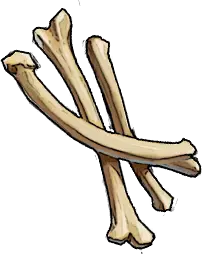
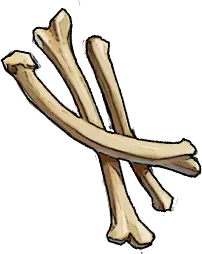
| Bones x5 | - | |
| - | - | |
| - | - | |
| - | - | |
| - | - | |
| - | - | |
| - | - | |
| - | - | |
| Hardwood x1 | - | |
| - | - | |
| Clay x1 | - | |
| Clay x6 | - | |
| Plant Fiber x3 | - | |
| Coconut x4 | - | |
| - | - | |
| - | - | |
| - | - | |
| Copper Ingot x5 | - | |
| - | - | |
| Corn x2 | - | |
| - | - | |
| - | - | |
| - | - | |
| - | - | |
| - | - | |
| - | - | |
| - | - | |
| - | - | |
| - | - | |
| - | - | |
| - | - | |
| Charcoal x3, Tainted Mask x1 | - | |
| Linen Fabric x1, Essence Arborum x1, Tar x1 | - | |
| - | - | |
| - | - | |
| - | - | |
| - | - | |
| - | - | |
| - | - | |
| - | - | |
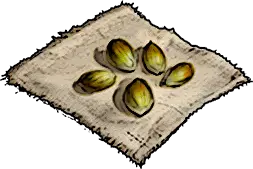
| Flax Seeds x4 | - | |
| - | - | |
| - | - | |
| - | - | |
| - | - | |
| - | - | |
| - | - | |
| - | - | |
| - | - | |
| - | - | |
| - | - | |
| - | - | |
| Stone x3 | - | |
| Crocodile Hide Piece x1, Essence Arborum x1, Tar x1 | - | |
| - | - | |
| - | - | |
| - | - | |
| - | - | |
| Mire Metal Ingot x1, Essence Arborum x2, Tainted Bile x1 | - | |
| - | ||
| - | - | |
| - | - | |
| - | - | |
| Flax Fiber x3 | - | |
| - | - | |
| - | - | |
| - | - | |
| - | - | |
| Stone x15 | - | |
| - | - | |
| - | - | |
| - | - | |
| Copper Ingot x1 | - | |
| - | - | |
| - | - | |
| - | - | |
| - | - | |
| - | - | |
| - | - | |
| - | - | |
| - | - | |
| - | - | |
| - | - | |
- | - | - | |
| - | - | |
| - | - | |
| - | - | |
| - | - | |
| - | - | |
| - | - | |
| - | - | |
| - | - | |
| - | - | |
| - | - | |
| - | - | |
- | - | - | |
| - | - | |
| Rough Hide x3, Tannin x1 | - | |
| Clay Bottle x1, Tree Bark x2 | - | |
| - | - | |
| Linen Fabric x1, Tar x1 | - | |
| Wooden Plank x1, Tar x1 | - | |
| - | - | |
| Hardwood x3 | - | |
- | - | - | |
- | - | - | |
| - | - | |
| - | - | |
- | - | - | |
- | - | - | |
| - | - | |
| - | - | |
| - | - | |
| - | - | |
| Wood x2 | - |