

Overview
Abyss Gear is an equipment augmentation system in Crimson Desert that allows players to socket Abyss Cores into their weapons to modify attack properties and gain additional combat bonuses. Each augment occupies a gear slot on the weapon. Weapons do not come with open sockets by default; you must visit a Witch NPC to create sockets before installing any Abyss Cores. The system provides a deep layer of build customization on top of base weapon stats, letting players tailor their loadout toward specific playstyles such as faster attack speed, higher critical rates, or increased damage against powerful enemies.
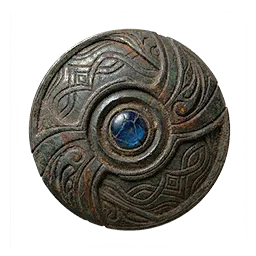
How it Works
Weapons in Crimson Desert have dedicated Abyss Gear slots visible in the equipment menu. Players acquire Abyss Gear items through exploration and by defeating tough enemies across Pywel. Once obtained, these augments can be slotted into any compatible weapon to modify its properties. Multiple slots per weapon allow stacking of different bonuses, so a single sword could have augments boosting attack speed, critical chance, and boss damage simultaneously. The Abyss Gear system unlocks during Chapter 3 of the main story, so players will not encounter it during the early hours of the campaign.
Tier Scaling
All stat-based Abyss Gears follow a consistent tier multiplier system. Tier I is the baseline value. Tier II is exactly twice as effective as Tier I, and Tier III is three times as effective. Greater variants are roughly ten times the Tier I value. Understanding these ratios is important for deciding when to upgrade gears through fusion.
Tier | Multiplier | Upgrade Cost | Notes |
|---|---|---|---|
Tier I | 1x (base) | Base craft from blueprint + raw materials | Starting point for all stat gears |
Tier II | 2x | 2 Tier I gears of the same type | Always worth upgrading; same total power in one slot instead of two |
Tier III | 3x | 2 Tier II gears of the same type | Costs 4 Tier I equivalents for 3x power; a net resource loss, but frees up slots |
Greater | ~10x | Special Synthesis (4% chance) | Has durability (100 uses); treat as a consumable |
Because Tier II costs two Tier I gears and provides exactly double the effect, upgrading to Tier II is always efficient. You lose nothing by consolidating two Tier I gears into one Tier II, and you free up a socket. Tier III requires more consideration: you are spending four Tier I equivalents (two Tier I to make each Tier II, then two Tier II to make the Tier III) for only triple the base value. The resource cost is higher relative to the power gain, but the slot savings can still be worth it if you need your sockets for other gears.
Greater Abyss Gears have a durability meter of 100. The durability depletes as the gear's effect activates in combat or as the player takes damage while the gear is equipped. There is currently no known way to repair Greater gear durability, so treat them as powerful consumables. Save them for difficult encounters like tough boss fights or high-level Sanctum runs.
Stat Bonuses
Abyss Gear augments provide the following types of bonuses when socketed into a weapon.
Stat | Effect |
|---|---|
Increases the speed of attack animations, allowing faster combo execution and shorter recovery between strikes | |
Critical Hit Chance | Raises the probability of landing critical hits, which deal significantly more damage than normal strikes |
Damage Against Stronger Foes | Increases damage dealt to enemies classified as stronger than the player, making boss encounters and high-level enemy fights more manageable |
Modified Attack Properties | Some Abyss Gear items alter the fundamental properties of attacks, such as adding elemental modifiers or changing attack patterns |
Abyss Cores
The items that slot into Abyss Gear sockets are called Abyss Cores. Each core provides a specific stat modification or combat effect when installed in a weapon or piece of armor. Fifteen known core variants exist, spread across four categories: Offensive, Defensive, Movement, and Specialized. Offensive cores boost raw damage output and critical hit potential, Defensive cores improve survivability and damage resistance, Movement cores enhance dodge speed and repositioning, and Specialized cores provide niche effects like bonus damage against certain enemy types.
Players can preview the exact stat changes each core provides before committing to an installation. The equipment screen updates in real time to show how a given core would alter the weapon's overall stat profile, making it straightforward to compare options without trial and error.
How to Obtain
Explore the open world. Abyss Gear can be found in hidden locations, treasure caches, and off-the-beaten-path areas across all five regions of Pywel
Defeat tough enemies. The strongest Abyss Gear drops from the most challenging opponents in the game, including bosses and elite field enemies
Complete quests and bounties that reward equipment augments as part of their loot tables
Weapon Slots
Weapons do not come with usable sockets by default. You must visit a Witch NPC and pay silver to create sockets before you can install any Abyss Cores. Most weapons and armor can have up to 5 sockets created, giving players meaningful room to customize their combat approach. Some boss-derived weapons compensate with powerful innate abilities. When equipping Abyss Gear, the weapon's stat summary updates in real time to reflect the combined bonuses, making it easy to compare configurations before committing to a loadout.
Core Installation
Installing and removing Abyss Cores is handled by Witch merchants rather than ordinary blacksmiths. Six Witch merchants operate across Pywel: Elowen, located in The Witchwoods within the Hernand region, and a second merchant stationed in Serpent Marsh in Demeniss. Both offer identical services.
The costs break down as follows:
Service | Cost | Notes |
|---|---|---|
Install a Core | Free | Slot any owned Abyss Core into an open socket at no charge |
Extract a Core | Free | Remove an installed core without destroying it; the core returns to inventory |
Create New Socket | Silver (varies) | Create a new socket on the equipment; cost scales with weapon tier |
Because installation and extraction are both free, players can freely experiment with different core combinations without worrying about resource loss. The only silver expenditure comes from creating sockets at a Witch.
Relationship to Other Progression Systems
Abyss Gear is one piece of a broader equipment progression ecosystem in Crimson Desert. It works alongside several other systems.
Blacksmith Refinement
Weapons can be refined at a blacksmith to incrementally enhance their base stats. For example, a weapon's Attack value might increase from 10 to 12 after a successful refinement. Blacksmiths are found in most major towns across Pywel and at the Greymane Camp. Refinement requires gold and crafting materials obtained from mining, hunting, boss drops, and quest rewards. Tailors handle armor upgrades as separate vendors.
Boss Equipment
Defeating bosses yields exclusive equipment imbued with their signature abilities. When a player equips boss-derived gear, they gain access to that boss's signature skill as a usable combat ability. Some boss equipment carries elemental properties baked in, meaning the enhancement effect applies automatically without needing to manually assign it. Equipment with a Signature Ability can outperform higher-stat gear that lacks one, making boss drops some of the most powerful items in the game.
Abyss Artifacts
Separate from Abyss Gear, Abyss Artifacts (also called Abyss Fragments) are the game's core progression currency. They are spent to increase core stats like Health, Stamina, and Spirit, to unlock new skills, and to extend combo chains. Abyss Artifacts replace traditional XP-based leveling entirely. Players can refund and redistribute them at any time, allowing flexible respeccing.
Equipment Stats
The following stats appear on equipment throughout the game and are affected by both base weapon properties and Abyss Gear augments.
Stat | Description |
|---|---|
Attack | Base damage output of the weapon |
Physical and magical damage mitigation | |
Maximum hit points | |
Resource pool for dodging, blocking, and sprinting | |
Speed of attack animations | |
Character movement velocity | |
Critical Hit Chance | Probability of landing critical strikes |
Weapon Durability
Main combat weapons do not break or degrade through use. There is no gear durability system for combat equipment, so players do not need to worry about repairing their weapons mid-adventure. Gathering tools such as pickaxes do degrade with use, but this is separate from the combat equipment system.
Known Equipment
Several named weapons and equipment items have been shown in gameplay demonstrations and UI screenshots.
Item | Type |
|---|---|
Sword (shown with Abyss Gear slots in equipment menu) | |
Dekare Dagger | Dagger |
Dekare Sword | Sword |
Dekare Shield | Shield |
Axe | |
Palkanese Musket | Musket |
Active (Unique) | |
Passive (Unique) |
Unlocking the System
You cannot use Abyss Gears until you meet your first Witch. The system unlocks in two stages:
Stage 1: Sylvia (The Hermit)
After completing the Abyss Without Balance quest, a white bird carrying a letter will visit you at an Abyss Nexus point. Accept the letter, read it from your inventory, and follow the marked cavern location to meet Sylvia, the first Witch. Sylvia is located in a cave north of Hernand (this Witch was added in the Day 1 patch to provide earlier access to the socketing system).
Sylvia provides basic Abyss Gear services:
Embed Abyss Gears into equipment sockets
Extract pre-equipped Abyss Gears for reuse or sale
Create new sockets on equipment with locked Abyss Core slots
Stage 2: Elowen (Advanced Witch)
Following the Chapter 5 boss fight, you receive another bird-delivered letter. Complete the Missing Seal quest by rescuing an NPC from bandits at a farmstead. After this, Elowen invites you to her residence in The Witchwoods, west of the Hernand Highlands. Elowen provides all of Sylvia's services plus:
Craft Abyss Gears using recipes
Purchase Abyss-related items and recipes
Sell equipment and gears
How Socketing Works
Step 1: Create Sockets
Equipment comes with locked socket slots. Before you can install any Abyss Cores, you must create (unlock) sockets by visiting a Witch and selecting Create Socket. This costs silver, with the price increasing as you unlock more sockets on the same item.
Socket costs scale with each additional slot you unlock. As a reference, unlocking all 5 sockets on a single piece of equipment costs a total of 105 silver. Plan your socket investments carefully and prioritize your main weapons and body armor first, as the costs add up quickly across your full loadout.
Maximum Sockets by Equipment Type
Equipment Type | Maximum Sockets |
|---|---|
One-Handed Weapon | 3 |
Off-Hand | 2 |
Two-Handed Weapon | 5 |
Ranged Weapon | 5 |
Head Armor | 1 |
3 | |
2 | |
Boots | 2 |
Not socketable | |
Not socketable |
Two-handed and ranged weapons offer the most sockets (5 each), making them the best platforms for stacking multiple Abyss Core effects. Cloaks and accessories cannot be socketed at all.
Step 2: Embed Abyss Gears
Once sockets exist on your equipment, select Embed Abyss Gear from the Witch's menu. Choose an available socket on your equipment and install a core from your inventory. The installation is free; you only pay for creating the socket itself.
Step 3: Extract (Optional)
Abyss Gears can be extracted from equipment and reused. The extraction service is also free. This allows you to swap cores between items as you acquire better equipment without losing your existing cores.
Extraction Workflow
Extraction is a core part of managing your Abyss Gear inventory. Whenever you pick up new equipment, whether from enemy drops, quest rewards, or purchased from vendors, that equipment often comes with Level 1 Abyss Gears already installed. Rather than letting these gears go to waste, you should visit any Witch and extract them for future use.
The extraction process is straightforward:
Visit any Witch and select Extract Abyss Gear from the menu.
Choose the equipment you want to extract from. You can select multiple items at once to batch the process.
All extracted gears return to your inventory as base Level 1 cores.
The extraction is completely free with no penalties. The equipment retains its base stats; only the socketed gears are removed.
This workflow is particularly valuable in the early game. Even from free items you collect during the opening hours, you can immediately start extracting and fusing those Level 1 gears into Level 2 or even Level 3 versions. Building a habit of extracting gears from every piece of equipment before selling or discarding it will give you a steady supply of fusion materials throughout your playthrough.
Crafting and Fusion Levels
Abyss Gears can be upgraded to higher levels through a fusion system available at any Witch who offers crafting services. The process works by combining two identical gears of the same level to produce a single gear one level higher. This is done through the Craft Abyss Gear menu, then selecting the Synthesis option.

Target Level | Materials Required | Notes |
|---|---|---|
Level 1 | Base craft from recipe + raw materials | Requires the corresponding Blueprint. Materials vary per gear type (e.g., butterflies, Abyss Cells, minerals) |
Level 2 | 2x Level 1 of the same type | Requires the Level 2 Blueprint for that specific gear |
Level 3 | 2x Level 2 of the same type | Requires the Level 3 Blueprint. Costs add up quickly at this stage |
Blueprints are purchased from Witches through their Buy menu. Different Witches sell different blueprints, so you may need to visit multiple locations to find the one you need. Some blueprints are only available from Elowen in The Witchwoods, while others can be found at Witch merchants in other regions like Demeniss.
Since each level requires two copies of the previous level, the material cost escalates exponentially. Reaching Level 3 for a single Abyss Gear effectively requires four copies of the Level 1 version (two to fuse into each Level 2, then two Level 2s to produce the Level 3). Plan your crafting priorities carefully, especially early on when resources are scarce.
Witch Blueprint Purchases
Each of the five Witches across Pywel sells approximately three unique Abyss Gear blueprints through their shop. Different witches stock different blueprints, so visiting all five is necessary to collect every available recipe. In addition to blueprints, each witch sells one skill point, making the witch quest line a significant source of both crafting options and character progression.
Witch | Location | Notable Offerings |
|---|---|---|
Witch of Hernand | 3 Abyss Gear blueprints, 1 skill point | |
Witch of Pailune | Crimson Lake, south of Silver Wolf Mountain | 3 Abyss Gear blueprints, 1 skill point |
Witch of Demeniss | 3 Abyss Gear blueprints, 1 skill point | |
Witch of the Crimson Desert | World's Naval, northwest of Tashkelp | 3 Abyss Gear blueprints, 1 skill point, unique merchant-summoning book (999 silver) |
Fifth Witch (Waywood Woods) | Waywood Woods (unlocked after all 4 witch tokens) | Stamina recipe, Ice Wing Plate Cloak |
To unlock each witch, players must first find and help their false form (an illusion version in some kind of predicament) in the open world. After assisting the illusion, the witch reveals the location of their actual home, which is then marked on the map. Visiting the witch's home grants access to their services and begins their regional quest line involving Sanctum liberation.
Special Synthesis
Beyond standard fusion, Witches also offer Special Synthesis, an advanced crafting option that combines Abyss Gears for a chance at more powerful results. Special Synthesis can produce Tier 1, Tier 2, or Greater Abyss Gears. Greater variants are significantly more powerful than their standard counterparts, but the chance of obtaining one is only approximately 4%.
To access Special Synthesis, navigate to the Craft Abyss Gear menu at any Witch and look for the Special Synthesis option. You can use Abyss Gears that you do not need as crafting materials, making this a productive way to recycle unwanted cores rather than simply selling them.
Notable Special Synthesis Results
Abyss Gear | Effect | Tier |
|---|---|---|
Gourmet 2 | Food Effect Level +2 | Standard |
Rend 3 | 7% increased critical rate vs leather armor | Standard |
Blessing of the Beast 3 | 30% extra hide from hunting | Standard |
Equestrian 3 | Horse speed increase | Standard |
Surge 3 | Swim speed +6% | Standard |
Greater Variants | Dramatically improved stats (e.g., Crit Rate Lv 10 instead of Lv 3) | Greater (4% chance) |
Special Synthesis outcomes are randomized, but you can improve your odds through persistence. If you get a favorable result, save your game to lock in the new gear. If you get an unwanted result, you can reload a previous save and attempt the synthesis again. This approach lets you repeatedly roll for Greater variants without permanently losing your crafting materials. Once you have a good Tier 2 result, you can save again and then attempt another round of Special Synthesis to try for Tier 3.
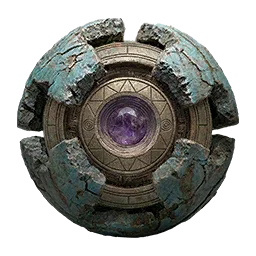
Efficient Synthesis Strategy
When using Special Synthesis to try for Greater Abyss Gears, the 4% chance of obtaining a Greater variant is the same regardless of the tier of materials you feed in. Using Tier 1 Abyss Gears, Tier 2 Abyss Gears, or Tier 3 Abyss Gears as synthesis materials all yield the exact same 4% probability of a Greater result. This has an important practical implication: always use Tier 1 Abyss Gears for Special Synthesis attempts unless you specifically need a Tier 2 or Tier 3 standard result.
Farming Tier 1 for Synthesis
Tier 1 Abyss Gears are far easier and cheaper to obtain. You can gather them in bulk by extracting Level 1 cores from enemy drops and purchased equipment. Feeding Tier 3 gears into the 4% lottery is wasteful because the outcome probability does not improve. Save your higher-tier gears for regular Synthesis (combining two of the same tier to produce the next tier up), and use your surplus of Tier 1 gears for the gambling-style Special Synthesis rolls.
The save scumming approach works reliably with Special Synthesis. Create a manual save before initiating the synthesis. If the roll does not produce a Greater variant, reload and try again. This method preserves your materials while allowing unlimited attempts at the 4% chance. Once you obtain a desirable Greater Abyss Gear, immediately save again to lock it in.
Step-by-Step Synthesis Gambling
Players looking to build up from Tier 1 to specific Tier 3 or Greater gears through Special Synthesis can follow a structured gambling approach. This method uses save scumming at each stage to minimize material waste.
Stage 1: Accumulate Tier 1 gears. Extract Level 1 cores from all looted equipment and craft additional ones using Abyss Cells. Stockpile a large supply before beginning the gambling process.
Stage 2: Gamble Tier 1 pairs into Tier 2. Save your game. Feed two unwanted Tier 1 gears into Special Synthesis. The result is random, but there is a chance to receive a Tier 2 gear. If the result is not useful, reload and try again with the same or different inputs. Repeat until you have several Tier 2 gears.
Stage 3: Gamble Tier 2 pairs into Tier 3. Once you have multiple Tier 2 gears, save again and feed two Tier 2s into Special Synthesis. The output can be a Tier 3 gear. Continue rolling until you get the specific Tier 3 gear you want.
Stage 4: Roll for Greater variants. At any tier, there is a roughly 4% chance that the synthesis produces a Greater version. If targeting a specific Greater gear (like Greater Infinite Arrows), be prepared to reload many times. Try to set up rolls where you can attempt multiple synthesis operations per save to reduce reload time.
The inputs to Special Synthesis do not determine the output type. Feeding two defensive gears can produce an offensive gear, and vice versa. The gear type of the result is entirely random. The only consistent behavior is that higher-tier inputs have a better chance of yielding a higher-tier result, though Tier 1 inputs still have the same 4% Greater chance.
Greater Abyss Gear Durability
Greater Abyss Gears are roughly 10 times more powerful than their Tier 1 equivalents. For example, a Tier 1 gear that provides a 4% damage increase becomes a 40% damage increase in its Greater form. Similarly, a Greater Attack Speed gear can reach Level 10, far exceeding the Level 1 to 3 range of standard tiers. This enormous power spike makes Greater gears game-changing for difficult encounters, but their limited durability means they should never be equipped casually.
Greater Abyss Gears obtained through Special Synthesis are significantly more powerful than their standard counterparts, offering effects like Attack Speed Level 10, Critical Hit Rate Level 10, or a 40% damage increase against specific enemy types through Greater Primal Bane variants. However, all Greater Abyss Gears come with a durability meter that depletes over time as the gear is used in combat.
Durability Depletion
Once a Greater Abyss Gear's durability reaches zero, the item is destroyed and removed from the equipment. This means Greater Abyss Gears are temporary consumable upgrades rather than permanent additions to your build. Because of their limited lifespan, it is best to save Greater Abyss Gears for specific challenging encounters rather than using them during routine exploration or regular Sanctum runs.
Skill | Effect |
|---|---|
Best use cases: | Difficult boss fights, high-level Sanctum challenge runs, or encounters where you are under-leveled and need a temporary power boost. |
Not recommended for: | General overworld combat, routine farming runs, or Fighter Sanctums that you can already clear comfortably. |
Save scumming tip: | Because Greater Abyss Gears are so rare (4% synthesis chance) and temporary, many players choose to save their game before using one. If the encounter goes poorly and the durability is wasted, reloading the save preserves the Greater Abyss Gear for a future attempt. |
Bane Gears
Bane gears increase damage dealt to specific enemy types. Multiple Bane gears of the same type stack additively, up to a maximum of 40% bonus damage. A single Greater Bane gear reaches this 40% cap by itself, so stacking lesser Bane gears beyond the cap provides no additional benefit. The damage bonus from Bane gears applies to all sources of damage the player deals, not just weapon attack damage. This includes Abyss Gear trigger effects and imbue damage as well.
Bane gears socketed into gloves or boots do affect weapon damage, unlike Attack and Critical Rate gears in those slots. This means players can use glove and boot slots for Bane gears targeting a specific enemy type without losing effectiveness. If you know what enemy type you are fighting, loading Bane gears into your gloves and boots alongside weapon Bane gears is a strong strategy for maximizing damage against that target.
Bane Gear | Target | Per Tier | Stack Limit | Notes |
|---|---|---|---|---|
Bloodbane | Humanoid enemies | 4% per tier | 40% | Large proportion of enemies are humanoid; one of the most broadly useful Bane types |
Beast Bane | Beast enemies | 4% per tier | 40% | Covers bears, wolves, and other animal-type enemies |
Abyss Bane | Abyss creatures | 4% per tier | 40% | Useful for Sanctum content and abyss-type enemies |
Malicebane | "Mighty foes" | 4% per tier | 40% | Does NOT work on most bosses (see below) |
Malicebane: Mighty Foes Misconception
Malicebane reads as "bonus damage to mighty foes," and the game's journal has a section listing bosses under a "Mighty Foes" heading. Because of this, many players assumed Malicebane would increase damage against all bosses. Community testing has shown this is not the case. Even with 24% bonus damage from Malicebane gears socketed directly into a weapon, there was zero measurable damage difference against multiple story and world bosses.
The most likely explanation is a localization issue: "mighty foes" in the Bane gear description refers to a specific, narrow enemy classification rather than all powerful enemies. It is unclear which enemies actually fall into this category. Until Pearl Abyss clarifies or patches this, players should avoid relying on Malicebane for boss fights. If your goal is to increase boss damage, other approaches like stacking Critical Rate, Relentless, or the correct enemy-type Bane (such as Beast Bane for beast-type bosses) are more reliable.
Shatter, Rend, and Shred
These three gears provide bonus critical rate against enemies wearing specific armor types. Shatter targets plate-armored enemies, Rend targets leather-armored enemies, and Shred targets cloth-armored enemies. They only work against enemies that actually wear armor, so they have no effect on unarmored creatures like beasts.
Gear | Armor Target | Tier I | Tier II | Tier III |
|---|---|---|---|---|
Shatter | ~2.5% crit rate | ~5% crit rate | ~7.5% crit rate | |
Rend | ~2.5% crit rate | ~5% crit rate | ~7.5% crit rate | |
Shred | ~2.5% crit rate | ~5% crit rate | ~7.5% crit rate |
The in-game tooltip shows 2%, 5%, and 7% for Tiers I, II, and III respectively. However, if these gears followed the standard 1x/2x/3x tier scaling, the actual values should be 2.5%, 5%, and 7.5%. It appears the UI rounds down and does not display decimals. This would make these gears slightly better than they appear at a glance.
These crit bonuses function separately from the Critical Rate skill stat. They provide a flat percentage increase to crit chance rather than scaling through the Critical Rate skill. This means the crit bonus from Shatter, Rend, or Shred stacks on top of any Critical Rate you have from skills, gears, or accessories. If the Critical Rate skill works as a multiplier on base crit rate (which is not yet confirmed), then these flat percent bonuses would compound with it for even greater value.
Defense vs. Damage Reduction
Players frequently ask whether stacking Fortification (raw Defense) or Aegis (Damage Reduction at 1% per tier) is better for survivability. The answer depends on where you are in the game and what content you are tackling.
The game appears to use a threshold-based defense system. Every enemy has an attack stat that scales with the area's difficulty. Your Defense stat needs to keep pace with this value to be effective. Once your Defense exceeds the threshold for a given enemy, additional Defense provides sharply diminishing returns. Below that threshold, however, more Defense is extremely valuable.
General rule: If you are keeping up with weapon and armor refinement for your current point of progression, your base Defense should already be near the threshold for the enemies you are fighting. In that situation, Damage Reduction (Aegis) is more valuable than additional Defense, because you are already past the point of diminishing returns for raw Defense.
When pushing difficult content: If you are fighting enemies above your current gear level, your Defense may be below the threshold. In that case, stacking Fortification to raise your raw Defense closer to the enemy's threshold is the priority. Temporary Defense boosts like anvil buffs can also help bridge this gap.
For most players at appropriate gear levels, a healthy mix of both stats is ideal, but the value tilts toward Damage Reduction the further you are above the minimum Defense threshold for the content.
Equipping Rules
One of the most commonly misunderstood aspects of the Abyss Gear system is how offensive bonuses interact with equipment slots. Attack, critical rate, and attack speed bonuses from Abyss Gears only apply to the weapon currently equipped in your hands. If you socket an attack bonus onto a one-handed weapon, that bonus does not carry over when you switch to a two-handed weapon, and vice versa. Each weapon operates as its own independent stat profile for offensive Abyss Gears.
This distinction is critical for optimizing your loadout. Many players waste valuable cores by socketing offensive bonuses into armor slots where they provide no benefit. The table below summarizes the recommended Abyss Gear types for each equipment slot.
Equipment Slot | Recommended Gear Type | Reasoning |
|---|---|---|
One-Handed Weapon | Attack, Crit Rate, Attack Speed, Special Abilities | Offensive bonuses apply only when this weapon is actively held |
Two-Handed Weapon | Attack, Crit Rate, Attack Speed, Special Abilities | Same rule: bonuses apply only while this weapon is in your hands |
Off-Hand / Shield | Defense (Fortification, Aegis) | Shields benefit from defensive stacking; offensive cores are wasted here |
Helmet | Defense (Fortification, Aegis, Elemental Resist) | Head armor should always be defense-focused |
Defense (Fortification, Aegis, Vigor, Gourmet) | Largest armor piece benefits most from defensive and survival cores | |
Defense (unless using unarmed build) | Attack bonuses on gloves only apply during unarmed combat. If you are not running an unarmed build, socket defense cores instead | |
Boots | Defense (unless using kick build) | Attack bonuses on boots only apply when kicking. Socket defense or movement cores for most builds |
The core principle is simple: only your weapons should have attack, crit, and speed Abyss Gears. Every piece of armor should be loaded with defensive cores like Fortification, Aegis, Vigor, and elemental resistances. The only exceptions are niche builds that rely heavily on unarmed strikes or kick attacks, in which case Gloves or Boots can justify offensive socketing.
Stat Activation Rules by Equipment Type
One of the most commonly misunderstood aspects of the Abyss Gear system is which stats actually apply depending on equipment type and active weapon. Not all bonuses are active at all times. The rules vary depending on the stat type and the equipment slot, and getting this wrong means wasting valuable Abyss Gear slots on bonuses that do nothing during normal gameplay.
Gloves and Boots
Gloves and boots can accept offensive Abyss Gears such as Destruction (Attack) and Insight (Critical Hit Rate). However, these offensive stats only activate when the player is using unarmed combat. If you have Attack +2 and Critical Hit Rate +2 on your gloves, those bonuses will not appear on your stat sheet while wielding a sword, greatsword, or any other weapon. The moment you switch your active weapon to Unarmed, the stats from gloves and boots immediately take effect.
Attack Speed and Movement Speed are exceptions to this rule. Even when socketed into gloves or boots, Attack Speed and Movement Speed bonuses remain active regardless of your currently equipped weapon. If you slot Swift (Attack Speed) into your boots alongside a two-handed greatsword build, you will still see the attack speed increase reflected in your stats. The same applies to Haste (Movement Speed) on boots or gloves.
Stat on Gloves/Boots | Active When Unarmed | Active with Weapon |
|---|---|---|
Attack (Destruction) | Yes | No |
Critical Hit Rate (Insight) | Yes | No |
Attack Speed (Swift/Gale) | Yes | Yes |
Movement Speed (Haste) | Yes | Yes |
Defense (Fortification) | Yes | Yes |
Because of this behavior, the recommended approach for most builds is to socket defensive or utility cores (Fortification, Aegis, Vigor, Haste) into gloves and boots rather than offensive ones. The only exception is a dedicated unarmed combat build where the player intends to fight with fists and kicks. For unarmed builds, stacking Attack and Critical Hit Rate on both gloves and boots is highly effective since those stats are always active during fist combat.
Shields
Shields follow their own activation rules that differ from armor and weapons. The Defense stat from a shield's base stats and any Fortification Abyss Gears always applies passively as long as the shield is equipped in your off-hand slot, even if you are actively swinging a two-handed weapon. This means that players running a sword-and-shield loadout always benefit from their shield's defense value during one-handed combat.
Passive Effects on Shields
However, all other Abyss Gear effects on shields (such as Aegis damage reduction, passive abilities like Attack Speed boosts, and special effects) only activate when the shield is drawn and the player is in sword-and-shield stance. If you have Aegis I (Damage Reduction 1.0) on your shield but switch to a two-handed weapon, that damage reduction will not appear on your stat sheet. The same applies to any passive effect printed on the shield itself, such as "Attack Speed +2"; it will only take effect while the shield is drawn and active.
Dual wielding does not benefit from shield stats either. Even though a shield may be visible on the character's back while dual wielding, no shield stats carry over. The defense value, damage reduction, and passive effects from the shield are all inactive during dual wield mode. This is a common misconception, as some community guides have incorrectly claimed that all Abyss Gear effects from a shield transfer to other stances.
Shield Stat | Sword + Shield | Two-Handed Weapon | Dual Wield |
|---|---|---|---|
Base Defense | Active | Active | Inactive |
Fortification (Defense +) | Active | Active | Inactive |
Aegis (Damage Reduction) | Active | Inactive | Inactive |
Attack Speed Passive | Active | Inactive | Inactive |
Other Passive Effects | Active | Inactive | Inactive |
For players running a two-handed build who still carry a shield in the off-hand, it is still worth socketing Fortification cores into the shield since the defense bonus carries over. But investing in Aegis, passive abilities, or other non-defense Abyss Gears on a shield is only worthwhile if you actively use the sword-and-shield stance in combat.
Bows and Ranged Weapons
Bows follow the same activation pattern as melee weapons: all Abyss Gear effects on the bow, including passive abilities, Attack Speed, and Critical Hit Rate, are only active while the bow is drawn and in use. The moment the bow is put away and the player switches to a melee weapon, all bonuses from the bow's Abyss Gear slots disappear from the stat sheet.
Because bow usage tends to be burst-oriented (draw, fire a few shots, switch back to melee), the most effective Abyss Gear to put on bows is raw Attack (Destruction cores). This maximizes the damage of each individual arrow during the brief window the bow is active. Socketing Attack Speed or Critical Hit Rate on a bow provides less value because the bow is rarely drawn long enough for sustained DPS benefits. If you only plan to draw the bow for a few quick shots, you want each shot to hit as hard as possible.
Accessory Stat Interactions
Critical rate and other stats from accessories (necklaces and rings) apply to all weapons regardless of which one is currently equipped. This makes accessories a valuable source of universal offensive stats that persist across weapon swaps.
An important quirk of the stat system is that critical rate from accessories appears to count doubly on the character stat screen. For example, a necklace with 2 critical rate and a ring with 1 critical rate will show as 6 critical rate on the stat sheet, because each accessory's contribution is counted twice. When a weapon with its own critical rate is drawn, the weapon's crit value stacks on top. This means a character with 3 crit from accessories and 3 from the weapon would display 9 total critical rate with the weapon active.
At maximum refinement, a necklace can reach 4 critical rate, which counts as 8 effective on the stat screen. Combined with a refined weapon, this can push total critical rate above 13, providing a substantial damage increase across all combat encounters.
Relentless
Relentless is a unique Abyss Gear that increases weapon damage based on consecutive attacks. When equipped, a combo meter appears on screen tracking consecutive hits. Each hit in the combo increases your weapon attack damage by approximately 1% per combo hit. After 20 hits, you deal roughly 20% more damage. After 50 hits, roughly 50% more. Community testing found little to no diminishing returns on this scaling; the bonus stayed close to exactly 1% per hit at all tested combo counts.
Property | Detail |
|---|---|
Damage increase | ~1% per consecutive hit (additive) |
Affected attacks | Light attacks, heavy attacks, Spinning Slash, Turning Slash, stabs, and unarmed attacks |
Not affected | Abyss Gear trigger effects (e.g., Crow's Pursuit), imbue damage, and other external effects |
Combo reset | Taking any damage immediately resets the combo counter to zero |
Bow shots | Do not build combo meter |
Echo attacks | Do not add extra combo stacks |
Stacking | Multiple Relentless gears do NOT stack; equipping more than one has no additional effect |
Equipment slot | Typically found on gloves, but also works in boot slots |
Cross-weapon | When socketed in gloves or boots, the bonus applies to all melee weapons |
Relentless is one of the few offensive gears that provides weapon damage bonuses when socketed into gloves or boots, making it highly valuable in those slots. Since Attack and Critical Rate on gloves/boots only apply during unarmed combat, Relentless fills a unique niche by boosting all weapon damage from an armor slot. For any build that uses sustained weapon attacks, a single Relentless gear in gloves or boots is one of the highest-value uses of that socket.
The main downside is that taking damage resets the combo. Players using Relentless should focus on evasion and timing to avoid hits, especially during boss fights where a long combo streak translates into massive damage. Pair it with Stamina Siphon to keep stamina flowing during extended attack chains without needing to pause.
Siphon Gears
Siphon gears restore a small, flat amount of health, stamina, or spirit with each attack. These gears only come in a single level (there are no Tier II or III siphon gears), so stacking multiple copies of the same siphon type is the only way to increase the effect. They do stack if multiple copies are equipped.
Siphon Gear | Restoration per Light Attack | Heavy/Skill Attacks | Notes |
|---|---|---|---|
Health Siphon | ~1.5 HP per hit | ~0.75 HP per hit (half rate) | Very low flat healing; becomes negligible at higher max HP |
~10 Stamina per hit | ~5 Stamina per hit (half rate) | Best of the three; allows stamina recovery during light attacks | |
Spirit Siphon | 1 Spirit per hit | ~0.5 Spirit per hit (half rate) | Useful as passive trickle regen for spirit-intensive builds |
These siphon effects trigger on weapon attacks but at half effectiveness for anything other than light attacks (heavy attacks, skill attacks, stabs, etc.). They do not trigger from Abyss Gear activation effects. Because the restoration values are flat numbers, siphon gears are strongest in the early game when maximum stats are low and become less impactful as the player's stat pools grow.
Stamina Siphon deserves special mention. Normally, any attack (including light attacks that cost no stamina) prevents natural stamina regeneration. Stamina Siphon is the only way to recover stamina while continuing to attack. This is especially useful when a boss is staggered and the player is out of stamina: Stamina Siphon lets you keep dealing damage with light attacks while slowly refilling your stamina bar. For builds that rely on stamina-heavy combos, this gear provides a noticeable quality-of-life improvement.
Health Siphon provides too little healing to be practical for most players. Spirit Siphon falls somewhere in between. It offers a trickle of spirit recovery that can extend imbue uptime or reduce how often you need to enter Focus mode, but it will not keep up with builds that spam spirit-consuming attacks.
Gourmet
Gourmet increases the effect of food items when consumed. Testing with Gourmet III showed a consistent 50% increase in healing from food. Food that normally restores 120 HP healed for 180 HP with Gourmet III equipped. This bonus applies to all food effects, including stamina and spirit restoration from consumables.
A 50% increase in food effectiveness is significant for survivability. It means each food item stretches 50% further, effectively giving you 50% more of your best healing consumable. It also allows you to heal larger amounts in less time during fights, since each food use restores more. For difficult boss encounters where food is your primary source of healing, Gourmet is one of the strongest survivability gears you can slot into an armor socket.
Energy Drain
Energy Drain reads as "restores resources on kill." Despite extensive community testing, the actual effect of this gear remains unclear. Tests checked for bonus health, stamina, spirit, durability recovery, extra crafting material drops, ranged ammo refunds, and cooldown reduction on kill, but none of these showed a measurable difference with Energy Drain equipped.
The baseline stamina and spirit recovery that all players receive on kill (50 stamina and 10 spirit) did not change even with five Energy Drain gears equipped simultaneously. It is possible the gear provides an extremely small flat health recovery on kill that is difficult to distinguish from passive health regeneration. There is also a reasonable chance that the gear is bugged and not functioning: the version 1.01.00 patch notes specifically mentioned fixing Energy Drain not activating, which suggests the gear had issues previously. Whether the fix fully resolved the problem is not confirmed.
Recommendation: Until further testing or an official clarification from Pearl Abyss, Energy Drain should be considered unreliable. Do not build around this gear or prioritize it for any equipment slot.
Momentum
Momentum provides a flat 35% bonus to Turning Slash damage. What makes this gear particularly notable is that it goes into an armor slot (helmet, chest, etc.) rather than a weapon slot. Most offensive Abyss Gears only provide damage bonuses from weapon slots, while armor slots are typically reserved for defensive or utility gears. Momentum breaks this pattern by offering a substantial damage increase from armor.
For any build that uses Turning Slash as part of its rotation, Momentum is extremely high value. A 35% damage increase to a frequently used attack from a single armor socket is difficult to match with other gear choices in that slot. The only comparable offensive gears that work from armor slots are imbue effects, which function differently and target elemental damage rather than a specific attack.
Utility and Lifestyle Gears
Beyond combat stats, a range of Abyss Gears provide bonuses to gathering, crafting, NPC interactions, and other non-combat activities. Most of these are straightforward stat increases with no hidden mechanics.
Gear | Effect | Notes |
|---|---|---|
Aptitude | Increases skill XP gained in combat (yellow bar near minimap) | Fills the Abyss Artifact progress bar faster |
Service | Increases contribution level XP gain | Levels up contribution stat faster |
Blessing (various) | Chance to gather additional items (separate versions for plants, ore, lumber, etc.) | One type per gatherable resource |
Efficiency | Percent chance to not consume a crafting material when crafting | Saves materials over many crafts |
Companionship | Flat bonus to pet trust gain | Affects petting more than feeding (flat addition vs. percentage) |
Equestrian | Bonus horse experience gain | Same concept as Companionship but for horse leveling |
Solidarity | Flat bonus to NPC trust gain per tier | Speeds up trust building with NPCs |
Fortune | 10% bonus silver gain per tier | Stacks across tiers for increased silver income |
Ledger Mane | 10% chance to pickpocket an additional item per tier | Only works when pickpocketing NPCs |
Disarm | Low chance to disarm enemies on hit | Does not appear to work on bosses; mainly useful against regular armed enemies |
Ascent | Climb speed increase (percentage per tier) | Quality-of-life for exploration |
Surge | Swim speed increase (percentage per tier) | Quality-of-life for water traversal |
Shock Ward / Flame Ward / Frost Ward | 1 level of elemental resistance per tier (10 for Greater) | Greater wards paired with other resistance sources can reach the 15-resistance cap for specific boss fights |
Elemental ward gears deserve a note. Greater elemental wards provide 10 resistance levels in a single slot. Combined with a few other resistance sources, this can push a player to 15 resistance against a specific element, which is the cap. Saving a Greater ward for a difficult boss that deals heavy elemental damage (then popping it as a consumable for that fight) is one of the best uses of Greater gear durability.
Best Abyss Cores
The following cores are recommended for general use, especially in the early and mid game:
Top Recommended Cores
Core | Effect | Equipment Slot | Why It's Good |
|---|---|---|---|
Unleashes a forward blade of wind that cuts through enemies | Provides a useful ranged skill for melee-focused builds | ||
Stamina Regen +2% | Stamina management is critical for combat; passive regen is always valuable | ||
Food Effect Lv +3 | Enhances healing from food items, improving survivability | ||
+35% Turning Slash Damage | Major damage increase for one of the most common attack types | ||
Attack Speed Lv 1 | Faster attacks increase DPS; becomes significantly more effective at Lv. 5 | ||
Damage Reduction 1.0 | Flat damage reduction stacks effectively across multiple armor pieces |
Full Abyss Core List
Offensive Cores
Core | Effect | Equipment Slot |
|---|---|---|
Attack +1 | ||
Attack +2 | ||
Critical Rate Lv 1 | ||
Critical Hit Chance +10 | ||
Attack Speed Lv 1 | ||
Attack Speed Lv 2 | ||
Attack Speed Lv 1 | ||
+35% Turning Slash Damage |
Defensive Cores
Core | Effect | Equipment Slot |
|---|---|---|
Damage Reduction 1.0 | ||
Defense +3 | ||
Guard Stamina Cost -3.0% | ||
Ice Resistance Lv 1 | ||
Lightning Resistance Lv 1 |
Utility and Survival Cores
Core | Effect | Equipment Slot |
|---|---|---|
Health +1/sec | ||
Health +0.2 every 1 sec | ||
Stamina Regen +2% | ||
Movement Speed Lv 1 | ||
Food Effect Lv +3 | ||
Spirit Siphon Lv 1 |
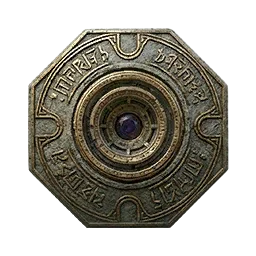
Special Ability Cores
Core | Effect | Equipment Slot |
|---|---|---|
Unleashes a forward wind blade that cuts through enemies | ||
Summons crows to attack enemies | ||
Emits a sonic shockwave that applies Confusion | ||
Fires scattered reed projectiles |
Stacking Effects
A common question among players is whether multiple special ability Abyss Gears can be active simultaneously. Testing has confirmed that certain powerful abilities do stack and can trigger at the same time, creating devastating combinations in combat.
Confirmed Stacking Combinations
Gear A | Gear B | Interaction |
|---|---|---|
Both proc simultaneously. Dark Crescent fires missiles from the weapon while Ancient Retribution calls projectiles from the sky. You can spam weapon skills and trigger both effects at once. |
This stacking behavior opens up powerful build options. By socketing multiple special ability gears onto the same weapon, you can create situations where a single attack combo triggers several bonus effects in quick succession. Experiment with different ability pairings on your primary weapons to find combinations that complement your playstyle.
Note that standard stat bonuses like Fortification (defense) have always stacked across armor pieces. The stacking of special ability gears (like Dark Crescent and Ancient Retribution) is a separate mechanic that applies to the triggered effects socketed into weapons.
Stacking Special Effects on Weapons
If you have multiple Abyss Gears that trigger on the same input (for example, two different special abilities that activate on R2/heavy attack), socketing them onto the same weapon allows both effects to fire simultaneously. This doubles up the triggered effects for maximum burst damage during a single heavy attack window.
For example, combining Dark Crescent and Ancient Retribution on the same weapon causes both projectile abilities to trigger at once during weapon skills. Rather than spreading special ability cores across multiple weapons (where only one weapon is active at a time), concentrating them on your primary weapon ensures you always have access to the full effect stack during combat.
Stamina and Spirit Cost of Effect Stacking
A critical consideration when stacking effect-adding gears (such as Crow's Pursuit or Greatsword Howling) on weapons is the escalating resource cost. Each additional effect gear added to a weapon increases both stamina and spirit consumption for attacks. At a certain point, stacking too many effect gears becomes counterproductive because you spend more resources per swing while losing equipment slots that could have held crit rate or raw damage bonuses instead.
The recommended approach is to limit effect gears to one or two per weapon and fill remaining slots with stat-boosting gears like critical rate, attack power, or Relentless for sustained damage output.
Attack Speed Analysis
Testing by the community has revealed that the difference between Level 0 and Level 15 Attack Speed is approximately 1 second faster across a full basic attack combo. While this sounds like a meaningful improvement, in practice it is one of the less impactful stats to stack when compared to Critical Rate or raw Attack.
Because of this relatively small real-world impact, Critical Hit Rate is generally the better investment for most builds. Stacking Insight cores (Critical Rate) on your weapons provides a more noticeable damage increase over sustained combat than the marginal animation speed-up from Swift or Gale cores. That said, Attack Speed is not worthless: faster attack animations also mean faster recovery, which can help with timing dodges and parries between swings. The ideal approach is to get a moderate amount of Attack Speed (around Level 5 to 8) from a combination of weapon innate stats and a single core, then invest remaining slots into Critical Rate or raw Attack.
Trigger Effect Scaling
Abyss Gears with unique activation effects (such as Crow's Pursuit, Ador's Orb, Wind Slash, and imbue skills) scale differently from stat-based gears. Their raw damage is not affected by the player's Attack stat from gears, accessories, or skill points. Instead, the damage scales based on the refinement level of the weapon in the player's hand when the effect triggers.
This means bonus Attack from socketed gears or from jewelry has no impact on trigger effect damage. Only the weapon's own refinement level matters for the base damage of the triggered effect. For imbue skills, the damage scales off whichever weapon is being held at the moment the imbue effect activates, even if the imbue gear itself is socketed into a different piece of equipment.
Scaling Factors for Trigger Effects
Factor | Affects Trigger Damage? | Details |
|---|---|---|
Weapon refinement level | Yes | Higher refinement = higher base damage for the triggered effect |
Critical hits | Yes | Trigger effects can crit; they have their own crit rate mechanics |
Bane gears | Yes | Generic damage increases like Beast Bane apply to trigger effect damage |
Indirect | Faster attacks mean more frequent triggers, increasing damage over time | |
Attack stat (from gears/accessories) | No | Bonus Attack from socketed gears or jewelry does not affect trigger damage |
Attack stat (from skill tree) | No | Skill point investment in Attack does not scale trigger effects |
Because Bane gears provide a generic damage increase that applies to all damage sources (including trigger effects), they are one of the best ways to scale Abyss Gear trigger damage. Pairing trigger effect gears with the appropriate Bane type for the target enemy produces a noticeable damage boost on the triggered abilities.
The fact that trigger effects can crit also makes Critical Rate a valuable stat for trigger-heavy builds. Stacking Critical Rate through accessories, weapons, and Shatter/Rend/Shred gears increases both your weapon damage crits and your trigger effect crits.
Build Recommendations
Melee DPS Build
Slot | Details |
|---|---|
Weapon: | |
Maximize attack power and attack speed. Vigor keeps your stamina flowing for aggressive combos. |
Tank/Survival Build
Slot | Details |
|---|---|
Weapon: | |
Fortification I (stacked on all pieces) + Aegis I + Breath of Life I | |
Shield: | |
Stack Defense through Fortification cores on every armor and shield slot. Fortification cores stack, meaning you can reach 9+ Defense across all pieces. |
Explorer/Utility Build
Slot | Details |
|---|---|
Weapon: | |
Haste I + Gourmet III + Frostward I (for Pailune) | |
Movement speed, food efficiency, and environmental resistance. Use special ability cores for combat flexibility without investing in raw stats. |
Weapons with Built-In Secondary Stats
Some weapons in the game come with secondary stats built directly into them at a slight reduction to their maximum base damage (usually around 4 points less Attack than the strongest variant in that weapon class). These secondary stats can include Attack Speed, Critical Hit Rate, or other bonuses that would normally require an Abyss Gear slot.
In effect, these weapons give you a free passive bonus at the cost of a small amount of base damage. This trade-off is often worth it, especially for builds that are already stacking the same stat through Abyss Gears. A weapon with built-in Critical Rate Level 3 paired with three Insight cores can reach very high crit levels without sacrificing all weapon slots to a single stat. When evaluating weapons, do not dismiss those with slightly lower Attack if they bring a useful secondary stat.
Notable Gear Combinations
Certain Abyss Gears work together in powerful ways that can define an entire build. The following combinations have been tested by the community and offer significant advantages in specific playstyles.
Infinite Arrows (100% Arrow Conservation)
The Infinite Arrows II gear provides a 40% chance to not consume arrows when firing a bow. Infinite Arrows III provides a 60% chance. When both are equipped together on a ranged weapon, the combined 100% chance means the player never consumes an arrow, including special ammunition like Explosive Arrows and Poison Arrows. This effectively gives the player unlimited ammunition of any type.
There is also a Greater Infinite Arrows variant that provides 100% arrow conservation in a single gear slot. However, because Greater gears have durability, this version breaks after approximately 100 shots. The two-gear combination of Infinite Arrows II and III is permanent and does not degrade, making it the preferred setup for sustained use.
Infinite Arrows II is a guaranteed reward from the Queen of the Skies faction quest in Pailune, which becomes available after completing Chapter 7 and the first quest of Chapter 8. Infinite Arrows III must be obtained through Special Synthesis RNG rolling at a Witch workshop (see the synthesis strategy section below).
Element Imbue Builds
Element imbue gears activate when using imbued attacks, adding elemental damage to weapon strikes. Fire element imbue is considered the strongest option because of Volcanic Eruption, which triggers a powerful AoE fire effect on imbued strikes. Volcanic Eruption comes from a pair of gloves found in a waterfall cave, while Flames of Judgment drops during Chapter 8 of the main story.
When combined with the Infinite Arrows setup on a bow, element imbue gears allow players to fire unlimited imbued arrows. Each focus charge shot can be automatically imbued with the active element for as long as the player has Spirit, resulting in massive burst damage that can defeat most bosses in a single combo.
Spirit and Stamina Siphon
Spirit Siphon generates Spirit on each successful attack, while Stamina Siphon restores Stamina. Both are valuable for builds that rely on extended combo sequences, Spirit-consuming abilities, or Evasive Shot spam. For bow builds in particular, Spirit Siphon keeps the Spirit bar topped up for imbued charge shots, while Stamina Siphon reduces downtime between evasive shot chains.
Recommended Slot Allocation for Bow Builds
Slot | Gear | Reason |
|---|---|---|
Bow Slot 1 | 40% chance to not consume arrows | |
Bow Slot 2 | 60% chance to not consume arrows (total 100%) | |
Bow Slot 3 | Highest Critical Rate available | Maximizes burst damage per shot |
Bow Slot 4 | Stamina Siphon | Recovers stamina for evasive shot chains |
Bow Slot 5 | Spirit Siphon | Recovers spirit for imbued charge shots |
Element Imbue gears (e.g., Volcanic Eruption) | Adds elemental damage to imbued attacks | |
Gloves/Boots | Attack Speed gears | Global stat that applies to all weapons including bows |
Frost Hold Pass: Best Disarm Farming Spot
The Frost Hold Pass area near the Spire of Frost in Pailune is the premier location for shield bash farming. The frost knights stationed here carry pre-equipped abyss weapons that drop two distinct items when disarmed: the Frozen Soul one-handed weapon and the Frostborn Shield. These two items are particularly valuable because their extraction results pair perfectly for synthesis.
Dropped Item | Type | Extraction Result | Synthesis Slot |
|---|---|---|---|
One-Handed Weapon | Malicious Bane | First slot | |
Frostborn Shield | Shield | Guard Stamina | Second slot |
These two gears occupy separate synthesis slots (one in each), which means you can combine them directly at any Witch without needing to farm additional materials. This makes Frost Hold Pass the most efficient single-location farming spot for synthesis-ready abyss gears.
Farming strategy: Do not clear the camp completely. Disarm the frost knights to knock their weapons and shields loose, let your dog or companion retrieve the dropped items, then leave the area. Fast travel away and return to reset the enemies with fresh equipment. Because you never kill or liberate the camp, the frost knights respawn indefinitely with their abyss gear intact.
This method becomes available around Chapter 5 or Chapter 6 when you first reach the Pailune region. A single 20-minute session can yield enough tier 1 gears for a full batch of 20 synthesis attempts.
Abyss Cell Farming
Crafting Abyss Gears requires Abyss Cells as a primary material. While Abyss Cells can be obtained from various enemies and chests throughout Pywel, dedicated farming locations provide a much faster supply for players who want to craft and synthesize in bulk.
Drake's Fall Castle
Drake's Fall Castle is the best known farming location for Abyss Cells. The castle is located southeast of Pailune, just north of the Queen Spider fight area. The area is filled with Bismuth Oreback Crabs, which drop bismuth ore, Abyss Cells, and occasionally Abyss Gears when killed.
The crabs in this area follow an infinite respawn pattern. After clearing a group, leaving the area and returning causes them to respawn. This creates a repeatable loop for gathering large quantities of Abyss Cells in a short time. Expect roughly 6 to 10 cells per full clear of the area.
Farming Strategy
Leave some crabs alive. When farming, do not kill every crab in the area. Leave the large crab and a few small ones alive. If you clear the area completely, Hernand soldiers may move in and occupy the location, which prevents the crabs from respawning.
Save before each clear. Create a manual save before starting each farming run. If you accidentally kill too many crabs and trigger the soldier occupation, you can reload and try again.
Watch your AoE. Be careful with area-of-effect attacks. Abilities like Volcanic Eruption or wide sword swings can hit crabs you intended to leave alive. Use single-target attacks or ranged picks to control which enemies you kill.
Soldier recovery. If soldiers do move in, wait 3 to 4 in-game days for them to leave. The fastest way to skip time is sleeping in your home or at a nearby camp.
The castle also has an Abyss Nexus inside it, which makes it a convenient location for saving and fast traveling between farming runs.
Blueprint Farming via Expeditions
Abyss gear blueprints can be obtained from multiple ruins and dig sites through the dispatch missions system. Notable expedition locations that drop blueprints include Reachwood near Porin, Vheim in Pailune, Time Worn Ruins, and at least five other dig sites.
Send your Greymane workers to all available expedition dispatches simultaneously. When less than 12 hours remain on any expedition, create a manual save, then sleep for 12 hours to complete them. Check all expedition rewards: if a blueprint drops, keep the result. If not, reload the save and try again. This method can yield up to 3 blueprints from just one or two expeditions in a single cycle, making it the most efficient way to build your blueprint collection.
Tips
Installation and extraction of Abyss Gears is free. Only socket creation costs silver. Feel free to swap cores between equipment as often as needed.
Fortification I cores stack across all armor and shield slots. This is the most efficient way to build defense.
Elemental resistance cores (Frostward, Shockward) scale to Lv. 5 and become very effective at higher levels. Prioritize them for region-specific challenges.
Two-handed and ranged weapons have 5 sockets each, offering the most room for customization. One-handed weapons have only 3.
Visit Elowen rather than Sylvia when possible. Elowen provides all of Sylvia's services plus crafting and purchasing options.
Some Sealed Abyss Artifacts contain Abyss Cores as rewards. Completing Ancient Ruins puzzles is a reliable source of cores in the early game.
The best Abyss Cores article has detailed rankings and tier lists for late-game optimization.
Offensive cores belong on weapons only. Attack, crit rate, and attack speed bonuses from Abyss Gears only apply when the socketed weapon is actively held. Socketing these onto armor is a waste.
Gloves and boots are defense slots for most builds. Attack bonuses on gloves only activate during unarmed combat. Attack bonuses on boots only activate when kicking. Unless you are running a specialized unarmed or kick-focused build, always socket defense on these pieces.
Extract gears from every item you find. Visit a Witch regularly and extract all pre-installed gears from loot drops. Even Level 1 cores add up quickly and can be fused into higher-level versions.
Save before Special Synthesis. Since Greater variants have only a 4% drop rate, saving before each Special Synthesis attempt lets you reload and retry without losing materials.
Unlocking 5 slots costs 105 silver total. Budget your silver carefully. Prioritize unlocking slots on your main weapon first, then body armor.
Different Witches sell different blueprints. Check multiple Witch merchants across Pywel to find the blueprint you need for your desired Abyss Gear.
Attack Speed from gloves and boots is a global stat. Unlike Attack or Critical Rate, Attack Speed gears socketed into gloves and boots affect all weapons, not just unarmed combat. This makes glove and boot slots the best place for Attack Speed gears in any build.
Farm Abyss Cells at Drake's Fall Castle. The Bismuth Oreback Crabs at Drake's Fall Castle drop Abyss Cells reliably and respawn infinitely. Save before each clear and leave some crabs alive to prevent soldiers from occupying the area.
Combine Infinite Arrows II and III for permanent unlimited ammo. The 40% from Infinite Arrows II plus 60% from Infinite Arrows III gives 100% chance to not consume arrows, including special arrow types. This is better than the Greater variant, which has durability.
Accessory critical rate counts doubly on the stat screen. Each point of critical rate from necklaces and rings is displayed as two points on your character stats. Plan your crit stacking with this in mind.
Related Articles
Abyss Gear
Abyss Cores
Best Abyss Cores
Equipment
Sealed Abyss Artifacts
Weapons
Armor
Community Tier List Standouts (Ranked Breakdown)
A community-published tier list of every Abyss Gear scores each gear out of 30 across three axes (damage, usability, utility, each rated to 10). Scores of 25 and above are S tier, 20 to 24 are A tier, 15 to 19 are B tier, 10 to 14 are C tier, 5 to 9 are D tier, and below 5 are F tier. The full per-gear ratings are folded into each individual gear article on this wiki under the Community Tier List Rating section.
The standout S tier gears (consistently rated 25+/30) that the community singles out as must-have picks for an optimized Best Abyss Gears Guide loadout are:
Greysoul Howling (S tier, 27/30) for turning slash, large AoE one-shot follow-up.
Hounds Claws (S tier, 26/30) for sprinting light attack, centered AoE that hits hard.
Lightning God's Affliction (S tier, 25/30) for parry, hard hitting knockback.
Spirit's Judgment (S tier, 26/30) for dodge attack, large AoE with consistent boss damage.
Parting Gift (S tier, 28/30) for boots slot, drops bombs after dodging hits.
Putrid Touch (S tier, 25/30) for glove heavy attack, more consistent than Colossal Might.
Shattering Frost (S tier, 26/30) for frost element, huge AoE that freezes enemies.
Notable A tier picks called out include Volcanic Eruption (24/30) for fire element, Colossal Might (24/30) for glove heavy attack as a partner to Putrid Touch, and The Showstopper (22/30) for the glove combo finisher slot. The community summary also flags the entire lightning element gear category (Storm Fang at F tier, Orbs of Lightning at D tier) and the wind element category as underwhelming relative to fire and frost.
Element-Specific Abyss Gear Rankings
Most of the Abyss Gear roster works with any active element (for example Aptitude or Blessing of Nature), but a sizable subset only activates when the matching elemental imbue is selected. Those element-gated gears are what actually decide the elemental tier list. A quick scorecard follows, based on community combat testing.
Fire (S plus tier). Pair with Flames of Judgment and Volcanic Eruption. Flames of Judgment sends sparks that deal additional damage on every imbued hit; Volcanic Eruption shatters a molten boulder that detonates nearby enemies. Together they obliterate mob groups and juggle bosses through poise damage. These two gears would appear on most top-five lists of Abyss Gears overall.
Ice (A tier). Pair with Frost Hail and Shattering Frost. Frost Hail rains down a barrage of ice that deals splash damage and procs freeze on trash and elites. Shattering Frost triggers a delayed burst at the target. Mob freeze is strong, bosses resist freeze entirely, and damage overall lags fire. The element is saved from B tier by the Frost Mantle parry.
Wind (C tier). Pair with Pillar of Wind and Ancient Reckoning. Pillar of Wind creates an updraft for vertical traversal but does not produce the tornado-style crowd control damage players expect. Wind is only ranked this high because Storm Veil (a cross-element skill) is excellent. As an active imbue for damage, wind is the weakest of the four.
Lightning (B tier for mobs, C for bosses). Pair with Orbs of Lightning and Storm Fang. Storm Fang sends chain-lightning bolts that stun multiple enemies and is the main reason to run lightning. Orbs of Lightning look impressive but the orbs have no tracking and mostly drop harmlessly to the ground. Lightning stuns rarely proc on bosses, so bosses see almost no benefit.
Generic (non-element) Abyss Gears like Spirit Siphon, Stamina Siphon, and the community-favourite Greysoul Howling work regardless of imbue, so they remain priority targets no matter which element a build uses.
Fire Pair Recommendation
For any build focused on clearing mobs, juggling bosses, or maximizing raw damage, the fire pair is the default recommendation. This is the configuration that content creators run in nearly every Crimson Desert build video, because the numbers are simply ahead of every other element.
Active imbue: Fire Element (unlocked via the Spire of the Sun and the Abyss branch beyond it).
Primary element gear: Flames of Judgment. Adds sparks of flame on every imbued attack. Stack it in a gloves or boots socket for consistent uptime.
Secondary element gear: Volcanic Eruption. Shatters a molten boulder on imbued hits. Sourced from the Scorch Flame Gloves in the waterfall cave near the Tea of Rivers east of Hernand.
Skill: Flame Strike. Low Spirit cost, spammable hadukan-style projectile. Ideal opener, filler, and finisher for mob clears and boss staggers.
Weapon: Darkbringer for the crit rate Lv. 3 passive and its tracking orbs. A fire-imbued Turning Slash from Darkbringer crits for massive AoE damage and layers well with Volcanic Eruption.
Spirit sustain: Spirit Siphon regenerates Spirit as you deal damage, offsetting the Spirit cost of Volcanic Eruption procs and allowing near-infinite Imbue Element uptime.
Optional: Leather Helm of the Fallen Kingdom for a 35% Turning Slash damage bonus. Drops from the Drake's Fall Castle armor chain.
Cross-element override: Keep Frost Mantle and Storm Veil on the skill bar even when running the fire pair. Both trigger regardless of the active imbue, so the fire build does not lose the ice parry or the wind smoke cloud.
This configuration is sometimes called the Volcano Mage build in community guides. It is the reason content creators tend to agree that Crimson Desert is running without a meaningful balance pass: fire is so far ahead of the other elements that unlocking it is less of an upgrade and more of a game-changing transformation.
Patch 1.04.00 Update
Patch 1.04.00 fixed the long-running issue where Greater Abyss Gear could not be sold to vendors, leaving end-game players with stockpiles of duplicate Greater pieces and no way to clear them. Greater Abyss Gear can now be sold like other equipment, freeing inventory space and giving back a small refund of in-game currency. The patch also corrected enhancement materials to match the equipment type they were meant to upgrade, removing cases where the wrong material would be requested for a given Abyss Gear piece. See Patch 1.04.00 for the full bug-fix list.
Patch 2.01.00 Update
Patch 2.01.00 on September 4, 2026 fixed an issue where the bottom UI disappeared if the player chose "Select" while tab-switching during an Abyss Gear equip or remove action. The interface no longer drops out when tabs are changed part way through.