

Overview
Hunting is one of several life skills in Crimson Desert, providing a gameplay loop centered on stalking and killing wildlife across Pywel. The system uses bows for ranged kills, ghillie suits for camouflage, and stealth mechanics to approach wary animals without being detected. Successful hunts yield meat and fur for cookingbody parts for equipment enhancement, and raw materials for crafting. Like all life skills in Crimson Desert hunting is entirely optional. Engaging with it provides tangible benefits including better gearcooking buffs, and access to rare materialsbut it is not mandatory for story progression.

How Hunting Works
Crimson Desert uses a Valheim-style active gathering model where resource collection requires physical interaction rather than simple button presses. For hunting, players equip a bow and physically track, stalk, and shoot wildlife. The Crafting Guide describes it as: "Take out your bow to hunt the wildlife for meat and fur." Some wildlife is described as elusive, requiring careful approach to avoid detection.
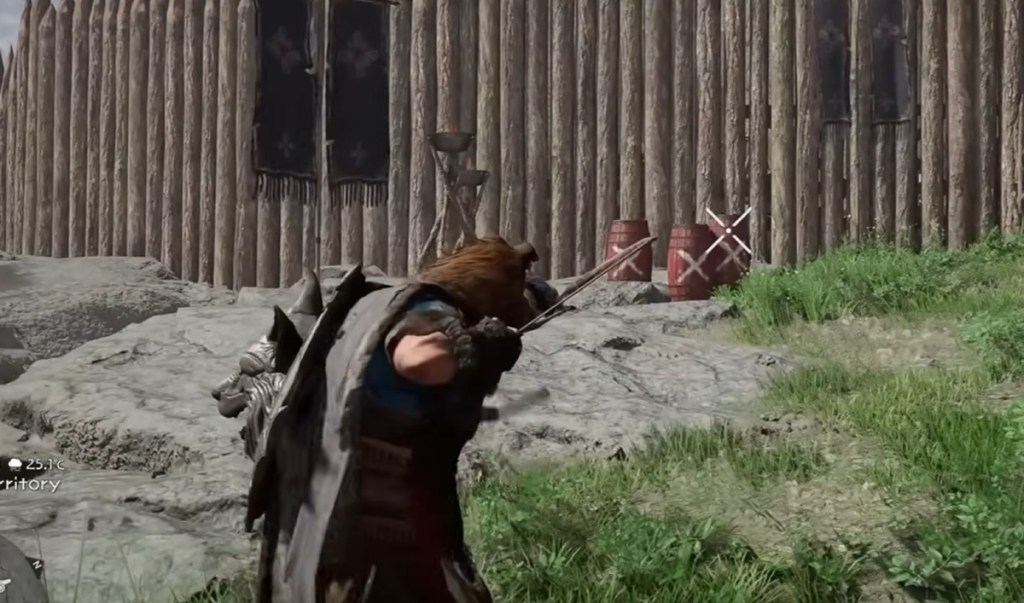
Unlike some life skillshunting does not require the Observation mechanic. You can begin hunting wildlife as soon as you have a bow equipped. Hunting is described as "a knowledge that will play a important role to you and your clan's survival," and it is most effective when you understand the stealth mechanics and know which animals to prioritize.
The basic hunting loop follows a straightforward pattern: spot wildlife in the open world, equip your bow and approach carefully, land a clean shot (headshots deal bonus damage and can kill smaller animals instantly), then approach the carcass and interact with it to skin the animal and collect the dropped materials.
Stealth and Camouflage
Hunting involves wearing ghillie suits for camouflage and using bows to track wildlife. Players use stealth gear to avoid detection while approaching prey. Armor stats specifically support these activities, with bonuses for stealth or resource gathering available on certain equipment pieces. The stealth component transforms hunting from a simple ranged combat exercise into a methodical activity where patience and positioning determine success.
Approaching animals requires moving carefully to avoid alerting them. Rushing toward prey or making noise causes animals to flee. The ghillie suit breaks up the player's silhouette and reduces detection chance, letting hunters get within effective bow range before taking a shot.
Animals have detection ranges and will flee if they spot or hear the player. Approach from downwind when possible, and use terrain features like bushes, rocks, and ridgelines to break line of sight. Large predators like bears and wolves will fight back rather than flee, so keep a melee weapon ready as a backup when hunting dangerous animals.
The Bow
Bows are the primary weapon for hunting. The bow is part of Kliff's basic combat kit alongside his sword and shield, described as "the traditional, fast, hard-hitting ranged weapon" with "some form of slow-motion to land precise shots." Switching from melee weapons to the bow takes approximately three seconds, requiring committed timing during combat situations.
On horseback, archery becomes significantly more powerful with "generous autolock" capabilities, described in one preview as "borderline legalised cheating." While horseback archery is confirmed for combatno source has specifically confirmed using it for hunting wildlife, though the mechanic would work the same way.
The bow appears to be classified as a main weapon rather than a gathering tool. Since main combat weapons do not break or degrade in Crimson Desert (only gathering tools like pickaxes and wood-cutting axes have durability), the bow likely does not degrade with use.
Wildlife of Pywel
Pywel hosts a diverse ecosystem of wildlife. Hands-on previews have confirmed several animal types visible in the open world. Animals behave naturally: they do not visibly spawn or despawn, and they appear to belong organically to their environment. One reviewer noted: "Running along a road, you're bound to see rabbits, antelopes, and more scurrying by. I never saw them spawn or despawn; they seemed to belong."
Animal | Source | Notes |
|---|---|---|
Rabbits | Well-Played hands-on preview | Seen running along roads in the open world |
Antelopes | Well-Played hands-on preview | Observed alongside rabbits as part of the living ecosystem |
Frogs | gameplay breakdown | Seen hopping about during explorationuseful for alchemy ingredients |
Chickens | gameplay breakdown | Can be stolen as an environmental interaction |
Butterflies | hands-on preview | Can be collected and stored in inventory |
Rats | hands-on preview | Can be collected and stored in inventory |
Cats | Press-Start hands-on preview | A named cat "Felix" exists; confirmed non-huntable (cannot be shot with bow) |
Farm animals including cows, pigs, goats, and chickens can be raised at the Greymane Camp for cooking and crafting materials. One preview showed Kliff hoisting a pig onto his shoulders to move it to another plot. These farm animals are raised rather than hunted.
Where to Find Animals by Region
Wildlife is distributed across Pywel's regions based on the environment and terrain. Knowing where specific animals spawn saves time when farming particular materials or working toward the meat knowledge life challenge.
Region | Common Animals | Notes |
|---|---|---|
Stonebrew Valley | Deer, rabbits, boars | Excellent starting area for hunting; dense animal spawns near grasslands |
Windcry Plateau | Antelopes, eagles, wolves | Open terrain makes bow hunting easy; wolves appear at dusk |
Forest regions | Deer, elk, bears, pheasants | Dense tree cover requires stealth approach; bears in deeper woods |
Mountain slopes | Mountain goats, wolves, bears | Steep terrain; predators more common at higher elevations |
Coastal areas | Rabbits, seabirds, crabs | Small animals mostly; combine with fishing trips for efficiency |
Near Unicorn Cliff | Deer, wolves, exotic predators | Location of Mud Ridge Cabin (Goblin King's Treasure Dagger) |
Animals respawn after a set period, so revisiting productive hunting grounds on a regular loop is the most efficient way to farm specific materials. Fast travel points near these regions allow you to chain multiple hunting runs without spending excessive time on travel.
Detailed Drops by Animal
Different animal types drop different categories of materials. The following table lists all confirmed huntable animal types, the materials they yield when skinned, and the regions where they are commonly found.
Animal | Drops | Common Locations |
|---|---|---|
Meat Long Hair Hide, Large Bone, Fang | Woodlands throughout Pywel. Common near camps. | |
Meat Thick Hide, Large Bone, Fang | Mountainous and forested areas. Aggressive. | |
Forest of Wolves (Hernand), mountain passes. Aggressive. | ||
Moose | Meat Short Hair Hide, Large Bone | Cold mountainous areas, particularly the Pailune region mountains. |
Grasslands and woodland edges across multiple regions. | ||
Sheep/Goat | Meat Short Hair Hide | Rolling hills and farmland near settlements. |
Meat Short Hair Hide, Large Bone | Pastures near towns and ranches. | |
Rhino | Northern Crimson Desert region. Always spawns near a specific fast travel point. | |
Far north of the Crimson Desert region. Reliable Large Bone source. | ||
Crocodile | Riverbanks and swamps. Aggressive. | |
Pheasant/Bird | Fields and woodland clearings. Must be caught alive for one challenge. |
Material Yields
Successful hunts provide several categories of useful resources.
Resource Type | Use |
|---|---|
Meat | |
Fur and Hides | Crafting materials for equipment at blacksmith stations |
Body Parts | Equipment enhancement materials. Players can "hunt any wildlife found in the land of Pywel and acquire their body parts to enhance your equipment" |
Alchemy Ingredients | Flowers and insects gathered alongside hunting feed into alchemy for medicines, potions, and dyes |
Hide for Armor Refinement
Hide is one of the most important materials obtained from hunting, and its value goes well beyond basic crafting. Hide is essential for refining cloth armor pieces at blacksmiths. Every cloth armor refinement recipe requires hide as a core ingredient, making it a bottleneck resource for players pursuing light armor builds. The full Dark Ring Leader set one of the strongest cloth armor sets in the game, demands a significant amount of hide to refine each piece to its maximum potential. Other cloth armor sets follow the same pattern, so hunters who stockpile hide early will save themselves a lot of backtracking later.
Because cloth armor refinement consumes large quantities of hide, dedicated hunting runs become necessary for anyone focused on armor progression. Even players who primarily use heavy armor will need hide for certain mixed sets and for upgrading secondary cloth pieces that offer utility bonuses like increased stamina recovery or spirit regeneration.

Cooking with Hunted Materials
Hunting ingredients feed directly into the cooking system. Meals cooked at bonfires (found throughout the open world) or at the camp provide health, spiritand stamina buffs. Recipes can be obtained through exploration or purchased from merchants. Players can also buy prepared meals directly from merchants as an alternative to cooking.
The Locations page notes that "hunting ingredients needed for cooking will allow you to learn new recipesand prepare sumptuous meals that can replenish your health." This suggests that gathering specific ingredients through hunting unlocks new cooking recipes creating an incentive loop between hunting and cooking.
Meat Types and Recipes
Different animals yield different types of meat, and each meat type is used in specific cooking recipes. Knowing which animals drop which meat is important for players who want to cook particular meals for their stat buffs. The primary meat types obtainable through hunting include the following:
Meat Type | Source Animals | Cooking Use |
|---|---|---|
Venison | Deer, elk | High-quality meals with health and stamina buffs |
Rabbit Meat | Rabbits | Light meals and stews, common recipe ingredient |
Boar Meat | Wild boars | Hearty meals with defense buffs |
Poultry | Chickens, pheasants | Basic meals, widely used in early recipes |
Predator Meat | Bears, wolves, lions | Rare recipes with powerful combat buffs |
Acquiring knowledge of all meat types is one of the life challenges in Crimson Desert. The life challenge system tracks various milestones across your playthrough, and obtaining every type of meat at least once counts toward completion. Players aiming for full life challenge completion should make a point of hunting every animal species they encounter, even ones whose meat they do not immediately need. The challenge reward makes the effort worthwhile for completionists.
Hunting Gear and Equipment
Hunted materials feed into the equipment upgrade pipeline. Blacksmiths and upgrade NPCs scattered across Pywel let players enhance weapons and armor with materials gathered from mining, hunting, and combat. Materials from hunting are listed alongside mining and gathering as adding to "crafting and equipment enhancement" in official Pearl Abyss press materials.
Goblin King's Treasure Dagger
The Goblin King's Treasure Dagger is a skinning tool that grants a 10% chance to obtain extra hide whenever you skin a hunted animal. This bonus stacks with other hide-boosting effects and makes a noticeable difference during extended hunting sessions. The dagger is found at the Mud Ridge Cabin, a small structure located near Unicorn Cliff. The cabin itself is easy to miss since it sits off the main path, so players should look for it specifically when exploring that area.
Equipping the Goblin King's Treasure Dagger before skinning is all you need to do. The extra hide chance triggers automatically on each skinning action. Over the course of a full hunting session targeting deer or wolves, the 10% bonus can add up to several extra hides, which saves a meaningful amount of time compared to running another loop of the same hunting route.
Blessing of the Beast 3 Abyss Gear
For players who want to maximize their hide yield even further, the Blessing of the Beast 3 abyss gear property provides a 30% chance to skin additional hide from each animal. This is one of the strongest life skill bonuses available on abyss equipment and makes a dramatic difference in how quickly you can stockpile hide for armor refinement. When combined with the Goblin King's Treasure Dagger, your effective hide per kill increases substantially, turning what would normally be a two-hour farming session into something much shorter.
Blessing of the Beast 3 appears on certain abyss armor pieces. Because abyss gear properties are randomized, obtaining this specific bonus may require some luck or targeted farming of abyss encounters. Once you have it, however, swapping to the piece before skinning (similar to how you swap the Goblin King's Treasure Dagger) ensures you get the maximum possible yield from every hunt.
Using Elemental Attacks for Hunting
Elemental attacks can be used against wildlife just as they can against human enemies and monsters. Among the available elementslightning is particularly effective for hunting. Lightning-infused attacks deal high burst damage and can stun or kill animals in a single hit if your weapon is sufficiently upgraded. The stun effect is especially useful against fast-moving prey like deer and antelopes that would otherwise flee before you can line up a second bow shot. A well-timed lightning strike eliminates the animal instantly without the need for stealth or careful positioning.
While using elemental attacks for hunting consumes spiritthe trade-off is worthwhile when you need to clear animals quickly or when you encounter a predator in an inconvenient location. Lightning is considered "fantastic" for hunting because of its combination of instant damage and the stun window it creates. Other elements work as well, but lightning's speed advantage makes it the go-to choice for efficient farming runs where you want to minimize time spent per kill.
Exotic Animals and Mounting
Not all wildlife in Pywel is limited to prey animals. The world contains exotic and predatory creatures that interact with the hunting system in unique ways. Bears and lions are among the most dangerous animals you will encounter in the wild, and they fight back aggressively when provoked. Killing these predators yields rare materials and hides that cannot be obtained from passive animals like deer or rabbits.
Mountable Wildlife
One of the most distinctive features of Crimson Desert's wildlife system is the ability to temporarily ride exotic animals like bears and lions. To do this, attack the animal until it becomes stunned (its health bar will flash and it will stagger in place). When the animal is in this stunned state, a mount prompt appears. Interacting with the prompt lets Kliff climb onto the animal and ride it for a short period. While mounted on a bear or lion, you can use the animal to attack enemies or simply cover ground quickly. The mount is temporary; the animal will eventually throw you off. This mechanic adds a layer of emergent gameplay to hunting encounters, since stumbling across a bear during an enemy fight creates an opportunity to turn the predator into a weapon.
Hide as Currency and Trust Gifts
Beyond crafting, hide is an easy and reliable source of silver. All hide types can be sold to general goods merchants for a fair price, and because hunting is one of the earliest and most accessible gathering activities, selling surplus hide is a solid way to fund your early game purchases. Other hunting byproducts like meat (when you have more than you need for cooking) and body parts that you do not currently need for upgrades can also be sold. For players looking for a straightforward silver farming method, running a hunting loop through animal-dense regions and selling everything you do not need will keep your wallet full without any complex market strategies.
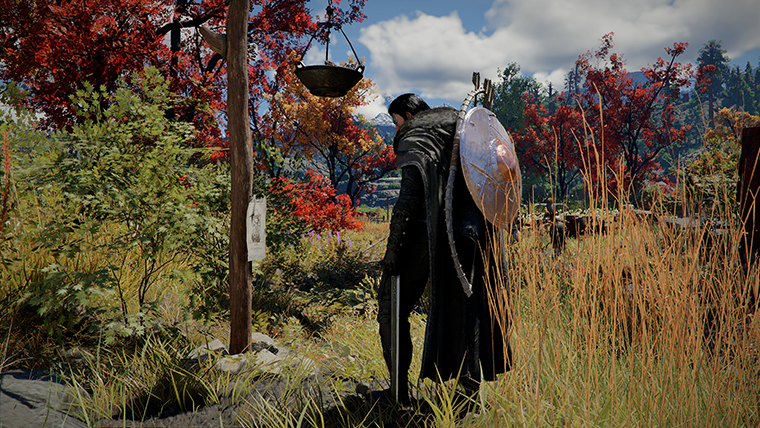
Hide as Trust Gifts
Hide also plays a surprisingly useful role in the NPC Trust System. All equipment vendors throughout Pywel accept hide as a trust gift, making it one of the easiest and most universally accepted gift items in the game. Giving hide to vendors increases your trust level with them, which eventually unlocks access to better equipment, discounted prices, and exclusive stock. Because every equipment vendor accepts hide, you do not need to figure out which NPCs want which items. Simply hunt, collect hide, and gift it to whichever vendor you want to build trust with. This makes hide farming a dual-purpose activity: you gather materials for your own armor refinement while simultaneously building relationships with merchants across the map.
Related Life Skills
Hunting is part of an interconnected life skill ecosystem where each activity feeds resources into shared crafting and camp systems.
Skill | Connection |
|---|---|
Provides wood for camp construction and tool crafting | |
Provides ores that combine with hunted materials for equipment at blacksmiths | |
Provides fish for cooking; learned through the same observation system | |
Camp plots at Greymane Camp produce additional cooking and crafting ingredients | |
Alchemy | Uses flowers and insects to produce medicines and dyes |
Uses hunted meat and other ingredients to create meals with stat buffs |
Legendary Animals
Crimson Desert has a set of legendary animals that are significantly stronger and rarer than their normal counterparts. Hunting them is required for the final hunting challenge, "The End of Myth."
Black Fang The Legendary Wolf
The most important legendary animal to hunt first is Black Fangthe legendary wolf found in the Forest of Wolves in the Hernand region. Killing Black Fang drops Leebur's Soul, a key item that permanently reveals the locations of all other legendary animals on your map. You can find and fight Black Fang at any point in the game without needing a specific quest.
Other Legendary Animals
After obtaining Leebur's Soul from Black Fang, the following legendary animals appear on your map:
Legendary Animal | Notes |
|---|---|
A legendary wolf variant. Required for The End of Myth challenge. | |
A massive albino bear. Required for The End of Myth challenge. | |
White-Scaled Crocodile | An enormous reptile. Required for The End of Myth challenge. |
White Bison | A rare albino bison. Required for The End of Myth challenge. |
Alternative Discovery Method
If Black Fang proves too difficult early in the game, you can also discover legendary animal locations by increasing your trust level with merchants and purchasing sighting documents from them. Reading these documents reveals lore about the creature and marks its location on your map.
All 11 Hunting Challenges
Completing all 11 hunting challenges unlocks the Ultimate Hunter trophy/achievement. Each challenge requires finding its corresponding Sealed Abyss Artifact before any progress counts. The following table lists all known challenges.
# | Challenge Name | Objective | Artifact Location |
|---|---|---|---|
1 | Carry 5 live birds (pick up with the interact button; each must be a different species). | Northwest of Karin Quarry Rest AreaHernand region. | |
2 | Hunter's Basics | Kill a set number of animals using standard hunting techniques. | Located in the Hernand wilderness. |
3 | Silent Predator | Kill animals without being detected (stealth kills). | Found in the Demeniss region. |
4 | The Patient Stalker | Complete timed hunting objectives. | Found in the Hernand region. |
5 | When Animals Die | Obtain all 5 hide types through skinning: Thin HideThick HideSturdy HideShort Hair Hide, Long Hair Hide. | Southeast of Duskway Camp Ironcrawler Station. |
6 | Big Game Hunter | Hunt large animals (bears, rhinos, elephants). | Found in the Crimson Desert region. |
7 | Pack Leader's Bane | Hunt wolves in specific conditions. | Found in the Hernand region. |
8 | Mountain Pursuer | Hunt animals in mountainous terrain. | Found in the Pailune region. |
9 | Wetland Stalker | Hunt crocodiles and other swamp creatures. | Found near river areas. |
10 | The End of Myth | Hunt and skin Silver Fang, White Bear, White-Scaled Crocodile, and White Bison. | Northeast of Saltroad Hearth. |
11 | Master of the Wild | Complete a final comprehensive hunting challenge. | Found after completing several other hunting challenges. |
Each completed challenge rewards 1 Abyss Artifact (used as skill points) and sometimes additional items. Challenge 5 rewards a Blessing of the Beast I buff, and Challenge 10 rewards the Greater Beastbane accessory.
Hunting Tips
Tip | Details |
|---|---|
Farm deer for meat early. | Groups of deer in forests provide 3 to 4 meat each. Cooking this into meals is critical since there is no passive health regeneration. |
Visit rhinos for Large Bone. | Rhinos in the northern Crimson Desert region always spawn near a specific fast travel point and reliably drop Large Bone. |
Use the bow for efficiency. | Bows allow you to kill animals from a distance before they flee. Upgrade your bow damage for cleaner kills. |
Equip stealth armor. | Some armor pieces reduce your detection radius, making it easier to approach skittish prey like deer and foxes. |
Hunt at dawn and dusk. | Some animals are more active during transitional periods of the day. |
Prioritize artifacts. | Before you start grinding any hunting challenge, make sure you have found its corresponding Sealed Abyss Artifact. Progress does not count retroactively. |
Stock up before long journeys. | Hunting along travel routes keeps your meat supply topped up. Cook meals at camp to maintain a buffer of healing items. |