

Overview
Crimson Desert has a diverse array of weapons across its three playable characters. Each character has access to different melee and ranged options, and the equipment wheel allows instant switching between two equipped weapons mid-combo. Boss weapons carry unique Signature Abilities that change how a weapon plays. For armor and weight classes, see Armor. For shields and defensive play, see Defense. For refinement, augments, and other shared systems, see Equipment.
Weapon Categories
Crimson Desert organizes its weapons into six main categories. The table below summarizes each category, the number of distinct weapons it contains, the Core Slots available for that class, and which playable characters can equip them.
Weapon Count | Core Slots | Characters | |
|---|---|---|---|
144+ | 3 | ||
196+ | 5 | ||
21 | Varies | ||
13 | 3 | ||
64+ | Varies | ||
1 | 5 |
Melee Weapons
Crimson Desert offers a wide range of melee weapon types, each with a distinct moveset, range, and speed profile. Kliff has access to the full melee roster, while Damiane and Oongka have character-specific selections. See Melee Weapons for detailed movesets.
Weapon | Speed | Range | Description |
|---|---|---|---|
Medium | Short | Balanced starting weapon. Ideal for parries, ripostes, and defensive play. Shield can block most attacks. | |
Slow | Medium | Heavy two-handed blade with concentrated strikes. Focused on singular targets or lines directly ahead. | |
Fast | Long | Rapid thrusting attacks with excellent reach. Keeps singular enemies at bay. Good for maintaining distance. | |
Two-Handed Longsword | Medium | Medium | Splits the difference between one-handed swords and greatswords. Fast, wide-arcing sweeps. |
Fast | Short | Brutal wide arcs that slice through crowds with a single swing. | |
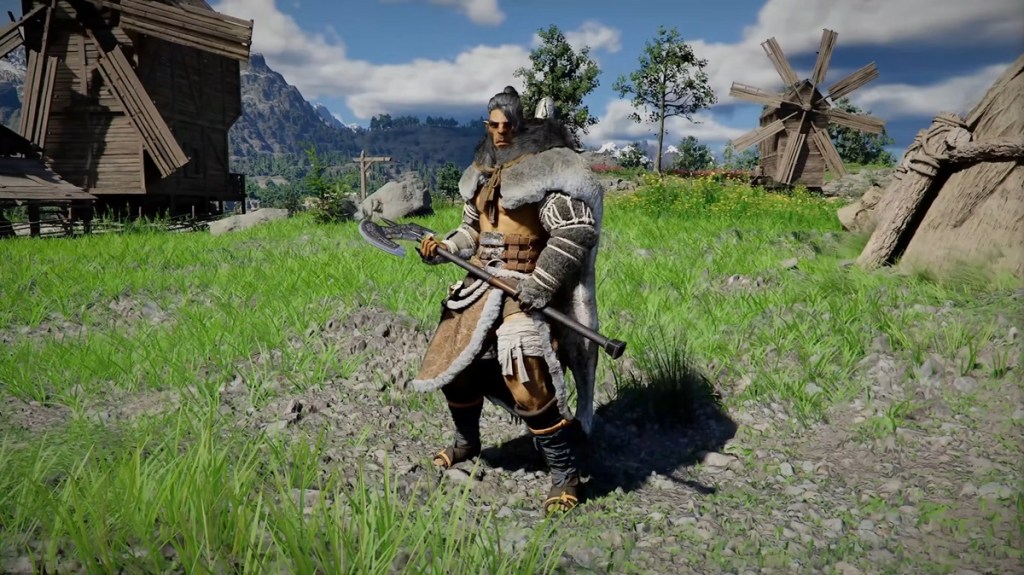
Slow | Medium | Devastating AoE weapon. Spinning attacks hit everything in range. Oongka's primary weapon. | |
Rapier and Buckler | Fast | Short | Quick stabs with light parry, defense via buckler. Many skills involve magical effects. Damiane's signature. |
Claymore | Medium-Fast | Medium | Damiane's two-handed weapon. Surprisingly quick sweeping attacks that chain into thrust combos. |
Large Hammer | Slow | Medium | Charged swings send enemies flying. Knocked enemies deal collision damage. Oongka's secondary. |
Ranged Weapons
Ranged options complement melee combat rather than replacing it. Each ranged weapon type fills a specific role in the combat flow. See Ranged Weapons for detailed mechanics.
Weapon | Character | Description |
|---|---|---|
Fastest ranged option. Features bullet-time slow-mo for precision headshots. Skills can fire multiple arrows simultaneously. | ||
Single-shot sidearm for burst damage at close to mid range. Can be drawn quickly and fired without aiming, allowing fluid transitions between melee and ranged combat. | ||
Musket | Long-range, high-damage shots after a short charge delay. Slow reload but devastating per shot. | |
Hand cannon that fires explosive area-of-effect projectiles. Has the highest ranged Attack Power among starting weapons. | ||
Massive arm-mounted weapon dealing area-of-effect damage at range. Limited ammunition. |
Weapon Stats
Every weapon in Crimson Desert has four primary statistics that determine its combat performance. These values are visible in the inventory screen and factor into damage calculations during combat.
Stat | Description |
|---|---|
Attack | The base damage value of the weapon. One-handed weapons range from roughly 10 to 16 Attack, while two-handed weapons range from 13 to 20. Higher Attack translates directly to more damage per hit. |
Critical Hit Chance | The percentage chance that any given strike will land as a critical hit, dealing bonus damage. This stat varies by weapon and can be increased through refinement and Abyss Gear. |
Determines how quickly the weapon completes its attack animations. Faster weapons like daggers and rapiers have higher Attack Speed values, while greatswords and greataxes are slower. | |
Core Slots | The number of Abyss Gear sockets available on the weapon. One-handed weapons have 3 Core Slots, while two-handed weapons have 5. Each slot accepts one Abyss Gear modifier. |
Base stat ranges differ between categories. Bows have Attack values between 10 and 14, while firearms and daggers vary depending on the specific weapon. In general, slower, heavier weapons deal more damage per hit but leave longer openings between attacks.
Unarmed Combat
Bare hands have their own damage stat visible in the inventory screen. Unarmed combat is a fully developed combat style, not just filler between weapon swings. Kliff's unarmed moveset includes wrestling grapples, body slams, throws, and pile-driver finishers. Oongka can throw bare-handed punches and kicks for close-range situations. Players who invest in the unarmed branch of the Abyss Tree can build a viable brawler playstyle.
Elemental Enhancements
The Axiom Bracelet allows players to layer elemental effects onto their weapon attacks. Three primary elements are available, each interacting with enemies and the environment in different ways.
Element | Effect |
|---|---|
Fire | Sets targets ablaze for damage over time. Spreads between grouped enemies. Interacts with oil and grass. |
Ice | Freezes and slows enemies, interrupting their attacks. Frozen enemies take increased damage from follow-up strikes. |
Lightning | Stuns and disrupts shielded foes. Deals bonus damage to wet enemies. Can chain between closely grouped targets. |
Elemental enhancements are separate from Abyss Gear sockets and can be applied in addition to socketed augments. Wizards and certain vendors can also permanently imbue weapons with elemental properties. For a detailed breakdown, see Elemental Effects.
Refinement
Weapons can be upgraded through the refinement system at any Blacksmith in the world. Each weapon supports up to 10 refinement levels. Every level adds approximately 2 to 3 points to the weapon's base Attack stat, meaning a fully refined weapon gains 20 to 30 additional Attack compared to its unrefined state.
Refinement requires materials gathered from mining, logging, and enemy drops. Higher refinement levels demand rarer materials that are typically found in late-game areas or dropped by tougher enemies. The cost escalates with each level, so players should plan which weapons they invest in carefully.
Refinement is permanent and cannot be undone, but players can continue to refine a weapon at any Blacksmith regardless of where the process was started. The stat increase from refinement stacks with bonuses from Abyss Gear and elemental enhancements.
Refinement Levels and Materials
Each weapon supports 10 refinement levels at a Blacksmith. Every level adds roughly 2 to 3 points to the weapon's base Attack or Defense stat, meaning a weapon refined to the maximum gains between 20 and 30 additional Attack over its base form. Refinement costs escalate with each level, so it pays to commit early to a weapon you plan to carry into the endgame.
At lower refinement levels (1 through 4), the primary materials are common ores such as Iron Ore and Copper Ore, which can be mined from deposits scattered across Pywel's starting regions. From level 5 onward the requirements shift to rarer ores and crafting components that drop from tougher enemies or appear in higher-level mining nodes. Planning your material stockpile before heading to a Blacksmith saves time.
Temporary Weapon Buffs
In addition to permanent refinement, players can apply temporary buffs through consumable items. Grindstones provide a short-term Attack boost when applied to a melee weapon, while Whetstones sharpen a blade for increased critical damage during a set duration. Both items are found as loot, purchased from general merchants, or crafted through the crafting system. These buffs stack with permanent refinement bonuses, making them especially useful before boss battles or challenging encounters.
Core Slots and Abyss Gear
Core Slots are sockets built into every weapon that accept Abyss Gear modifiers. One-handed weapons (swords, daggers, rapiers) come with 3 Core Slots, while two-handed weapons (greatswords, greataxes, spears) have 5 Core Slots. This gives two-handed weapons more room for customization at the cost of slower attack speed.
Abyss Gear pieces are socketed into these slots to add stat modifiers to the weapon. Common modifiers include bonuses to Attack Speed, Critical Hit Chance, raw Attack power, and special effects tied to the Abyss Tree skill branches. Players can mix and match Abyss Gear across slots to tailor a weapon's performance to their build.
Abyss Gear is found throughout Pywel in hidden chests, as rewards from boss battles, and through the crafting system. Rarer Abyss Gear provides larger stat bonuses and can include unique effects not available on common pieces. Swapping Abyss Gear in and out of Core Slots is free and can be done at any time from the inventory screen.
Abyss Cores
Abyss Cores are the individual modifiers that slot into a weapon's Core Slots. One-handed weapons (swords, daggers, rapiers) have 3 Core Slots, while two-handed weapons (greatswords, greataxes, spears) have 5 Core Slots. Each core provides a permanent stat modifier, and players can swap cores freely from the inventory screen.
The table below lists the known Abyss Core modifier types available in the game.
Abyss Core Type | Effect |
|---|---|
Increases weapon swing and combo speed | |
Critical Hit Chance | Raises the probability of landing a critical hit |
Critical Hit Damage | Increases bonus damage dealt on critical hits |
Raw Attack Power | Flat increase to the weapon's base Attack stat |
Defense Penetration | Ignores a portion of the target's Defense |
Stamina Efficiency | Reduces stamina consumed by attacks |
Special Abyss-linked modifier that increases damage during sustained combos | |
Elemental Affinity | Boosts elemental enhancement damage for matching element types |
Abyss Cores drop from boss battles, hidden chests, quest rewards, and certain vendors. Rarer cores offer larger stat bonuses and may include unique effects not available on common pieces. Mixing cores lets you tailor a weapon's performance to your build, whether you favor raw damage, speed, or critical hits.
Blacksmith Locations
Blacksmiths are the only NPCs who can perform weapon refinement. They are found in major settlements across Pywel. Below are the confirmed locations where you can find a Blacksmith.
Location | Blacksmith | Availability | Notes |
|---|---|---|---|
Early game | The first Blacksmith in Hernand. Rhett's Equipment Shop is a separate equipment vendor in the same city. | ||
Camp Smithy | After Chapter 3 | Becomes available after recruiting enough Greymane comrades through the Rumor System. Convenient for mid-game upgrades. | |
Other major towns | Various Blacksmith NPCs | As discovered | Additional Blacksmiths appear in other major settlements as you explore further regions of Pywel. |
To use a Blacksmith, interact with the NPC and select the weapon you want to refine. The interface previews the stat increase and lists the required materials before you confirm. Materials are gathered through mining, logging, and enemy drops. Higher refinement levels require rarer materials from late-game areas.
Boss Weapons and Signature Abilities
Weapons dropped by bosses carry unique properties called Signature Abilities. These go beyond standard stat bonuses and can alter how a weapon plays. Confirmed examples include a spear that summons temporary spectral guardians when the player parries attacks. Boss weapons are some of the most powerful items in the game but require defeating the toughest encounters to obtain. Some are locked behind environmental puzzles or hidden boss arenas.
Weapons by Character
Each of the three playable characters has access to a different subset of weapons. Kliff has the broadest selection, while Damiane and Oongka specialize in narrower but focused arsenals.
Kliff
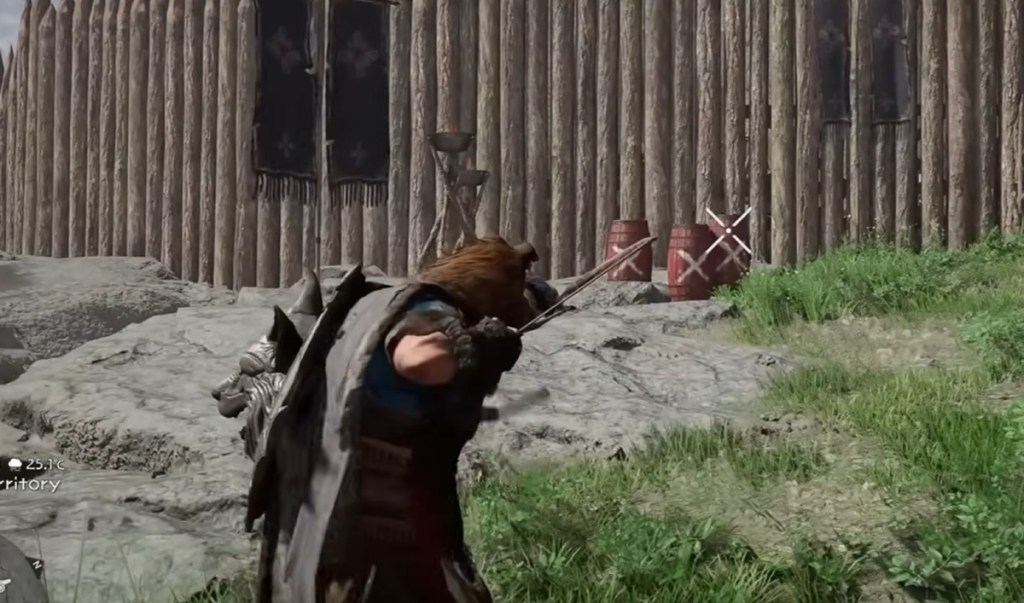
Kliff has the broadest weapon selection of the three characters. His melee arsenal includes swords, axes, hammers, maces, clubs, daggers, shields, and a variety of two-handed weapons such as greatswords, spears, and longswords. For ranged combat, Kliff relies on bows with multiple arrow types. He can also wield the Hand Cannon for devastating area-of-effect damage at range.
Category | Weapons |
|---|---|
Melee | Sword and shield, greatsword, spear, one-handed axe, two-handed longsword (dual-wielding two one-handed weapons is also available as a combat mechanic) |
Ranged | Bow (multiple arrow types), hand cannon |
Magic | Axiom Bracelet (fire, ice, lightning) |
Unarmed | Full wrestling, grapple, and bare-knuckle moveset |
Damiane
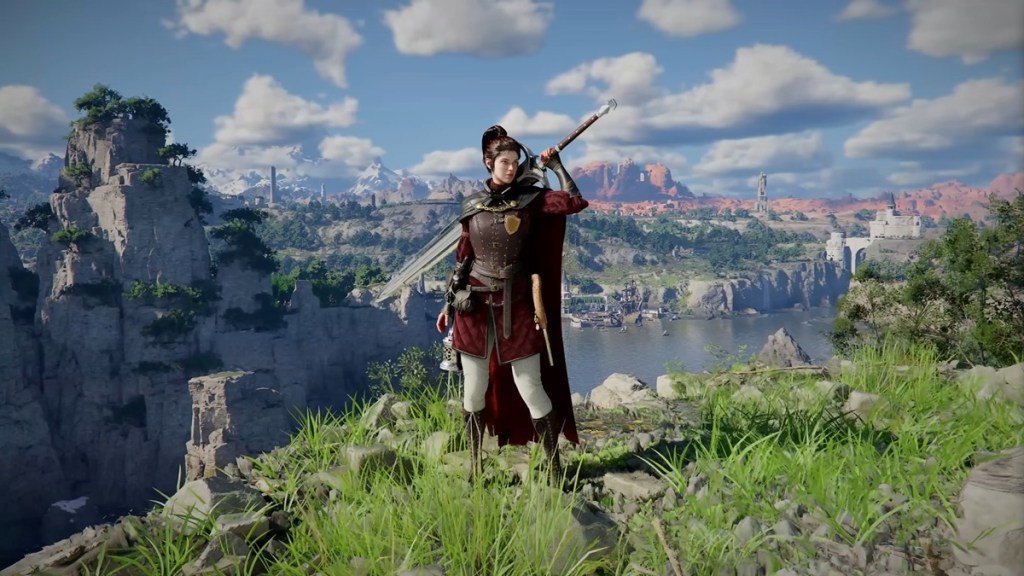
Damiane specializes in a fast, stylish combat approach. Her primary melee weapon is the rapier paired with a buckler for quick stabs and light parries. She also wields a two-handed claymore (greatsword) with surprisingly quick sweeping attacks. For ranged combat, Damiane carries a flintlock pistol for rapid mid-range shots and a musket for high-damage long-range fire. Her unique Shield Toss ability lets her hurl her shield at enemies as a ranged attack that returns to her hand.
Category | Weapons |
|---|---|
Melee | Two-handed claymore, rapier with buckler |
Ranged | Flintlock pistol, musket |
Signature | Izuna Drop combo (spinning kick into aerial grab into pile-driver) |
Oongka
Oongka focuses on raw power and crowd control. His primary weapon is a two-handed greataxe with devastating spinning attacks that hit everything in range. He also carries a large hammer as a secondary melee option for charged swings that send enemies flying. For ranged options, Oongka uses a wrist-mounted crossbow that fires incendiary bolts and has access to the hand cannon. His unique weapon is the Orc Blaster, a massive arm-mounted cannon exclusive to him.
Category | Weapons |
|---|---|
Melee | Two-handed greataxe, large hammer |
Ranged | Wrist-mounted crossbow (incendiary bolts), hand cannon |
Unarmed | Punches and kicks for close-range brawling |
Weapon Acquisition
Weapons enter the player's inventory through five main channels. The acquisition method often determines the weapon's base quality and whether it has unique properties.
Where Found | Details |
|---|---|
Vendor Purchasing | Weapon vendors across Pywel stock different inventory depending on the region. Visit settlements to browse available gear. |
Boss Drops | Defeating bosses can yield exclusive weapons carrying the boss's own Signature Abilities (e.g., a spear that summons spectral guardians on parry). |
Hidden chests, secret passages, and dungeon rewards. Some of the best gear is tucked behind environmental puzzles. | |
Quest Rewards | Story missions, side quests, and faction quests offer equipment as completion rewards. |
Crafting Blueprints | Discovered in hidden locations. Blueprints feed into the crafting system for forging items with gathered materials at the blacksmith. |
Weapon Durability
Weapons have durability that depletes through combat use. At 0% durability a weapon becomes "broken" with heavily reduced damage. Repair at a blacksmith or use Repair Kits to restore full effectiveness. gathering tools like pickaxes (for mining) and wood-cutting axes (for logging) do degrade with use and can break. Gatheringtools are described as easy to discover and craft, so breakage is a minor inconvenience rather than a significant setback.
Mount-Based Combat
Mounts serve as combat platforms with their own weapon interactions. Different mount types support different combat capabilities.
Mount | Combat Capabilities |
|---|---|
Mounted sword attacks, bow fire, and parrying from horseback. | |
Bears | Simultaneous combat: the bear attacks independently while the rider adds sword strikes. |
Dragons | Aerial fire breath attacks and fortress assault capabilities during specific encounters. |
Battle Mech | Machine gun, rockets, and EMP. Fuel-limited with a depletion timer. |
Horses have four equipment slots (champron, barding, saddle, stirrups) that affect mount stats and appearance. See Mounted Combat and Rare Items for named mount equipment sets.
Edition Pack Weapons
Several named weapons are included with the various pre-order and edition packs. These provide cosmetic and early-game advantages.
Item | Where Found |
|---|---|
Pre-order bonus | |
Deluxe Pack | |
Ultimate Pack | |
Ultimate Pack | |
Ultimate Pack |