

Overview
One of the defining mechanics of Crimson Desert's combat system is the ability to swap between equipped weapons mid-combat without interrupting the flow of attacks. Each of the three playable characters can equip multiple weapons and seamlessly transition between them during combat, creating fluid attack chains that combine the strengths of different weapon types.
Equipment Slots and Gear Wheel
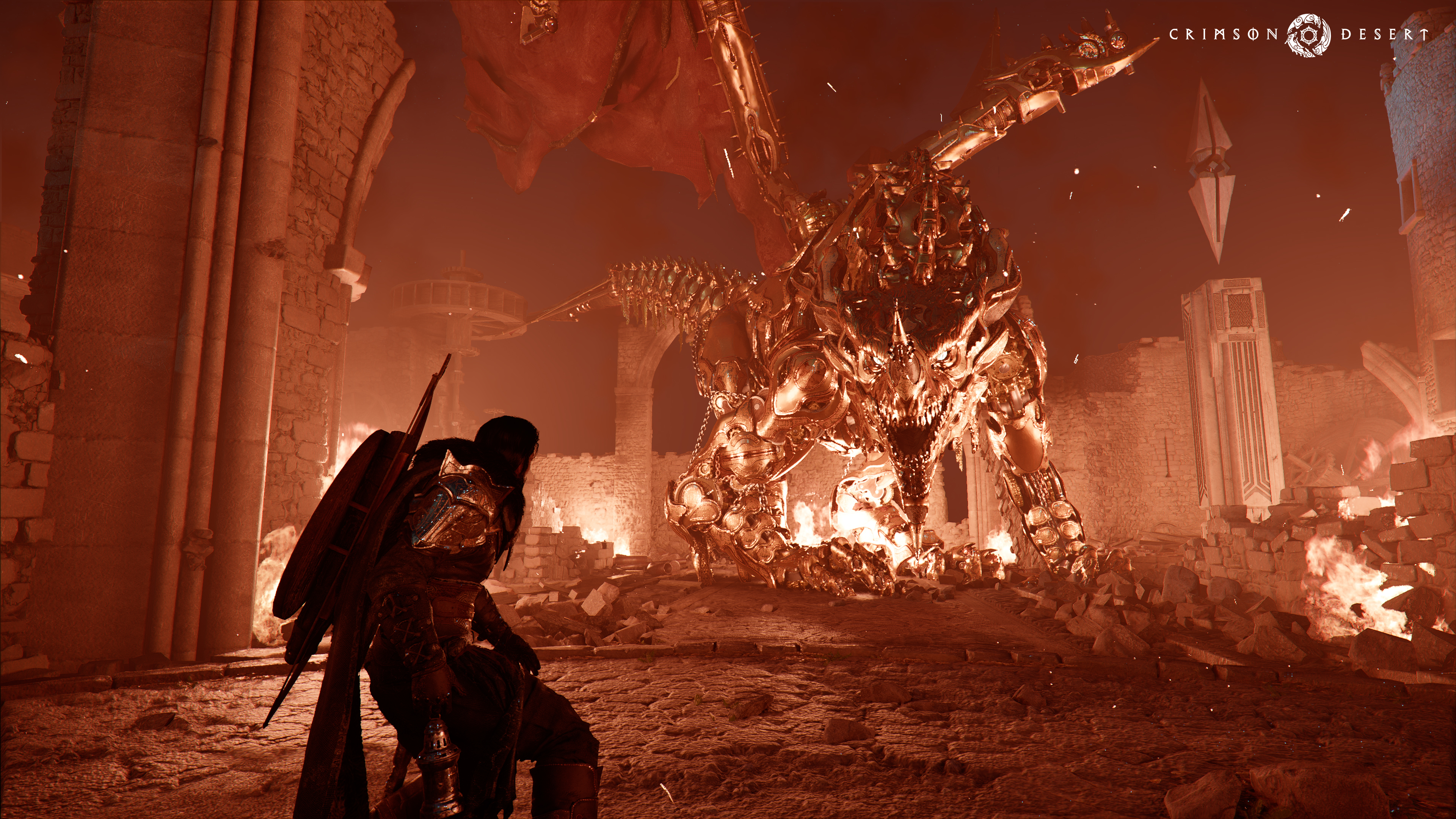
Each character has two active weapon slots that can be swapped between instantly during combat. Beyond the two main slots, a radial gear wheel provides access to additional weapons and tools. Opening the gear wheel slows time briefly, allowing the player to select equipment without pausing the action entirely.
The two-slot system encourages players to build loadouts around complementary weapon pairs. A player might keep a fast melee weapon in one slot and a ranged weapon in the other, or pair a defensive weapon (sword and shield) with an aggressive one (greatsword or dual blades). The gear wheel handles less frequently used weapons and situational tools like gathering implements.
Mid-Combo Weapon Swaps
The core of the weapon-switching system is the ability to swap weapons in the middle of an attack combo without breaking the chain. When a player presses the swap input during a combo, the character transitions into the next weapon's moveset with a dedicated swap animation that maintains combat momentum.
For example, Kliff might parry an incoming strike with his sword and shield, immediately swap to a spear for a long-range thrust, chain into a greatsword heavy swing for area damage, and then switch to bare fists for a grapple finisher. Each weapon's attacks flow naturally into the next, creating a fighting-game-style combo system.
The swap itself does not cost Spirit or have a cooldown. It is purely input-driven, meaning skilled players can weave weapon transitions as fast as they can press the buttons. This design is intentional: Pearl Abyss has described the system as encouraging players to "play like a fighting game" where the depth comes from mastering weapon transition timing.
Character Weapon Loadouts
Character | Weapon Options | Swap Style |
|---|---|---|
Sword and shield, spear, greatsword, axe, dual blades, bow, musket, bare hands | Broadest selection; can chain any melee type into ranged or unarmed | |
Claymore, rapier and buckler, pistol, musket, spell casting, Parasol Machine | Rapid transitions between melee, ranged, and magical attacks | |
Great axe, hammer, wrist crossbow, arm cannon | Heavy melee alternating with explosive ranged weapons |
Damiane's Parasol Machine is a unique weapon that functions as both a melee spinning blade and a deployable gadget, adding mechanical variety to her swap options. Oongka's arm cannon provides heavy artillery-style ranged attacks that pair well with his slow but powerful melee weapons.
Build Archetypes
The community has identified several loadout archetypes for Kliff based on weapon pairing strategies. While the game does not lock players into builds, these pairings have proven effective in preview builds and early access:
Build Name | Playstyle | |
|---|---|---|
Abyssal Knight | Greatsword + sword and shield | Balanced offense and defense; block with shield, punish with greatsword |
Steel Rose | Dual blades + spear | Fast hit-and-run; close with spear thrust, shred with rapid dual blade combos |
Siege Titan | Great axe + musket | Heavy damage at all ranges; soften targets with musket, finish with axe swings |
Shadow Dancer | Dual blades + bow | Agile and evasive; kite with bow, dive in for dual blade flurries |
Iron Warden | Sword and shield + spear | Defensive poke style; shield block into long-range spear counterattacks |
Combo Chaining Strategies
The weapon switching system is the foundation of Crimson Desert's combo depth. Because each weapon has its own moveset with unique properties (range, speed, area of effect, elemental affinity), mixing weapon attacks within a single combo creates possibilities that no single weapon can achieve alone.
Strategy | Description |
|---|---|
Range Management | Start with a long-range spear thrust to close distance, then switch to close-range dual blades for rapid hits. |
Crowd Control | Use a greatsword sweep to knock enemies back, then swap to a bow to pick off scattered targets. |
Defensive Counter | Block with a shield, parry the next attack, then swap to a heavy weapon for a punishing counterattack. |
Grapple Combos | Stagger an enemy with a weapon strike, switch to bare hands for a wrestling throw, then finish with a weapon slam. |
Elemental Layering | Apply fire with one weapon, swap to an ice-infused weapon for the next hit, creating elemental reaction damage. |
Aerial Juggling | Launch an enemy airborne with an upward slash, swap to a different weapon mid-air for additional hits before they land. |
Elemental Integration
Weapon switching interacts with the elemental effects system through the Axiom Bracelet. Elemental infusions (fire, ice, lightning, wind, nature) can be applied across all weapons. This means a player can apply fire to a sword strike, switch to an ice-infused spear thrust, and finish with a lightning-enhanced greatsword slam, layering multiple elemental effects on a single target.
Strategic elemental layering through weapon swaps is important for exploiting enemy weaknesses. Some enemies are vulnerable to specific elements, and being able to switch between differently-infused weapons lets the player adapt on the fly without opening a menu.
Weapon Durability
Weapons in Crimson Desert have unlimited durability. They never break or degrade during combat, regardless of how often they are used or swapped. Gathering tools like pickaxes, axes, and hammers must be crafted but also have unlimited durability once created. This design choice ensures that weapon switching remains a core combat mechanic without the friction of equipment maintenance.
Strategic Considerations
Choosing which weapons to equip in the two active slots is a meaningful strategic decision. Players should consider the types of enemies they expect to face, the terrain of the encounter area, and whether they need ranged options to deal with flying or distant targets.
Boss fights in particular reward thoughtful weapon pairing. Many bosses have phases that favor different engagement ranges or damage types. Having the right pair of weapons equipped can mean the difference between smoothly adapting to phase transitions and scrambling through the gear wheel mid-fight.
The Abyss Gear system adds another layer to weapon selection, as socketed gear can enhance specific weapon types with bonus damage, elemental scaling, or special effects. Building around weapon synergies becomes more important as players progress into endgame content.