

Overview
Crimson Desert does not use a traditional experience point or leveling system. There are no traditional character levels. Instead, defeating enemies fills the Artifact Gauge (a yellow bar near the minimap). Once the gauge is full, the player earns one Abyss Artifact. Tougher enemies fill the gauge faster than weaker ones, and bosses contribute significantly more than standard foes. Instead, all character progression revolves around collecting Abyss Artifacts (also called Abyss Fragments), which are supernatural items that have fallen from the Abyss into the world of Pywel. These fragments function as the universal currency for character advancement: spending them can raise core stats, unlock new combat abilities, or enhance existing skills.
How to Obtain Abyss Artifacts
Abyss Artifacts are found through several gameplay activities. Each source provides fragments at different rates, encouraging players to engage with all aspects of the game.
Source | Description |
|---|---|
Boss Defeats | Major bosses drop significant quantities of Abyss Fragments. Story bosses and optional bosses both reward fragments. |
Enemy Kills (Artifact Gauge) | Every enemy killed fills the Artifact Gauge, a yellow bar near the minimap. Once full, the player earns one Abyss Artifact. The bar resets and can be filled again without limit. Tougher enemies contribute more gauge progress. |
Fragments are hidden throughout the world in caves, ruins, elevated platforms, and secret areas. Thorough explorers are rewarded with steady progression. | |
Quest Completion | Both main story quests and side quests reward fragments upon completion. |
The floating island dungeons above Pywel contain concentrated artifact deposits and puzzle rewards. | |
Treasure chests and secret stashes found through exploration often contain fragments. | |
Discovering and activating Abyss Nexus waypoints and solving Abyss Cresset puzzles grants fragments. Both also serve as fast travel points. |
Core Stat Upgrades
Abyss Artifacts can be spent to increase Kliff's three core stats. Each stat affects gameplay in distinct ways.
Stat | Effect |
|---|---|
Increases maximum hit points. Higher Health allows the player to survive more hits before death. | |
Governs climbing duration, sprinting distance, dodge frequency, gliding time, and swimming endurance. Investing in Stamina extends exploration range. | |
Powers special abilities, elemental weapon enhancements, and combat skills. Higher Spirit allows more frequent use of powerful techniques. |
The choice of how to allocate fragments reflects the player's preferred approach. A player focusing on Stamina can glide farther, climb longer, and explore more of Pywel's vertical spaces. A player investing in Spirit gains access to more powerful and frequent combat abilities. The system allows respeccing, so players are not permanently locked into their choices.
Skill Unlocks
Beyond raw stat increases, Abyss Artifacts unlock nodes on the Abyss Tree. The Abyss Tree branches into combat techniques, traversal enhancements, and life skill improvements. Unlocking a node may grant a new combo extension, a traversal ability (like improved grappling hook range), or a passive bonus (like increased gathering yield).
Observation Learning
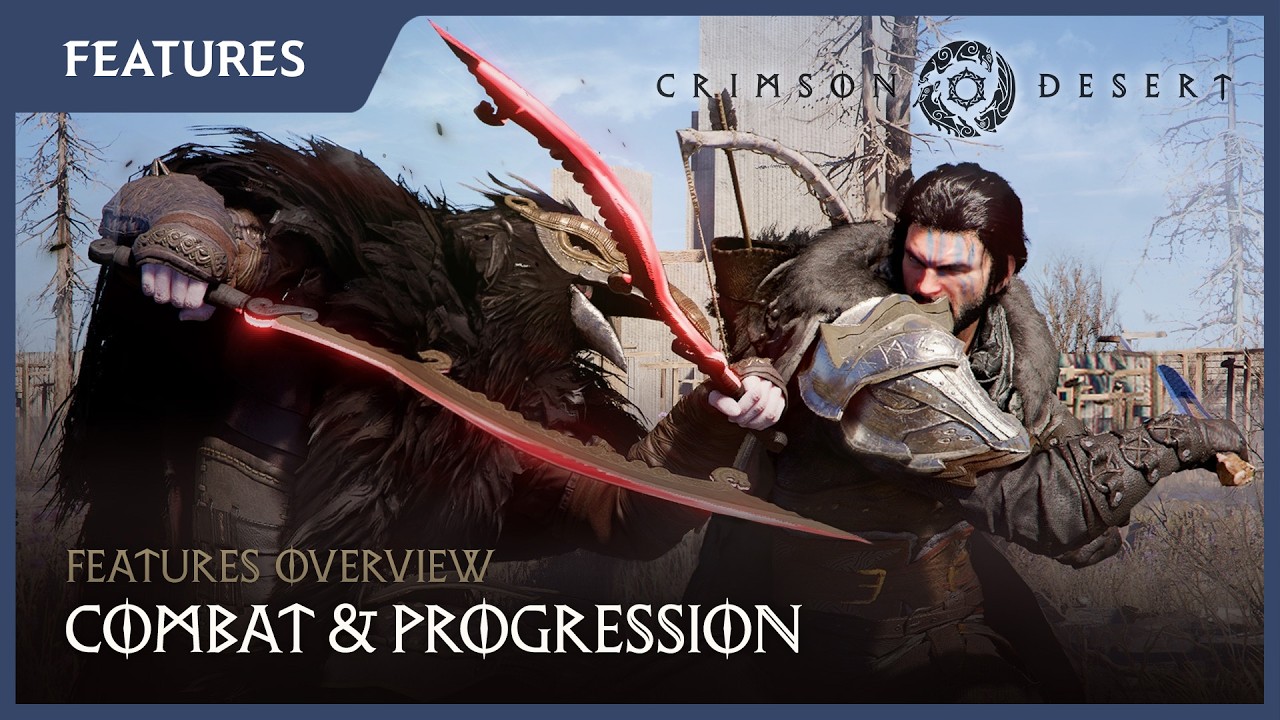
Some combat skills cannot be unlocked through the Abyss Tree. Instead, they must be learned through the Observation Learning system. When Kliff encounters an NPC or enemy performing a specific technique, a prompt appears allowing him to study and memorize the move. Once observed, the technique becomes available in the player's skill loadout. This system rewards attentive exploration and careful observation during combat encounters. For example, a knight's kick learned mid-boss-fight can be added to Kliff's moveset, allowing him to knock enemies backward.
Equipment Progression
Character power also grows through weapons and equipment. Weapons and armor are obtained through merchants, crafting, exploration, and boss rewards. Equipment features Abyss Gear slots that accept enhancement gems providing bonus attributes like increased attack speed, critical hit chance, or elemental damage. Boss-exclusive equipment carries signature abilities tied to the defeated boss, providing both stat bonuses and unique combat effects.
Weapons have unlimited durability and never break during combat. Gathering tools (axes, pickaxes, hammers) must be crafted and do degrade with use. Worn-out tools need to be replaced by buying from vendors, finding them in the world, or crafting new ones.
Multi-Character Progression
Each of the three playable characters (Kliff, Damiane, and Oongka) has a separate progression track. Core stat upgrades (Health, Stamina, Spirit) are shared across all three characters. Increasing a stat on Kliff's skill tree also applies the upgrade to Damiane and Oongka. However, individual combat skills must be unlocked separately for each character, as each has their own Abyss Tree and skill loadout. This means players who want to maximize all three characters need to unlock combat skills separately on each character's progression path, though stat investments carry over automatically.
No Difficulty Settings
Crimson Desert does not offer adjustable difficulty settings. The game's challenge is designed to be managed through preparation rather than menu options. Players who find a particular boss or area too difficult are encouraged to explore other regions, upgrade their equipment, invest more Abyss Artifacts in relevant stats, or attempt the challenge with different combat skills equipped. Pearl Abyss designed the progression system so that organic exploration and engagement with side content naturally provides the power increases needed to overcome tougher encounters.