

Overview
Mining is a life skill focused on extracting minerals from ore deposits found throughout Pywel. The materials mined feed directly into crafting equipment upgrades and expansion of the Greymane Camp. Mining is classified as a "Knowledge" within the game's progression system, meaning it must be learned before it can be practiced. Will Powers of Pearl Abyss described the depth of the life skills systems: "Last week, I spent 50 hours playing the game, focusing primarily on side content. I was not even fishingI was mining, upgrading weaponsand testing mechanics."
Learning to Mine
Like other life skills in Crimson Desert mining must be learned through the Observation mechanic before it can be practiced. Mining as "another knowledge that you can acquire that will help you gather resources that are vital for Greymane's needs." Certain tools may be needed for mining, and these "can be crafted through Smithing or purchasing the needed tools from shops in town."
How Mining Works
Mining uses a Valheim-style gathering interaction. Players equip a pickaxe and strike ore deposits directly. Ore deposits appear throughout the world, often near cliffs, in caves and along mountain paths. The GuruGamer guide describes the mechanics: "The gathering mechanics are designed like a survival-crafting game: you'll need to get your tools and strike the resource points Valheim-style."
Gathering also has progression. Initially, gathering is manual (picking up individual pieces), but as the player advances, there are ways to collect resources in bulk for larger construction projects. This progression encourages continued investment in life skills throughout the game.
Ore Respawn and Map Tracking
Ore deposits do not regenerate instantly. Every node takes 7 in-game days to respawn after being mined. This is one of the longest respawn timers for any gatherable resource in Pywelso planning your mining sessions around the cooldown is worth the effort. If you clear a full route on one day, those same nodes will be available again exactly one week later on the in-game calendar.
The game tracks every ore deposit you have discovered. When you break at least one piece of a node, that location is permanently recorded on your map. Open the map and switch to the Environments tab to see all previously discovered ore locations. The Environments tab highlights nodes that are otherwise invisible at the default zoom level, so it doubles as a route-planning tool once you have explored an area thoroughly.
Because of the 7-day respawn timer, experienced players designate a specific in-game day as their "mining day" and clear every known deposit on that day. This guarantees that all nodes reset on the same schedule, making follow-up runs predictable and efficient.
Pickaxe Efficiency
The tool or ability used to break an ore node has a direct impact on how many resources it drops. Using a pickaxe to mine a deposit yields 2 resources per node. Every other method of breaking ore, including heavy attacks, Force Palm and combat skills yields only 1 resource per node. That means using anything other than the pickaxe cuts your output in half.
For routine mining runs where you are farming large quantities of mineralsalways equip your pickaxe before striking. Alternative methods like Force Palm and Force Current are still useful for deposits that are physically out of reach (embedded in cliff faces, across gaps, or high up on walls), but for any ore node you can walk up to and swing at, the pickaxe is always the better choice.
Mining Method | Yield per Node | Best Use Case |
|---|---|---|
2 resources | Standard ground-level deposits. Always the most efficient option for accessible ore nodes. | |
Heavy Attack / Combat Skills | 1 resource | Not recommended for farming. Only produces half the output of a pickaxe swing. |
1 resource | Useful for hard-to-reach wall deposits where you cannot swing a pickaxe. Requires climbing to the ore. | |
1 resource | Ranged mining from the ground using a charged arrow. Good for deposits high on cliff faces with clear line of sight. | |
1 resource | Remote mining via the Axiom Force grapple. Ore falls at your feet. Also works on trees but does NOT work on animals. | |
Mining Knuckle Drill | 1 resource (+ bonus ore chance) | One-handed drill obtained from the Karin Quarry boss. Special button prompts while clinging to walls near ore. |
Wall Ore Mining Methods
Not every ore deposit sits on the ground waiting to be picked up. Many valuable veins in Pywel are embedded in cliff faces, cave walls, and high rock surfaces where a standard pickaxe swing cannot reach. The game provides four distinct methods for breaking ore off walls, each suited to different situations and loadouts.
Method | Range | How It Works | Notes |
|---|---|---|---|
Long | Fire the Axiom Force grapple at the ore deposit, then press the Force Current prompt. Energy travels along the grapple line and detonates the ore on impact. | The safest wall-mining option because you stay on solid ground. Also works on trees. Unlocked in Kliff's skill tree below Force Palm. | |
Long | Draw your bow, hold the charge button until the arrow is fully charged, then release it into the ore vein. | Useful when ore is high up on a cliff and you have no grapple angle. Can be learned for free by observing the Wandering Freesword archer near Lioncrest Manor or purchased for 1 Abyss Artifact. | |
Force Palm | Melee | Climb to the ore deposit, aim the camera at it, and release a Force Palm strike to shatter the vein. | Hold the Brace (Resist) button before firing so the knockback does not launch you off the wall. Without bracing, the recoil sends Kliff flying away from the cliff face. |
Melee (wall) | While clinging to a wall near ore, a special mining prompt appears. Activating the Mining Knuckledrill drills directly into the deposit without needing to swing a pickaxe. | Grants a +10% chance of finding extra ore per node (upgradeable to +20% and then +30%). Unlocked by defeating Marni's Excavatron during the Estate in Dismay faction quest. |
Choosing the Right Method
The best approach depends on the situation. If the deposit is high on a cliff and visible from below Charged Shot or Force Current lets you collect ore without climbing at all. Force Current is slightly more versatile because it also pushes objects and works on trees, but it requires the Axiom Force grapple to connect to the target first. Charged Shot only needs line of sight and a clear arrow path.
For deposits you can reach by climbingForce Palm works well as a free option that does not consume arrows or special equipment. Just remember to brace before striking; otherwise the impact will knock you clean off the wall. Players who have unlocked the Mining Knuckledrill should use it on every wall deposit they encounter, since its bonus ore chance stacks up over a long farming session. At the fully upgraded +30% tier, roughly one in three nodes will drop extra ore.
Alternative Mining Methods in Detail
While the pickaxe remains the most efficient tool for standard depositsCrimson Desert provides several alternative methods for situations where a pickaxe swing is impractical. Each method trades raw yield for accessibility or convenience.
Force Palm
Force Palm is the simplest alternative method. When clinging to a cliff face near an ore deposit, aim the camera at the vein and release a palm strike to shatter it. This works well for hard-to-reach wall deposits, but remember that Force Palm only yields 1 resource per node compared to the pickaxe's 2. Always hold the Brace (Resist) button before firing so the knockback does not send you flying off the wall.
Mining Knuckle Drill
The Mining Knuckle Drill is a one-handed drill tool obtained by defeating the boss at Karin Quarry. Unlike the pickaxe, the drill is designed specifically for wall mining. While clinging to a wall near ore, special button prompts appear on screen; activating them drives the drill directly into the deposit without needing a full pickaxe swing animation. The drill also grants a bonus chance of finding extra ore per node (upgradeable from +10% to +20% and finally +30%), making it the best option for dedicated wall mining sessions despite the lower base yield.
Focused Shot
Focused Shot (also called Charged Shot) allows ranged mining from the ground. Draw your bow, hold the charge button until the arrow is fully charged, then release it into the ore vein. This is ideal when a deposit sits high on a cliff face and you have no grapple angle or do not want to climb. It only requires line of sight and a clear arrow path.
Force Current
Force Current is unlocked through the Axiom Force skill tree at level 2. To use it, fire the Axiom Force grapple at an ore deposit and press the Force Current prompt. Energy travels along the grapple line and detonates the ore on impact. The mined resources fall directly at your feet, so you do not need to climb or move to collect them. Force Current also works on trees for loggingmaking it a versatile remote gathering tool. However, it does not work on animals, so it cannot replace hunting methods.
Tool Durability
Unlike main combat weapons (which have unlimited durability), gathering tools such as pickaxes degrade with use. Will Powers confirmed: "That may not apply to certain resource-gathering tools, including blacksmith hammers, wood-cutting axes and pickaxes." Tools become blunt over time and eventually need replacement. However, the system is designed to be forgiving: "Thankfully, they're easy enough to discover and craft, so you won't be feeling the crunch." Replacement tools can be bought from town shops, found in the world, or crafted.
Tool | Purpose |
|---|---|
Mining ore deposits for minerals | |
Wood-Cutting Axe | |
Blacksmith Hammer | Used in the weapon refinement process at blacksmiths |
Known Minerals
Mineral | Details |
|---|---|
Mined from red crystal deposits. A common early-game mineral found in Hernand, especially near Three Saints' Falls. | |
Precious Stones | A general category of valuable minerals obtained from ore veins. |
Abyss Remnants | Special artifacts used alongside conventional minerals for crafting and equipment upgrades. Obtained from defeating enemies and bosses, completing quests or exploration. |
Other confirmed minerals include Copper OreIron Ore, Azurite, Bloodstone, DiamondScolecite Bismuth Ore and Epidote. Different minerals appear in different regions.
Why Copper Matters
Early in the gameIron Ore appears to be the more important resource because it is used in most basic weapon and armor refinements. This leads many players to skip Copper Ore deposits in favor of iron. That is a mistake. As gear progresses into mid-game and late-game tiers, copper requirements increase sharply. Copper feeds into plate armor upgrades, metal shield refinements, and (unlike iron) also into jewelry crafting. This additional use means you will burn through copper faster than iron over the course of a full playthrough.
The supply problem gets worse at vendors. Blacksmiths and provisioners across Hernand typically stock two to four times more iron than copper. If you rely on shops to fill the gap instead of mining, you will find copper frequently sold out. The only reliable way to keep up with demand is to mine both iron and copper on every farming run, even when copper does not seem urgent yet.
What Minerals Are Used For
Mined materials serve several interconnected progression systems.
Blacksmith Refinement
Blacksmiths in towns and at the Greymane Camp use minerals to forge new weapons and refine existing ones. Refinement incrementally enhances base stats. For example, a weapon called the Bolton Hammer saw its Attack value increase from 10 to 12 after a successful enhancement. Refinement requires gold, resources (including mined minerals), and the weapon itself. Will Powers noted that upgrade materials come from multiple sources: "You'll need to mine the materials necessary, but some of them may require taking out challenging bosses, hunting wild animals, completing quests or venturing off the beaten path."
Camp Expansion
The Greymane Camp grows from a small tent settlement into a fully operational base throughout the story. Building and upgrading camp structures requires gathered resources including wood, minerals, and food. The wiki states that mining is "vital for Greymane's needs, whether for upgrading your camp or forging equipment."
Camp Structure | Description |
|---|---|
Workshops | Facilities for crafting tools, weapons, and equipment |
Armories | Storage and display for weapons and gear |
Farms | |
Trading Centers | Vendor facilities for buying and selling goods |
Food Shops | Purchase prepared meals and cooking ingredients |
Player Housing | Personal living space within the camp |
Upgrading the camp directly improves character stats, unlocks new skills, and expands the roster of available companions. Each new structure unlocks new services or progression options tied to character abilities and equipment.
Elemental Weapon Enhancement
Through alchemy, players can imbue weapons with elemental properties. While alchemy primarily uses flowers, insects, and herbs rather than mined ores directly, the crafting ecosystem connects these systems. Fire enhancements add burn damage, Frost slows or freezes enemies and Shock can stun them.
Where to Mine
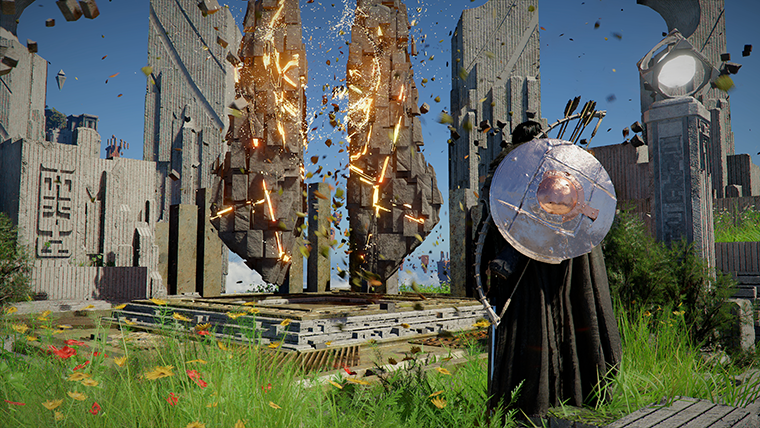
Ore deposits are found across all regions of Pywel. Common ore is available near the surface in most areas, while rarer minerals are found in cavesdedicated mines, and remote mountain locations. Some deposits are guarded by enemies, so players should come prepared for combat when venturing to resource-rich areas.
Best Mining Location: Menace
The single greatest concentration of mineable ore in the game is found in the area known as Menace. This location contains an unusually dense cluster of mineral nodes, including EpidoteCopper OreAzuriteSkoliteIron Oreand four separate Garnet nodes. The variety and quantity of resources available in a single area make it the top destination for bulk mining runs.
A fast travel point is located nearby, so returning to Menace between farming sessions is quick and convenient. The area is also notable for being the same location where the legendary horse can be found, giving players a reason to visit even if they are not primarily focused on mining. For players looking to stock up on materials for crafting or Greymane Camp upgrades, Menace should be the first stop.
Recommended Farming Routes
Beyond the dense cluster at Menaceseveral other routes through the Hernand Region provide consistent yields of both Iron Ore and Copper Ore. Since ore respawns every 7 in-game days, running these routes on a regular schedule ensures a steady supply of both materials.
Howling Hill Kliff Route
The Howling Hill cliffs south of Hernand contain the most accessible farming route for early and mid-game players. Starting at the top of the cliff face and working downward, you will find iron and copper deposits alternating along the rock wall in a nearly continuous line. The route runs along the river-facing side of the cliff, so the deposits are visible from a distance by their coloring: iron nodes have a dark metallic sheen, while copper veins show a distinct greenish tint against the surrounding rock.
Work from the top of the cliff downward, hitting each node as you descend. Once you reach the bottom, fast travel back to your camp or the nearest waypoint and continue to the next route. The entire Howling Hill cliff can be cleared in a few minutes, making it one of the fastest ore runs in the game relative to the number of nodes available.
Hernand Circuit
For a longer farming session, extend the Howling Hill route into a full circuit through the Hernand lowlands. From the base of Howling Hill, head east toward Anvil Hill and mine the deposits along its lower edges and the nearby riverbed. Then continue north along the path toward Unicorn Cliff, where additional iron and copper nodes line the rock face. This loop covers three major deposit clusters in one trip without requiring fast travel between them.
Players who have already unlocked the Environments tab markers for these areas can open the map beforehand to confirm which nodes have respawned and skip any that are still on cooldown.
Quick Copper Run Near Goldenfist Arena
If you need copper specifically and do not have time for a full circuit, head directly south of Hernand to the Goldenfist Arena. Walk along the northern side of the river just southwest of the arena. A reliable copper vein sits about halfway up the cliff face along this stretch, and it is relatively safe to mine since hostile enemies are sparse in the area. There is also a pair of copper nodes near a fast travel portal in the broader Hernand area that can be cleared in under sixty seconds per visit.
Route | Key Ores | Estimated Nodes | Best For |
|---|---|---|---|
Howling Hill Cliff | 8-12 | Quick daily run. Top-to-bottom descent along the cliff face. | |
Hernand Circuit | 15-20+ | Extended session covering Howling Hill Anvil Hill, and Unicorn Cliff. | |
Goldenfist Copper Run | 3-5 | Fast copper-only run when copper is the bottleneck. | |
10+ | Highest variety. Best for stocking up on multiple mineral types. |
Region-Specific Materials
Different regions offer different materials, and this is used as a progression-gating mechanic. Will Powers explained that there are "smart ways of limiting how much you can advance your upgrade of your gear by changing the material requirements at certain thresholds of materials that are only in that area that you're in." This means players cannot max out their equipment using only materials from a single region; advancing requires exploring new territories.
Aligning with specific Houses (regional factions) can unlock additional resource nodes through reputation gains. Liberating areas from hostile occupation also grants access to new materials. Region-specific vendorsblacksmiths, and tailors offer unique gear and materials tied to their territory.
Companion Dispatch Mining
Players who prefer not to mine manually can dispatch Greymane companions (called Freeswords) on resource-gathering missions that include mining. These missions are managed through the Steinfell Fortress interface.
Aspect | Details |
|---|---|
Team Size | Typically requires 4 to 6 companions per mission |
Duration | Ranges from hours to multiple days depending on the mission |
Cost | Missions cost resources such as silver, wood, clay, or other materials |
Success Rate | Companion stats (Health, Attack, Defense, Speed, Critical Hit Chance) affect success. Team composition produces a conversion bonus percentage. |
Mission Types | Include gathering specific resources, building statues, and recapturing blockaded forts |
Missions run passively while the player focuses on other activities. Progress can be monitored through a Mission List tab with countdown timers. Greymanes can also be assigned to blockaded locations to reduce enemy occupants, making manual clearing easier.
Connection to Other Life Skills
Life Skill | Relationship to Mining |
|---|---|
Ore deposits and gathering nodes (flowers, herbs, wood) are often found in the same areas, making combined trips efficient. | |
Does not directly use mined materials, but camp kitchen upgrades built with minerals improve cooking capabilities. | |
Another source of crafting materials. Boss drops and animal parts supplement mined minerals for equipment upgrades. See Hunting. | |
Provides cooking ingredients rather than crafting minerals. See Fishing. | |
Alchemy | Uses flowers, insects, and herbs rather than mined ores. See Alchemy. |
Tips
Mine whenever you pass a deposit, even if you do not need ore right now. Camp upgrades and equipment refinement require large quantities of materials later in the game.
Keep spare pickaxes in your inventory. Gathering tools degrade with use, but replacements are cheap at town shops or easy to craft.
Combine mining with gathering trips since ore deposits and gathering nodes are often found in the same areas.
Build faction reputation in new regions to unlock additional resource nodes that are not available to newcomers.
Dispatch Freesword companions on mining missions to passively accumulate ore while focusing on quests and combat.
Explore caves and dedicated mines for rarer minerals not found on the surface.
Use Force Current or Charged Shot to mine wall deposits from the ground instead of climbing to them. This saves stamina and avoids fall risk.
When using Force Palm on a cliff face, always hold the Brace button first. Forgetting to brace will launch you off the wall.
Upgrade the Mining Knuckledrill as soon as possible. At +30%, the bonus ore adds up quickly during long farming runs.
Always use a pickaxe on accessible ore nodes. Alternative methods like Force Palm and Force Current yield only 1 resource per node, while the pickaxe yields 2. Reserve alternative methods for wall deposits and hard-to-reach veins.
Visit the Menace area for the densest mineral concentration in the game. It contains epidote, copper, azurite, skoliteiron oreand four garnet nodes, all near a fast travel point.
Unlock Force Current (Axiom Force level 2) as early as possible. It lets you mine ore and chop trees remotely without climbing, and the resources drop directly at your feet.
Defeat the Karin Quarry boss to obtain the Mining Knuckle Drill. Its bonus ore chance (up to +30% when fully upgraded) stacks up over long farming sessions on wall deposits.
Do not ignore Copper Ore. Late-game refinements burn through copper faster than iron, and vendors stock far less of it. Mine both ores on every run.
Use the Environments tab on the map to see all previously discovered ore deposits. This makes planning routes and checking respawns much easier.
Ore nodes respawn every 7 in-game days. Set a regular mining day so all your nodes reset on the same schedule.
The Howling Hill cliff route alternates iron and copper deposits from top to bottom and can be cleared in a few minutes. It is one of the fastest ore runs in the Hernand Region.
Copper veins on cliff faces have a greenish tint that blends into the rock. Look carefully at the mountain color; that green hue is the giveaway.