

Overview
Logging is a life skill in Crimson Desert that involves felling trees with an axe to obtain lumber. Wood feeds into tool productionweapon crafting and Greymane Camp construction. It sits within the broader gathering system alongside mining, fishing and hunting. Life skills in Crimson Desert are optional; engaging with them provides tangible benefits including better gear, camp upgrades, and access to rare materials, but participation is not mandatory for story progression.

How Logging Works
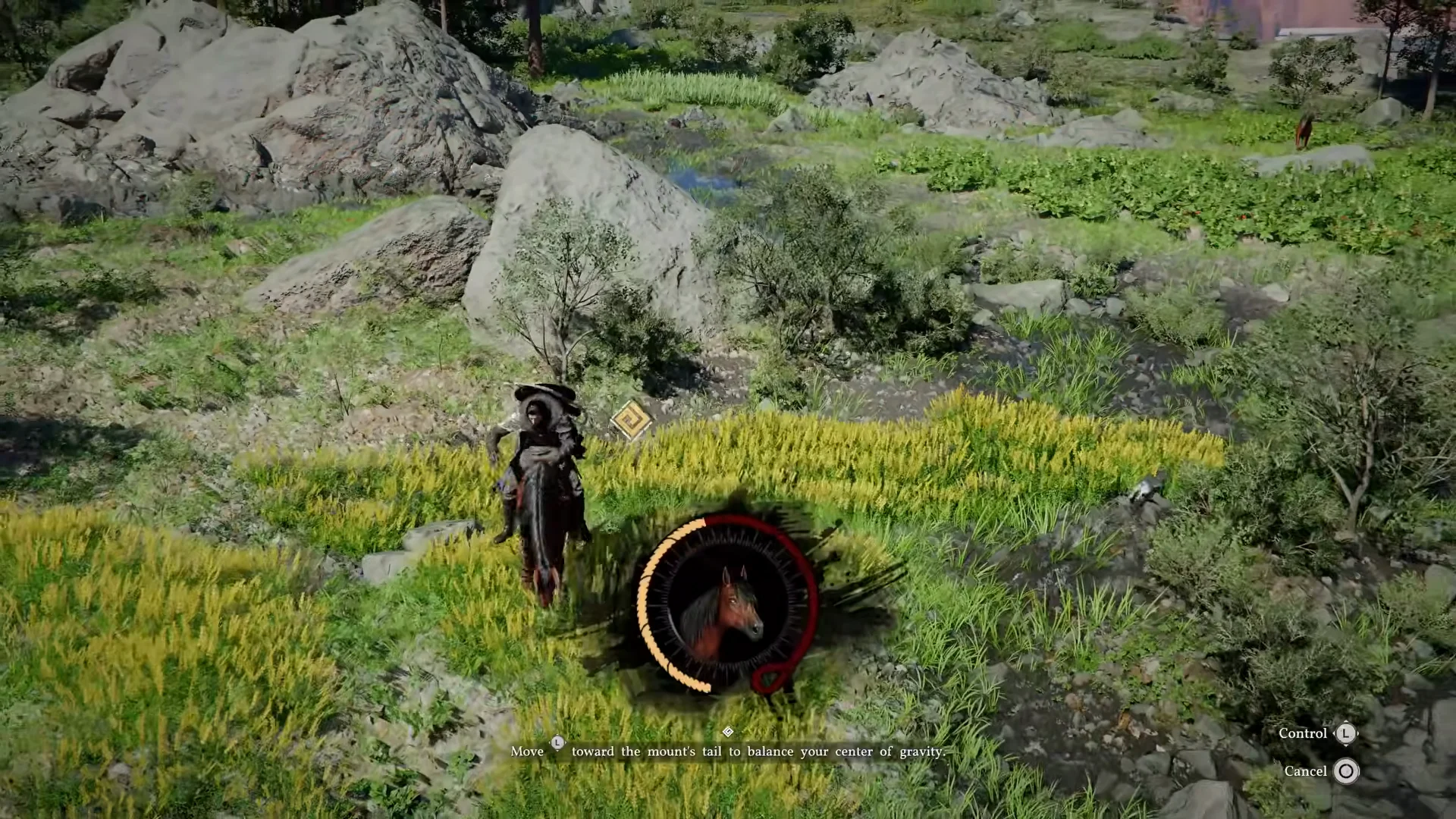
Crimson Desert uses a Valheim-style active gathering model where resource collection is more involved than simply interacting with a node. Players equip a wood-cutting axe (a gathering tool separate from combat weapons), approach a tree, and physically strike it. Kliff swings the axe into the trunk, the tree falls, and lumber drops. The Crafting Guide describes the process: "While out in the wilderness, you may take out your axe and chop down trees for wood."
This active gathering approach applies to all resource collection in the game. Mining requires equipping a pickaxe and striking ore depositshunting requires a bow and tracking animals, and fishing requires observing an NPC fisherman before the skill becomes available. Gathering is a physical, hands-on process rather than a passive interaction.
Tools and Durability
Wood-cutting axes are classified as gathering toolsdistinct from combat weapons. This distinction matters because of how durability works in Crimson Desert.
Equipment Type | Durability |
|---|---|
Combat weapons | No durability. Swords, shields and other combat gear never break or degrade through use |
Limited durability. Wood-cutting axes, pickaxes, and blacksmith hammers degrade with use and eventually need replacement |
Pearl Abyss Director of Marketing and PR Will Powers addressed potential concern about tool durability, stating that gathering tools are "easy enough to discover and craft, so you won't be feeling the crunch." Tools can be obtained through three methods.
Skill | Effect |
|---|---|
Tools can be crafted at blacksmith stations using gathered materials | |
Purchasing | |
Finding | Tools can be discovered through exploration and loot drops |
Where to Find Trees
Trees grow across most regions of Pywel, though density varies by biome. Forested areas in Hernand (described as a region with "rich mountains and rivers") offer dense concentrations of harvestable trees. The green highlands of Pailune also feature significant tree coverage. The arid Crimson Desert region and frozen northern peaks offer far fewer harvestable trees, making lumber a region-dependent resource.
Uses of Wood
Lumber is described as a vital resource for crafting gear and upgrading the camp. It feeds into multiple interconnected systems.
Use | Details |
|---|---|
Camp Construction | The Greymane Camp requires wood for buildings, farms, trading posts, workshops, armories, and food shops. Players physically place furniture and watch buildings take shape as they contribute materials. Camp construction happens in real time |
Camp Stat Bonuses | Upgrading the camp directly improves character stats, unlocks new skills and expands the roster of available companions |
Tool Crafting | Wooden handles and shafts go into gathering tools at blacksmith stations |
Weapon Crafting | Lumber combines with metal ores from mining to produce weapons: spear shafts, axe handles, bow staves |
Blacksmith Operations | One hands-on preview noted a quest where the player helped a blacksmith fetch wood, suggesting lumber is used in smithing operations beyond just crafting recipes |
Quest Objectives | Some quests require delivering lumber for construction projects |
Dispatch Missions
Players do not need to chop every tree themselves. At the Greymane Campreunited companions can be dispatched on timed missions to acquire resources including timber and ore. This provides a passive alternative to manual gathering, letting players focus on combat and exploration while their companions handle resource collection. Each companion has stats (HP, Attack, Defense, Attack SpeedMovement Speed Critical Hit) that affect their mission performance.
Learning to Log
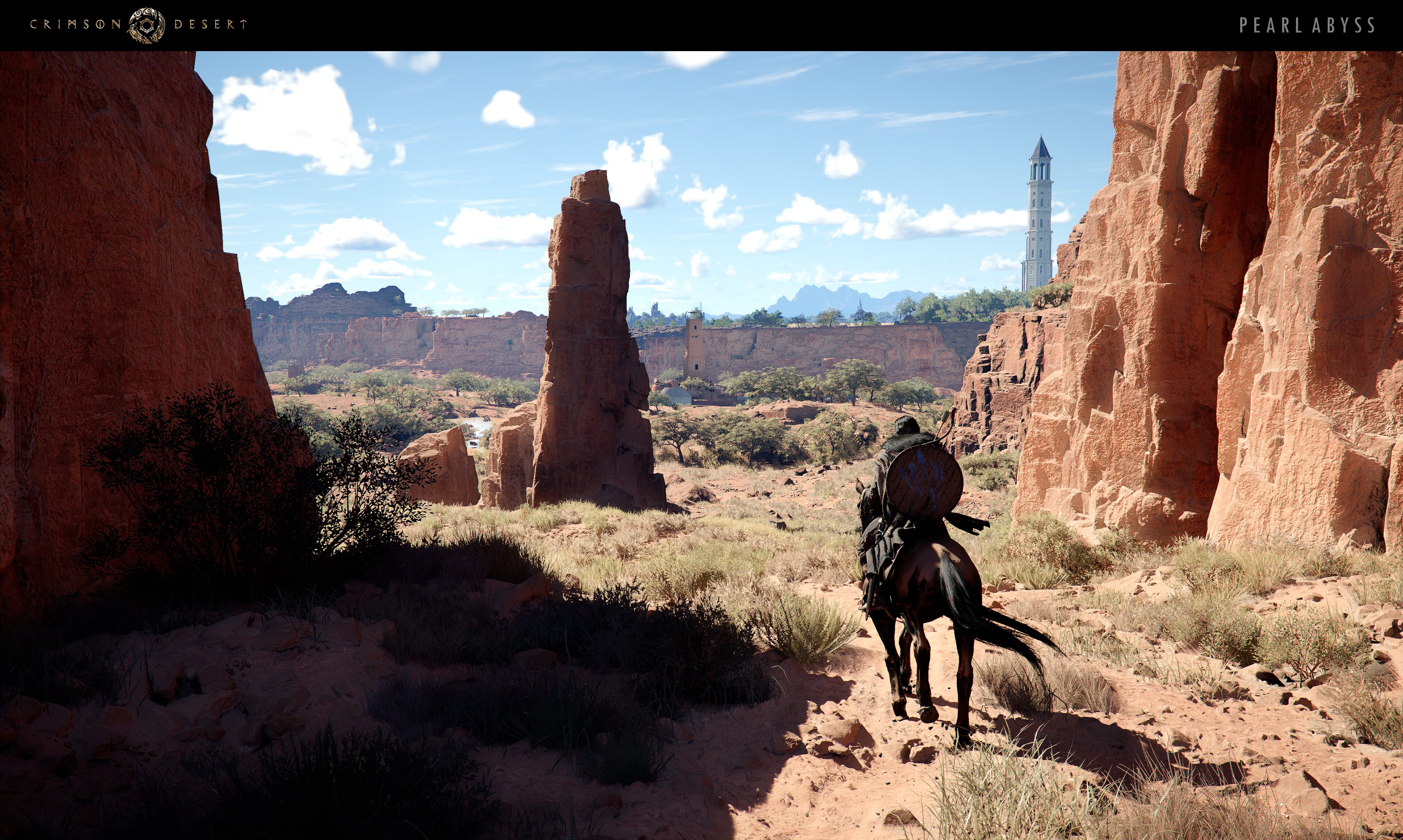
Life skills in Crimson Desert can be learned through the game's observation mechanic. This is confirmed for fishingwhere players learn by observing fishermen at the Nas River Fishing Dock. Whether logging requires a similar observation trigger or is available from the start has not been explicitly confirmed. The Abyss Tree (Abyss Tree) includes non-combat skills learned through observation, and the broader design philosophy ties skill acquisition to world interaction rather than menus.
Knowledge Library
Crimson Desert has a knowledge library with 2,921 pieces of knowledge to discover, including 355 crafting manuals. Gathering activities like logging may contribute entries to this library. The knowledge system tracks completion across categories including 573 territories, 110 factions and 29 mounts. Whether specific wood types, tree species, or logging-related entries exist within the knowledge library has not been documented in pre-release coverage.
Demenissian Chainsaw
The Demenissian Chainsaw is an advanced logging tool that replaces the standard wood-cutting axe for players who want to gather timber faster and access higher-quality wood. Unlike a regular axe, the chainsaw can fell trees much more quickly and is the only tool capable of producing Flawless Timber when properly upgraded. The chainsaw does not have durability, so once crafted, it never breaks or needs replacement.
Getting the chainsaw requires completing a technology research project and then sending companions on a dispatch mission to manufacture it. The entire process involves traveling to Delesyiafunding research at Dewhaven Keep, and using the Steelspike Armory north of the keep for production.
Unlocking the Chainsaw via Research
Crimson Desert features several research institutes scattered across the world, and the one relevant to logging is located at Dewhaven Keep in the southwestern part of Delesyia. The lead researcher there requires 1 Diamond to unlock the project list. Diamonds can be mined from cavesone reliable source is the Hernand Highlands Cavern southeast of Howling Hill and another is the cave south of Serkis Estate near the Greymane Camp.
Once you pay the diamondthe researcher opens a list of technology projects. The one you need for the chainsaw is the Electricity: Movement Conversion Mechanism Research (the second item in the first row of the research menu). Completing this research unlocks a new dispatch mission called Chainsaw Production in your missions tab.
To actually build the chainsaw, send your Greymane companions to the Steelspike Armorylocated north of Dewhaven Keep. The dispatch mission takes a couple of hours to complete. Once finished, the Demenissian Chainsaw appears in your stash back at the Greymane Camp.
Accessing Dewhaven Keep
Delesyia is controlled by the Demeniss faction, and soldiers in the region are hostile toward outsiders. Even after helping liberate castles in the area, guards may still attack on sight. The standard workaround is to equip a Disguise Cloak (head slot) along with a Camouflage Outfit (body armor). When both pieces are equipped, the disguise effect is stronger and enemies take longer to see through it.
If soldiers still attack after equipping the disguise, it is usually because they witnessed you fighting nearby. In that case, teleport out of the area using an Abyss Nexus fast travel point and then teleport back. This resets the zone's hostility state, letting you walk through Dewhaven Keep without triggering combat.
Expert Logging and Tool Upgrades

Gathering tools in Crimson Desert can be upgraded through the refinement system, the same process used for weapons and armor. Each upgrade level (+1, +2, +3, etc.) increases the tool's effectiveness. For logging tools specifically, the upgrade level determines which mastery tier you operate at, which directly affects bonus timber yield and access to rare wood types.
Upgrade Level | Mastery Tier | Bonus Timber Chance | |
|---|---|---|---|
+0 to +5 | Logging Mastery | ~10% chance for additional timber per tree | Cannot drop |
+6 and above | Expert Logging Mastery | ~50% chance for additional timber per tree | Can drop from any tree |
The jump from +5 to +6 is the most important threshold for loggers. Below +6, the standard Logging Mastery passive gives roughly a 10% chance to receive an extra piece of timber each time you fell a tree. At +6, the tool crosses into Expert Logging Mastery territory, which bumps that bonus to around 50%. This also unlocks the ability to obtain Flawless Timber as a drop.
Tools can also have gem slots added through refinement. Slotting the right gems into a +6 (or higher) chainsaw stacks even more logging bonuses on top of the Expert Logging Mastery passive, making it possible to pull two pieces of Flawless Timber from a single tree in some cases.
Flawless Timber
Flawless Timber is the highest-quality wood resource in Crimson Desert. It sits above standard Timber and Fine Timber in the material hierarchy, and it is required for crafting late-game equipment and specialized items. You cannot obtain Flawless Timber with a regular axe; you need a Demenissian Chainsaw upgraded to at least +6 (Expert Logging Mastery).
How to Farm Flawless Timber
With an Expert-level chainsaw equipped, simply chop any tree in the world. Each tree has a chance to drop Flawless Timber alongside the normal timber yield. The Expert Logging Mastery passive and any gem bonuses multiply the output, so a short farming session of five to ten large trees can yield around 40 pieces of Flawless Timber if you have the right setup.
For the best results, head to areas with dense clusters of large trees. The old-growth forests in northern Pailune and the outskirts of Delesyia (where the tallest trees grow) are the most efficient farming spots. The forested areas of Hernand also work, though trees there tend to be smaller on average.
Flawless Timber Uses
Flawless Timber is a required component in several advanced crafting recipes. It is used in the Shadowleaf Disguise set (a camouflage-style outfit crafted from Flawless Timber Palmar Leaves and various hides), high-tier weapon refinements, and end-game camp construction projects. Because of how late in progression you unlock Expert Logging, Flawless Timber effectively gates certain equipment behind the Delesyia research chain and tool refinement system.
Related Life Skills
Logging is one piece of a broader interconnected life skill ecosystem. All gathering activities feed resources into crafting, cooking and camp development.
Skill | Connection to Logging |
|---|---|
Provides metal ores that pair with wood for equipment crafting | |
Provides meat and fur for cooking and crafting; uses bow (another gathering tool with durability) | |
Provides fish for cookinglearned through observation mechanic | |
Camp plots at the Greymane Camp that produce cooking and crafting ingredients | |
Uses flowers and insects to produce medicines, potions, and dyes | |
Uses gathered food ingredients at bonfires or camp cauldrons; meals restore health, stamina, spirit and grant buffs |