
Loading...
Loading...
Crafting Materials
April 25, 2026 at 03:19 PM
Rewired 5 wikilinks to longer matching article titles
Crafting Materials are a category of gatherables in Crimson Desert that covers a broad range of processed goods, animal products, vendor staples, and specialty items. Unlike raw resources such as minerals or mushrooms and herbs, many crafting materials are obtained through secondary processing (skinning animals, logging trees) or purchased directly from shops. They are used in cooking, tool crafting, weapon and armor refinement, alchemy, and Greymane Camp construction.
Crimson Desert sorts crafting materials into several subcategories: cooking ingredients, timber, leather and hides, bones and fangs, furs and fibers, common materials, special materials, and abyss items. Each subcategory has its own sourcing methods and crafting applications. Knowing where to find each material type and what it does is essential for preparing meals, upgrading equipment, and building out the Greymane Camp.
Cooking ingredients are the base components for meals prepared at a bonfire. Most staples are purchased from grocers in towns across Hernand and the broader world, though some come from taverns, apiaries, or the wild. Each ingredient contributes a specific stat effect when used in a recipe. Combining the right ingredients at a cooking station produces dishes that grant buffs to health, stamina, spirit, resistances, and attack power.
Icon | Image | Item | Description | Source | Effect |
|---|---|---|---|---|---|
 | Draws out the hidden strength of dishes | Grocer's shop | Spirit +1 | ||
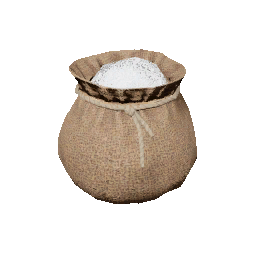 | Rich sweetness that enhances flavors | Grocer's shop | Spirit +1 | ||
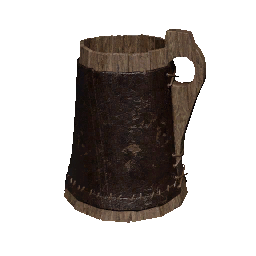 | Pure, crystalline essence that cleanses and refreshes | Grocer's shop | Spirit +1, Fire Resistance Lv2 (5 min) | ||
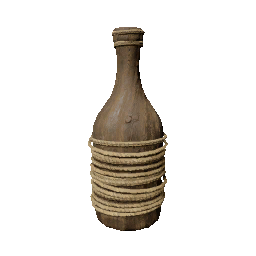 | Rich sheen and deep flavor for grilled and fried dishes | Grocer's shop | Cooking ingredient (enhances other effects) | ||
 | Rich and smooth flavor; a versatile nutritious ingredient | Grocer's shop | Health +30 | ||
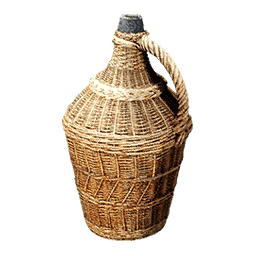 | Rich nutty aroma; essential daily nutrition | Grocer's shop | Health +30 | ||
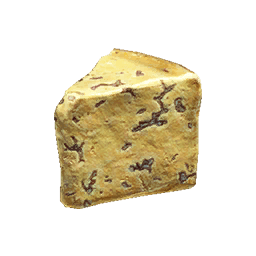 | Wide range of textures depending on aging; pairs well with bread and meat | Tavern | Health +40 | ||
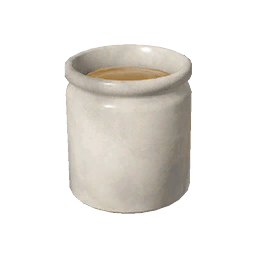 | Rich sweetness with floral aroma; maintains flavor during long storage | Bee box at apiary | Stamina +50 | ||
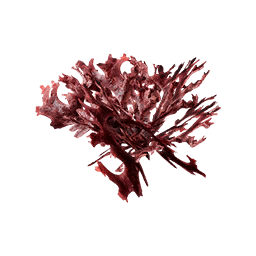 | Briny and meaty richness with a bacon-like flavor; rare coastal ingredient | Attack +2 (1 min) |
Salt and Sugar both provide a small Spirit boost (+1 each) and are cheap staples available at any grocer. Water is notable for providing both a Spirit +1 bonus and a Fire Resistance Lv2 buff lasting 5 minutes, making it useful for encounters with fire-based enemies. Egg and Milk each restore 30 Health and are readily available, while Cheese from taverns restores a higher 40 Health. Honey stands out with its Stamina +50 effect, making it one of the best ingredients for combat preparation. Red Seaweed is the only cooking ingredient that grants an Attack buff (+2 for 1 minute), but it is rare and only found along the coastlines of Demeniss and Delesyia.
Wood is obtained by chopping trees with a logging axe. It is used for camp construction, tool crafting, and some weapon components. The quality of timber depends on the tree species: common trees yield basic Timber, and each felled tree also yields Fine Timber of higher quality.
Icon | Image | Item | Description | Source | Use |
|---|---|---|---|---|---|
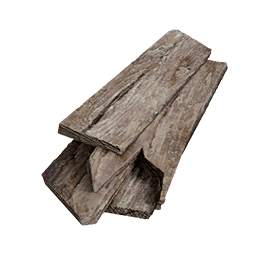 | Basic material obtained from common trees; variable strength by type | Striking trees with a logging axe | Basic crafting, camp construction, simple tools | ||
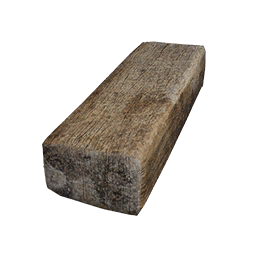 | High-quality wood obtained alongside regular Timber when felling trees | Logging rare trees with an axe | Quality furniture, weapon components, advanced camp upgrades |
Timber is one of the most commonly needed materials for Greymane Camp expansion. Fine Timber drops alongside regular Timber from any felled tree. Each tree yields both types when fully processed. Logging tools have limited durability and will break with extended use, so keep a spare axe when heading out on long gathering runs.
Hides are obtained by skinning hunted animals or purchased from tanneries. They are used in armor crafting, clothing, and decorative items. The type of hide depends on the animal species, with each variety offering different properties suited to specific equipment types.
Icon | Image | Item | Description | Source | Use |
|---|---|---|---|---|---|
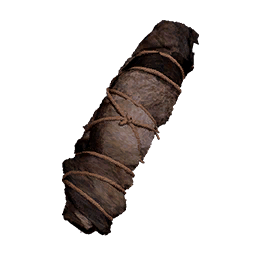 | Soft, flexible, lightweight leather from small animals | Skinning small mammals | Light armor, decorative items | ||
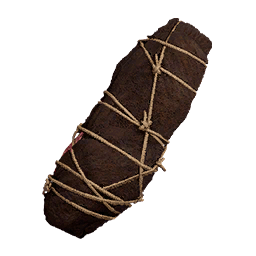 | Exceptional strength and durability; absorbs heavy impacts | Skinning giant mammals | Heavy armor, shields | ||
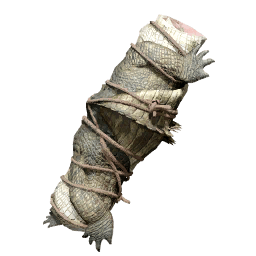 | Stiffened hide that is tough as plate but retains some flexibility | Skinning giant reptiles | Armor reinforcement, layered protection | ||
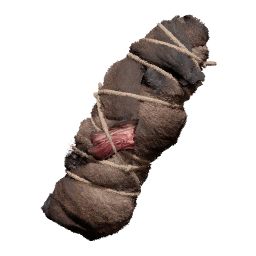 | Short fur with a soft feel; provides gentle warmth | Skinning cows, deer, sheep | Clothing, decorative linings | ||
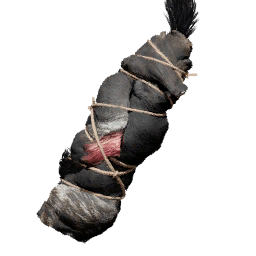 | Thick, long fur with excellent heat retention | Skinning wolves, boar | Cold weather protection, insulated gear |
The five hide types correspond directly to the size and species of animal hunted. Small mammals like rabbits and foxes yield Thin Hide suited for lightweight gear. Giant mammals such as elk and aurochs drop Thick Hide used in heavy armor pieces. Giant reptiles like basilisks provide Sturdy Hide for reinforcing existing armor. Short Hair Hide comes from domesticated animals (cows, deer, sheep) and is mainly used for clothing. Long Hair Hide from wolves and boar retains heat well and is valuable for cold weather equipment, particularly useful when exploring the northern reaches of the continent.
Bones and fangs are collected from animal carcasses after hunting. They are used in accessories, weapon enhancements, and tool construction. Larger bones from bigger prey are more durable and suitable for weapon and armor reinforcement, while fangs serve as natural piercing tips for weapons.
Icon | Image | Item | Description | Source | Use |
|---|---|---|---|---|---|
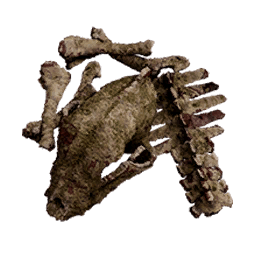 | Small and light; easy to shape and work with | Wolves, deer, goats | Accessories, tool parts, minor crafting | ||
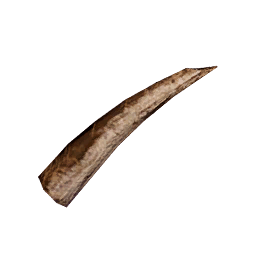 | Sharp tooth from carnivorous animals; natural piercing power | Carnivorous animals with fangs (wolves, large cats) | Weapon tips, hunting tools | ||
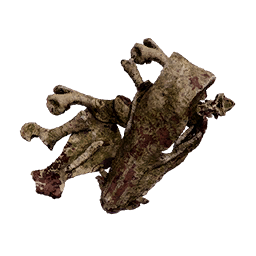 | Strong, dense bone from large animals; durable and shape-retaining | Boar, bears | Weapon and armor enhancement, structural crafting |
Small Bones are the most common drop from medium-sized prey like wolves, deer, and goats. Fangs drop specifically from carnivorous animals and are prized for their natural piercing quality when affixed to weapon tips. Large Bones from boar and bears are rarer but provide the durability needed for serious weapon and armor upgrades. Collect bones alongside hides when hunting to maximize the value of each kill.
Furs and fibers are used in clothing, ornaments, and insulation. They are obtained from specific animal types and from the Greymane Camp ranch facilities.
Icon | Image | Item | Description | Source | Use |
|---|---|---|---|---|---|
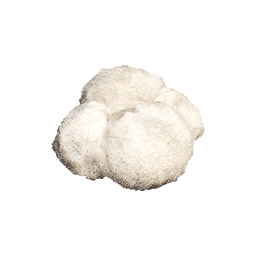 | Soft wool from sheep; moisture-absorbent and warm | Ranch at Greymane Camp (sheep) | Warmth, soft crafting, insulation | ||
 | Light and flexible bird plumage | Avian animals (birds) | Ornaments, fletching, lightweight crafting |
Fleece is produced passively at the Greymane Camp ranch once sheep are obtained. As you upgrade your camp facilities, wool production becomes more efficient. Feathers drop from birds encountered in the wild and are used primarily for decorative crafting and as fletching material. Both materials are relatively easy to stockpile once you have the right sources established.
General-purpose materials obtained from provisioner shops, the open world, or specific environmental sources. These items are used across multiple crafting disciplines including alchemy, trap construction, and mechanical repairs.
Icon | Image | Item | Description | Source | Use |
|---|---|---|---|---|---|
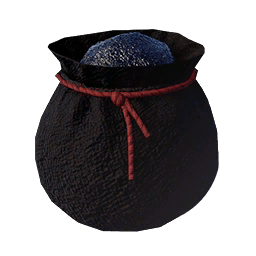 | Explosive powder; sensitive to moisture, handle with care | Provisioner's shop | Explosives crafting, ammunition | ||
 | Basic reusable container for mixing and storage | Provisioner's shop | Alchemy, potion storage | ||
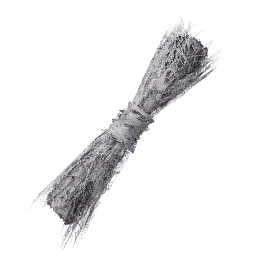 | Thin, tough, and flexible with water-resistant elasticity | Reinforcement, trap crafting | |||
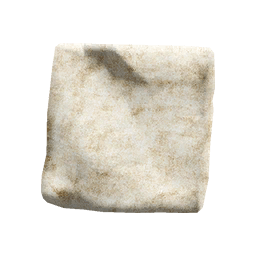 | Small garment scrap fabric salvaged from various sources | General loot, dismantling clothing | Patching, bandages, cloth crafting | ||
 | Mechanical component that sustains mechanical lifeforms | Machines and mechanical enemies | Mechanical crafting, device repairs |
Gunpowder and Empty Bottles are vendor staples stocked at provisioner shops in most settlements. Spider Web is a world-drop material found near Arboria in Hernand and is valued for its water-resistant tensile strength. Cloth Pieces drop as general loot from enemies and containers. Cogwheels come from defeating or dismantling machines and are used in specialized mechanical crafting.
Special materials are unique items with specific sourcing requirements. They are rarer than common materials and serve specialized purposes in crafting and ritual use.
Icon | Image | Item | Description | Source | Use |
|---|---|---|---|---|---|
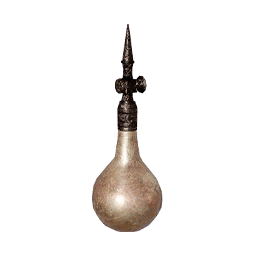 | Sacred, pure water that purifies spiritual energy | Town church | Rituals, purification, blessings |
Holy Water is purchased from the church in towns and serves a specialized role in rituals and purification. It is not used in standard crafting recipes but has unique applications related to spiritual cleansing and protective blessings.
Mechanical components are specialized materials dropped by the mechanical enemies and automatons found primarily in the Delesyia region. These items are essential for crafting Kuku equipment upgrades at the Kilnden Workshop.
Item | Description | Source | Use |
|---|---|---|---|
Charged mechanical part that powers advanced Kuku devices | Large mechs in Delesyia and surrounding islands | Kuku equipment upgrades (e.g., Kuku Marni Laser Helm) | |
Gate of Collapse Power Core | Elemental power core with destructive energy | Kuku equipment upgrades | |
Sanctum-grade power source ejected from a cleansed kiln | Lyselia's sanctum kiln puzzle | Kuku equipment upgrades |
Electrical Components only drop from the large mechs, not the smaller ones. After defeating a large mech, it shakes and explodes, leaving the component on the ground. Use the grapple hook to pick it up and seal it in the Kuku Iron Pot for safe storage. The Gate of Collapse Power Core is obtained from stone worm enemies found in specific caves. Fire the grapple hook at the eyeball inside the worm's mouth for a one-hit kill. The Core of Transgression requires completing a kiln puzzle at one of Lyselia's sanctums, involving a timing-based light mechanism where each notch must be illuminated in sequence.
Icon | Image | Item | Description | Use |
|---|---|---|---|---|
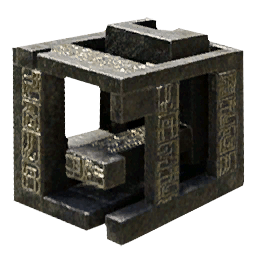 | Mystical relic that hides true power | Skill enhancement, equipment refinement | ||
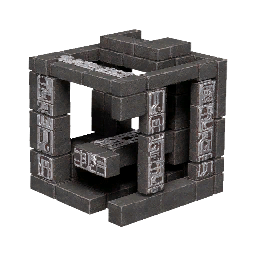 | Mystical relic infused with Abyssal power; stronger than standard artifacts | Skill enhancement, equipment refinement | ||
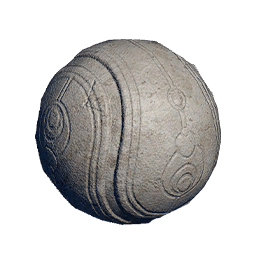 | Smooth stone with subtle patterns; serves as an Abyssal power source | Abyssal crafting, powering Abyss gear | ||
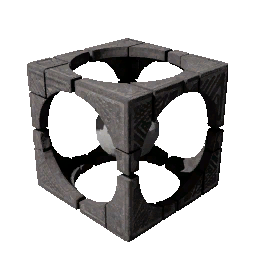 | Allows reclaiming invested artifacts for respeccing skill points | Skill tree reset, build experimentation |
Faded Abyss Artifacts are particularly valuable because they allow you to reclaim artifacts that have been invested into skills, effectively letting you reset portions of your skill tree. Save these for when you want to experiment with different builds or if you discover a more effective skill combination later in the game.
Cooking staples such as Salt, Sugar, Water, Cooking Oil, Eggs, and Milk are available at grocer's shops in most towns. Cheese is found at taverns, and Honey is collected from bee boxes at apiaries. Gunpowder and Empty Bottles are stocked at provisioner shops. Holy Water can be purchased at the town church. Vendor inventories restock over time, so return periodically to replenish supplies.
Hides, bones, and fangs come from hunting wild animals. After killing an animal, interact with the carcass to skin it and collect materials. The type of hide depends on the animal: small mammals yield Thin Hide, giant mammals yield Thick Hide, and giant reptiles provide Sturdy Hide. Fur type varies between Short Hair Hide (cows, deer, sheep) and Long Hair Hide (wolves, boar). Bones and Fangs are collected from the same carcasses based on the animal's anatomy.
Timber and Fine Timber are obtained by chopping trees with a logging axe. Common trees yield regular Timber, and each tree also produces Fine Timber when fully processed. Logging tools have limited durability and will break with extended use, so carry spares or craft replacements before long gathering sessions.
Some materials like Spider Web and Cloth Pieces are found through gathering in specific locations or as general loot from enemies and containers. Red Seaweed is found along the coastlines of Demeniss and Delesyia, making it region-specific. Cogwheels drop from mechanical enemies and can also be found near machine locations.
Fleece is produced at the Greymane Camp ranch from sheep. As you upgrade your camp facilities, more production options become available for various crafting materials. Companion dispatch missions can also bring back materials from distant regions while you focus on other activities.
While fishing yields fish rather than crafting materials, the fish caught serve as cooking ingredients alongside the materials listed above. Coastal gathering during fishing trips is also a good way to collect Red Seaweed from shoreline areas.
Stock up on Salt, Sugar, and Cooking Oil early. These staples are cheap and used in nearly every cooking recipe.
Honey provides Stamina +50 and is one of the best cooking ingredients for combat preparation. Visit apiaries whenever you pass through areas that have them.
Red Seaweed grants Attack +2 for 1 minute when used in cooking, making it valuable for offensive meal preparation. Collect it from the shorelines of Demeniss and Delesyia.
Water is more useful than it appears. Beyond its Spirit +1 bonus, it provides a Fire Resistance Lv2 buff for 5 minutes, which can be critical against fire-element enemies and bosses.
Thick Hide and Sturdy Hide are needed for the best armor upgrades. Prioritize hunting giant mammals and reptiles when you encounter them.
Spider Web from Arboria in Hernand is used for crafting traps and reinforcements. Stock up when passing through the area.
Faded Abyss Artifacts allow you to reset your skill tree, so save them for when you want to experiment with different builds.
Collect bones and hides together when hunting. Every animal carcass can yield multiple material types, so always fully loot each kill.
Keep a spare logging axe in your inventory. Logging tools break with use, and running out mid-session means wasted travel time.
Cheese (Health +40) from taverns offers more healing than Egg or Milk (Health +30 each), making it the better choice when you have limited recipe slots.
