

Overview
Collectibles are handcrafted items found throughout the world of Pywel. These decorative objects serve two primary purposes: they can be placed inside your home at Greymane Camp to personalize your living space, or they can be gifted to NPCs to build relationships and increase trust. Collectibles are discovered by exploring towns and interacting with objects in the environment, or they can be purchased from vendors across the continent.
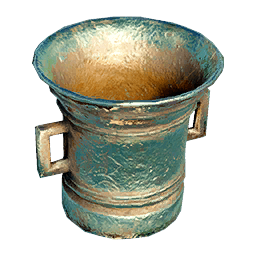
Each collectible carries its own story and reflects the craftsmanship and culture of the region where it was found. With over 60 items spanning categories like ceramic containers, wooden vessels, metal wares, candles and lamps, dolls and art, and special collectibles, there is no shortage of objects to discover. Sell prices range from as low as 1 Bell for common items like candles and flower baskets to 57 Bells for the craftable Dark Red Dye, making certain collectibles a decent source of income if you prefer selling over decorating.
NPC Gifting and Trust
Giving collectibles to NPCs is one of the most effective ways to increase your trust level with them. Trust is a relationship metric that tracks how an NPC feels about Kliff, and higher trust can unlock tangible gameplay benefits. When you present a collectible as a gift, the NPC's trust increases based on the item's perceived value.
The benefits of raising trust with NPCs include lower prices when purchasing goods from that NPC's shop, access to new dialogue options that provide lore and worldbuilding context, the ability to unlock special requests or side quests that are only available at higher trust thresholds, and potential discounts on services like repairs or crafting. Not every NPC has the same preferences, so experimenting with different collectible types can yield better results with certain characters.
To gift a collectible, interact with the NPC and select the gift option from the dialogue menu. The collectible is consumed in the process, so choose carefully. If you have duplicates of a low-value item, gifting the extras is a practical way to build trust without losing anything valuable.
Knowledge System
Collectibles are closely tied to the broader Knowledge System. Gathering collectibles, talking to NPCs, and exploring new areas all contribute to Knowledge completion.
The Knowledge menu organizes entries into distinct categories. The following numbers have been confirmed from official previews and the game's menus:
Entries | How to Unlock | |
|---|---|---|
Territories | 573 | Visit and explore named locations across Pywel. Entering a new area registers it in the codex. |
355 | Discover crafting recipes through exploration, quest rewards, and purchasing from merchants. | |
110 | Encounter the various factions operating across Pywel, from mercenary bands to political groups. | |
76 | Defeat unique boss enemies found throughout the world, in dungeons, and during story missions. | |
Mount types | 29 | Tame, purchase, or acquire different mount species including horses, bears, dragons, raptors, and mechs. |
Additional categories | 1,778 | Includes people, adventures, creatures, and other discovery types. Exact breakdown not yet fully confirmed. |
Total | 2,921 |
Knowledge entries are obtained through many different activities:
Examining items: Looking at food in a shop's inventory, inspecting an object in the world, or reading a document can all register Knowledge entries.
Speaking to characters: Conversations with NPCs, quest givers, and story characters unlock entries in the people category.
Entering locations: Simply arriving at a named location or territory adds it to the codex. Exploring every corner of Pywel is rewarded.
Defeating enemies: Killing bosses and creatures adds them to the bestiary section of the Knowledge System.
Collecting mounts: Taming wild horses or acquiring other mount types registers them as Knowledge entries.
Completing quests: Many side quests and story objectives yield Knowledge entries as part of their rewards.
Greymane Camp Decoration
After Kliff and the surviving Greymanes establish Greymane Camp near Hernand Town, the camp becomes your permanent home base. Inside Kliff's personal quarters, you can place collectibles to decorate the interior. Each item has its own 3D model that appears on shelves, tables, or walls once placed.
Decorating the camp is purely cosmetic and does not affect gameplay stats, but it provides a visual record of your exploration progress. Filling your shelves with ceramic jars from different towns, hanging glass lamps from various regions, and lining your tables with dolls and trophies creates a personal museum that reflects everywhere you have traveled across Pywel.
To place a collectible, enter your quarters at Greymane Camp and interact with a decoration spot. Select the item from your inventory and confirm the placement. Items can be rearranged or removed at any time.
How to Obtain Collectibles
Exploration: Search towns, homes, and points of interest throughout Pywel. Many collectibles are hidden in interactable objects such as shelves, crates, and cabinets. Pay attention to the UI prompt that appears when you are near an interactable object.
Vendors: Some vendors across the continent sell collectibles for Silver. Check vendor inventories regularly, as their stock may rotate over time.
Crafting: Certain collectibles like Dark Red Dye can be crafted using a cauldron with specific ingredients. The crafting recipe requires Pink Medicinal Herb x10, Rhinoceros Beetle x3, Longhorn Beetle x1, and Stag Beetle x2.
Tournaments: Trophies are earned by winning competitions such as the Spear Duel tournament.
Theft: Some paintings and valuables can be stolen from manor houses like Glenbright Manor. Stolen collectibles can be sold to fences or kept as decorations.
Collectibles by Region
Each of Pywel's regions contains its own set of collectibles and Knowledge entries. The continent is estimated at 80 to 110 square kilometers, and taking approximately six hours to cross on foot. Major regions include:
Hernand: The starting region with pastoral countryside, forests, and the town of Hernand. Rich in early-game collectibles and NPC Knowledge entries.
Pailune: A snowy mountain region with unique creatures and environmental challenges.
The Crimson Desert region: An arid landscape with its own set of factions, creatures, and territories.
Coastal areas: Fishing spots, unique marine life, and port settlements contribute to Knowledge entries.
Collectible Types
Collectibles are organized into seven categories. Each type reflects a different aspect of Pywel's craftsmanship and culture.
Ceramic Containers
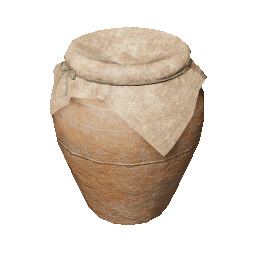
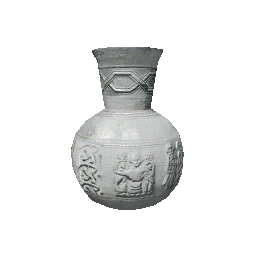
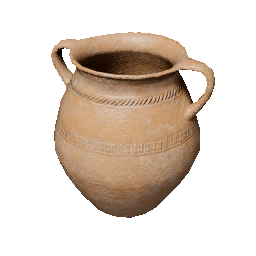
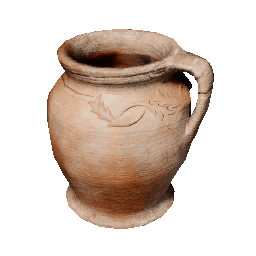
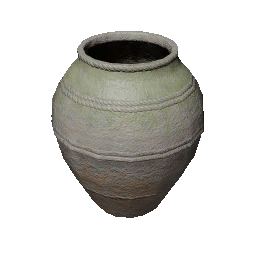
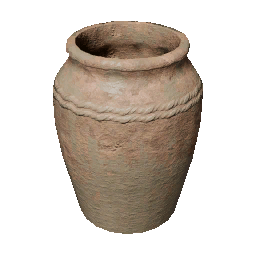
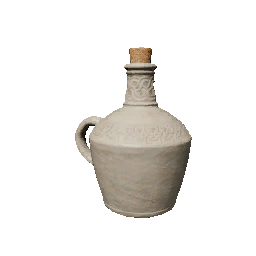
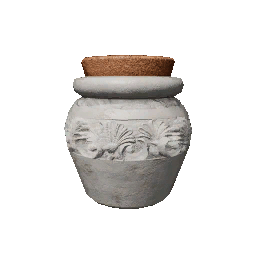
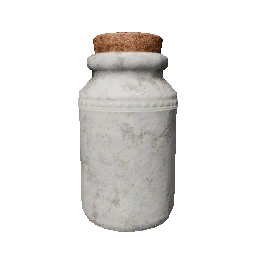
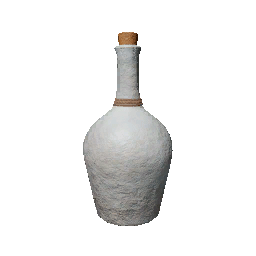
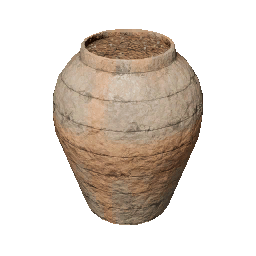
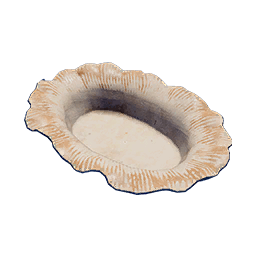
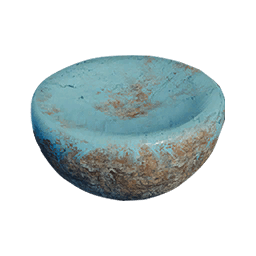
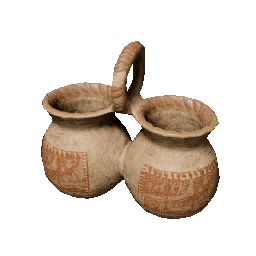
Ceramic containers are among the most common collectibles. Crafted by artisans across Pywel, these items range from grain storage jars to ornate water bottles found in taverns. Most ceramic items sell for 1 to 3 Silver, making them more useful as gifts or decorations than as a source of income.
Image | Item | Sell Price | Description |
|---|---|---|---|
| 2 | A ceramic container carefully crafted by an artisan. It's a jar used for storing grains and similar goods, ideal for keeping large quantities for extended periods. | |
| None | A ceramic container meticulously crafted by an artisan, commonly found in taverns. Its wide mouth makes it convenient for filling and pouring. | |
| None | A ceramic storage container designed for grains and similar goods. The two handles allow for easy transport. | |
| None | A single-handled ceramic storage container used for everyday storage in households across Pywel. | |
| None | A ceramic container carefully crafted by an artisan, used for essential water storage in both homes and taverns. | |
| None | Designed to stow various types of food while maintaining aesthetic appeal. The glaze gives it a polished finish. | |
| None | A ceramic jar with a tall, cylindrical form used for grain storage. | |
| None | Multiple ceramic food containers stacked together for efficient storage and display. | |
| None | A metal water bottle with a narrow, sloped mouth that makes pouring water convenient. has a distinctive blue glaze. | |
| None | A ceramic tavern bottle with a wide base for stability. Common in drinking establishments throughout Pywel. | |
| None | A ceramic tavern bottle with a jar-like form, popular in the Hernandian Territory. | |
| None | An extended ceramic water bottle designed for carrying larger volumes on long journeys. | |
None | A container for household food and water storage, commonly found in kitchens. | ||
| None | A ceramic tavern beverage container used in establishments across the continent. | |
| None | A ceramic grain storage jar, a staple in rural households. | |
| None | A ceramic food storage container with a shallow, wide profile. | |
| None | A ceramic food container in a damaged state. Despite its condition, it is still valued as a collectible. | |
| None | A standard ceramic grain storage jar found in farming communities. |


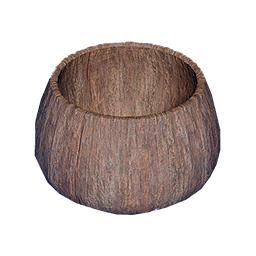
Wooden Vessels
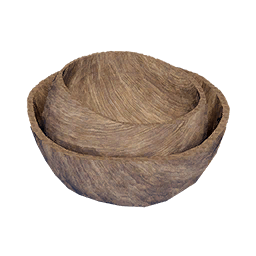
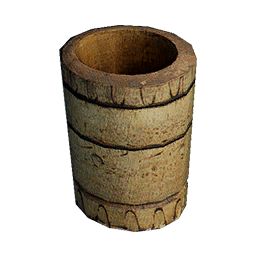
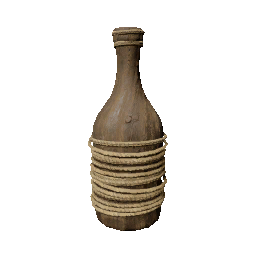
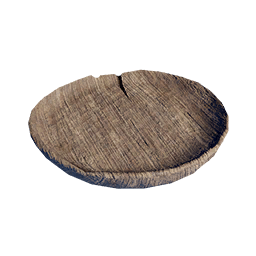
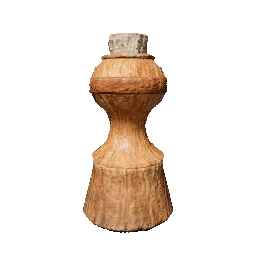
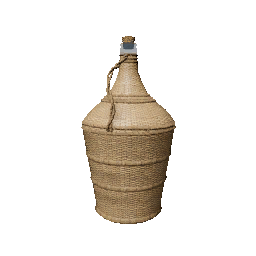
Wooden vessels are lightweight containers carved by artisans. Many of these hold deep personal meaning for the people of Pywel, serving as everyday drinking cups, plates, and storage bottles. Their modest material value belies the care put into their creation.
Image | Item | Sell Price | Description |
|---|---|---|---|
| None | A wooden container carved with much love by an artisan. It holds deep meaning despite its material value, commonly found as a part of daily lives. | |
| None | A wooden plate used for serving bread and other baked goods at meals. | |
| None | A deep wooden serving bowl used in household kitchens. | |
None | A wooden bowl designed for storing and serving grain. | ||
| None | A wooden food storage vessel, practical and commonly used. | |
| None | A wooden drinking vessel found in households across Pywel, shaped for easy handling. | |
| None | A common wooden storage bottle. Light and practical for everyday use. | |
| None | A flat wooden plate used for food, found in homes and taverns alike. | |
| None | A common wooden bottle that is light and easy to carry, popular among travelers. | |
| 1 | A wooden container carved with much love by an artisan. Made from common wood, it is the most popular water bottle. It is relatively light, so many folks carry it around. |
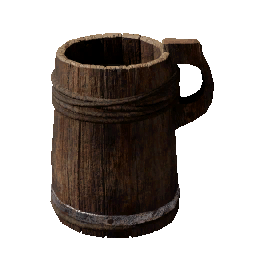
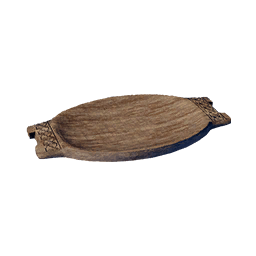
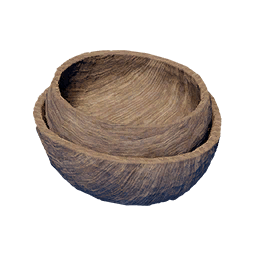
Metal Wares
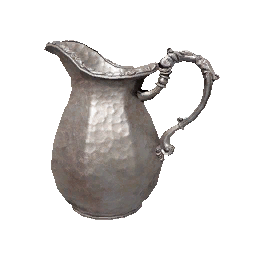
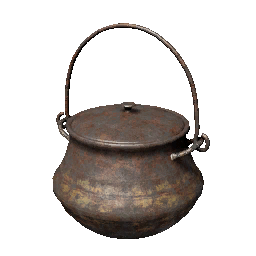
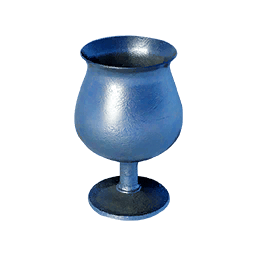
Metal containers and utensils are meticulously cast by artisans. Their smooth, stable curves reflect the high level of craftsmanship in Pywel's metalworking traditions. Metal wares tend to sell for higher prices than ceramic or wooden items, with the Iron Pot fetching 9 Bells.
Image | Item | Sell Price | Description |
|---|---|---|---|
| 9 | A metal container meticulously cast by an artisan. Its smooth, stable curves make it perfect for displaying fruit or adding a classic touch to the dining table. | |
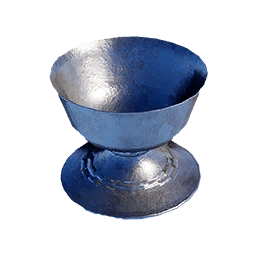
| 3 | A metal container meticulously crafted by an artisan. Ideal for savoring drinks, the cup is primarily used at banquets or rituals. Its subtle sheen stands out, but its weight makes it inconvenient to carry. | |
None | A metal drinking vessel commonly seen at banquets and ceremonial events throughout Pywel. | ||
| None | A metal serving bowl with a polished finish, used in both kitchens and display. |
Candles and Lamps
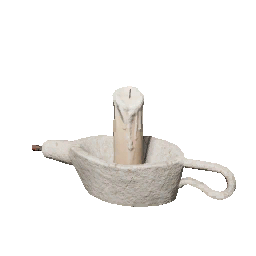
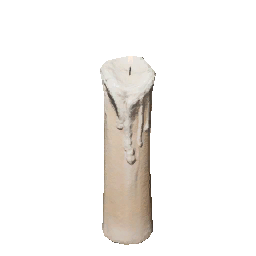
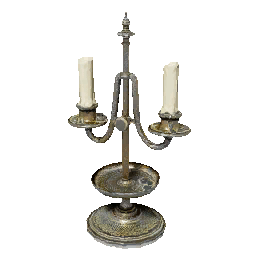
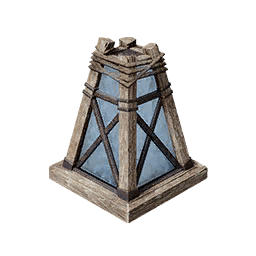
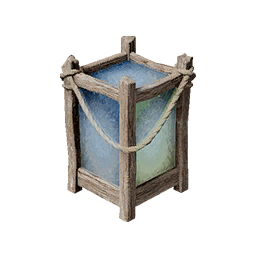
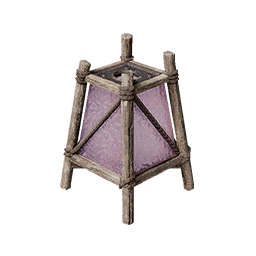
Lighting collectibles range from simple candles to ornate glass lamps. These items fill spaces with warmth and are popular choices for Greymane Camp decoration. Candles are among the cheapest collectibles at 1 Bell each, while the more elaborate glass lamps are rarer finds.
Image | Item | Sell Price | Description |
|---|---|---|---|
| 1 | A source of light that illuminates the dark with its gentle flickering flame. It provides tranquility of the psyche, and the modest yet steady light lingers long in one's mind, making small moments memorable. | |
| None | A basic candle providing a steady, unadorned light. Simple but effective. | |
| None | A dual-candle lighting fixture that provides twice the illumination of a single candle. | |
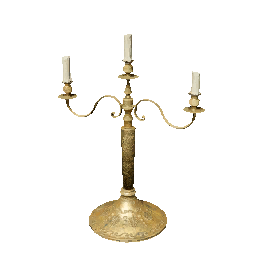
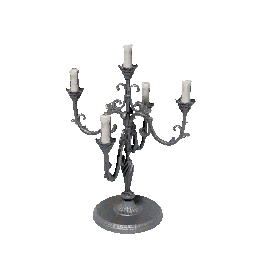
| None | A candelabra holding three candles, offering warm ambient light for larger rooms. | |
| None | A source of light that illuminates the dark with its gentle flickering flame. It provides tranquility of the psyche, and the modest yet steady light lingers long in one's mind, making small moments memorable. | |
| None | A source of light that softly brightens the darkness, filling the space with warmth. Glass, metal, gemstones, or other materials catch the light, scattering gently, conveying both calm and warmth. | |
| None | A source of light that softly brightens the darkness, filling the space with warmth. Glass, metal, gemstones, or other materials catch the light, scattering gently. | |
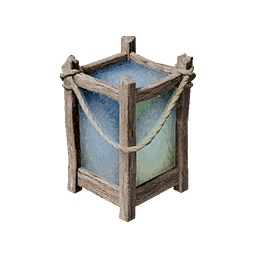
| None | A glass lamp with a cool-toned aesthetic, casting a pale, icy glow across the room. | |
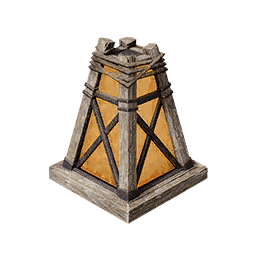
| None | A smaller glass lamp with warm twilight tones, suited for intimate spaces. | |
| None | A glass lamp that emits a cool, icy-white glow. Popular as a decorative accent. | |
| None | A glass lamp with a distinctive lilac hue, said to originate from the pavilions of Pywel's noble estates. |

Dolls and Art
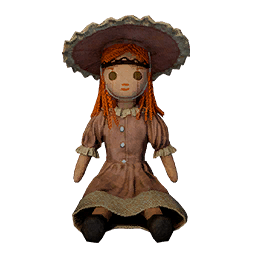
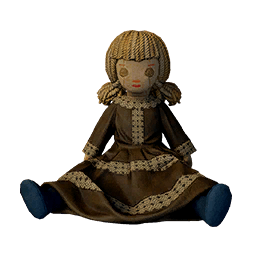
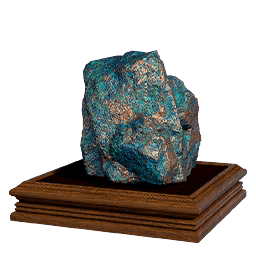
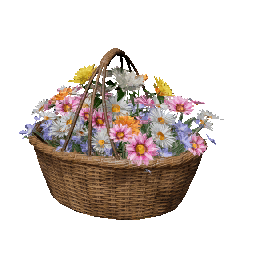
Decorative dolls and artwork represent the creative spirit of Pywel's people. Each piece is crafted with love and is a small companion or centerpiece. This category also includes natural art pieces like flower baskets and sculptural works like kinetic art and decorative stones.
Image | Item | Sell Price | Description |
|---|---|---|---|
| None | An artwork crafted with love that is a small companion. Its simple yet beautiful attire carries the warm sentiment of its creator. This evocative piece inspires a sense of timeless friendship through its silent, steadfast presence. | |
| None | A doll figure wearing a brown bonnet, handcrafted with care and attention to detail. | |
| None | A doll dressed in brown clothing. This reflects the everyday fashion of Pywel's rural communities. | |
| None | A generic companion doll, simple in form but cherished by collectors. | |
26.6 | An artwork where movement and balance exist in harmony. Structures crafted from various materials move, creating scenes where light and shadow merge together. This sculptural artwork allows the viewer to feel vitality within the space itself. | ||
| None | A work of art shaped by wind, water, and the passage of time. Its surface carries a quiet glow and subtle grain, sometimes as intricate as scales, and at other times as fierce as flames, drawing the viewer into the timeless flow of nature. | |
| 1 | A natural work of art that refreshes the soul just by looking at it. It may not hold the immense value of other artworks, but the beauty of these carefully selected flowers warms the heart of any observer. |


Special Collectibles
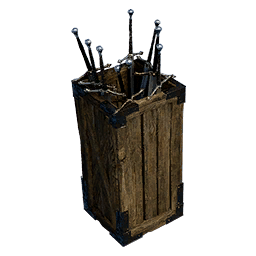
Some collectibles are earned through specific activities or found in unique circumstances. These items carry particular significance and often sell for higher prices. The Weapons Box commands 38 Silver, while the craftable Dark Red Dye is the single most valuable collectible at 57 Bells.
Image | Item | Sell Price | Description |
|---|---|---|---|
None | A trophy awarded to the winner of the duel tournament. The ragged breaths that once filled the arena and the crowd's roaring cheers are still soaked into it. | ||
| 38 | A box built with a sturdy and secure structure to guard secrets. Crafted for various purposes such as strongboxes and document chests, it reflects individual needs and tastes. Though the exterior may be rugged, each one holds its own unique story and meaning inside. | |
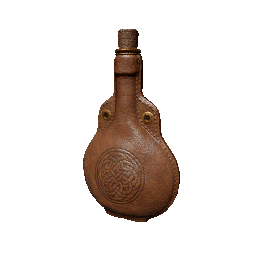
| 1 | A container crafted from leather meticulously tanned by an artisan. Lightweight and easy to carry, it is an ideal water bottle for long journeys. Its excellent waterproofing and sealing make it highly practical, while the leather's natural color and texture are pleasing to the eye. | |
| None | Objects that stir curiosity. Each collectible carries its own story. Varied in shape and material, these assorted trinkets are kept with the thought that they may one day prove useful. | |
19 | Objects that stir curiosity. Each collectible carries its own story. Varied in shape and material, these assorted trinkets are kept with the thought that they may one day prove useful. | ||
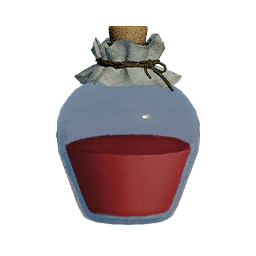
| 57 | [Crafting Method] Crafting Tool: Cauldron. Materials: Pink Medicinal Herb x10 + Rhinoceros Beetle x3 + Longhorn Beetle x1 + Stag Beetle x2. Commonly handled in the Hernandian Territory; Oliver the Dyer can recreate this color. |

Paintings
Paintings are a special sub-category of collectibles that can be stolen from manor houses or purchased from vendors. These artworks depict scenes from Pywel's history, landscapes, and battles. Stolen paintings can be sold to fences for quick profit or kept as decorations.
Image | Item | Sell Price | Description |
|---|---|---|---|
None | A painting that can be stolen from Glenbright Manor. Depicts a scene on the eve of a great conflict. | ||
None | A painting that can be stolen from Glenbright Manor. Portrays the golden fields of Pywel's agricultural heartland. |
Boss Collectibles
Crimson Desert features 76 unique bosses spread across the world. These include story bosses, optional overworld bosses, dungeon bosses, and Abyss-related encounters. Defeating each boss registers a Knowledge entry and typically rewards Abyss Artifacts, rare equipment, or crafting materials.
Boss-dropped equipment carries Signature Abilities that significantly improve combat effectiveness. Players aiming for full Knowledge completion should seek out every optional boss encounter.
Sell Price Reference
The following table summarizes all confirmed sell prices for collectibles, sorted from highest to lowest value. Items marked with "--" have unconfirmed prices that may be updated as more data becomes available.
Image | Item | Sell Price (Bells) | Category |
|---|---|---|---|
57 | Special (Craftable) | ||
38 | Special | ||
26.6 | Dolls and Art | ||
19 | Special | ||
9 | |||
3 | Metal Wares | ||
2 | Ceramic Containers | ||
1 | Candles and Lamps | ||
1 | Dolls and Art | ||
1 | Wooden Vessels | ||
1 | Special |
Collectible Location Guides
The following guides provide detailed maps, routes, and tips for finding each category of collectible in Crimson Desert.
Collectible Type | Guide | Description |
|---|---|---|
Hidden bells scattered across Pywel; ringing them grants Knowledge entries and unique rewards | ||
Sealed Abyss Artifacts | Powerful artifacts sealed within the world; collecting them unlocks Abyss abilities | |
Concealed treasure chests containing rare equipment, materials, and currency | ||
Secret Passages | Hidden paths, tunnels, and concealed rooms with bonus loot and Knowledge entries | |
Stone tablets containing lore fragments that contribute to Knowledge completion | ||
Treasure Maps | Found maps that lead to buried treasure and puzzle-locked vaults |
Fog of War and Exploration
The world map starts shrouded in fog of war that clears as you explore. For a detailed breakdown of exploration mechanics, see the Exploration article.
The Explorer perk in the Scholarship branch of the skill tree removes all fog of war and reveals every point of interest, hunting spot, merchant, and fast travel location on the map. Until that perk is unlocked, systematic exploration is the primary way to uncover new areas.
Tips
Explore every building and room you encounter. Collectibles are often tucked away in corners or on shelves.
Check vendor inventories regularly, as their stock may change over time.
Some collectibles are region-specific, so you may need to progress the story to access new areas and find them all.
Pay attention to interactable objects highlighted by the game's UI prompt system.
If you are short on Bells, prioritize selling high-value items like the Weapons Box (38 Bells), Kinetic Art: Counterweight (26.6 Bells), and Scales (19 Bells) rather than common ceramics.
When gifting collectibles to NPCs, start with low-value duplicates. There is no confirmed bonus for giving expensive items over cheap ones.
Dark Red Dye is the most valuable collectible at 57 Bells, but crafting it requires a cauldron and multiple beetle species, so weigh the crafting cost against the sell price.
For Completionists
Check the Knowledge menu regularly: It shows your progress across all categories and highlights what you have not yet discovered.
Talk to everyone: NPC conversations are a primary source of Knowledge entries. Even casual merchants and background NPCs can yield entries.
Examine shop inventories: Browsing items in shops, even without purchasing, can register new Knowledge entries.
Explore off the beaten path: Back alleys, rooftops, cave systems, and remote areas often contain unique Knowledge entries unavailable elsewhere.
Invest in the Scholarship skill branch: The Explorer perk reveals the full map, making it much easier to track down remaining collectibles.
Tame every mount type: With 29 mount types to find, mount collection requires visiting diverse regions and engaging with the horse taming minigame.
Defeat all 76 bosses: Some bosses are well-hidden or gated behind side quests. Thorough exploration and quest completion are essential.
Related Guides
Map Completion Guide for strategies on clearing the fog of war and achieving 100% map exploration
Achievement Guide for collectible-related achievements and trophies
All Challenges for challenge objectives that overlap with collectible hunting
Secrets & Easter Eggs for hidden content and developer secrets