

Cooking in Windrose is a core survival mechanic that replaces the traditional hunger and thirst systems found in most survival games. Instead of draining over time, food provides temporary buffs to health, stamina, and combat stats. The design treats eating as a reward rather than a penalty: meals grant buffs instead of merely staving off starvation. Players can stack up to two food buffs and one drink buff simultaneously, making meal planning an important part of preparation for dungeons and boss fights.
Cooking Stations
To cook food, you need to build a Cooking Fire. Unlike many crafting stations in Windrose, the Cooking Fire is portable and can be placed anywhere without needing to be within Bonfire range or under a roof. This makes it possible to cook meals in the field before entering a dungeon or tackling a difficult encounter. The Cooking Fire requires basic resources to construct: a small amount of wood and stone.
New recipes are unlocked automatically when you pick up a new ingredient for the first time. This discovery-based system encourages exploration across islands, since each biome contains different plants, animals, and harvestable goods.
How Food Buffs Work
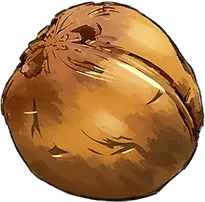
Each food item provides a specific stat bonus that lasts for a set duration. Basic raw foods like coconuts or cooked dodo meat provide short buffs lasting around 7 minutes. Advanced cooked recipes provide stronger buffs lasting up to 30 minutes. When a buff expires, the stat bonus is removed and you need to eat again to restore it.
You can have two food buffs active at the same time, plus one drink buff. This means you can stack, for example, a Strength food, a Vitality food, and a stamina drink for a combined stat boost before entering combat. Choosing the right combination of foods is part of the game's tactical layer.
Ingredients and Where to Find Them
Ingredients are found throughout the archipelago. Each island has its own selection of harvestable plants and animals. Some ingredients are plentiful, while others are rare and found only in specific locations.
Image | Ingredient | Location | Notes |
|---|---|---|---|
| Beaches on most islands | Abundant, often found on the ground | |
Starting island, coastal areas | Dropped by Coastal Dodos | ||
Forested areas | Dropped by Boars and Savage Boars | ||
Pepper | Second and third islands | Found growing on bushes | |
| Second and third islands | Harvested from patches near ruins | |
| Tropical areas | Found on trees or on the ground | |
Egg | Near Dodo nesting areas | Also found in some camps | |
| All islands | Used in both cooking and alchemy |



Food vs. Potions
Food buffs and alchemy potions serve different roles. Food provides sustained stat buffs over time, while potions offer instant effects like burst healing. You can have food buffs and potion effects active simultaneously. For boss fights, the ideal setup is to eat two strong foods before the encounter and keep healing potions ready for emergencies.
Cooking in Co-Op
In co-op play, one player can specialize in cooking for the group. Since food buffs affect only the player who eats, each party member needs their own supply. Coordinating who brings which ingredients to a shared base can streamline preparation. The Cooking Fire can be used by any player, so a single fire placed at a dungeon entrance works for the entire group.
Tips for Cooking
Always carry coconuts as a backup food source. They are everywhere and provide a small but useful stamina buff.
Cook in bulk before heading to a new island. Bring enough food to last through exploration and any boss encounters.
Prioritize recipes that match your build. STR food for melee builds, AGI food for agility-focused playstyles.
The Cooking Fire is cheap to craft. Place them at dungeon entrances so you can rebuff between attempts.
Keep different food types in separate storage baskets at your base for easy inventory management.
Complete Recipe Catalog
Every cooked recipe confirmed in the 0.10.x Early Access build, grouped by recipe tier. Each recipe is prepared at a Cooking Fire. All cooked foods provide a Max HP increase on top of the listed attribute bonus. Tier 1 and Tier 2 recipes are unlocked on the starting and second islands; Tier 3 and Tier 4 recipes require jungle, swamp, and late-island ingredients. +5 bonuses last 15 minutes; +10 and +20 bonuses last 30 minutes.
Tier 1 Recipes (Starter Island)
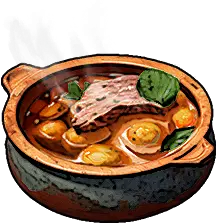
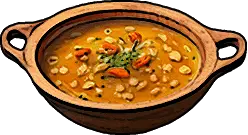
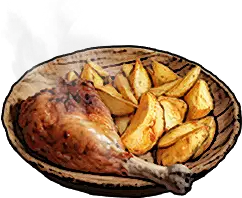
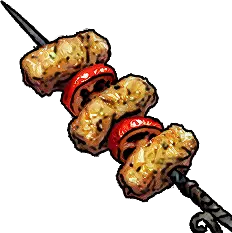
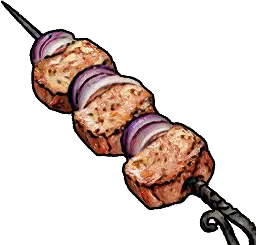
T1 dishes use ingredients available on the starting island and coastal spawns. They are the first serious buffs available, and a bulk stack of Bacon and Eggs plus a Spicy Chicken or Spicy Breaded Kebab is enough to clear the first two bosses.
Image | Recipe | Rarity | Effect | Duration | Ingredients |
|---|---|---|---|---|---|
| Uncommon | +5 Vitality + Max HP | 15 minutes | ||
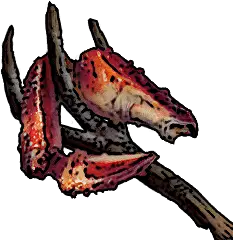
| Uncommon | Max HP | 15 minutes | 1x Crab Meat | |
| Uncommon | +5 Agility + Max HP | 15 minutes | 1x Coconut, 1x Meat, 1x Sweet Potato | |
| Uncommon | Max HP | 15 minutes | 1x Bird Meat | |
| Uncommon | Max HP | 15 minutes | 1x Meat | |
| Uncommon | +5 Strength + Max HP | 15 minutes | 1x Cayenne Pepper, 1x Crab Meat | |
| Rare | +10 Vitality + Max HP | 30 minutes | 5x Cayenne Pepper, 2x Bird Meat, 3x Sweet Potato | |
| Rare | +10 Strength + Max HP | 30 minutes | 5x Cayenne Pepper, 1x Dodo Egg, 2x Bird Meat |



Tier 2 Recipes (Second Island)
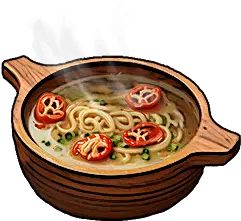
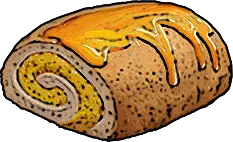
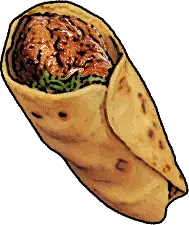
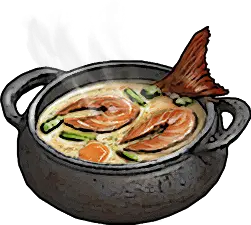
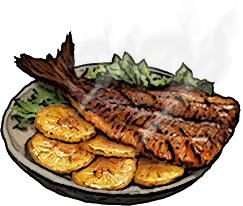
T2 recipes step up into +10 attribute buffs and longer ingredient lists. Fish Fillet, Tomato, Dodo Egg, and Cornmeal become the backbone of most mid-game meals. Burrito, Meat Salad, and Tangy Nut Roll trade flat Max HP for modest attribute boosts, while Chowder and Fish and Tostones hit the +10 Agility and +10 Vitality thresholds.
Image | Recipe | Rarity | Effect | Duration | Ingredients |
|---|---|---|---|---|---|
| Uncommon | +5 Agility + Max HP | 15 minutes | ||
| Uncommon | +5 Vitality + Max HP | 15 minutes | ||
| Uncommon | Max HP | 15 minutes | ||
| Uncommon | +5 Strength + Max HP | 15 minutes | 1x Fish Fillet, 1x Crab Meat | |
| Uncommon | +5 Precision + Max HP | 15 minutes | ||
| Uncommon | Max HP | 15 minutes | 1x Cornmeal | |
| Rare | +10 Precision + Max HP | 30 minutes | 4x Banana, 2x Cane Sugar, 3x Cornmeal, 1x Dodo Egg | |
| Rare | Max HP | 30 minutes | ||
| Rare | +10 Agility + Max HP | 30 minutes | 3x Fish Fillet, 3x Sweet Potato, 2x Salt | |
| Rare | +10 Vitality + Max HP | 30 minutes | 3x Banana, 3x Fish Fillet, 2x Nuts | |
| Rare | +10 Agility + Max HP | 30 minutes | 1x Dodo Egg, 2x Meat, 3x Sweet Potato |





Tier 3 Recipes (Jungle and Swamp)
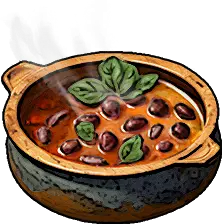
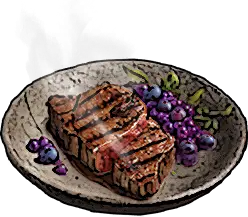
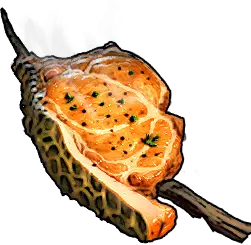
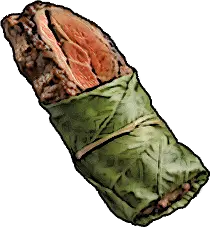
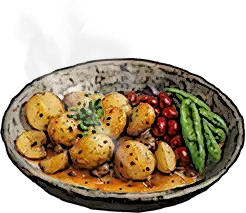
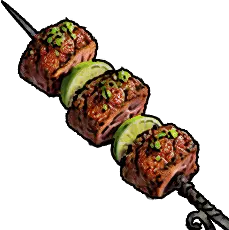
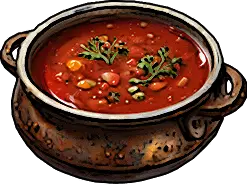
T3 is where the cooking fire starts to replace potions as the primary pre-boss buff. Meaty Croc Kebab and Seafood Platter cap attribute values at +20, and Gazpacho and Swamp Pie add Agility and Precision options for ranged builds. Crocodile Tail, Lobster Mushroom, Cocoplum, and Mysterious Spice are the gating ingredients.
Image | Recipe | Rarity | Effect | Duration | Ingredients |
|---|---|---|---|---|---|
| Uncommon | +5 Agility + Max HP | 15 minutes | 1x Cayenne Pepper, 1x Beans, 1x Meat | |
| Uncommon | +5 Precision + Max HP | 15 minutes | ||
| Uncommon | +5 Vitality + Max HP | 15 minutes | 1x Cocoplum, 1x Crocodile Tail | |
| Uncommon | Max HP | 15 minutes | ||
| Uncommon | Max HP | 15 minutes | 1x Crocodile Tail, 1x Leek | |
| Rare | +10 Vitality + Max HP | 30 minutes | 4x Beans, 2x Lobster Mushroom, 4x Sweet Potato | |
| Rare | +10 Strength + Max HP | 30 minutes | 4x Lime, 2x Lobster Mushroom, 2x Meat | |
| Epic | +20 Agility + Max HP | 30 minutes | 5x Tomato, 5x Leek, 4x Salt, 1x Mysterious Spice | |
| Epic | +20 Strength + Max HP | 30 minutes | 4x Crocodile Tail, 5x Meat, 5x Leek, 2x Mysterious Spice | |
| Epic | +20 Vitality + Max HP | 30 minutes | 4x Lime, 7x Fish Fillet, 3x Crab Meat, 4x Salt | |
| Epic | +20 Precision + Max HP | 30 minutes | 5x Cocoplum, 3x Cane Sugar, 4x Cornmeal, 2x Mysterious Spice | |
| Epic | +20 Mastery | 30 minutes | 5x Tomato, 5x Beans, 6x Cornmeal, 2x Mysterious Spice |

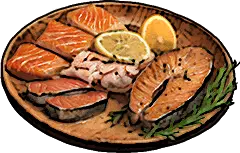


Tier 4 Recipes (Late Game)
T4 recipes are rare and require Legendary-tier ingredients gated behind late islands. They carry the same duration as Tier 3 buffs but use more rare ingredients per cook, so most players save them for Raid-style bosses rather than general exploration.
Recipe | Rarity | Effect | Duration | Ingredients |
|---|---|---|---|---|
Legendary | Max HP | 30 minutes |
Drinks
Drinks occupy a separate buff slot from the two food slots, so a drink stacks cleanly with any two cooked meals. Most drinks provide Endurance, Agility, or Precision bonuses, which makes them particularly valuable for dodge-heavy and ranged builds. All drinks are prepared at the Cooking Fire.
Image | Drink | Rarity | Effect | Duration | Ingredients |
|---|---|---|---|---|---|
| Common | Max HP | 0 | 1x Banana, 1x Coffee Beans, 1x Cane Sugar | |
| Uncommon | +5 Endurance + Max HP | 15 minutes | ||
| Uncommon | +5 Endurance + Max HP | 15 minutes | ||
| Uncommon | +5 Endurance + Max HP | 15 minutes | 1x Lime, 1x Cane Sugar | |
| Rare | Max HP | 1x Banana, 1x Coffee Beans, 1x Cane Sugar | ||
| Rare | +10 Endurance + Max HP | 30 minutes | 4x Cocoplum, 4x Lime, 5x Cayenne Pepper | |
| Rare | +10 Endurance + Max HP | 30 minutes | ||
| Epic | +20 Endurance + Max HP | 30 minutes | 4x Cane Sugar, 4x Coffee Beans | |
| Legendary | +10 Endurance + Max HP | 30 minutes | 3x Corn, 3x Lime, 3x Cane Sugar |









Raw Foods and Directly Edible Ingredients
Raw ingredients can be eaten without cooking for a short 7-minute Max HP buff. They are useful early on when the Cooking Fire has not been built, and for emergency topping-up between dungeon rooms. The buff is modest, but several raw foods stack with a cooked meal because they use the same buff slot as cooked foods (the new buff simply overwrites the old one).
Image | Ingredient | Rarity | Duration | Notes |
|---|---|---|---|---|
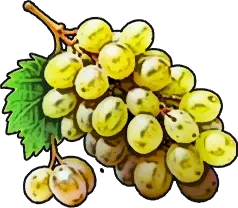
| Common | 7 minutes | A sweet fruit. Found in the Coastal Jungle. | |
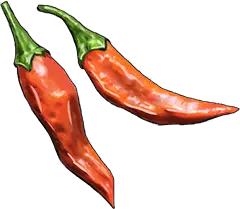
| Common | 7 minutes | Large, crisp peppers used to season many a dish. They make the flavor richer, and the bite hotter. Just don't overdo it. | |
| Common | 7 minutes | Found on the beach, and on palm trees along the shore in the Coastal Jungle. | |
| Common | 7 minutes | Cocoplum. Grows in the Swamps. | |
| Common | 7 minutes | Fresh corn. It can be ground, roasted, boiled, pickled, baked, added to other dishes, and that's not even the full list. | |
| Legendary | Stack size: | ||
| Common | Found in the Swamps. | ||
| Common | 7 minutes | Grows in the Foothills. | |
| Common | 7 minutes | Lush red tomatoes. They've been cultivated by ancient civilizations for centuries. |





Recipe Tier and Buff Scaling
Recipe rarity maps directly to attribute bonus and duration. Common raw foods grant a baseline Max HP buff for 7 minutes. Uncommon T1 meals add a +5 attribute bonus for 15 minutes. Rare T2 and T3 meals jump to +10 for 30 minutes, which is where most players plant their buff slots for boss fights. Epic and Legendary T3 and T4 meals cap attribute bonuses at +20 for 30 minutes, but their ingredient demands (Mysterious Spice, Crocodile Tail, Leek, Coffee Beans) are much higher, so bulk-cooking them is usually limited to raid nights rather than everyday travel.
Rarity | Attribute Bonus | Duration |
|---|---|---|
Common (Raw) | Max HP only | 7 minutes |
Uncommon (T1) | +5 to one attribute + Max HP | 15 minutes |
Rare (T2 / T3) | +10 to one attribute + Max HP | 30 minutes |
Epic (T3) | +20 to one attribute + Max HP | 30 minutes |
Legendary (T3 / T4) | +10 to +20 to one attribute + Max HP | 30 minutes |
Which Attribute Should You Cook For?
Match the primary attribute on your build to avoid wasted buff slots. The cooking catalog covers every attribute tier, so every build has at least one +10 or +20 option once the second or third island opens up.
Attribute | Best Food | Best Drink | Notes |
|---|---|---|---|
Meaty Croc Kebab (T3, +20) | None | Stacks with club, mace, and Halberd weapons. Spicy Breaded Kebab (T1, +10) is an earlier substitute. | |
Seafood Platter (T3, +20) | None | Highest Max HP ceiling in the game. Spicy Chicken with Sweet Potato (T1, +10) is the earliest +10 VIT option. | |
Gazpacho (T3, +20) | None | Stacks with dodge recovery and stamina-regen talents. Chowder and Hearty Egg Broth are the T2 +10 options. | |
Swamp Pie (T3, +20) | None | Boosts ranged weapon accuracy and crit chance. Banana Muffin (T2, +10) is a budget pick using second-island crops. | |
None (no food +Endurance) | Coffee (T3, +20) | Only drinks roll Endurance. Chicha morada (T4, +10), Spicy Swamp Juice (T3, +10), and Sunmilk Tonic (T2, +10) are the next-best options. |
Cooking Stations and Recipes Unlocks
Every cooked recipe above is unlocked when the player first picks up all of its ingredients. The game does not hand out recipe papers; the cookbook auto-populates as exploration opens up new biomes. If a recipe is missing from your in-game list, check which ingredient you have not yet harvested. Mysterious Spice, Leek, Coffee Beans, and Crocodile Tail are the most commonly missing ingredients for players still working through Tier 2 content.
The Cooking Fire itself only requires a small amount of Wood and Stone to build, and it can be placed on any flat ground. Multiple fires can be placed near a boss arena to cook the whole party's meals at once.
Related pages: food and potions for buff stacking and the Hungry debuff; alchemy for elixir preparation; health and healing for how max HP buffs scale with rally healing.