Loading...
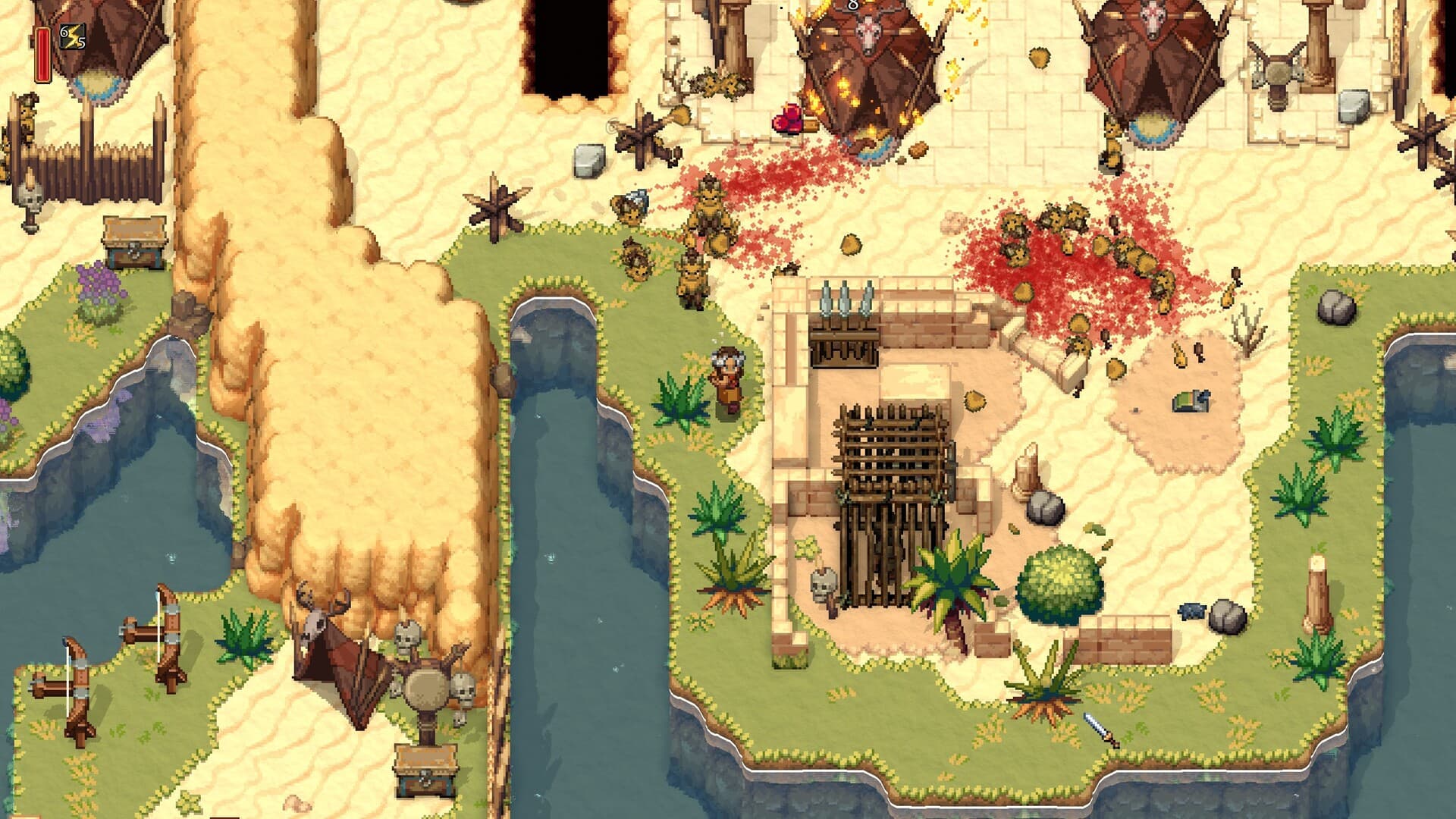
The Desert is Romestead's mid-game biome and a sharp step up in difficulty, with scarce resources, tougher enemies, and two of the game's five bosses: Pyzifax and the Cyclops.
Advanced buildings let players automate production lines and set up empire-wide trade routes between settlements using the Trading Post.
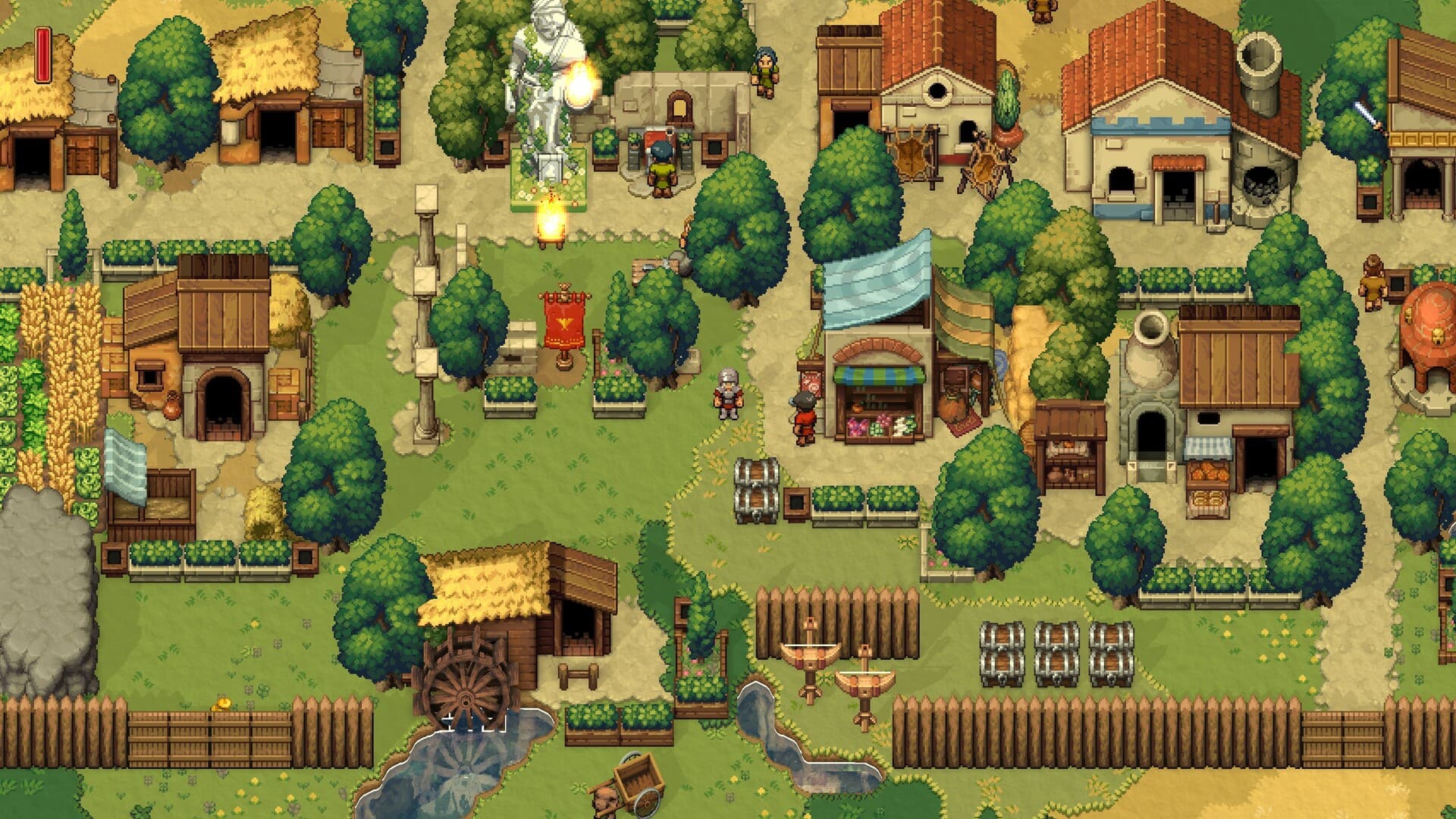
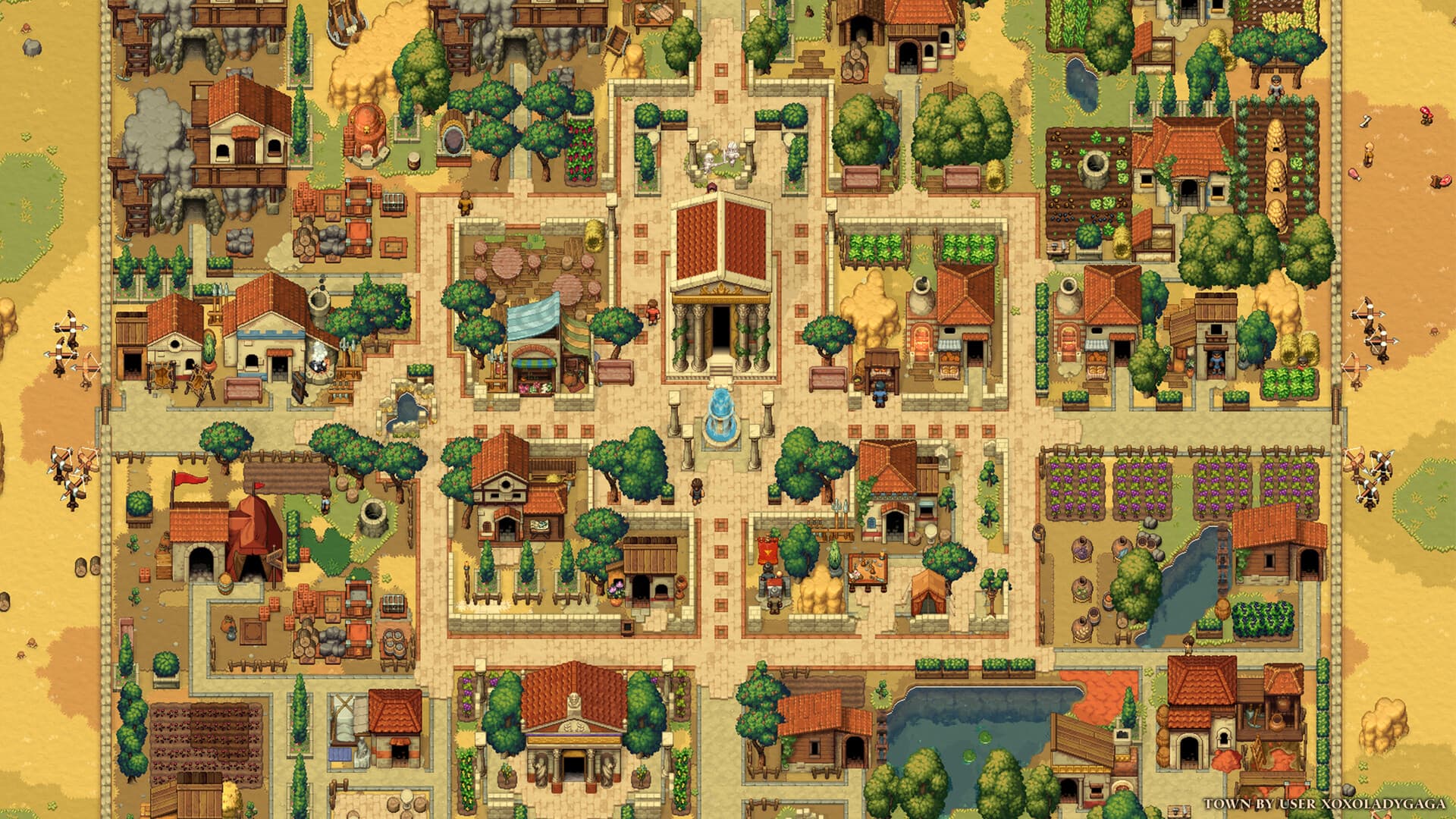
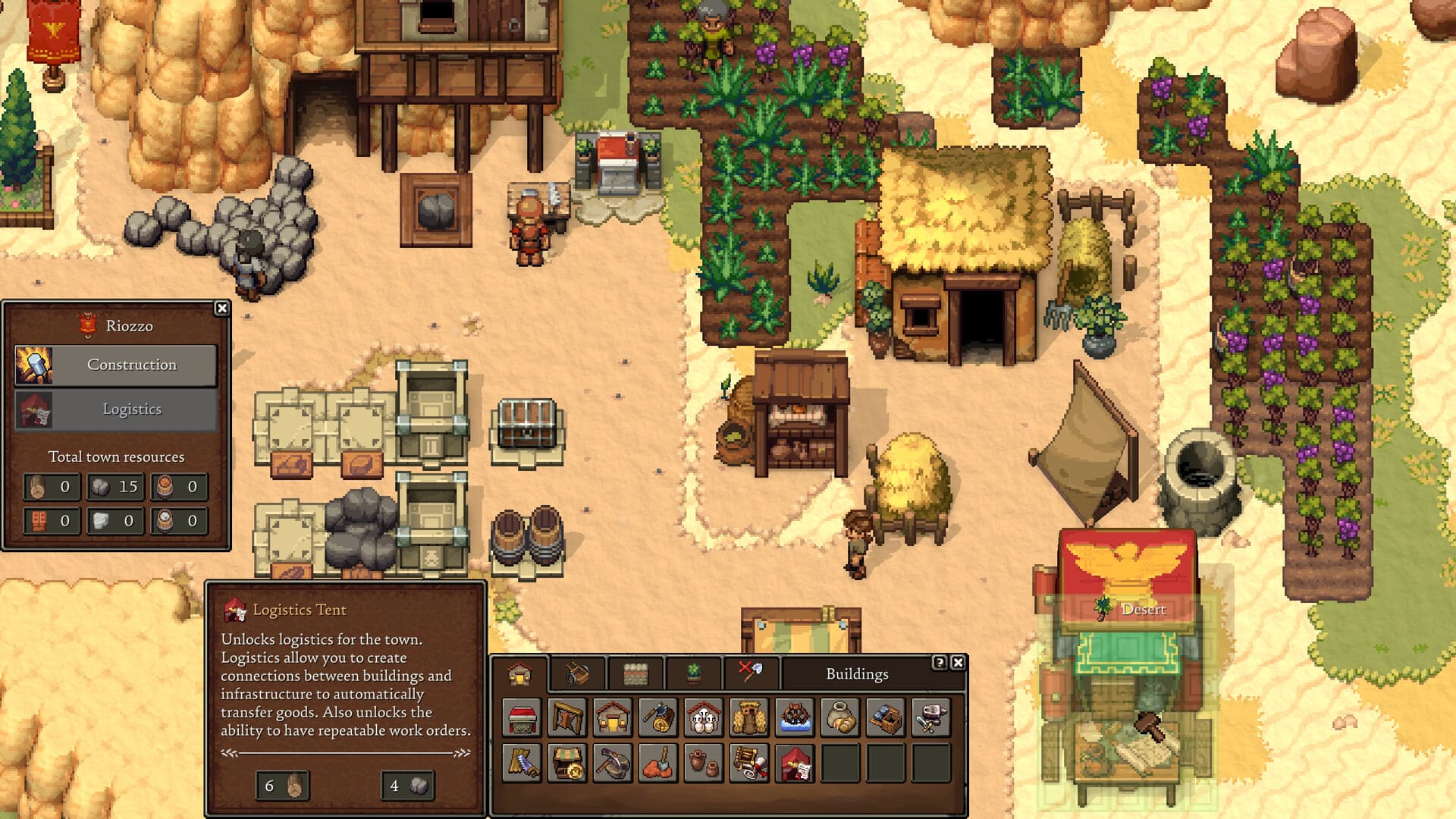
Players recruit surviving artisans, build production buildings, keep citizens happy, and expand into specialized settlements across the world.
The Cyclops is Romestead's second progression boss, fought at the end of The Eye dungeon in the Desert. The 10,000 HP encounter belongs to the Virgil's Poem chain and drops the Tectonic set.
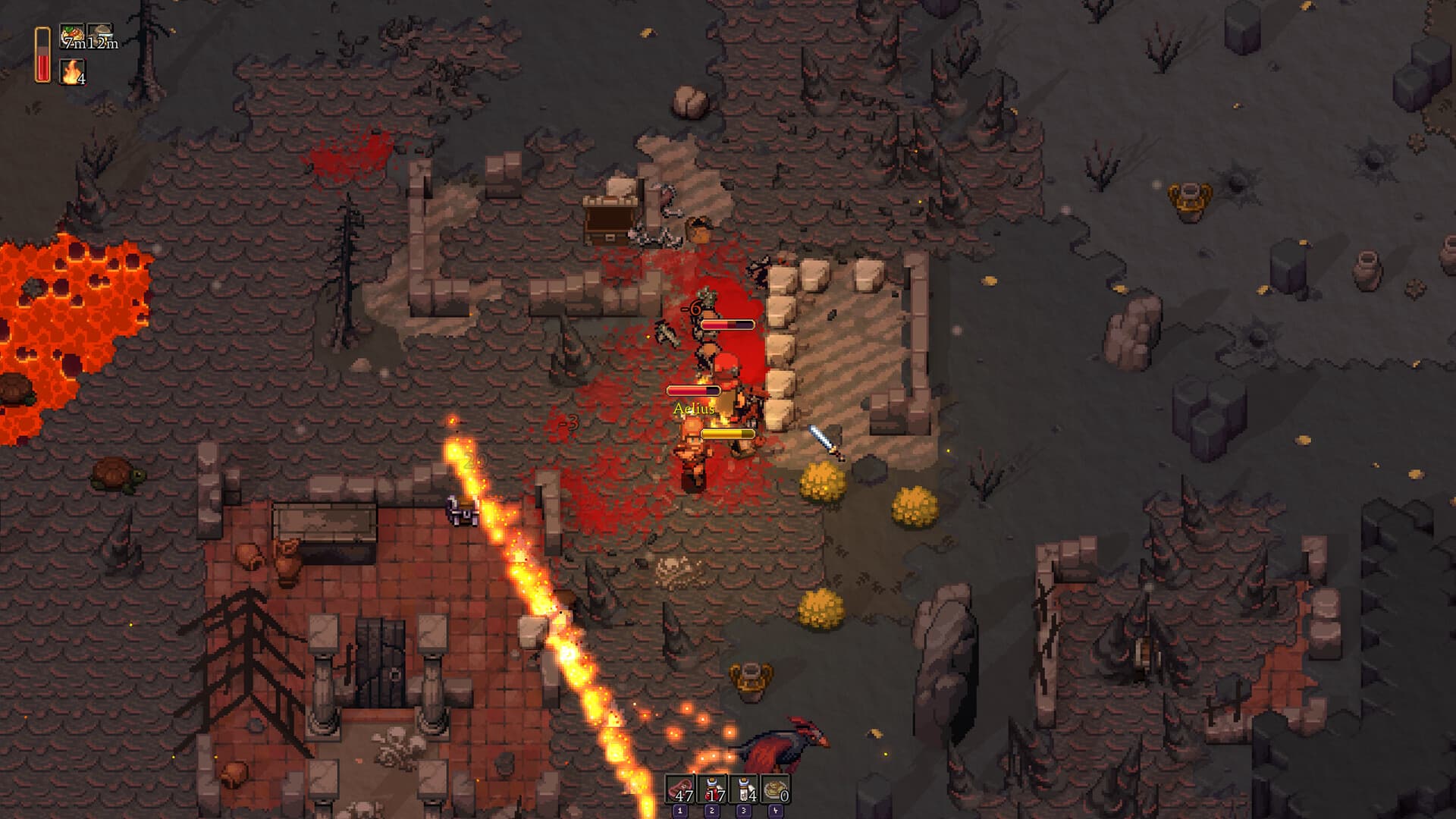
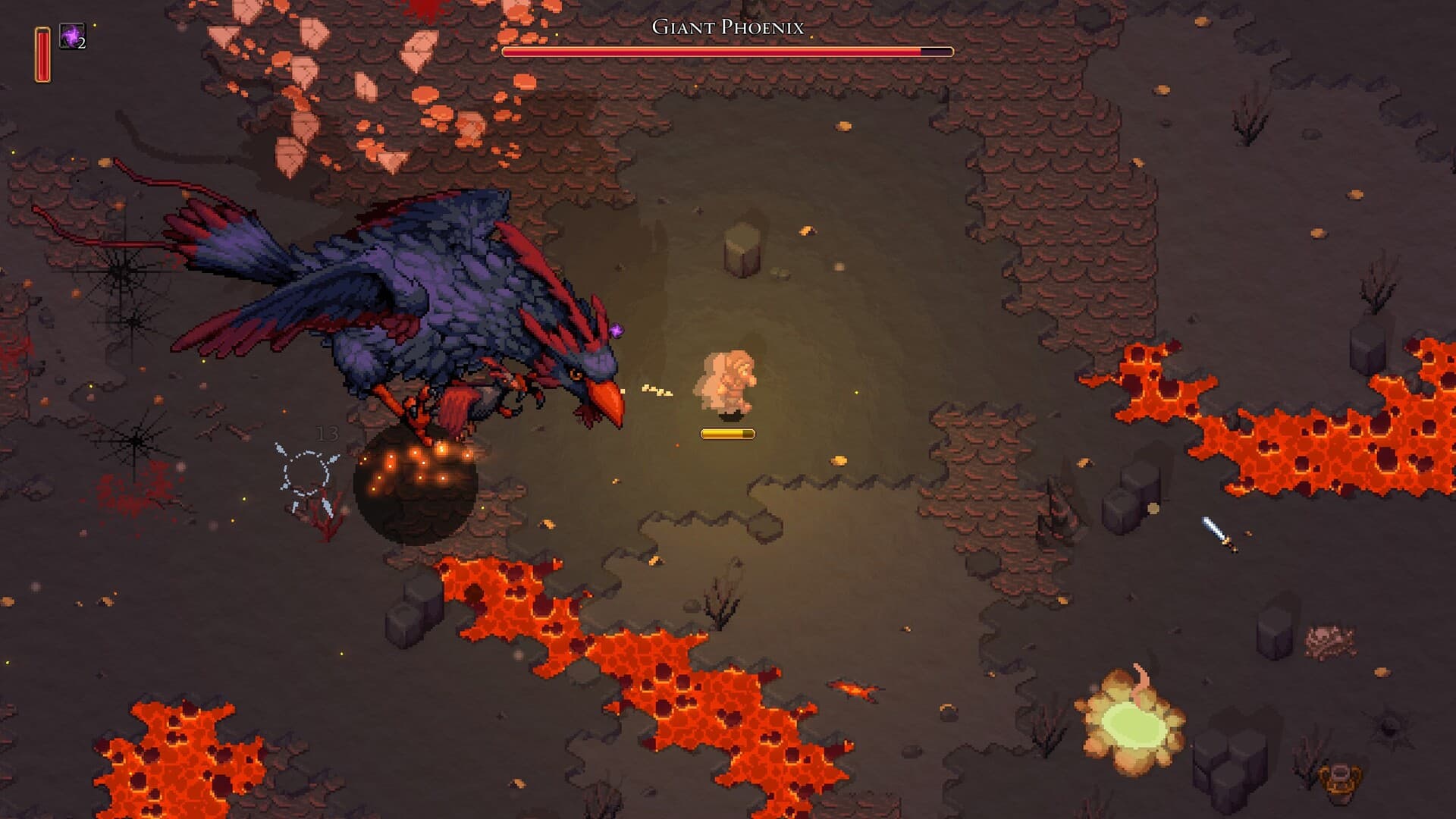
The Volcano is Romestead's late-game biome and the headline addition of Early Access, holding two legendary foes, the Magma Forge, sulphur vents, and the most dangerous enemies in the build.
Farming is Romestead's calmer pillar: Farm Land and the Farmstead grow crops, the Beehive produces honey, and mills process grain. Ceres is the god aligned with the whole system.
Food in Romestead is both survival fuel and a combat tool. Citizens need it to stay loyal, and Bakery dishes and prepared meals carry lasting buffs that matter before tough fights.
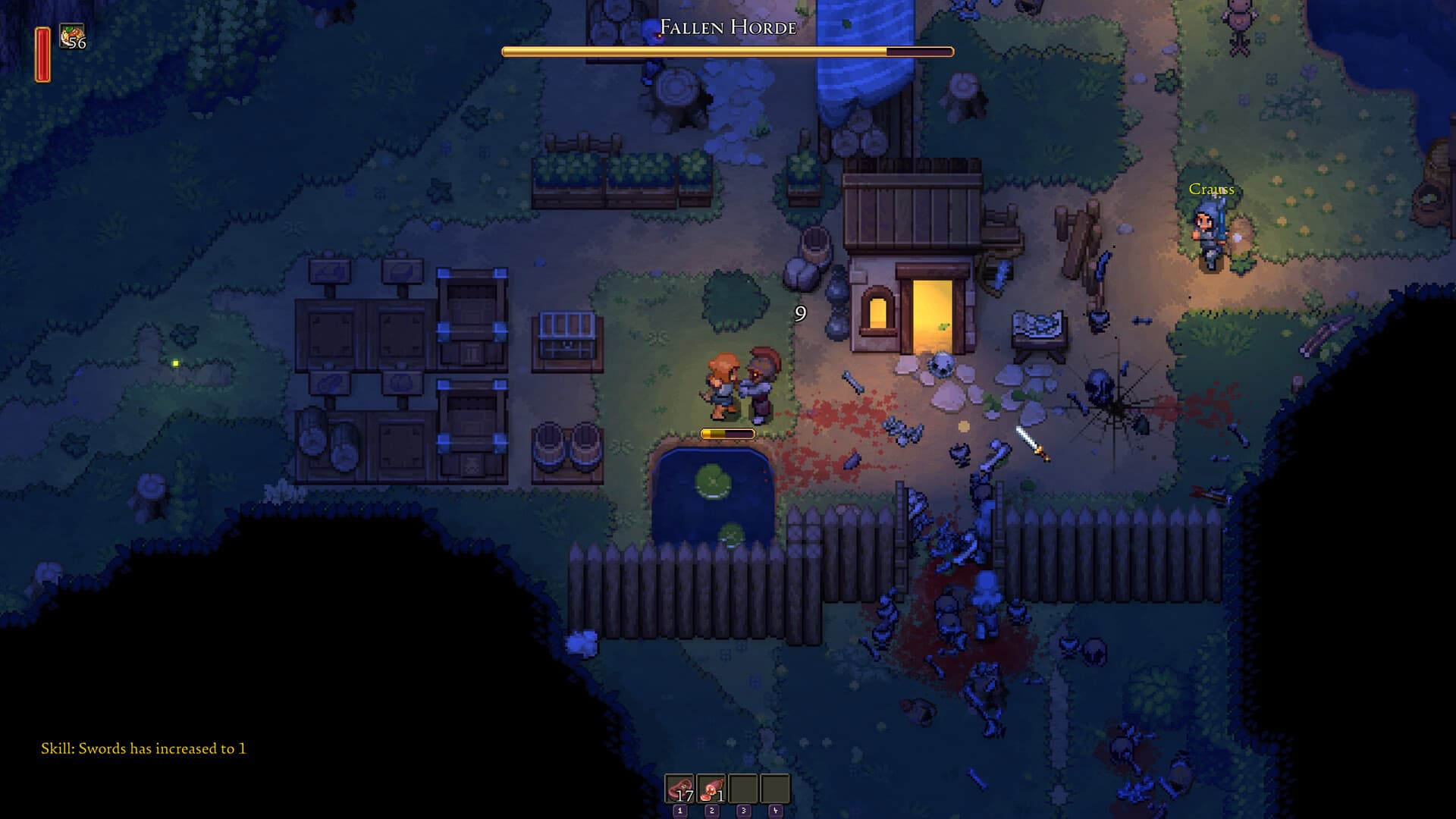
Romestead is an action-adventure survival game for 1 to 8 players set after the fall of the Roman Empire. Gather resources, build settlements, fight the walking dead, and restore the Roman gods.
Progression in Romestead runs biome by biome through the Forest, Desert and Volcano, with a Plains starter region and a Swamp still in development.
Romestead resources split into physical heavy objects that must be hauled, processed materials made at production buildings, and unique boss-drop materials used for themed gear.
Progression in Romestead is biome-based: gather resources, craft better gear, defeat bosses to unlock the next crafting tier, and advance to the next biome.
Single-use potions and consumables in Romestead restore health and energy, cure conditions, and briefly buff stats. The Cauldron is the main crafting station for liquid consumables.
Raids are scripted faction attacks on a Romestead settlement, started by Declaration of War items crafted at the War Table. They are separate from the nightly attacks by the Fallen.
Default keyboard and mouse bindings for Romestead, covering movement, combat, building, and inventory, plus full controller support through Steam Input since version 0.26.1 and Steam Deck notes.
Romestead's Decoration Mode is an inventory-free system for collecting, placing, and customizing furniture and decorations to personalize towns and raise citizen happiness.
Romestead features the walking dead of fallen Rome and a set of bosses that gate progression, including five bosses in the Early Access build.
Pyzifax is one of two Desert bosses in Romestead, a banner-bearing warrior fought in a dedicated arena. The 500 HP fight drops the Cape of Pyzifax Banner and Scroll of Vulcan rolls.
Weapons in Romestead span melee, ranged, and magic across ten weapon classes. Each class has its own Skills line, and most follow the Rusted, Flint, Copper, Bronze, Iron tier ladder.
Armor in Romestead covers helmet, chest, and footwear slots crafted at the Leatherworker, Blacksmith, and Carpenter's Workshop, with sets built for melee, ranged, and caster builds.
Dungeons in Romestead range from challenge rooms to named multi-floor sites with enemies, traps and puzzles, rewarding gear, weapons, trinkets and survivors. The Autumn Update added over 20 more.
The mechanics page for Romestead's Altar system, covering offerings and affinity, Worship Points, talent trees, Altar Blessings, sacrifices, and Altar upgrades.
Romestead supports 1 to 8 players in single-player or cooperative multiplayer, with difficulty that scales to the number of players and dedicated server software.
The Swamp is an in-development Romestead biome. It is visible in the live Early Access build but flagged as unfinished, with a river-divided layout and a high Wraith spawn rate.
Vulcan is the Roman god of fire and the forge, one of the seven gods players restore in Romestead. His tree unlocks Blacksmith and Magma Forge improvements for melee-armor crafters.
Citizens are the workforce of a Romestead settlement. Recruit survivors from the wilds and dungeons, house them, keep them fed and happy, and assign them to specialized jobs.
Modifiers are permanent stat bonuses that roll on Romestead weapons and armor. They never expire and are separate from Altar Blessings, which are temporary and limited to one at a time.
Romestead supports melee, ranged, and magic combat against the walking dead and other enemies, with gear, trinkets, and consumable buffs shaping each build.
Skills in Romestead are use-based progression lines that level with the matching activity. Thirteen skill lines cover combat weapons, gathering, and crafting in the launch build.
Trinkets occupy a dedicated accessory slot in Romestead and grant permanent stat bonuses or unique effects. They are found in dungeons and dropped by bosses and rare enemies.
Quests in Romestead split into private tutorial quests and shared world quests, all issued at the Altar. Six tutorial quests run the first hour and unlock the core crafting recipes.
A beginner orientation to Romestead's first hours: gathering resources, establishing a settlement, and surviving the night.
Romestead launched into Early Access on May 25, 2026. This page covers what the current build includes and how the developer is approaching Early Access.
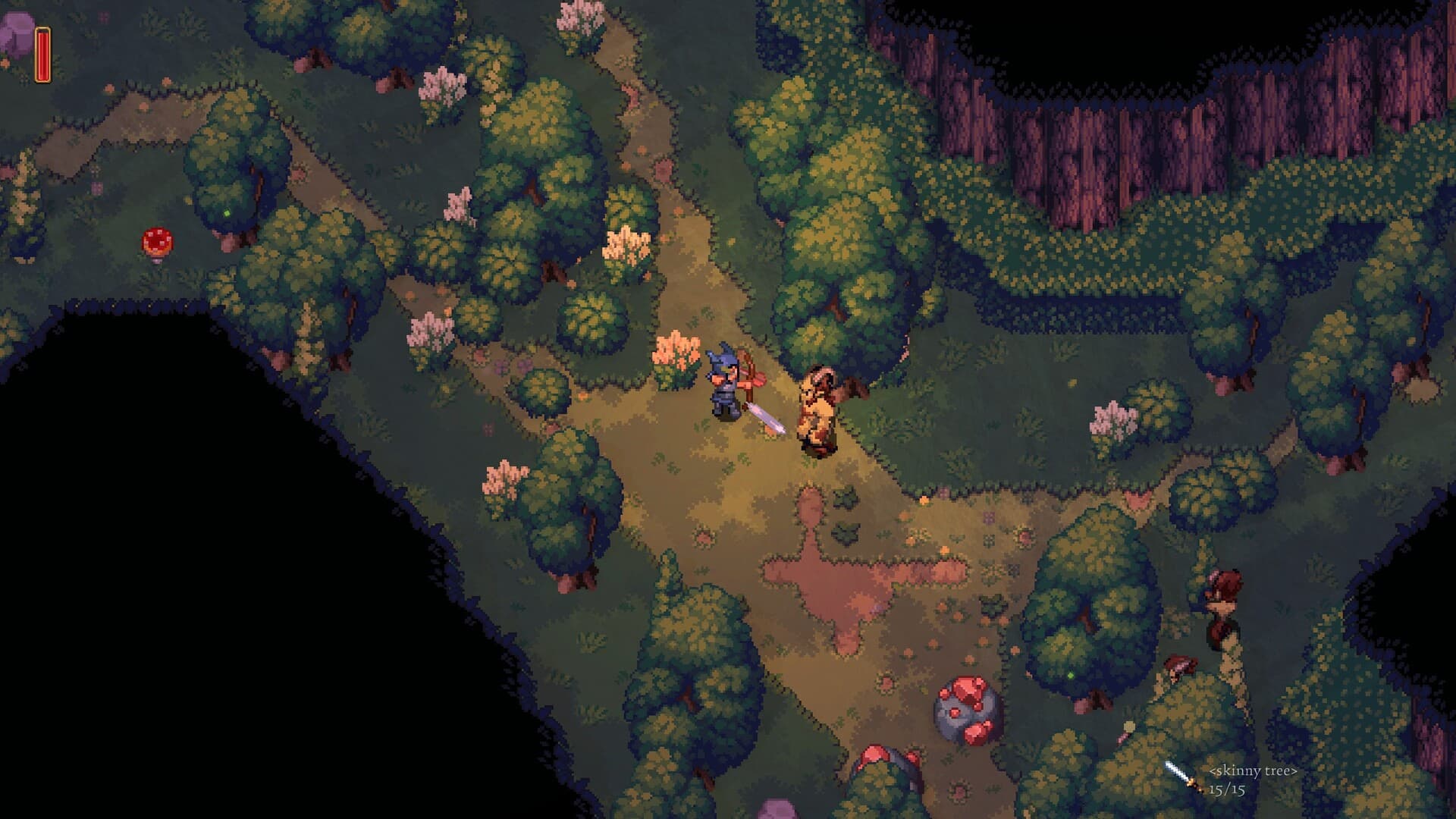
The Forest is Romestead's early-game biome between the Plains and the Desert, where dense canopy, short sightlines, and satyr factions make encounters closer and harder.
Character creation in Romestead sets a starting profession that grants bonuses without limiting what a character can later become, across melee, ranged, and magic archetypes.
Minerva is the Roman goddess of wisdom and the first god most Romestead players meet. Her Guardian is the opening boss, and her Altar quests introduce the worship loop.
After the fall of Rome the gods lost their power. Players restore them through offerings and sacrifices to unlock technologies, buffs, and upgrades.
Romestead uses a regular inventory alongside a physical system where heavy resources like lumber and rocks are real objects that must be carried, thrown, or hauled.
An overview of the core loop in Romestead, combining survival, exploration, crafting, settlement building, and combat across a day and night cycle.
How Romestead is updated during Early Access: day-one and launch-week hotfixes, the public beta branch, the 0.26.1 Autumn Update patch line, and the studio's update cadence since launch.
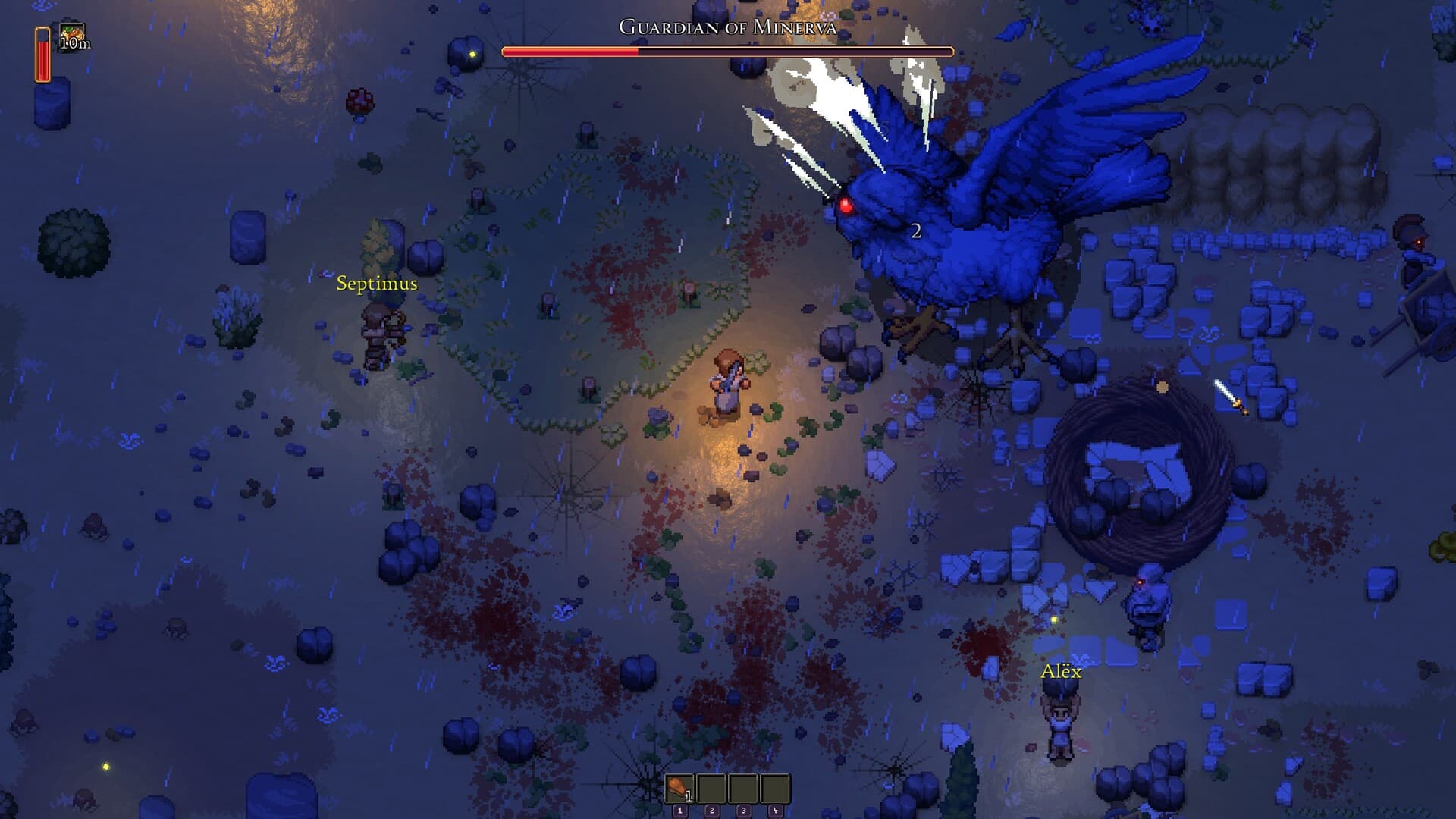
The Guardian of Minerva is Romestead's first major boss, an owl-shaped creature nesting in the Plains. It gates the first crafting tier upgrade and drops the Feathered armor set.

 ghostpetal
 willowmist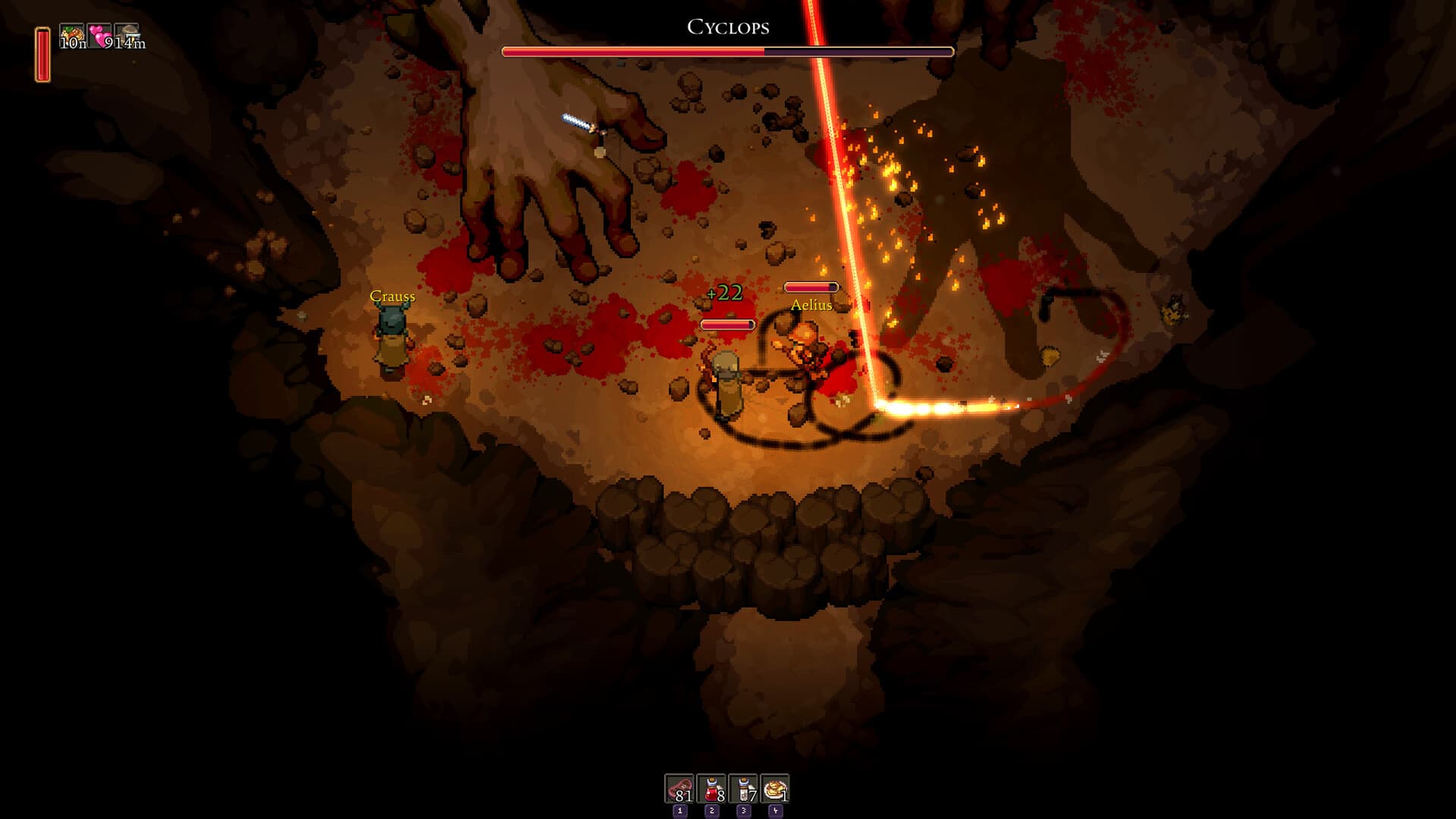
 Darkwhispers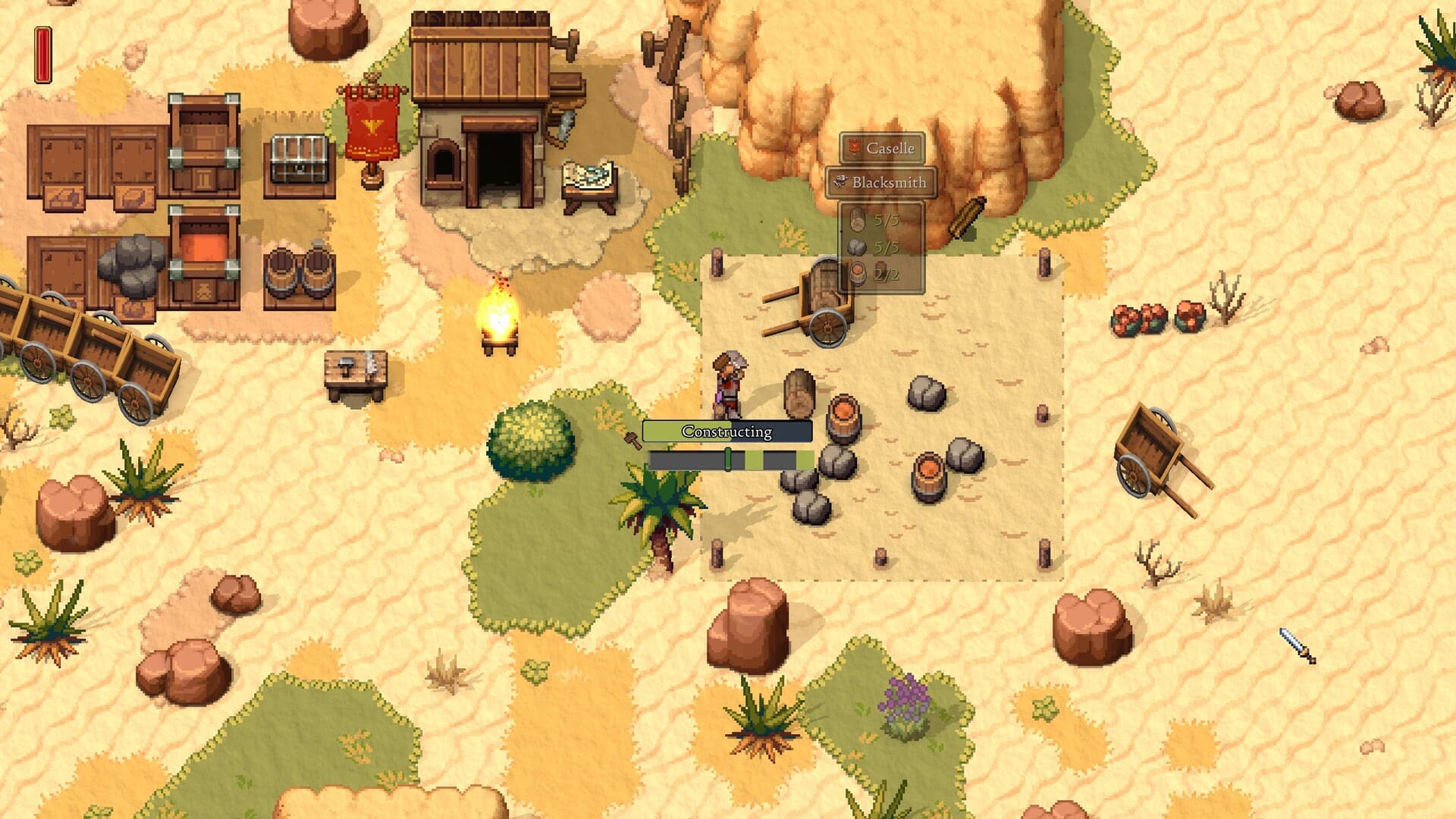
 duskvalley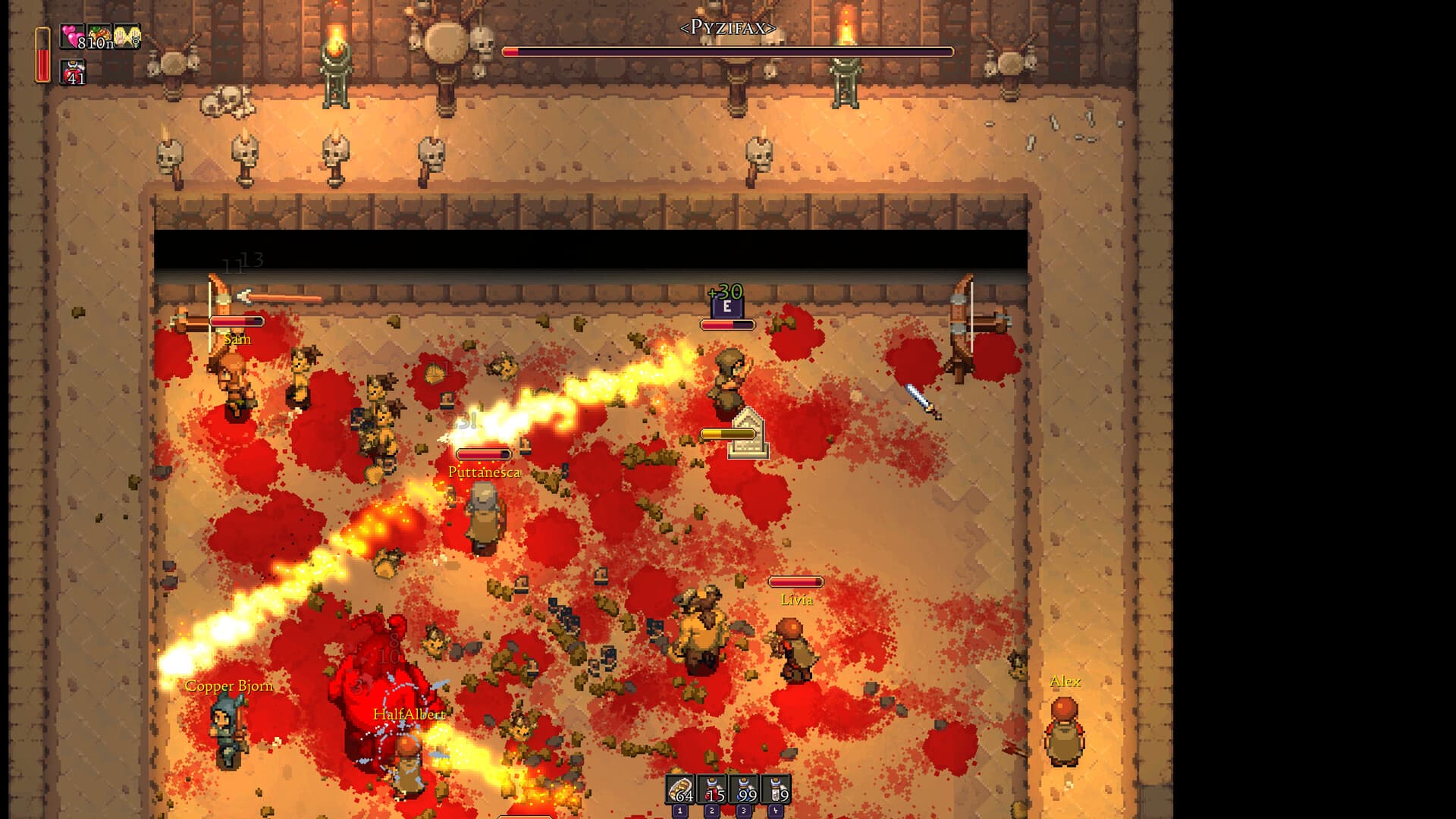
 pixeldrift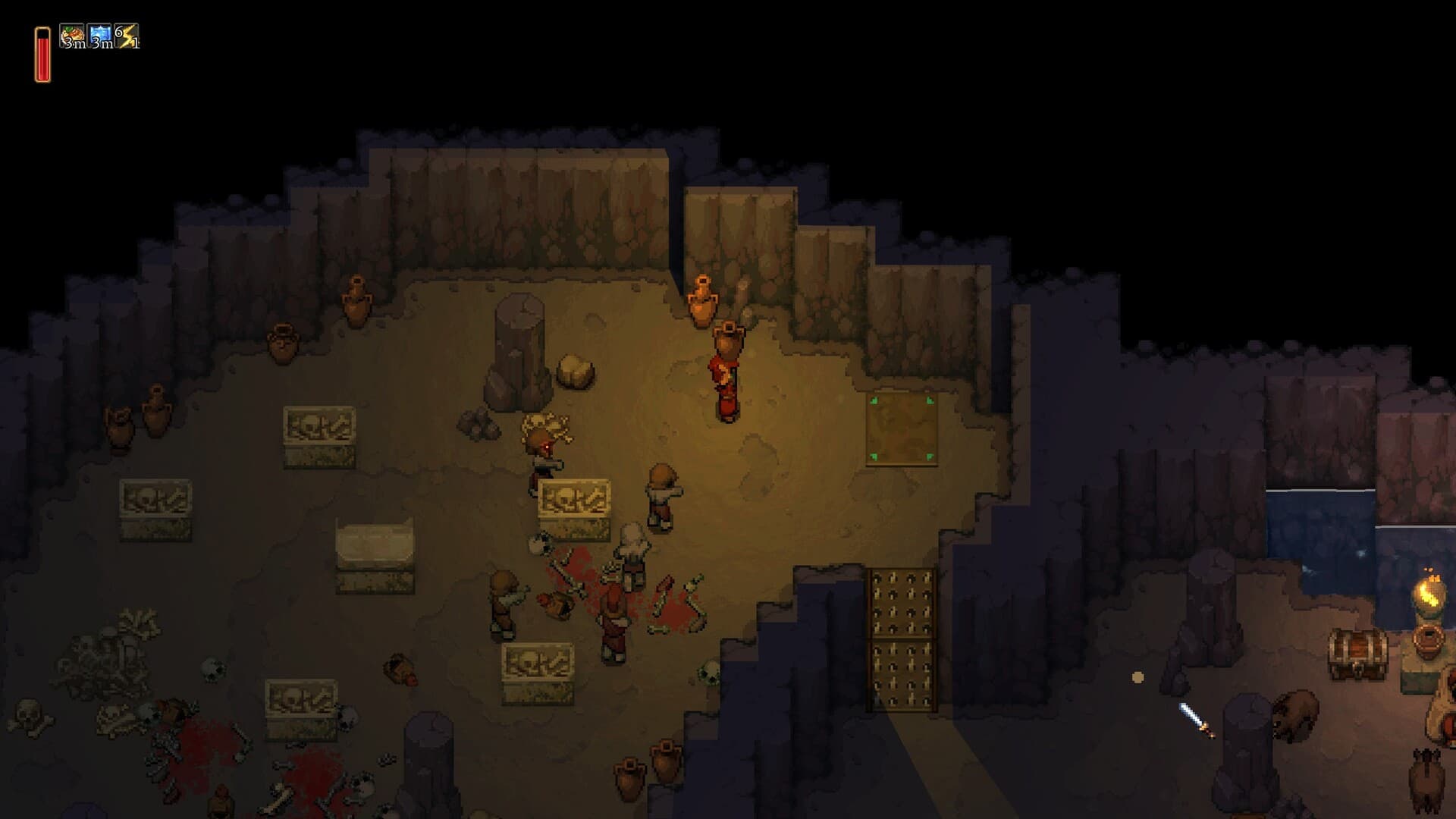
 emberash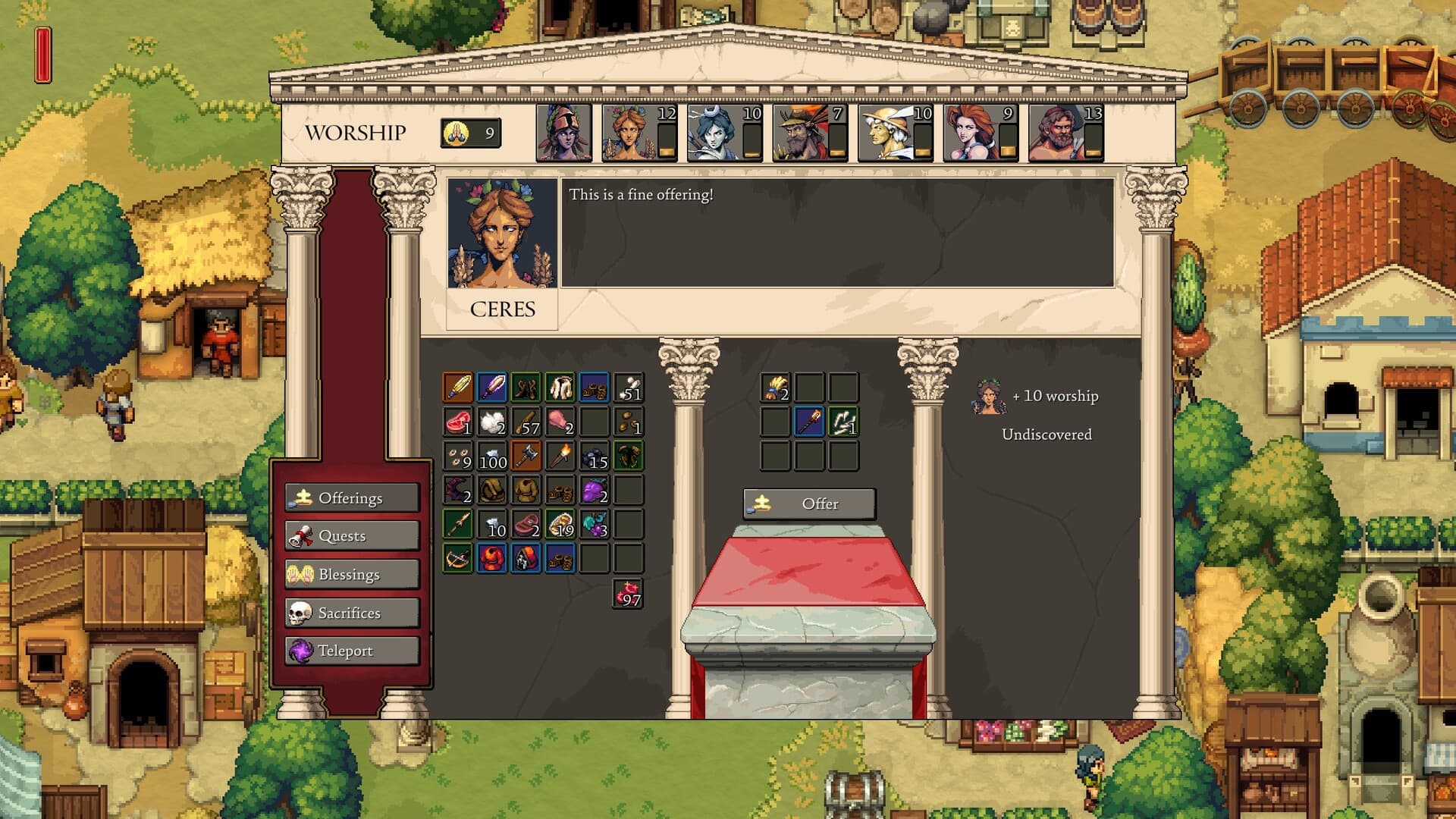
 DarkKnight_X
 j0shlore