

This article is incomplete
Some sections are missing or need additional details. Help improve it by contributing.
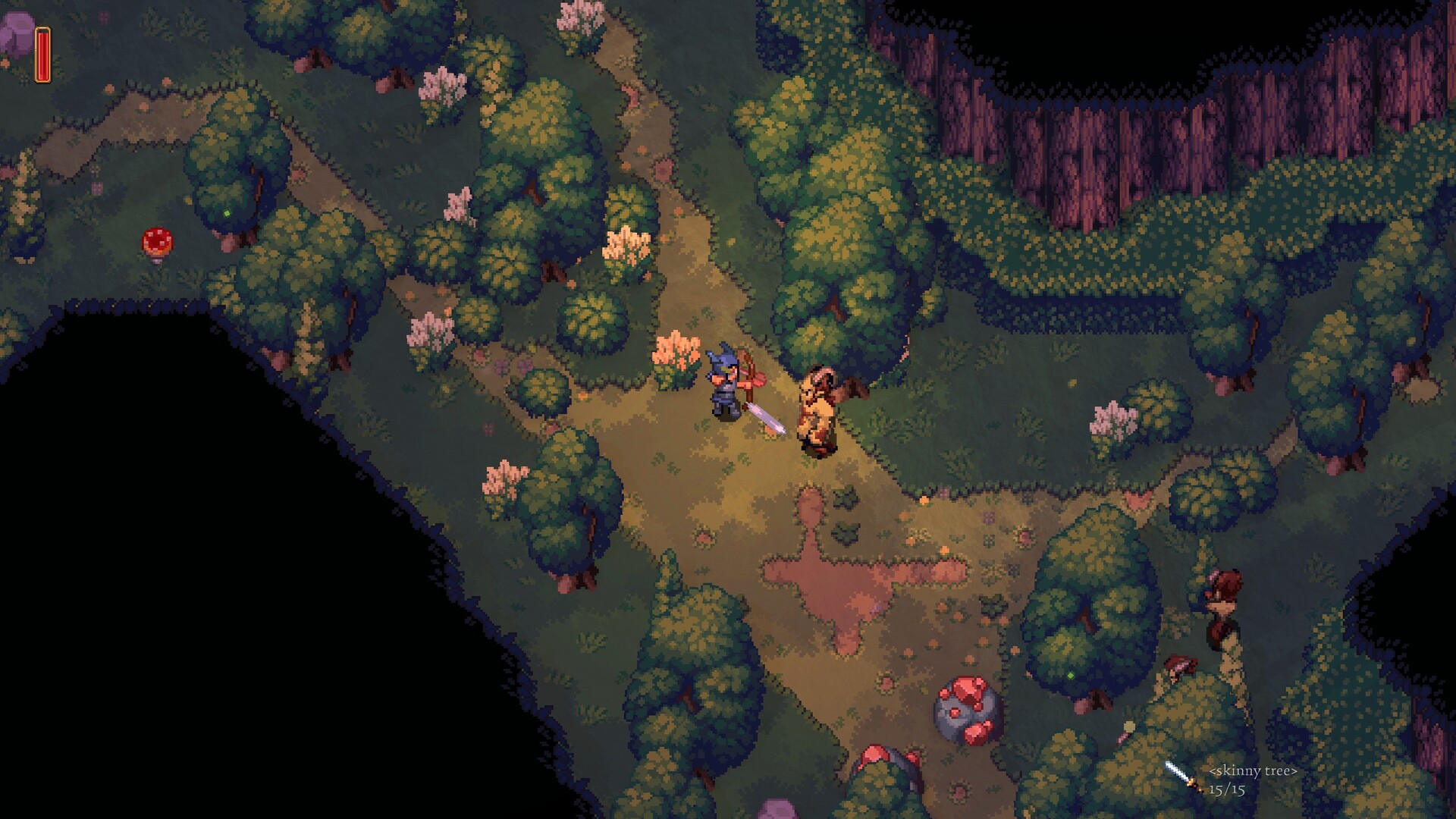
Romestead opens with the player arriving among the ruins of fallen Rome with nothing but a need to rebuild. The early hours focus on gathering, building a first camp, and learning to survive the night. Early Access improved onboarding with clearer quests, more detailed journal entries, and better progression guidance, so new players are pointed toward the next step.
The Tutorial Chain
Six tutorial quests guide the first hour:
Step | Quest | Objective | Reward |
|---|---|---|---|
1 | Acquiring Materials | Collect 6 Flint Shards and 3 Wood Sticks | Recipes for Flint Pickaxe, Flint Axe, Flint Gladius, Flint Hasta |
2 | Equip a pickaxe, lumber axe, and main-hand weapon | Recipes for Wooden Shield, Wooden Bow, Wooden Arcuballista, Flint Arrow | |
3 | Obtain Wood Planks | Chop trees with a Lumber Axe to collect 4 Wood Planks | Recipes for Workbench and Wood Stick |
4 | The Workbench | Craft a Workbench and place it on the ground | Recipes for Barricade and Campfire |
5 | Town Core and Altar | Interact with both the Town Core and Altar | Unlocks the Altar quest hub |
6 | Populating Your Town I | Build a Leatherworker and interact with Food Storage | Barricade recipe |
First Priorities
Gather Flint Shards and Wood Sticks first; they are everywhere in the Plains starter biome.
Craft the Flint Pickaxe and Flint Axe so you can mine and chop in the same trip.
Build a Workbench and then the Altar (3 Stone) before nightfall.
Place a Storage Box near the Workbench so loot does not pile up on the ground.
Light a Campfire: torch statues in the Plains point toward the Guardian of Minerva nest once lit.
Recruit the first survivor by completing a nearby challenge dungeon or finding one sheltering in the wilds.
Follow the journal entries that mark the next required action.
Surviving the Night
The day and night cycle defines the early game. Use daylight for exploration and gathering, then return to defend your settlement at night. The reanimated citizens of Rome hunt the living after dark, so a defensible, well-lit base is essential. Heavy resources double as improvised weapons if an enemy gets close. See Combat.
Building Toward Progression
Once a settlement is established, the loop opens up: craft better gear, recruit more artisans, restore the gods for buffs, and prepare to clear a biome's boss to unlock the next crafting tier. See Crafting and Progression and The Gods and Worship. Note that demo saves are not compatible with Early Access, so all players begin fresh.
One thing to decide before you settle in: the whole world, dungeons and bosses included, is generated when a world is created, so dungeons added in later updates only appear in worlds made after that update. The Autumn Update (0.26.1, released 31 August 2026) added over 20 new unique dungeons and recommended a new world to see them, while stressing that older worlds are not lost and that nearly everything else in the update works in an existing world.
Playing With Friends
Romestead can be played solo or with up to eight players, and difficulty scales to the group size. Co-op groups can divide roles to progress faster. Dedicated server software is available for hosting persistent worlds, and hosts can set a password. Full controller support through Steam Input arrived with 0.26.1, and the game has been Steam Deck Verified since 18 September 2026. See Multiplayer and Co-Op.
Useful Early Keybinds
N: open the World Map 2.0.
E: empty a Bucket onto farmland.
Right-click on a citizen: open the gifting menu.
Scroll wheel in build mode: swap construction subcategories.
Chat command }worldseed: view your current world seed.
Common First-Hour Mistakes
Building far from storage. Keep your Workbench, Storage Box, and Food Storage tight together at first.
Skipping the Altar. The free 3-Stone Altar is your quest hub from minute one.
Wandering too far. Stay within sight of your campfire until you have a Wooden Shield and the Bronze tier of tools at least.
Ignoring food. Cook anything you find at the Campfire to head off hunger penalties.