
Loading...
Loading...
Enemy and Gatherable Respawning
April 11, 2026 at 07:53 AM
Added 3 image(s) to article
Crimson Desert uses separate respawn systems for resource nodes and enemies. Knowing which things come back, how long the wait is, and which tricks can speed up the cycle lets you plan efficient farming routes and avoid wasting time on encounters that never reset. This page covers every confirmed respawn rule in the game, from gathering nodes to world bosses.
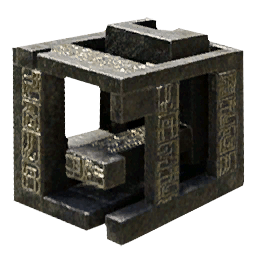
All gatherables in Crimson Desert are placed at fixed positions on the map. Once you harvest a node, it disappears and will reappear at the exact same spot after enough in-game time passes. Because the positions never change, players who memorize efficient farming routes can revisit the same nodes repeatedly after respawn timers reset.

Mining deposits, including Iron Ore, Copper Ore, Azurite, Diamond, Garnet, and other mineral veins, respawn after approximately 7 in-game days. This is considerably slower than other gatherable categories. When you break at least one piece of ore from a deposit for the first time, its location is permanently marked on your map under the "Environment" tab. This marker remains even after the node is depleted, so you always know where to check once the 7-day timer is up.
Because ore takes a full week of in-game time to come back, the most efficient approach is to mine every deposit you encounter in a single sweep, then move on to other activities while the timers run out. Planning a loop that hits multiple ore clusters in sequence (for example, running from Anvil Hill through the Hernand Highlands and down to the river cliffs) lets you clear an entire region's worth of minerals before any node has had time to respawn.
Forageable nodes such as herbs, mushrooms, flowers, fruits, vegetables, and insects tend to respawn faster than ore deposits. These nodes reappear after roughly two to three in-game days, making them easier to farm in repeated loops. Common wildflowers and low-tier herbs generally come back on the shorter end of that range, while rarer plants found at higher altitudes or in remote areas can take closer to the full three days.
Gatherables also respawn when you reload a save file. The process is straightforward: harvest the resource node you want, save your game, then reload that save. When the world loads back in, the node reappears at its original location and can be harvested again immediately. This cycle can be repeated as many times as needed.
This method is particularly useful for farming rare alchemy materials and crafting components that only appear at a handful of locations. Rather than waiting for the natural respawn timer, the save-reload loop lets you stockpile ingredients in a matter of minutes.
Sleeping at an inn or campfire for three full in-game days forces resource nodes across the world to respawn. This provides a legitimate alternative to the save-reload method for players who prefer not to use exploits. After resting, you can fast travel to the start of your farming route and run through the same nodes again.
Fast traveling to a distant Abyss Nexus can also trigger partial resets, though sleeping for the full three-day duration is the most reliable way to guarantee that all nodes in a region have refreshed.
Vendor inventories operate on a separate timer from world resource nodes. Merchants, provisioners, grocers, and mineral shops restock their inventories every in-game midnight (0:00). This means you can buy materials like Iron Ore from Rhett's Equipment Shop (3 ore at 18 coins each) or from Mineral Shops at liberated locations (6 ore at 18 coins each) and simply sleep until midnight to buy another batch. Vendor restocking is independent of the gathering node respawn cycle.
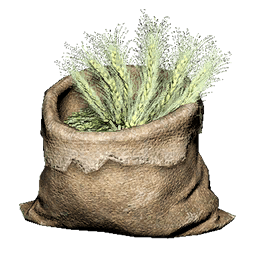
Enemy respawn behavior in Crimson Desert depends entirely on the type of encounter. Some enemies are permanent fixtures of the world that never return once defeated, while others reappear on regular cycles.
Enemy bandits that occupy landmarks, outposts, camps, and other liberatable locations do not respawn once you have cleared the area. After liberation, the location is permanently repopulated with friendly NPCs, merchants, or quest givers. These encounters are one-time events and cannot be repeated.
This is an important distinction for farming purposes: once you liberate a bandit outpost, you cannot return to farm those enemies again. If you want to maximize loot from a liberatable location, make sure to loot every enemy and container before completing the liberation.
General roaming enemies in the open world, including bandits on roads, wildlife, and patrol groups, respawn after roughly two in-game days. Leaving the area and returning after enough time has passed will bring them back. This makes roaming encounters a renewable source of loot, animal hides, and combat experience.
Wildlife such as deer, wolves, and boars follows the same pattern. Hunted animals reappear in their regular habitats after the timer resets, providing a steady supply of meats, hides, bones, and other crafting materials.
Fort Perwin is a special case. During the Continuing Concern House Roberts Faction Quest, enemies continue to pour out of the fort endlessly until the boss is defeated. Even after the faction influence bar reaches zero, bandits keep spawning. This makes Fort Perwin one of the best locations in the game for farming loot and currency.
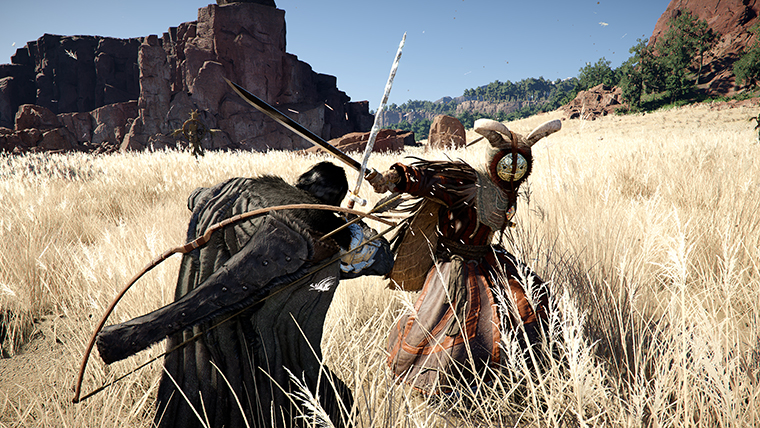
Bandits at Fort Perwin drop weapons, armor, coin pouches, and junk items that can be sold to vendors for significant amounts of silver. Players who delay the boss fight can farm here for extended periods, accumulating dozens of silver coins per session by selling the looted equipment. This is one of the most popular early-to-mid-game money-making strategies.
Story bosses and world bosses generally do not respawn after being defeated. These are designed as milestone encounters tied to the main narrative or specific quest lines. However, certain repeatable boss encounters connected to challenges or post-game content may reappear under specific conditions, allowing players to fight them again for additional rewards.
Category | Respawn Timer | Notes |
|---|---|---|
~7 in-game days | Deposits are marked on the map after first harvest. Mine all nodes in one sweep, then return after a week. | |
~2-3 in-game days | Common herbs on the shorter end; rarer high-altitude plants closer to three days. | |
All Gatherables (Save-Reload) | Instant | Save after harvesting, reload the save, and harvest again. Works for all gatherable types. |
Every in-game midnight (0:00) | Sleep until midnight to restock. Independent of world node timers. | |
Roaming Enemies | ~2 in-game days | Includes road bandits, wildlife, and patrol groups. Leave the area and return. |
Never | Permanently cleared after liberation. Replaced by friendly NPCs. | |
Continuous (during quest) | Enemies spawn endlessly during the House Roberts faction quest until the boss is defeated. | |
Generally never | Some repeatable challenge bosses may reappear under specific conditions. |

Since ore deposits take 7 in-game days to respawn, the most productive strategy is to build a regional loop. Start at one end of a region (for example, the cliffs west of Howling Hill in Hernand), mine every deposit along the way to Anvil Hill and the surrounding highlands, then continue south through any cave systems. Once you have cleared every accessible deposit, move on to questing, combat, or another region's resources. By the time you circle back, the 7-day timer will be close to expiring.
For alchemy ingredients such as Rosemary, Lavender, Pine Mushrooms, and various insects, the save-reload method is the fastest option. Travel to a spot with a dense cluster of the material you need, harvest everything, save, reload, and repeat. If you prefer a non-exploit approach, sleep at the nearest inn or campfire for three in-game days and run the route again.
Roaming bandits and wildlife are renewable every two in-game days, so combat-oriented farming runs can be repeated frequently. Combine combat farming with gathering runs for maximum efficiency: clear a group of road bandits, pick herbs along the path, mine any deposits you pass, then move to the next encounter. For dedicated loot farming, Fort Perwin during the House Roberts quest remains the single best spot in the game. The continuous enemy spawns produce a steady stream of sellable weapons and armor.
If you need Iron Ore or Copper Ore without the mining detour, purchase from Rhett's Equipment Shop (3 ore per restock at 18 coins each) or from Mineral Shops at liberated locations like Cairn House and Karin Quarry (6 ore per restock at 18 coins each). Sleep until midnight to trigger the restock, then buy another batch. This is slower than mining but requires no tools or travel.
Always break at least one ore from every new deposit you discover. This permanently marks the deposit on your map under the Environment tab, so you can track which nodes are ready for harvest on return visits.
Plan your gathering route to hit ore deposits, herb patches, and mushroom spots in sequence. Even though ore and herbs have different respawn timers, harvesting both on the same trip saves travel time.
The save-reload method works on all gatherable types, not just herbs. If you need a specific ore urgently and the 7-day timer has not expired, save-reload can bypass the wait.
Use the companion dispatch system to supplement gathering between runs. Dispatched Greymane companions can collect ore, herbs, and other materials passively while you focus on other activities.
Fort Perwin's continuous spawns only last during the active House Roberts quest. Once the boss is defeated, the location is liberated and enemies stop appearing. Delay the boss fight if you want to farm there longer.
Vendor restocking is independent of gathering node respawns. Even if you have just cleaned out every ore deposit in Hernand, the mineral shops will still restock at midnight.
Combine inn sleeping with fast travel for the fastest legitimate farming loop. Sleep for three days at an inn to reset nodes, fast travel to the start of your route, clear it, then return to the inn and sleep again.
