Loading...
Loading...
Haenir Studio is a Scandinavian indie game developer that created Blight: Survival, growing from a two-person team to several dozen specialists after their 2022 gameplay reveal went viral.

The development of Blight: Survival from a two-person passion project by Mads Christensen and Ulrik to a Behaviour Interactive-published title, through 1.5 million Steam wishlists and the Future Games Show 2026 reveal.

Blight: Survival is a co-op action-horror extraction-lite roguelite set in an alternate 14th-century plague world, developed by Haenir Studio and published by Behaviour Interactive. The game has surpassed 1.5 million Steam wishlists.
Blight: Survival's playtest program includes invitation-only closed sessions recruited from the Discord community of just past 60,000 members, with broader playtests stated for later in 2026 and a sign-up route through the publisher's Playtest Squad.
Blight: Survival was featured at the Future Games Show: Spring Showcase 2026 on March 12, 2026, with a new gameplay trailer, combat finisher footage, console platform confirmations, and a developer interview.
Answers to the most common community questions about Blight: Survival, covering the release window, platforms, PvP, solo and offline play, character classes, monetization, playtests, and combat design.

Platform availability, system requirements, engine details, controller support, cross-play status, language support, and technical specifications for Blight: Survival.
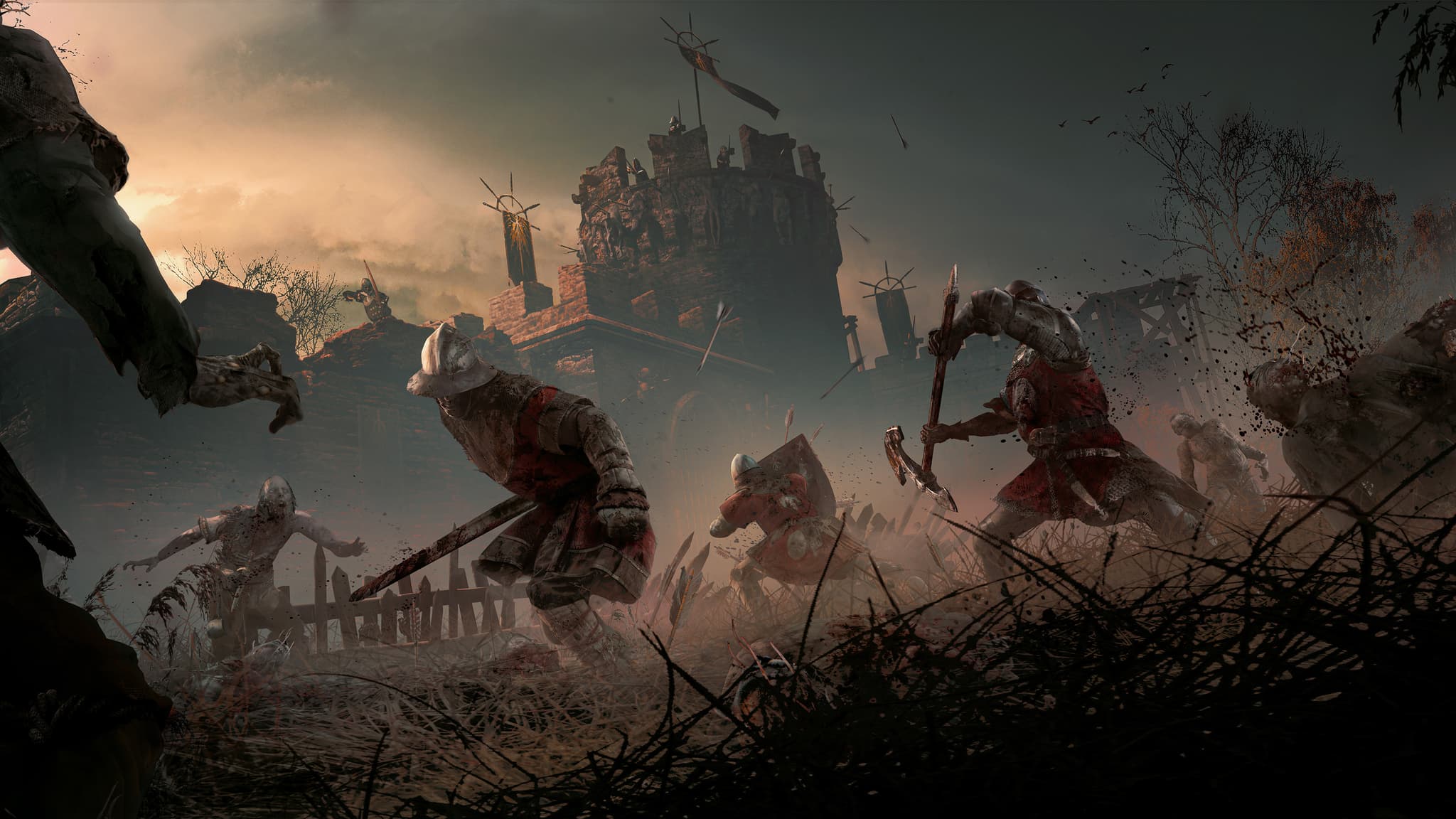
Comprehensive combat guide for Blight: Survival covering the 5-directional melee system, attack angles, core mechanics (light/heavy attacks, parrying, blocking, dodging, shoves, tackles, grapples), defensive techniques, weight and commitment, the posture system, stamina management, dismemberment, armor and noise trade-offs, ranged weapons, movesets and crafting, lockpicking, and design influences from Dark Souls, Mount & Blade, and Mordhau.
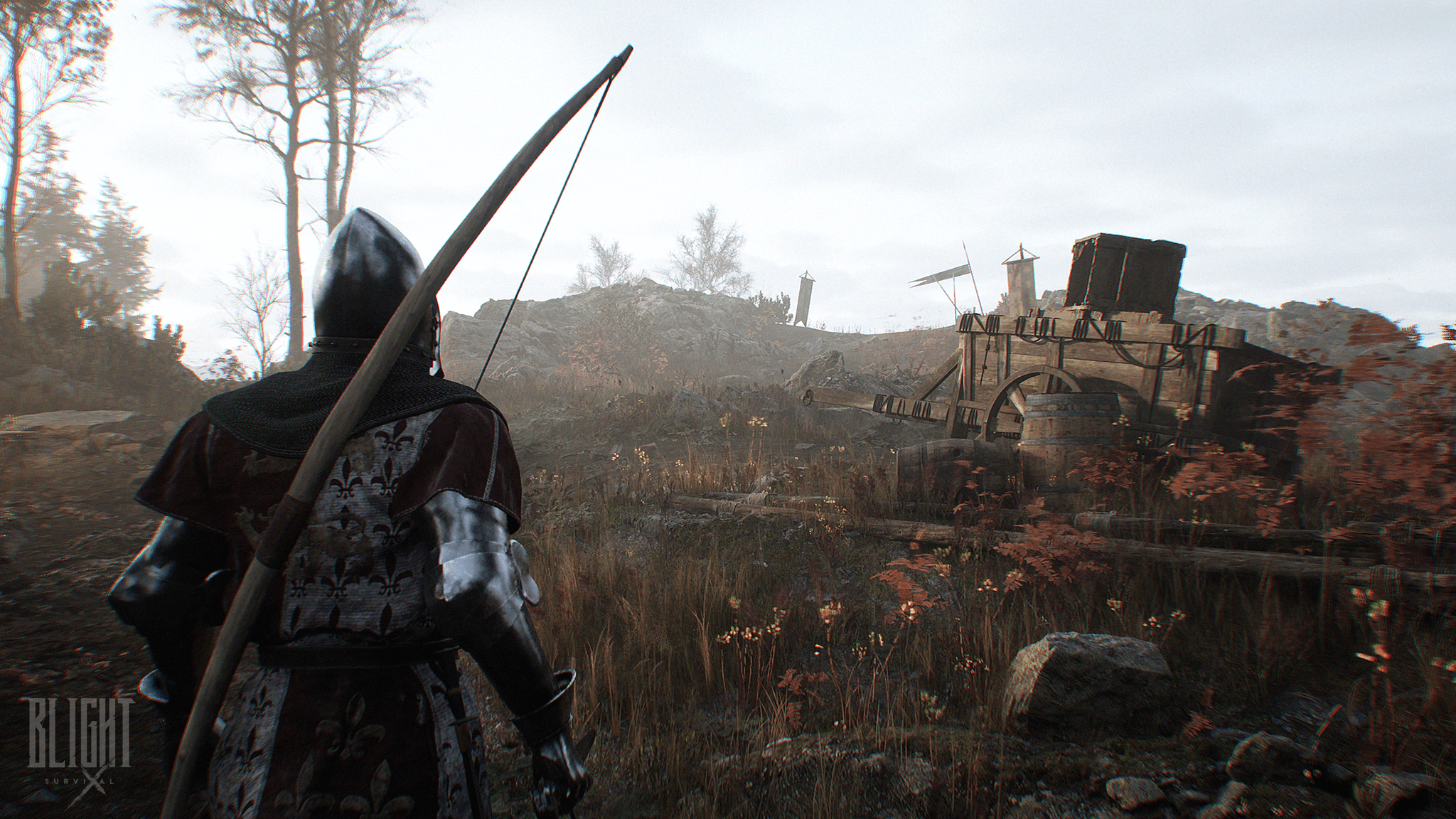
Blight: Survival supports 1-4 players in PvE co-op with full solo play, offline mode, clan support, and full controller support. No PvP is planned.
Crafting in Blight: Survival consists of two parallel systems: the Artisan's modular gear workshop for permanent weapon and armor upgrades, and the Remedies system for expendable consumables like bandages, torches, herbs, and potions.

All enemy types in Blight: Survival, including six categories of Blight-infected creatures (Hybrids, Armoreds, Hiddens, Swelters, Decayeds, Mini-bosses), named threats like Rattlers, Bellowers, Gravestriders and the Nightstalker, human combatants, and the multi-stage evolution system.
Weapons and armor in Blight: Survival are modular, craftable, and degradable, covering swords, maces, axes, spears, bows, crossbows, and multi-component armor sets.
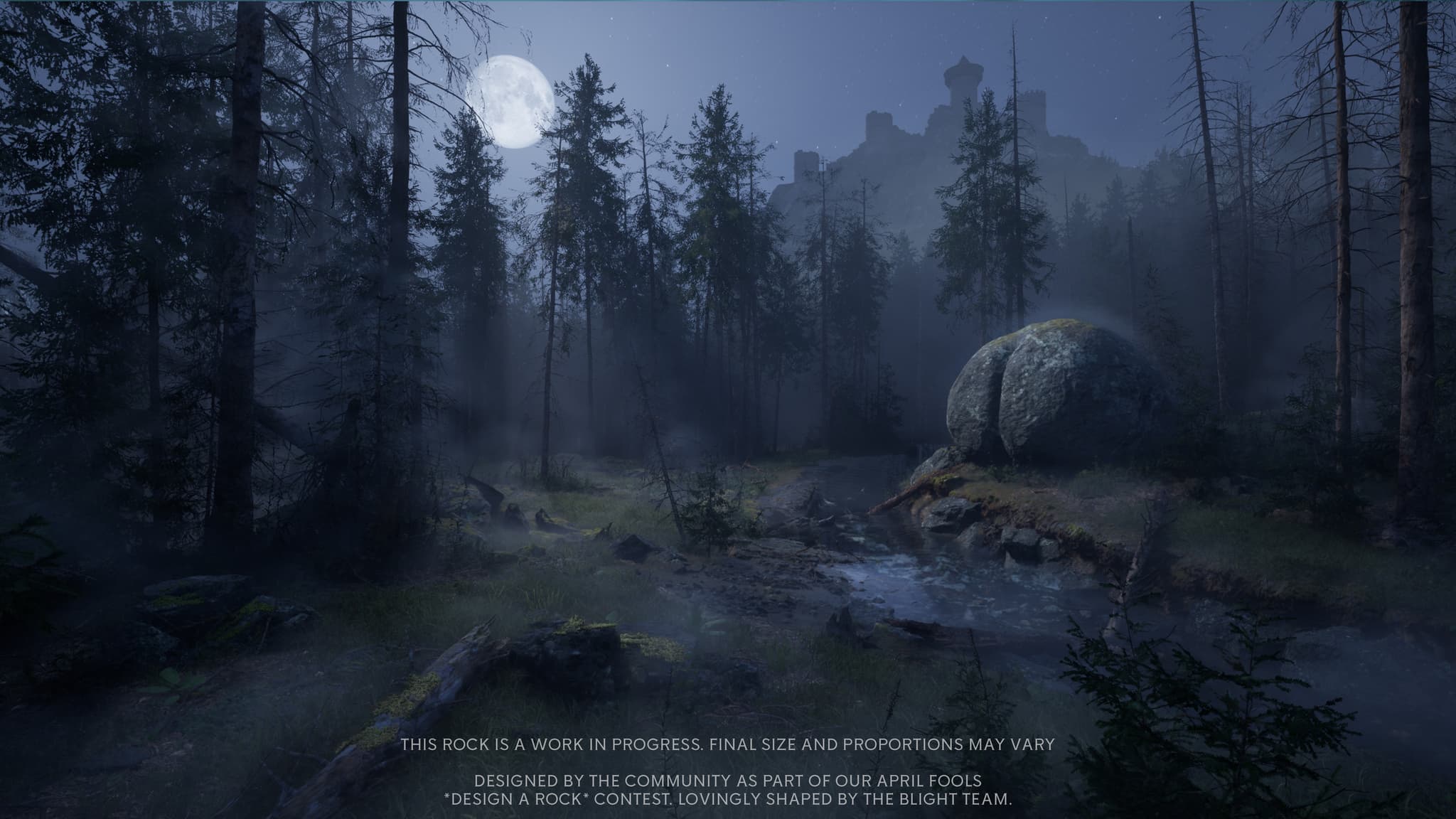
The Blight: Survival community grew from a viral 2022 trailer moment to over 1.5 million Steam wishlists, just past 60,000 Discord members, and a global fanbase producing fan art, 3D models, community contests, and creator content.

The March 2026 developer update video featured Creative Director Ulrik thanking the Blight: Survival community for the 1.5 million wishlist milestone and outlining the rebuild-from-scratch development approach.
The Blight is a fungal plague in Blight: Survival that grows from blood-soaked soil, reanimates dead organic matter, and spreads as a living environmental hazard across No Man's Land.
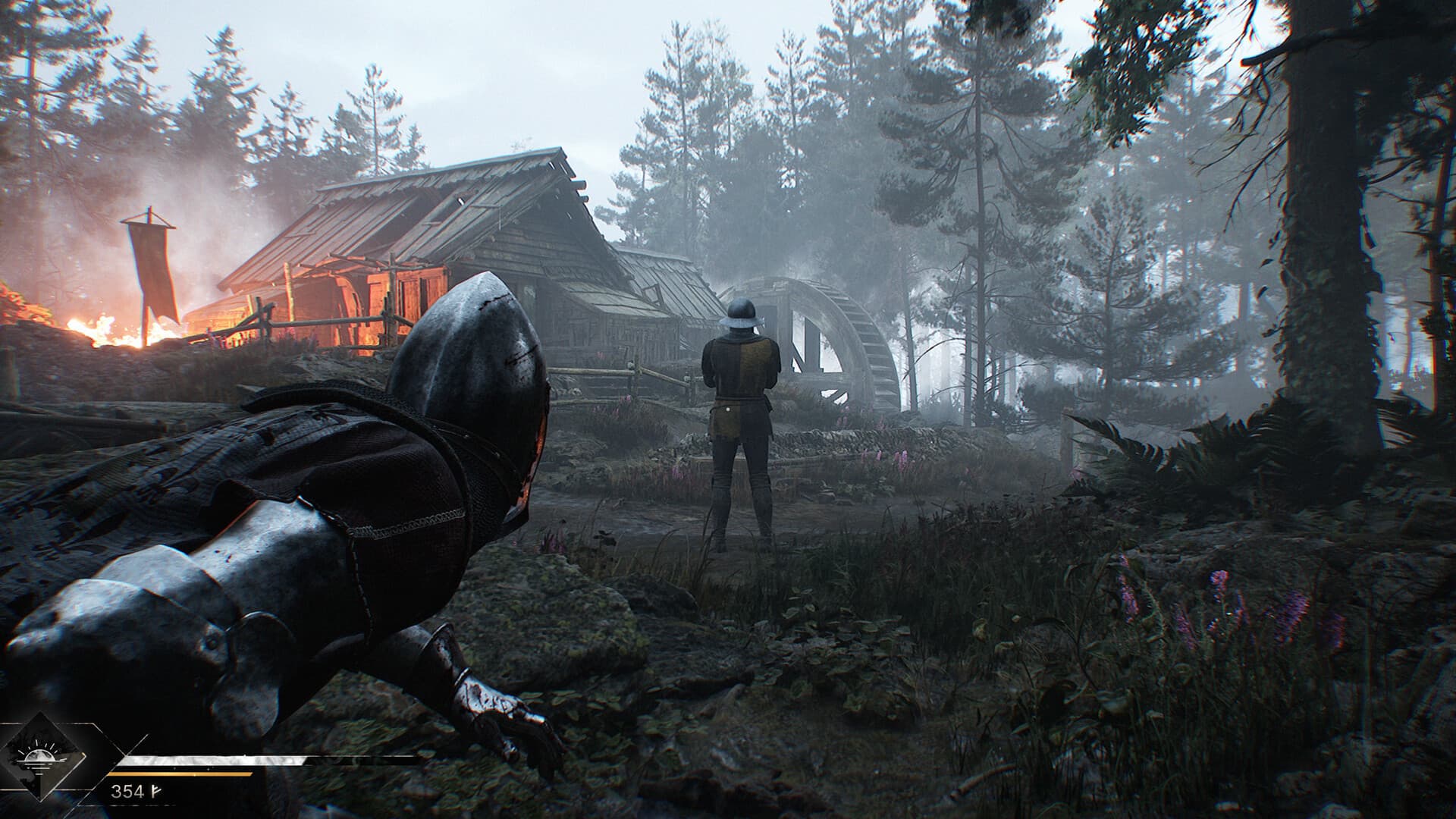
The lore of Blight: Survival unfolds through environmental storytelling, discoverable elements, and the stories of the two warring kingdoms, the Writhen, and the Blight itself.

How the Blight infection interacts with the game's environments in Blight: Survival: spawning from blood-soaked soil, spreading through spores and organic growth, transforming landscapes across visible stages, and creating environmental hazards and storytelling.
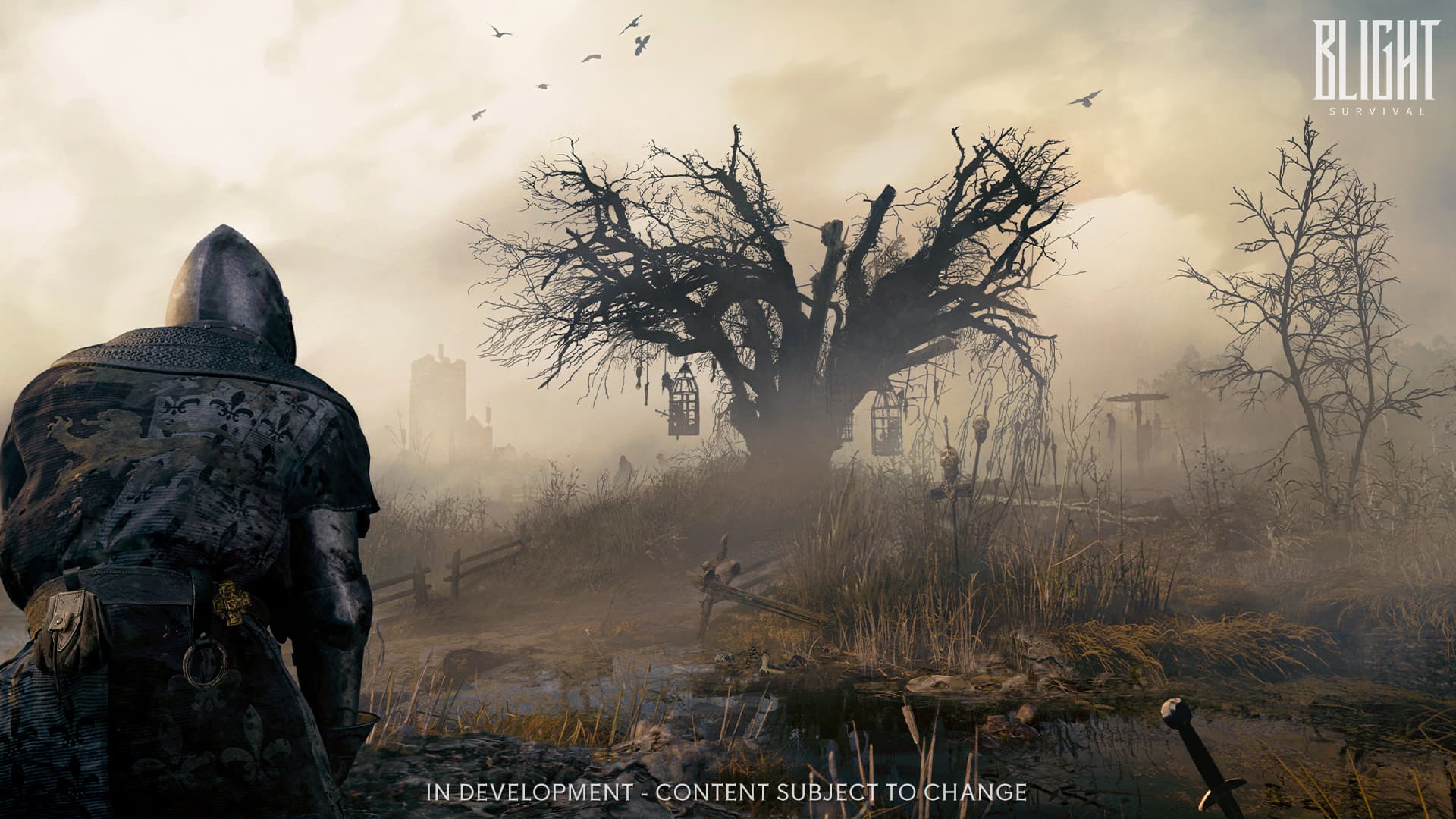
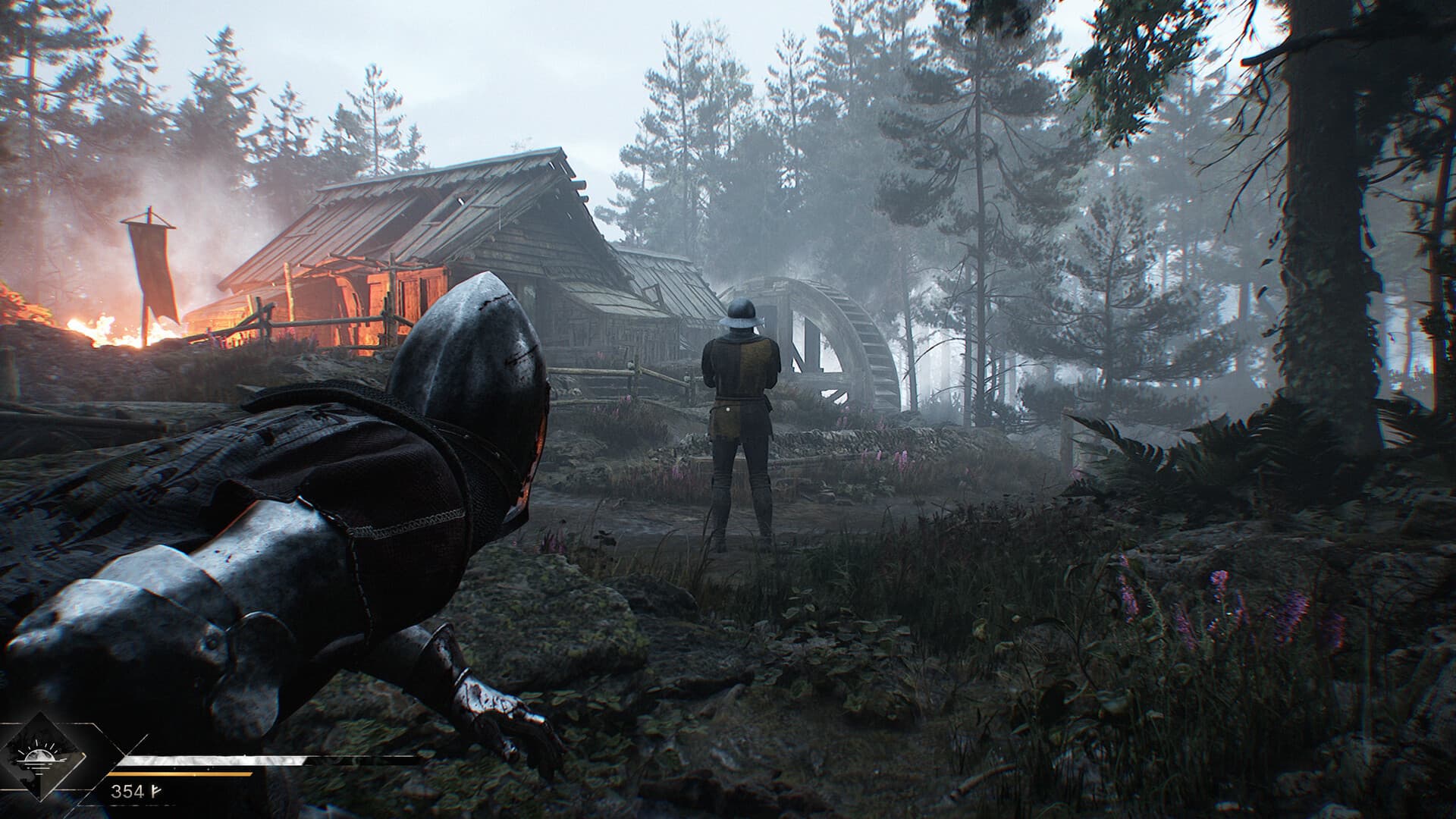
The stealth system in Blight: Survival is governed by noise, light levels, and line of sight, with heavier armor increasing detection and stealth finishers rewarding careful play.

Minimum and recommended system requirements for running Blight: Survival on PC. The listed specs are confirmed placeholders that will change before release, with the developers stating they are 'definitely subject to change.'
Blight: Survival launches with a single large map in No Man's Land featuring free-roam exploration, required and optional objectives, and semi-procedural variation between runs.
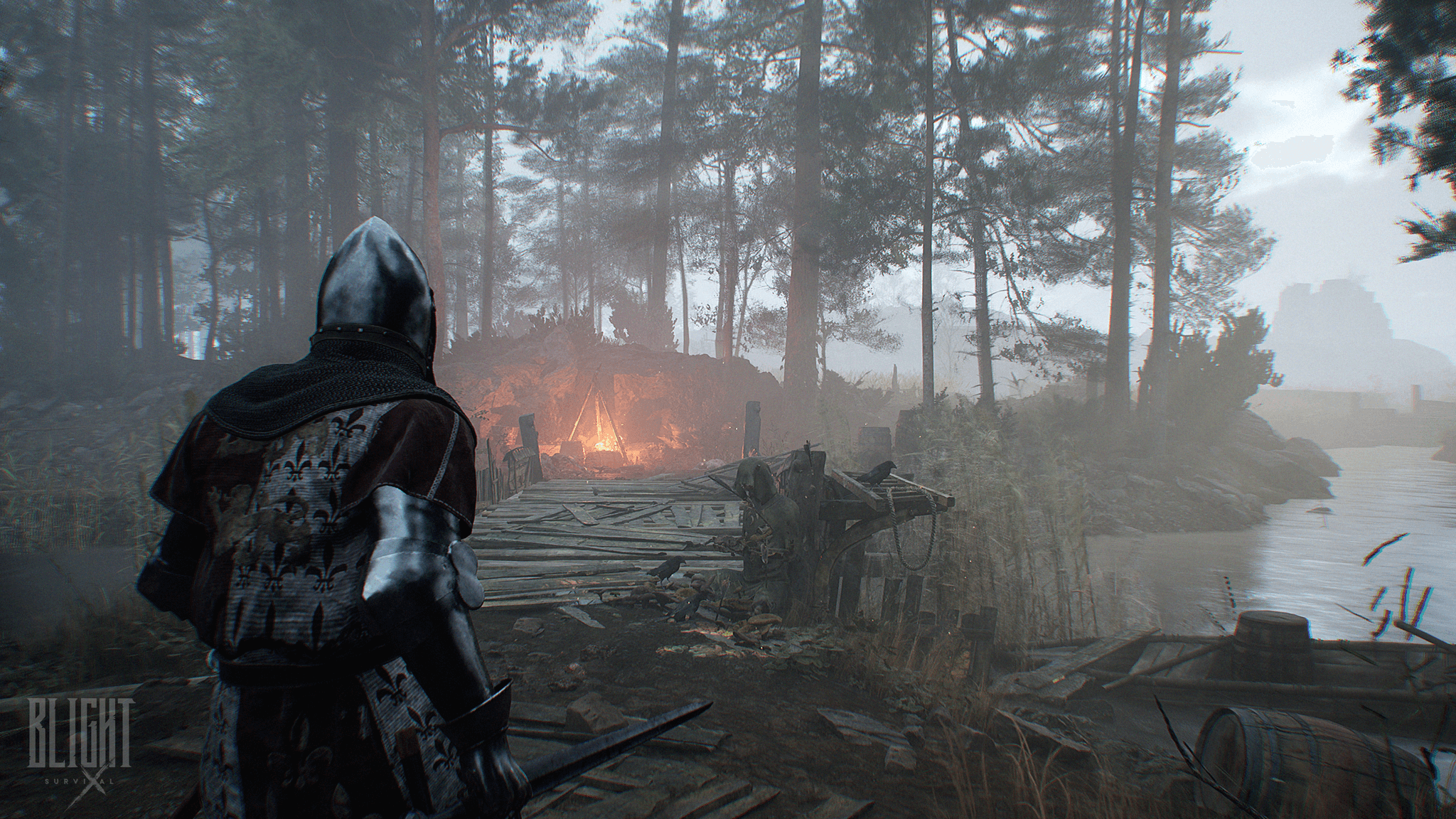
Blight: Survival surpassed 1.5 million Steam wishlists in early March 2026, a milestone reached without a release date or marketing campaign and built on viral 2022 trailer momentum.
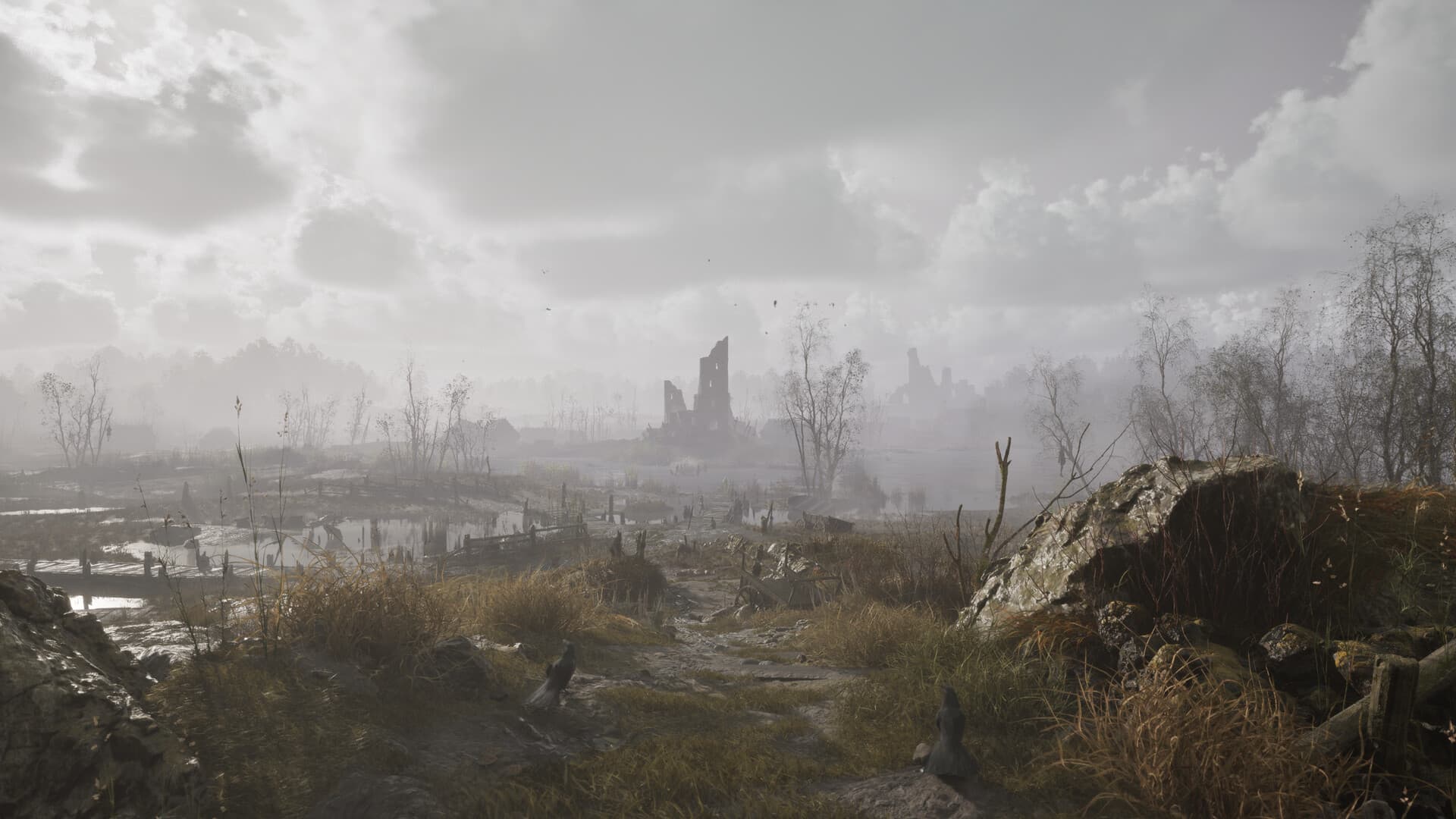
Blight: Survival uses Unreal Engine 5 with Quixel Megascans and MetaHumans to create a gritty, realistic medieval horror aesthetic, with World Partition for large-scale environments.

Risk and reward is the central design philosophy of Blight: Survival, driving combat encounters, extraction decisions, loot systems, and progression across every aspect of the game.
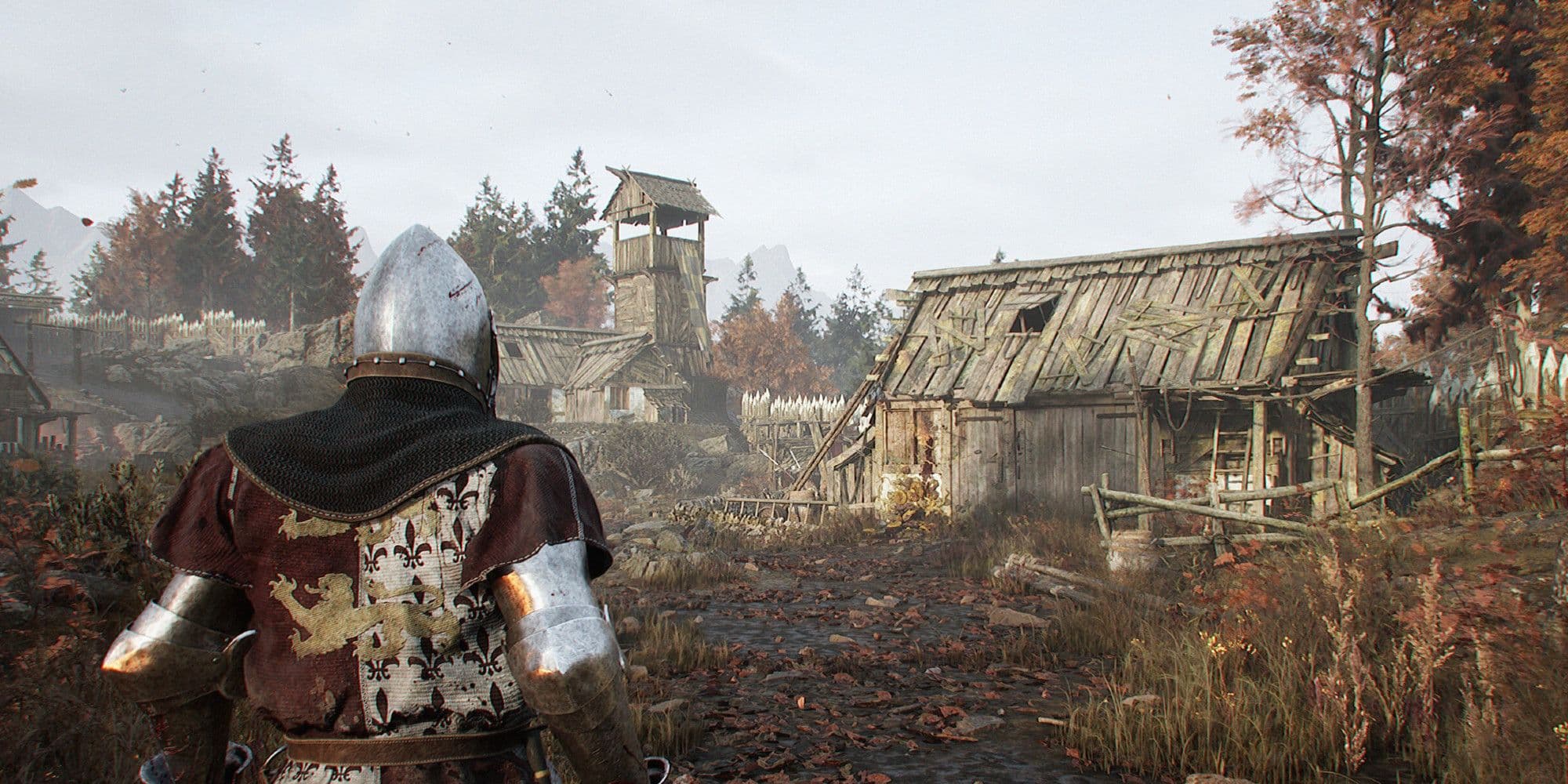
Blight: Survival uses an extraction-lite gameplay loop where players venture into No Man's Land, gather loot, and decide whether to push deeper for greater rewards or extract while they still can. The framing draws from Helldivers and Deep Rock Galactic, not traditional extraction shooters.
Weapons in Blight: Survival degrade through use and can break during missions, tying into the modular crafting system, the Artisan's repair workshop, and the broader risk-and-reward gameplay loop.
Behaviour Interactive is a Montreal-based game studio and publisher of Blight: Survival, best known for developing Dead by Daylight, the asymmetric horror multiplayer game.

Blight: Survival uses a classless character system where players freely mix gear, weapons, and talents without being locked into predefined roles, supported by three core attributes.

Dungeons in Blight: Survival are enclosed, claustrophobic indoor environments within No Man's Land that force players to adapt combat strategies, manage sightlines, and deal with amplified horror in tight medieval spaces.
The Writhen are the exiled tribe at the centre of Blight: Survival. Blamed for causing the Blight and cast out from their homeland, they are the only people willing to enter No Man's Land to fight the infection. The player character is a Writhen warrior.
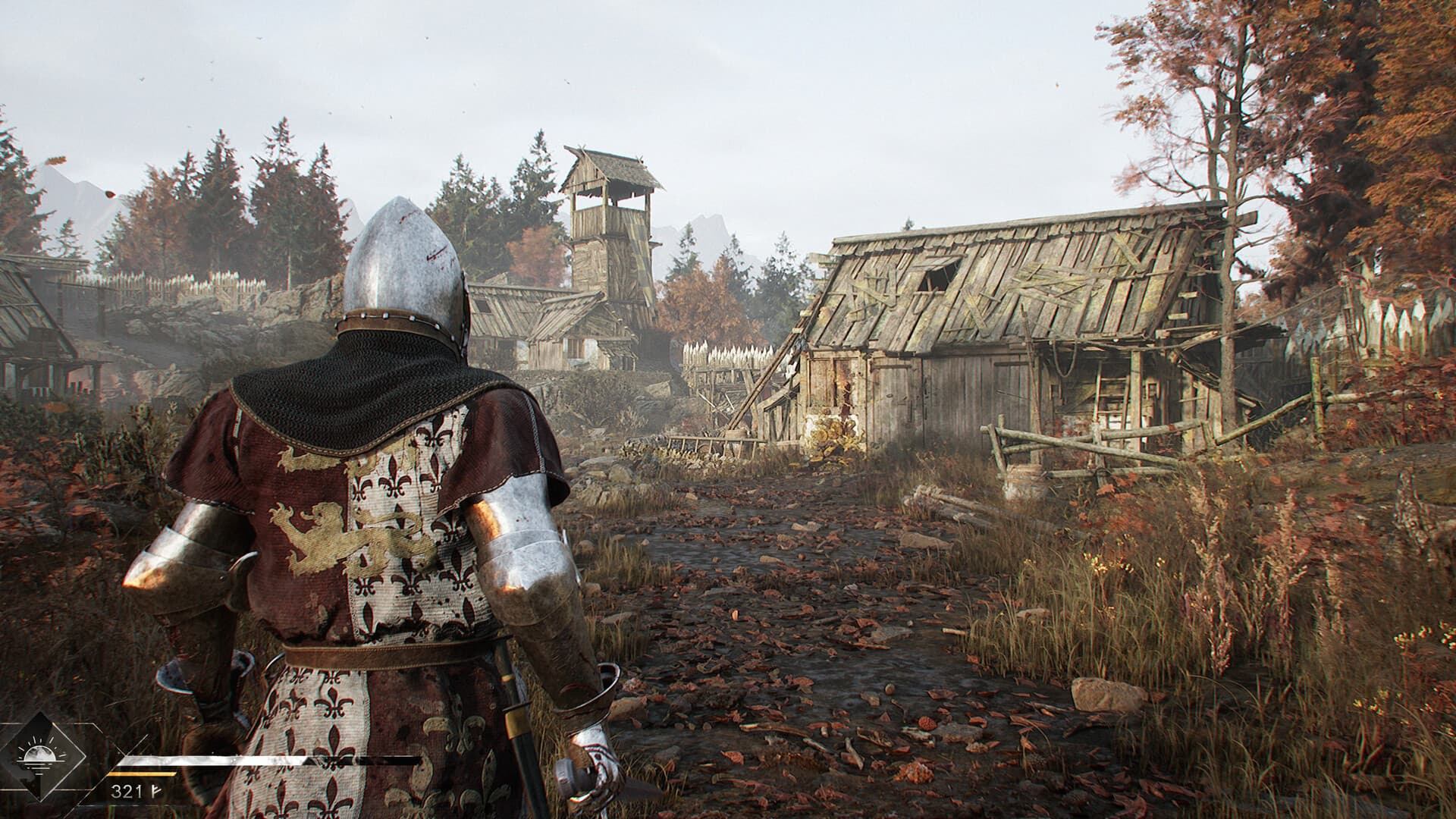
How Blight: Survival is structured as an extraction roguelite with run-based missions, permadeath, semi-procedural variation, dynamic world systems, and an optional-content philosophy.
The Artisan is a camp NPC in Blight: Survival who handles weapon and armor upgrades through a modular component system. Players bring materials and coins from extraction runs to swap, upgrade, or replace individual weapon and armor parts.

The finisher system in Blight: Survival includes stealth finishers for unaware enemies and combat finishers showcased in the FGS 2026 teaser, featuring context-sensitive kill animations that vary by weapon type and enemy state.
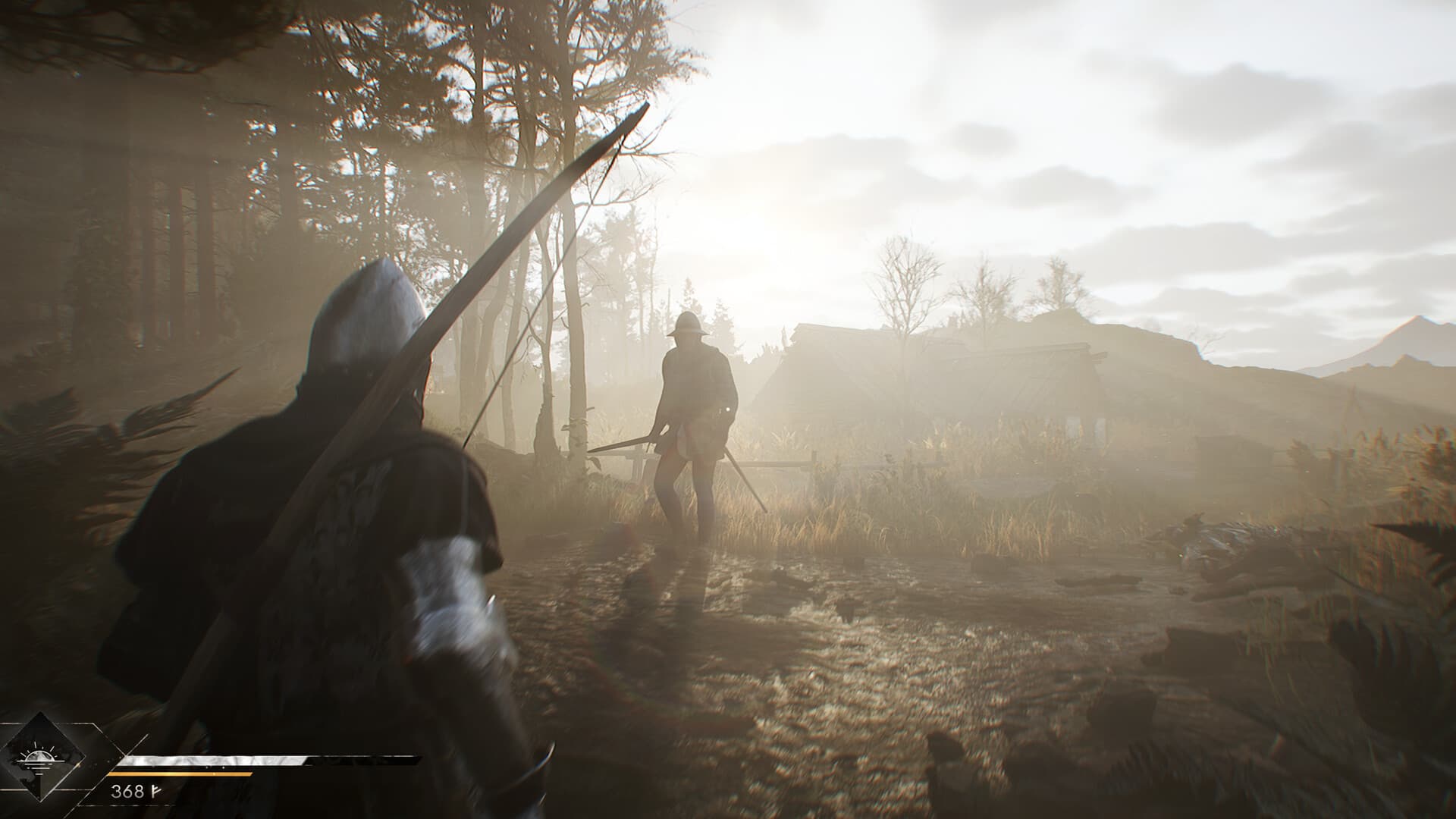
The bloodline system in Blight: Survival carries experience, talents, and traits forward to successor characters after permadeath, providing long-term progression even through repeated character losses.
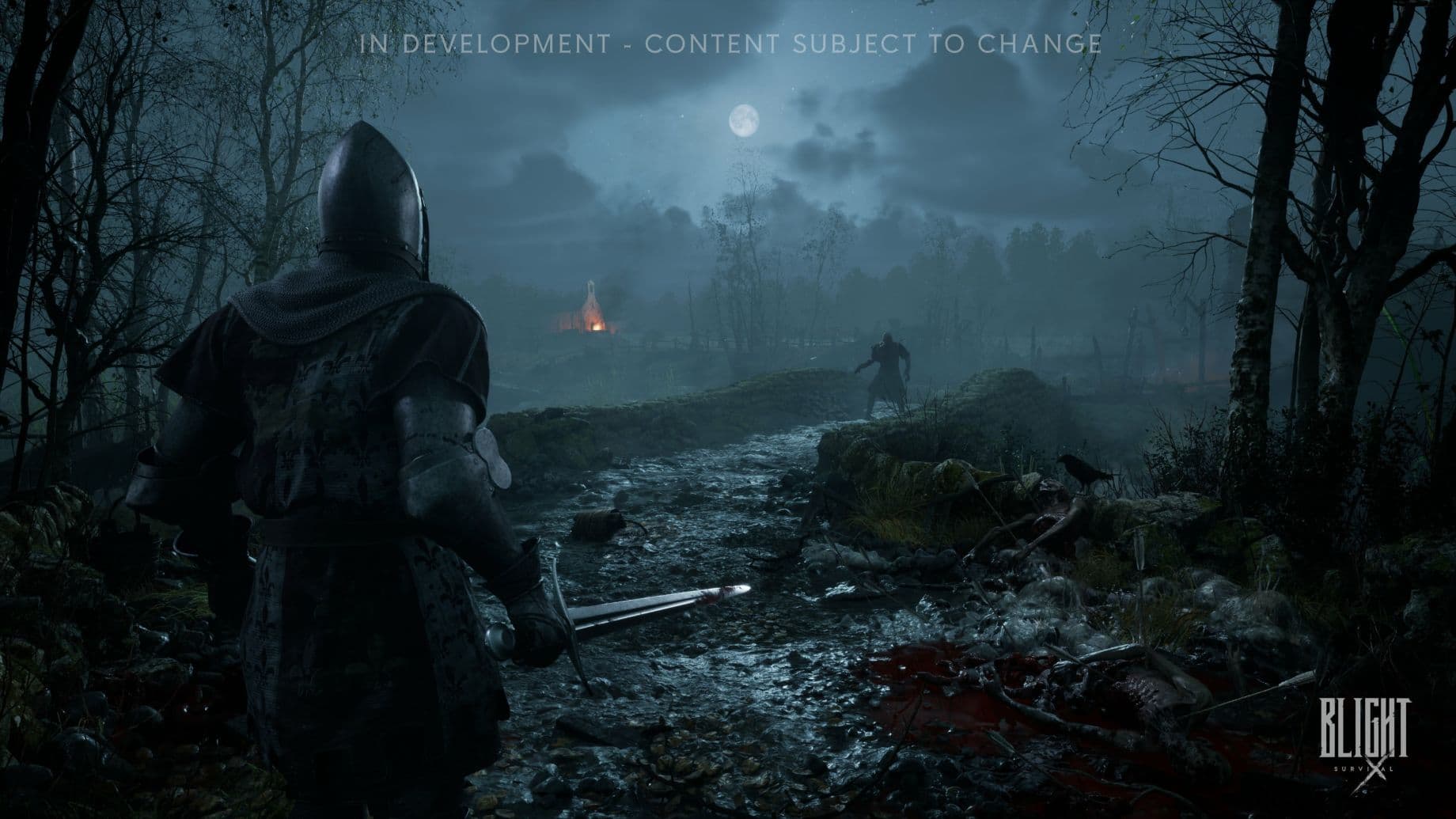
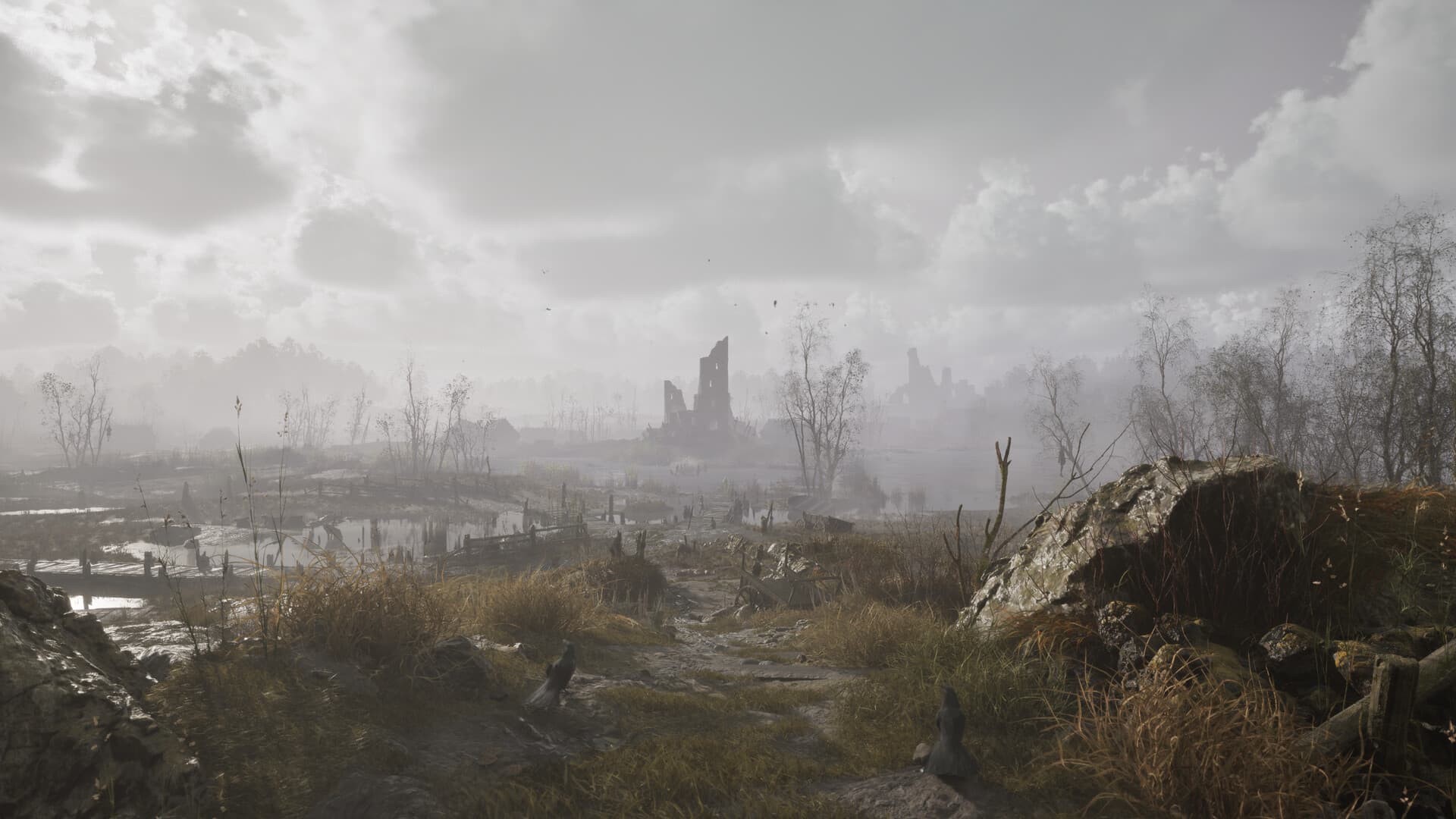
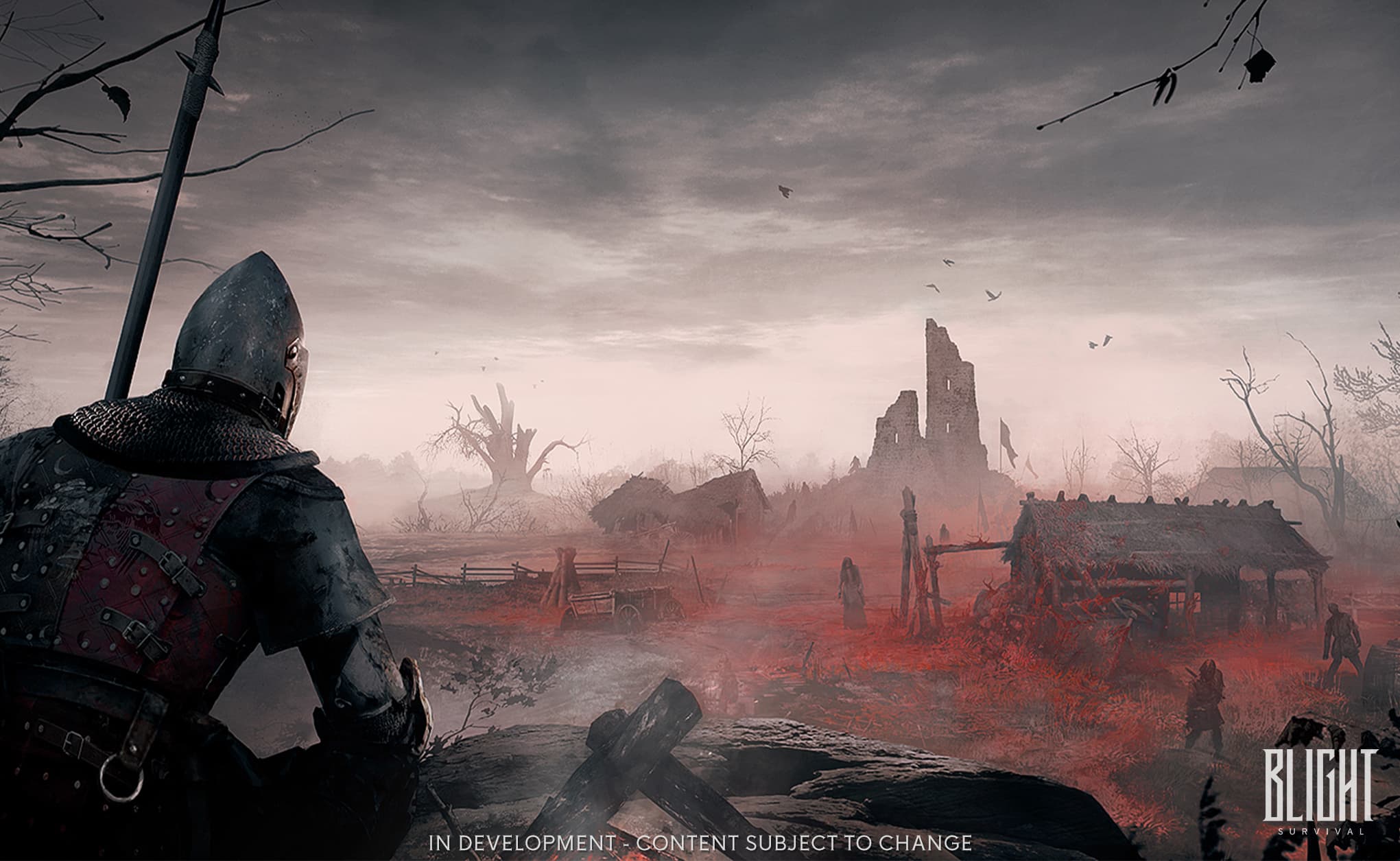
The Marshlands is a biome in Blight: Survival featuring fog-shrouded wetlands, the Wailing Tree landmark, a Breaking Wheel, peat-digging lore, and dynamic day-night shifts that affect difficulty and visibility.
No Man's Land is the contested territory between two warring kingdoms in Blight: Survival, featuring marshlands, seaside areas, dungeons, and the Wailing Tree landmark.
Blight: Survival is planned as a premium buy-to-play game with DLC expansions; the developers have ruled out free-to-play, microtransactions, and battle passes. Final pricing is not yet announced.
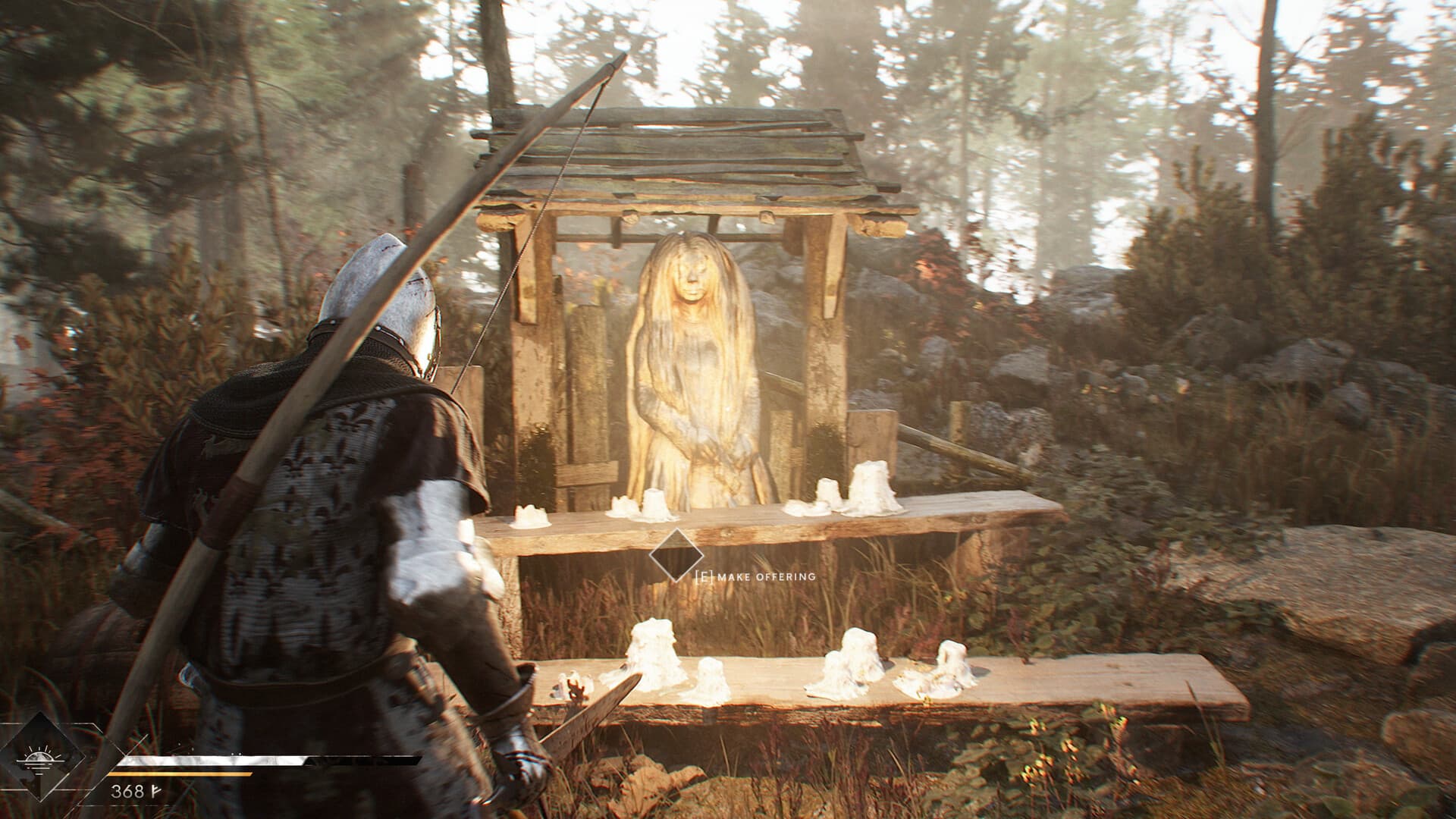
The camp is the Writhen's hub area in Blight: Survival where players craft gear at the Artisan, prepare Remedies, select missions, form parties, manage characters, and invest in long-term camp development between runs.

The Wailing Tree is a landmark in the Marshlands biome of Blight: Survival, featuring a Breaking Wheel and tied to the region's forgotten past. It was the focus of the first in-game footage devlog and is a key piece of environmental storytelling.
Sound design in Blight: Survival uses environmental audio, creature vocalizations, combat feedback, dynamic day-night audio shifts, and stealth-linked noise mechanics to create a horror atmosphere that serves both tension and gameplay awareness.
Blight: Survival uses a classless progression system with three core attributes, unlockable weapon movesets through crafting, talents and traits, and a bloodline system that preserves experience across deaths.