

What is No Man's Land
No Man's Land is the battlefield between two kingdoms that have been locked in an unending war. Years of bloodshed have saturated the ground, and the Blight has consumed the entire territory. It's the primary gameplay area in Blight: Survival. Every mission sends the Writhen into a different section of this infected wasteland.
Map Structure
The game is mission-based, not open-world. Players select a mission at the camp and enter a specific area of No Man's Land for that run. The maps are hand-crafted rather than fully procedurally generated, but semi-procedural elements keep each run distinct. Enemy placements, patrol routes, and spawn compositions vary between runs. Environmental conditions shift. The Blight's progression can alter areas over time. This prevents players from memorizing safe routes while still maintaining the design quality that comes from handmade level layouts.
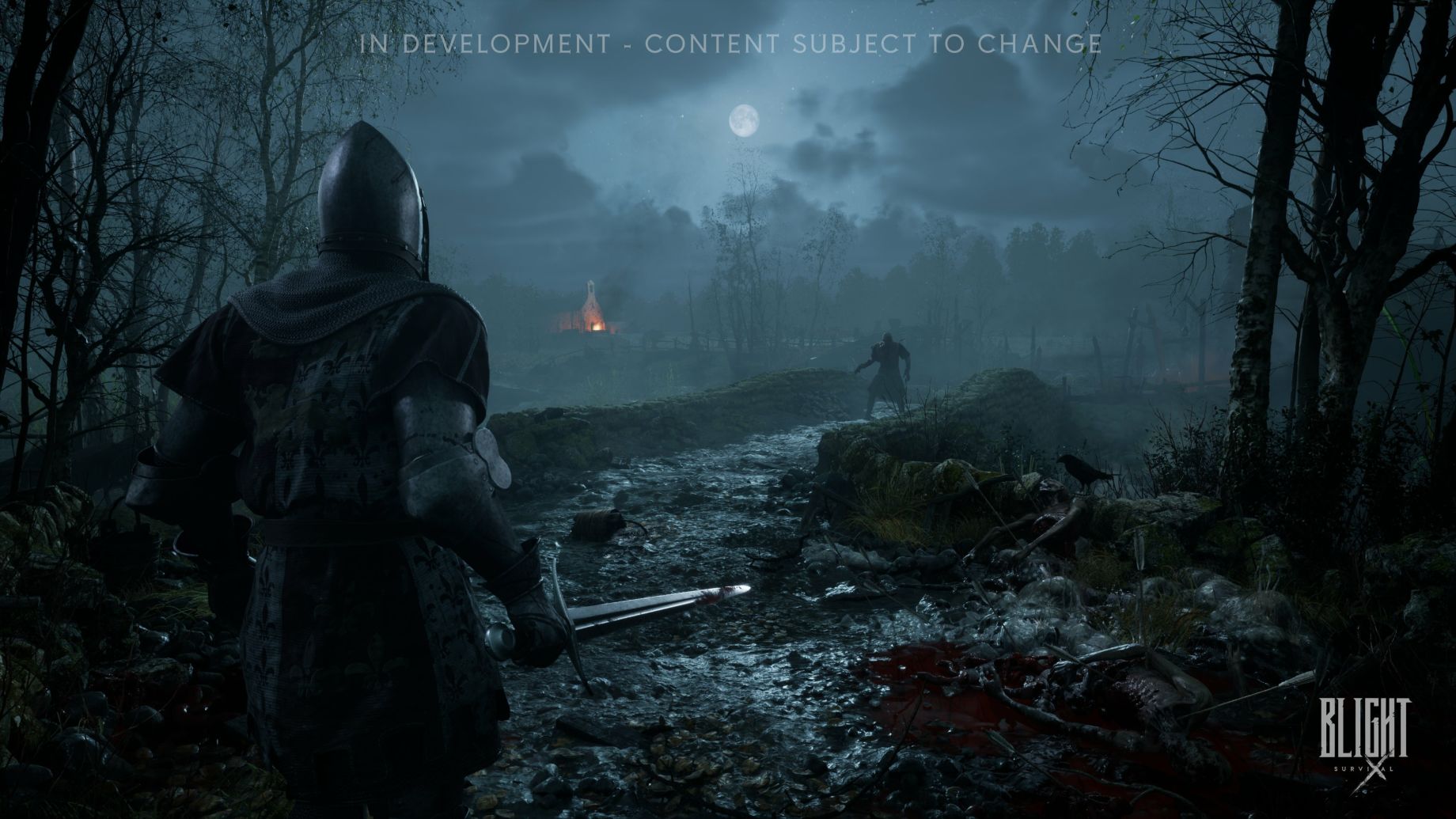
Environments
Multiple distinct environments make up No Man's Land:
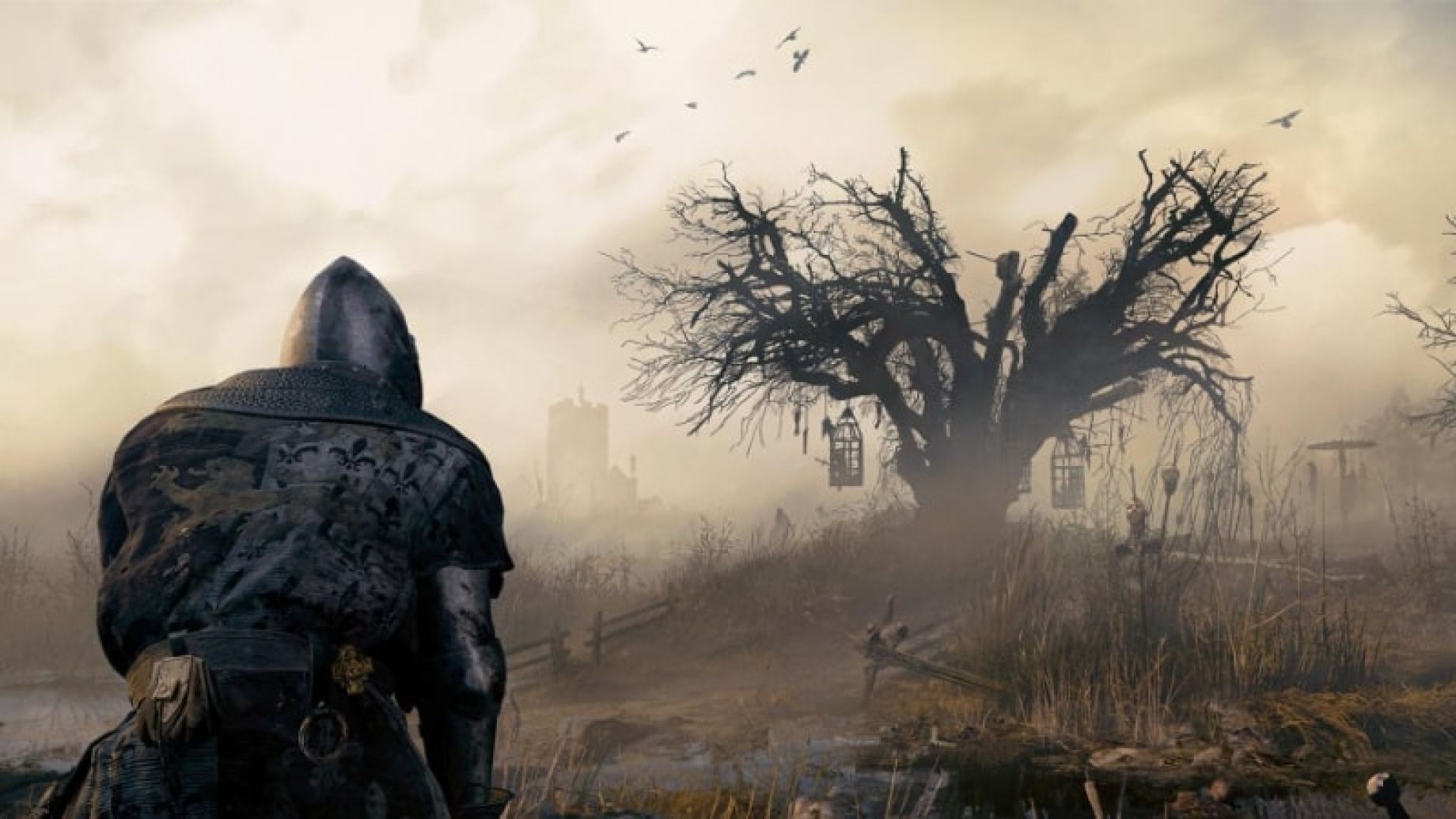
Marshlands
Waterlogged terrain with limited visibility and difficult footing. The marshlands are home to the Wailing Tree, a prominent landmark shown in April 2025 footage. The area features dense fog, standing water, and an oppressive atmosphere. Movement is slower and louder in the marshes, which affects stealth and makes encounters harder to escape.
Seaside Areas
Coastal environments showcased in 2025 developer updates. Rocky shorelines, crumbling coastal fortifications, and the sound of waves provide a different tone from the inland environments. The open sightlines contrast with the claustrophobic marshlands and dungeons.
Dense Forests
Fog-shrouded woodland where Hiddens and Nightstalkers thrive. Dense foliage limits visibility and creates natural ambush points. The trees and undergrowth make ranged combat less effective but offer cover for stealthy approaches. Sunlight cutting through the canopy at low angles creates patches of light and shadow.
Ruined Villages
Former settlements overtaken by the Blight. Collapsed structures, overgrown fungal growth consuming stone and wood, abandoned personal effects. These areas tell stories about the people who lived there before the infection consumed everything. The structures provide vertical variety and interior spaces to explore.
Post-Battle Landscapes
Desolate fields littered with corpses and destroyed siege equipment from the ongoing war. Among the most dangerous environments because the sheer number of bodies means a high density of Hiddens. Every corpse might be a dormant enemy. The flat terrain provides good sightlines but little cover.
Dungeons
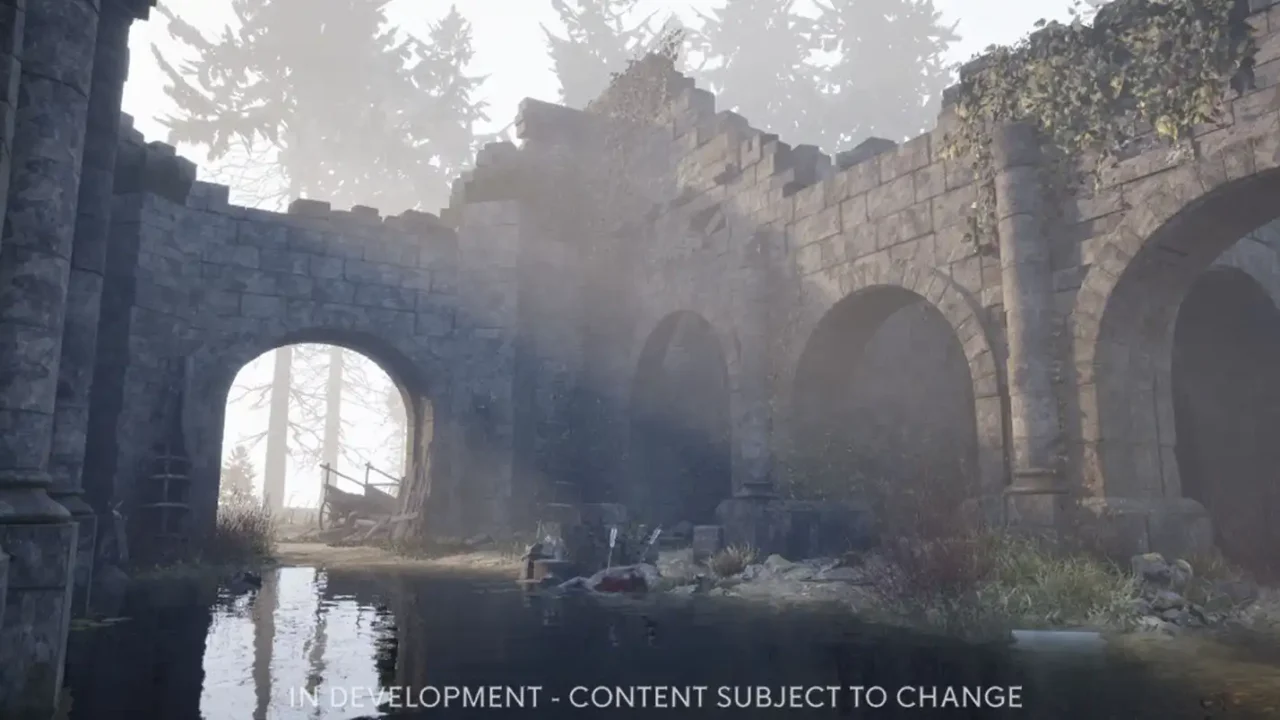
Claustrophobic interior spaces confirmed by the developers. Dungeons include ruined arches, standing water, cells with heavy gates, and dust-lit shafts. The tight corridors limit dodging options and make the directional combat system harder to execute. Swelters are particularly dangerous in dungeons because their toxic spores fill enclosed spaces. The trade-off is that dungeons tend to contain better loot, making them high-risk, high-reward destinations during a run.
Prison cell environments have been shown in screenshots, with heavy iron gates, dim lighting, and narrow passages. These represent the most confined spaces in the game, where even two-player co-op parties feel cramped.
Dynamic World Systems
No Man's Land isn't static between runs. Several dynamic systems create variation:
Feature | Description |
|---|---|
Weather patterns | Rain, fog, and storms affect visibility, movement, and enemy behavior |
Time-of-day cycles | Lighting conditions change, with darker periods making Nightstalkers more dangerous and torches more valuable |
Seasonal cycles | The environment shifts with seasons, altering terrain conditions and available cover |
Blight spore movement | Deadly fungi spores gradually move around the map, effectively turning it into an ever-changing living maze. Areas that were safe on one run might be toxic on the next |
These overlapping systems mean no two runs through the same area feel identical. A marshland run in heavy rain at night with active spore drift is a different experience from the same marshland on a clear morning.
Points of Interest
Shrines dedicated to fictional 14th-century deities are scattered throughout each map, offering temporary blessings. Environmental storytelling shows the war's toll and the Blight's spread. An "element of discovery" system flags mysterious objects when players encounter them, rewarding thorough exploration with lore and potentially useful items.
Extraction
Each run has an extraction point. Reaching it alive means keeping everything you've gathered. The tension between exploring deeper for better loot and getting out safely with what you have is the core risk-reward loop. Push too deep and you might find rare equipment. Stay too long and the Blight's presence intensifies as spores shift and enemy density increases.