

Overview
Risk and reward is what the developers call the central driving force behind Blight: Survival's design. Senior Creative Director Ashley Pannell described it as "a key element of the overall driving part of many features in the game." Every system feeds into a loop of calculated risk: push further for better rewards, or play it safe and extract with what you have.
The Core Tension
Pannell summed up the loop in his March 2026 press interview: "You go in, you try and amass what you can, and you can always push for more, but you could always back out when you feel like you've got something meaningful."
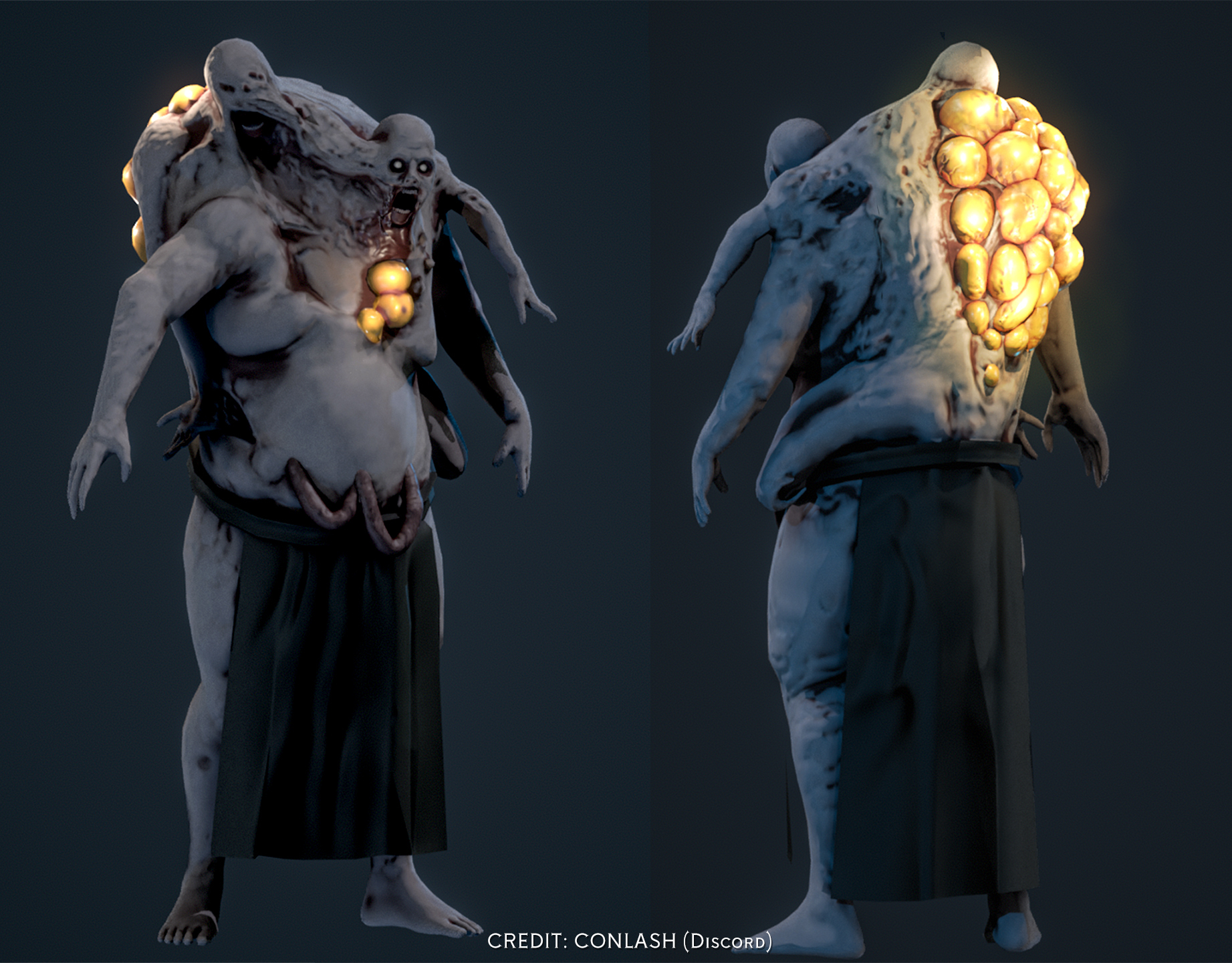
This tension applies at every scale. In a single combat encounter, the risk is whether to engage or bypass. A group of Rattlers might be guarding a chest with valuable materials, but fighting them costs health and weapon durability. In a full run, the risk is whether to head for extraction with your current loot or push deeper into No Man's Land for better gear and materials. In the long term, the risk is whether your character survives at all.
Loss as a Mechanic
Pannell was explicit about loss being designed into the game: "We have loss in our game, and the decision whether to bank that or preserve it at some point in the game will become a key choice the player makes." Loss is not a punishment for failure. It is a mechanic that gives meaning to success. An extraction only feels rewarding because the alternative was losing everything.
The permadeath system is the sharpest expression of this. When a character dies, they are gone permanently, along with all their equipped gear and any materials gathered during the run. The bloodline system carries some experience forward to the next character, so no run is completely wasted. But the loss of a well-geared character with upgraded equipment from the Artisan is always significant.
Where Risk Appears
System | Risk | Reward |
|---|---|---|
Taking damage, losing health, weapon degradation, alerting nearby enemies | Loot from defeated enemies, crafting materials, clearing the path forward | |
Dying before reaching extraction loses character, gear, and all collected loot | Keeping everything collected, feeding the Artisan's workshop, building long-term power | |
Deeper areas have tougher enemies, more Swelter gas, less room to retreat | Better loot, secrets, quest objectives, rare crafting materials | |
Permadeath | Character death is permanent; equipped gear is lost forever | Bloodline experience carries over; talents and traits pass to successor characters |
Extended fighting weakens your equipment; a broken weapon mid-boss can be fatal | Longer runs yield more resources to repair and upgrade at the Artisan | |
Tight spaces, limited retreat, amplified enemy threats, echoing sound | Concentrated loot, rare components, lore discoveries, locked chests |
Worked Example: A Typical Run
Consider a mid-game run into the Marshlands at night. The player has brought upgraded gear and a stock of Remedies. Early on, they defeat a group of Rattlers and collect crafting materials. The first decision point: extract now with these modest gains, or push toward the Wailing Tree area where loot is better.
They push forward. Near the tree, a Bellower screams before they can kill it, drawing more infected. The fight costs two bandages and degrades their primary sword. Second decision: extract with what they have and a damaged weapon, or enter a nearby dungeon passage where rare materials might be waiting.
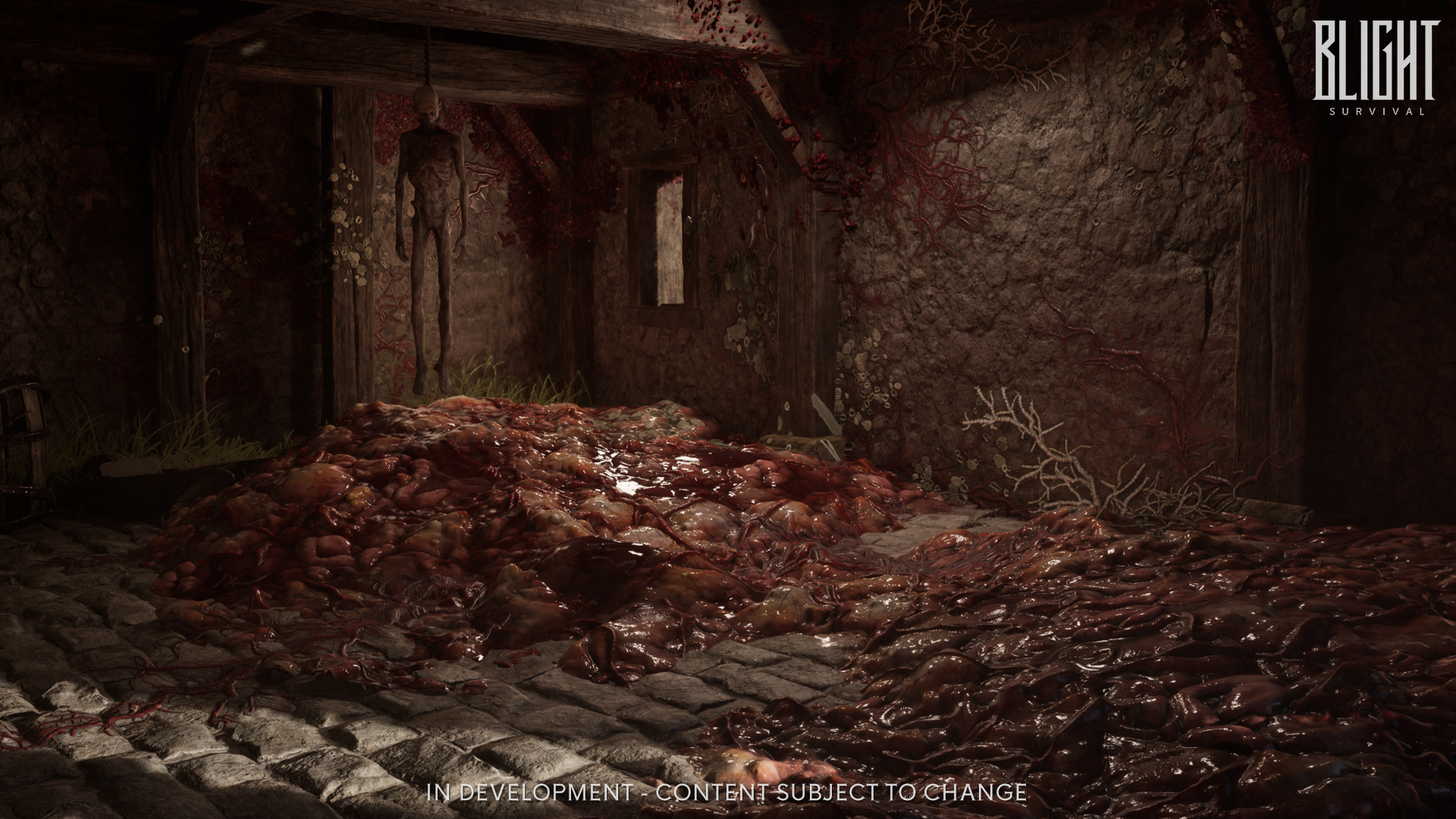
They enter the dungeon. A Swelter fills a corridor with gas. They use their last torch and a potion to get through. Deep inside, they find a rare blade component for the Artisan. Now they must get out. Their weapon is degraded, their Remedies are spent, and the extraction point is back through territory they have already disturbed. Every encounter between here and extraction could end the run and lose everything.
This cascading sequence of risk decisions, where each choice to push deeper creates both opportunity and compounding danger, is the loop the developers are building the entire game around.
Co-Op Risk Dynamics
In co-op play, risk calculations multiply. If one player dies, their character is permanently lost, but survivors can continue. This creates situations where the group must decide: extract to save what three players have, or push further to make the fallen teammate's sacrifice worthwhile? A team where one player carries most of the gathered materials has more to lose than a team that has distributed loot evenly.
Group disagreement about when to extract is an intentional source of tension. Four players may not agree on whether the loot ahead is worth the risk. The natural friction between caution and greed, amplified across multiple human players, is part of the experience.
Design Inspirations
Pannell cited Helldivers and Deep Rock Galactic as extraction influences rather than traditional extraction shooters like Escape from Tarkov or Hunt: Showdown. The distinction matters. In Helldivers and Deep Rock, the extraction decision is about reading the situation and deciding when enough is enough. The tension comes from the environment deteriorating around you rather than from other players hunting you.
Blight: Survival applies the same principle to a medieval horror setting. The pressure comes from the Blight itself, from degrading equipment, from dwindling Remedies, and from enemies that get harder the deeper you go. Pannell positioned the game as "extraction-lite" rather than a full extraction game: "We have extraction elements, but it's not driven exclusively as the extraction genre." The emphasis is on the feeling of risk, not the specific genre label.