

Overview
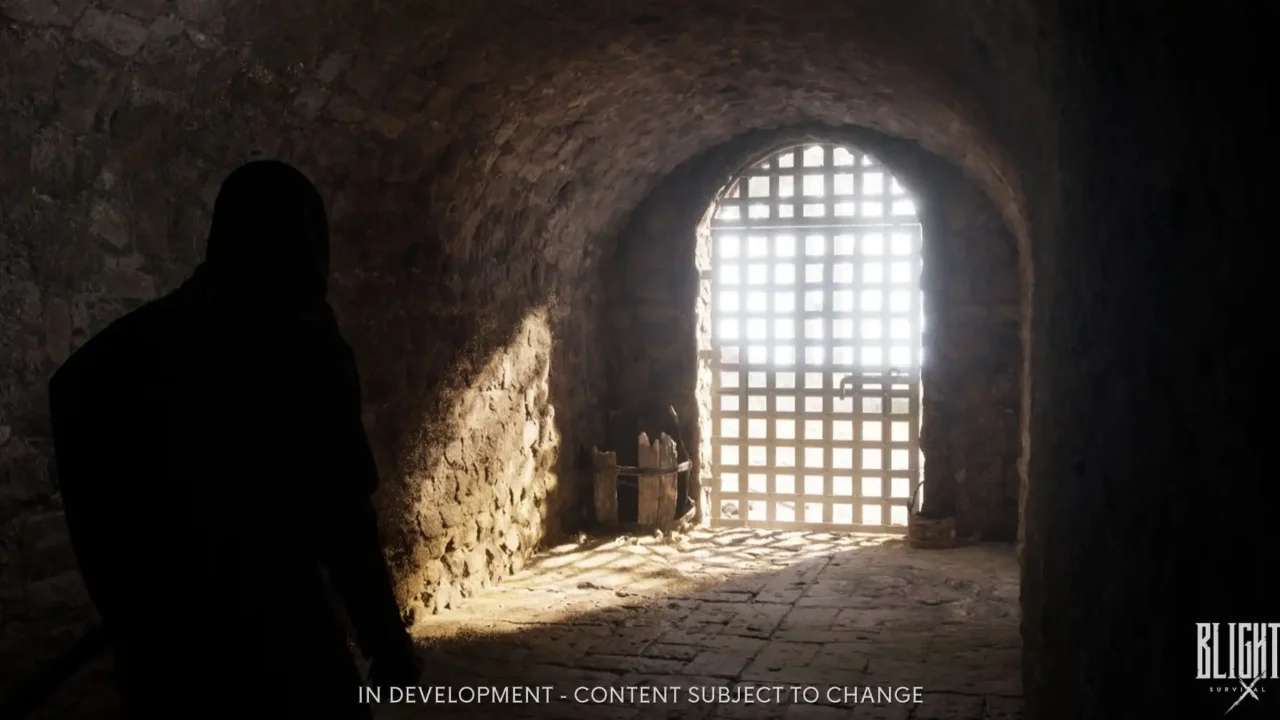
Dungeons are enclosed environments within No Man's Land that contrast with the open outdoor areas. While much of the gameplay takes place in fields, marshlands, and ruined villages, dungeons offer tight, atmospheric indoor spaces where different tactics apply. The September 2025 developer update introduced these environments alongside expanded outdoor areas, and the developers noted that the "darker underbelly of Blight includes tight spaces that increase tension and the kinds of encounters you'll face."
Combat in Confined Spaces
The developers stated that claustrophobic dungeon spaces will "surely cause players to adjust their combat strategy." The directional melee system behaves differently when walls and ceilings limit swing arcs. Two-handed weapons like longswords and morningstar maces, which rely on wide sweeping attacks, lose effectiveness in narrow corridors where swings connect with stone walls instead of enemies.
Shorter weapons gain a natural advantage. One-handed swords, daggers, and shields are easier to use in tight quarters. The shield in particular becomes more valuable in corridors where enemies can only approach from one or two directions, turning a narrow passage into a defensible position rather than a death trap.
The game is designed around "fewer, deadlier enemies" rather than massive hordes. In dungeons, this philosophy is amplified. A single Armored enemy in a narrow corridor is a different problem than the same enemy in an open field. There is less room to circle, less room to dodge, and less room for teammates to flank.
Stealth and Lockpicking
Stealth plays differently in dungeons. Enclosed spaces limit sightlines for both the player and enemies, creating ambush opportunities but also greater risk of being cornered. A successful stealth approach in a dungeon means clearing rooms one at a time without alerting the next group. A failed stealth attempt means fighting in the worst possible conditions: tight space, limited retreat options, and enemies closing in from both directions.
The developers confirmed a lockpicking mechanic is in development, and dungeons are a natural context for it. Locked doors, gates, and chests offer optional pathways and rewards for players willing to invest time picking a lock rather than finding another route. The heavy gates visible in devlog concept art suggest that some dungeon areas may be locked behind doors that require either a key or the lockpicking skill to access.
Armor and Noise
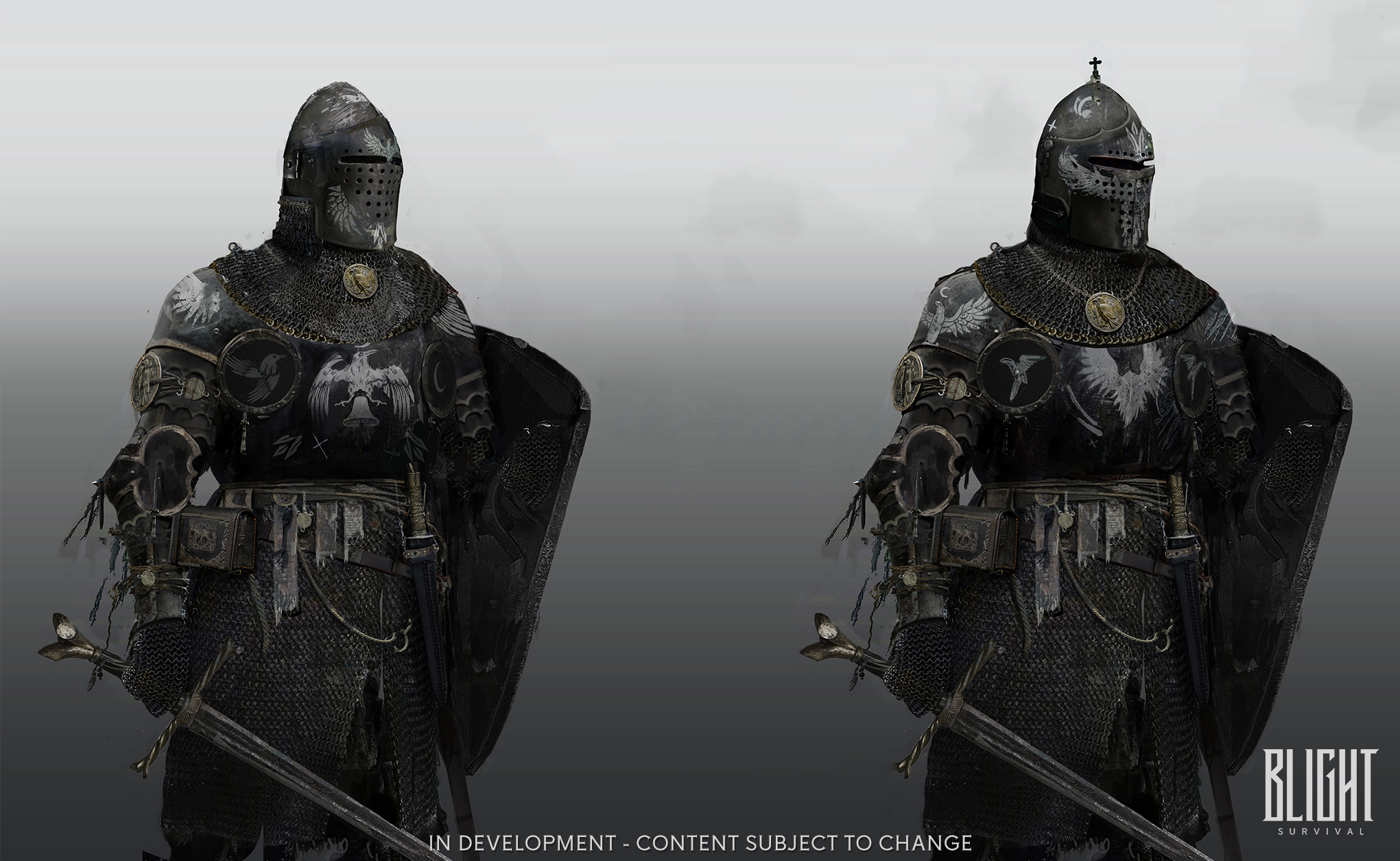
The armor system's noise mechanic becomes more important in dungeons. Enclosed stone environments amplify sound. A player in full plate mail is already loud in an open field; in a dungeon corridor, the clanking echoes off walls and carries further. Lighter leather armor provides a stealth advantage that matters more in these tight spaces than it does outdoors, where distance and ambient noise provide more cover.
Enemy Behavior
Dungeon encounters differ from outdoor fights. The confined space changes how enemies behave. Groups of infected may bottleneck in doorways, making them easier to manage one at a time, but they can also cut off escape routes. A Bellower's scream in an enclosed space is particularly dangerous: the sound funnels through corridors, and the reinforcements it attracts have fewer paths to spread across, creating a concentrated swarm in exactly the space where the player has the least room to maneuver.
Swelters pose an amplified threat indoors. Their toxic gas fills enclosed rooms and corridors rather than dispersing into open air. A single Swelter in a dungeon can make an entire section impassable for a period, forcing players to find alternate routes or wait for the gas to clear.
Hiddens are especially effective in dungeon environments. The bodies and debris that litter indoor spaces provide natural concealment for dormant infected. In an open field, a player might spot a Hidden from a distance. In a dungeon, the first warning is often the attack itself.
Visual Design
Concept art and devlog footage from the September 2025 update showed ruined stone arches with standing water, dust-lit shafts with heavy iron gates, and detailed medieval architectural destruction. The environments convey a sense of history: these are places that served purposes before the Blight consumed them. Cellars, fortifications, crypts, and underground passages all fit the game's alternate 14th-century setting.
Lighting is a key design element. Dungeons are darker than outdoor environments, and visibility drops significantly. Torches become a tactical decision: they illuminate the path but also signal your position to enemies. The interplay between light and darkness in enclosed spaces contributes to the horror atmosphere. For more on the audio side, see Sound Design and Atmosphere.
Exploration and Loot
Dungeons contain secrets and rewards that incentivize exploration. The game's world is described as "filled with secrets and hidden treasures waiting to be discovered." Indoor areas are a natural home for locked chests, hidden rooms, and lore-rich environmental details. The risk-and-reward calculation shifts in dungeons: the loot may be better, but the danger of getting cornered or trapped is higher.
Optional objectives and discoverable lore elements are placed throughout No Man's Land, and dungeons offer concentrated pockets of these rewards. Players who explore dungeon areas thoroughly may find crafting materials, rare weapon components, or pieces of the environmental storytelling that reveal the history of the two warring kingdoms and the spread of the Blight.
Co-Op Tactics
In co-op play, dungeons change group dynamics. Corridors are too narrow for all four players to fight side by side. Groups need to manage formation: who leads, who watches the rear, and who holds the doorway. Communication about enemy positions matters more when sightlines are short and sounds echo unpredictably.
A party splitting up in a dungeon to cover more ground is riskier than splitting up outdoors. If one group triggers an encounter, the other may not be able to reach them quickly through narrow, winding passages. The tight spaces make coordination more important and mistakes more punishing.