

Core Loop
Blight: Survival is structured as what the developers call an "extraction-lite" with roguelite and RPG elements. Each play session follows the same basic loop:
Prepare at The Camp: Craft gear at the artisan, upgrade equipment, select a mission, form a party
Enter No Man's Land: Fight through Blighted creatures and human enemies in a hand-crafted map with semi-procedural variation
Loot: Gather weapons, armor, crafting materials, and valuables. Decide how deep to push
Extract or die: Reach the extraction point to keep everything, or lose your character and all equipment permanently
Extraction Mechanics
"Extraction-lite" is the developers' own term, distinguishing the game from hardcore extraction shooters like Escape from Tarkov. Successfully extracting from a run means you keep everything you picked up: weapons, armor, crafting resources. Dying means losing your character and all equipped gear. Only accumulated experience partially carries over through the bloodline system. The core tension of every run comes from the decision to "secure spoils or risk it all and push forward."
Semi-Procedural Variation
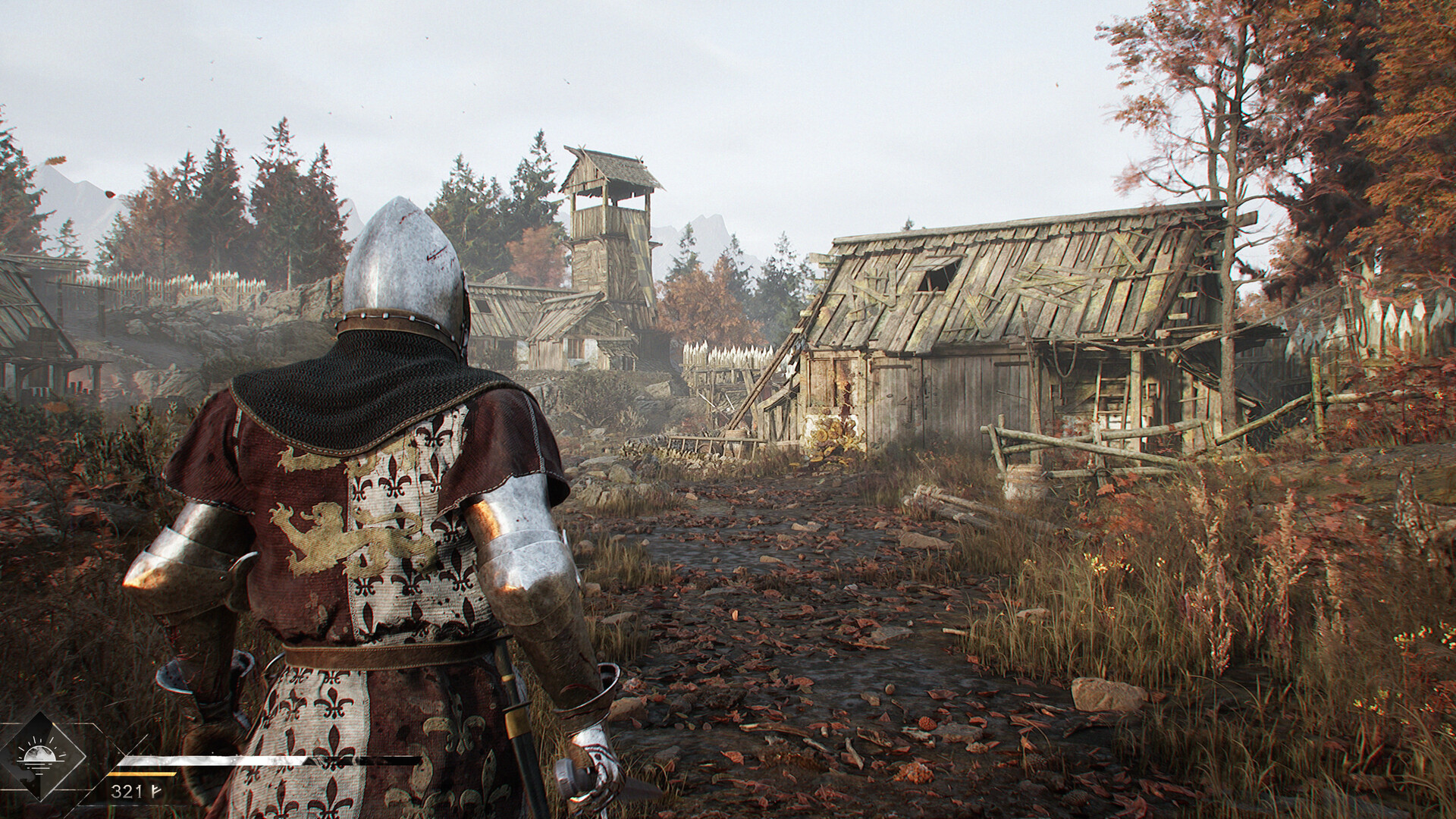
The maps are hand-crafted, not procedurally generated. But several dynamic systems keep each run distinct: enemy spawn compositions and patrol routes shift, weather and time-of-day change conditions, seasonal cycles alter terrain, and deadly fungi spores gradually move around the map. The result is an "ever-changing living maze" built on a foundation of carefully designed level layouts. This is an important distinction. The maps have the quality and intentional design of handmade environments, but the variable elements prevent runs from becoming routine.
Mission Design
The 2025 development updates described the team as "influencing the core mission experience: how you navigate through a run, how challenges escalate, how resources matter, and how choices impact your survival." Missions aren't just about fighting from point A to point B. Optional objectives, discoverable lore, hidden dungeons, and shrine encounters create branching decisions within each run. The further you push, the higher the risk and the greater the potential reward.
Permadeath
Character death is permanent. When your Writhen dies, they're gone along with all their equipment. Your next character inherits some experience through the bloodline system but starts with nothing else. This makes the stakes of every run real and gives extraction its weight. The camp provides meta-progression that persists across deaths, softening the sting without removing the consequences.
Optional Content
The developers have stated: "Pretty much all content in the game is optional. It is up to the player to decide where to go and what to do." No length has been given for the main path. Optional objectives, lore discovery, dungeon exploration and build experimentation are all designed to extend play beyond it. Quest-type missions and mysteries offer structured optional goals beyond the basic extraction loop.
Solo and Co-Op
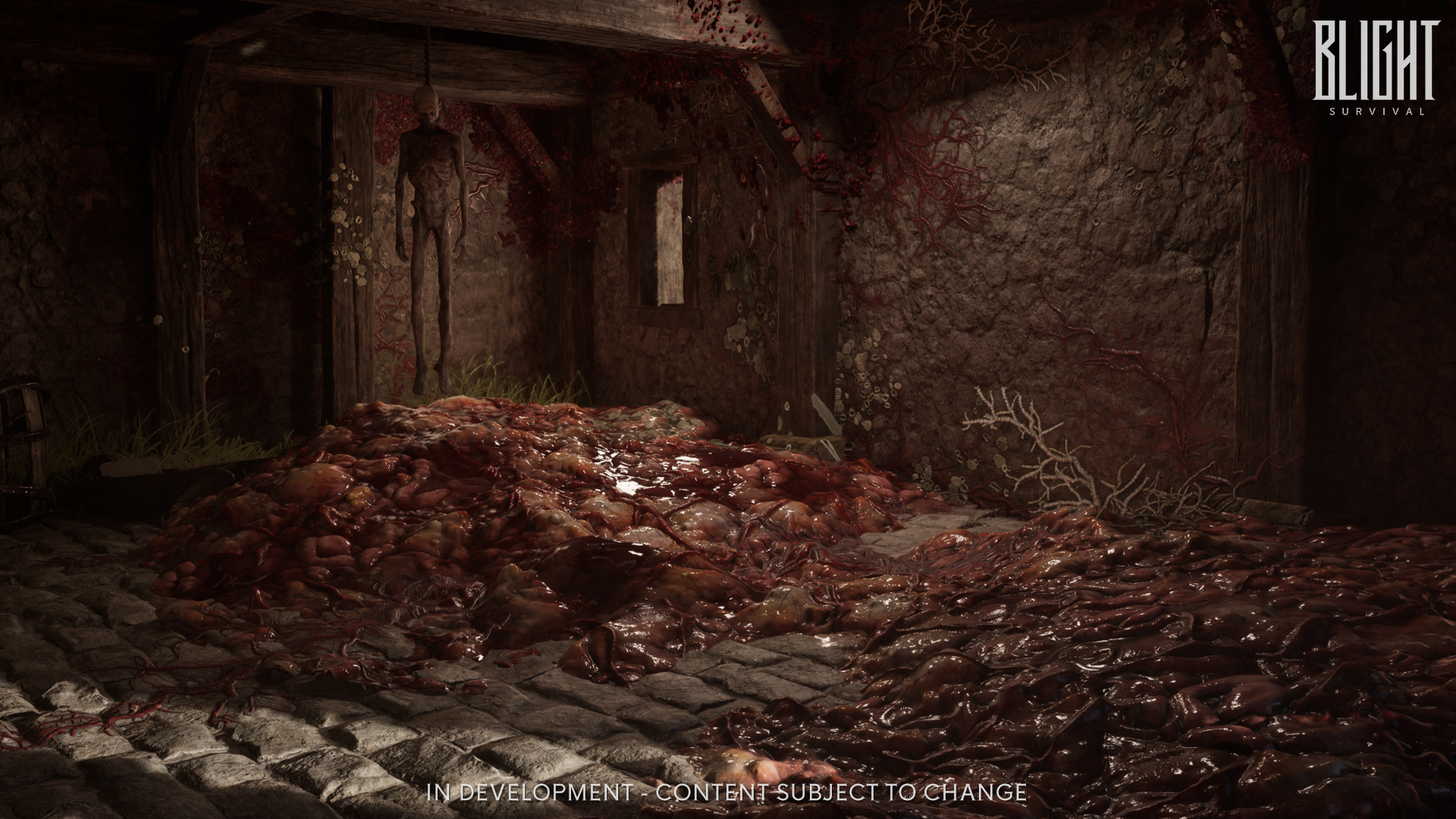
The entire structure works in both solo and co-op. Solo players face the same challenges with higher personal risk. Co-op groups of up to 4 can distribute roles and cover each other. The extraction tension intensifies in co-op when one player is down and the others have to decide whether to rescue them or run.
Release Format
The official FAQ lists Early Access as to be decided. The developers have expressed a preference for launching as a complete product. The final decision on release format has not been announced. Public playtests are planned for 2026. The developers have confirmed the game will not ship in 2026 and have not committed to a specific later year. Closed playtests are ongoing for invited players, recruited through the publisher's Playtest Squad and the official Discord server.