

Overview
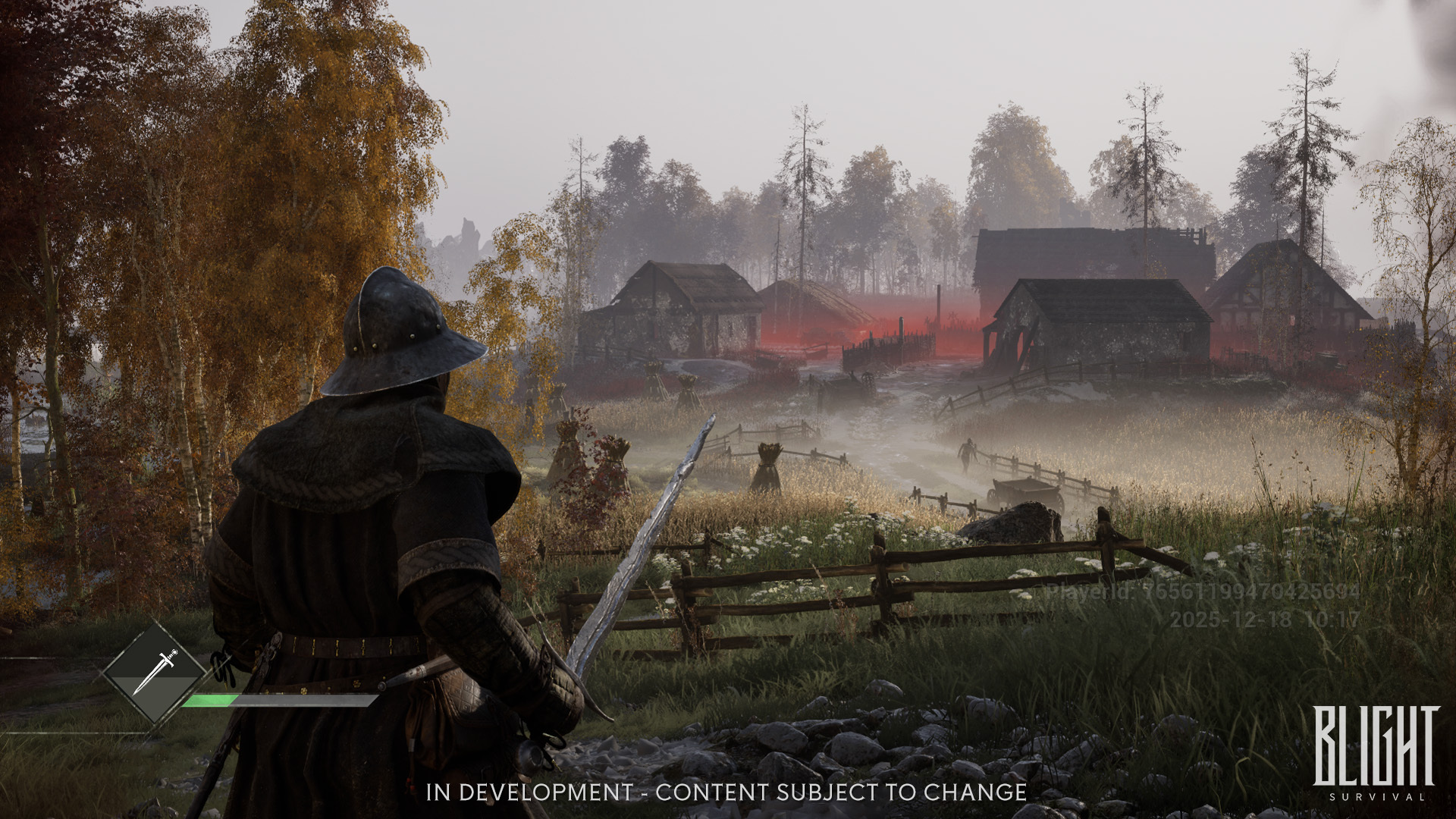
Armor in Blight: Survival uses a modular customization system where individual pieces can be swapped, upgraded, and visually personalized. Rather than equipping a single "armor set," players assemble their protection from interchangeable components, each affecting stats, weight, noise levels, and appearance. The system ties into the Artisan's workshop at The Camp, where modifications are applied.
Modular Components
Armor is assembled from individual components covering different body areas. Each piece can be acquired independently through missions, crafted at the Artisan, or upgraded from existing components. Different materials and construction methods produce pieces with varying weight, protection, and durability.
Rarities and conditions affect component quality. A pristine piece of plate armor provides better protection than a battered one, and rarer components offer superior stats or unique properties. The condition system means that armor degrades over use, connecting to the game's theme of equipment impermanence and the need to keep returning to No Man's Land for materials.
Visual Customization
Beyond stats, armor components can be visually customized. Players can change colors and modify crests or heraldic markings on their armor. The developers plan to allow players to wear enemy armor, recolor it, and change its crests. The visual design draws heavily from European medieval aesthetics, with armor styles ranging from practical leather and mail to full plate harness. Community members have praised the armor as "actually realistic," comparing harness and surcoat accuracy to 14th-century kit seen in Kingdom Come: Deliverance.
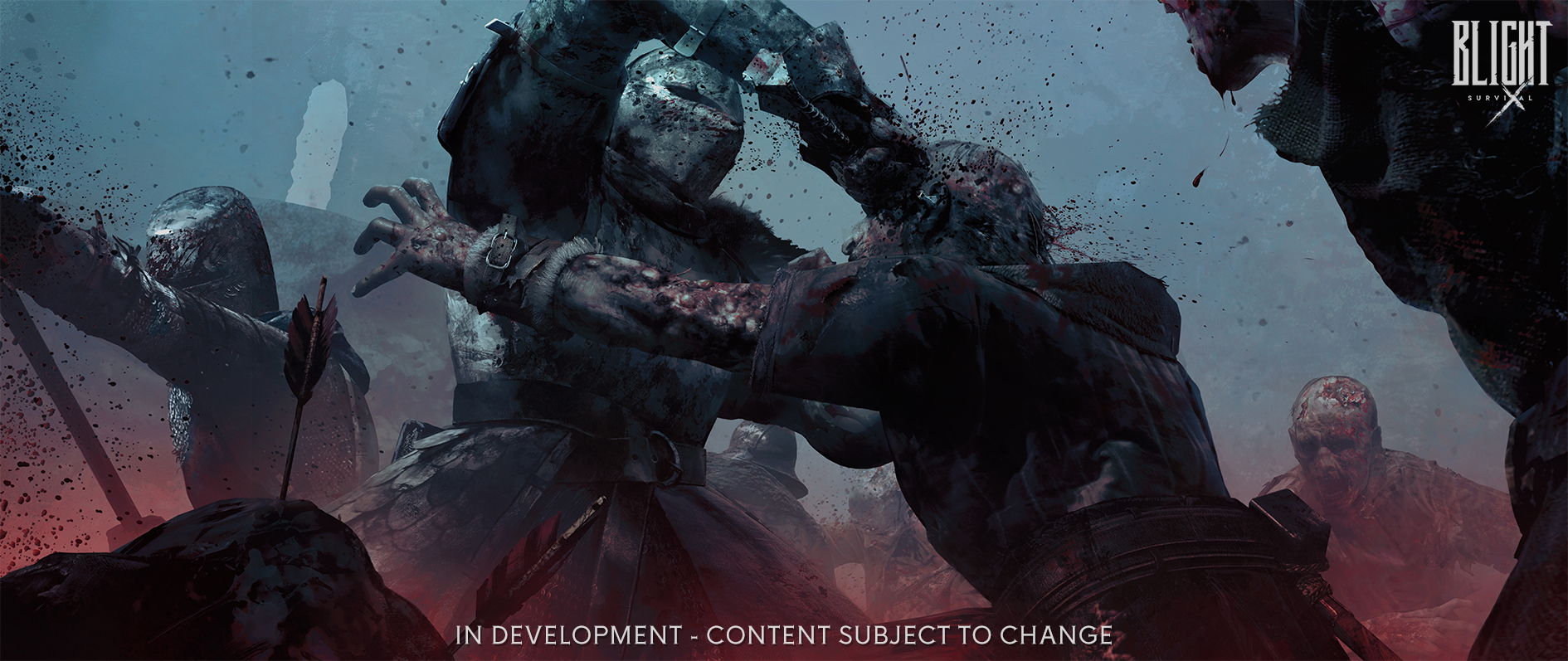
The European visual influence is deliberate and consistent throughout the game's art direction. The developers describe the setting as alt-history with an original world, "so we are taking artistic liberties in how we depict armor, combat, etc." while drawing from "a wide number of European visual influences." This gives the game's character appearances a distinctive identity that sets it apart from the Japanese-influenced armor seen in many other medieval action games.
Stealth Versus Protection
The most significant gameplay tradeoff in the armor system is between protection and stealth. Heavier armor provides better damage reduction but generates more noise, making the wearer easier for enemies to detect. Lighter armor offers less protection but allows quieter movement, enabling stealth approaches.
This tradeoff connects directly to the Classless Character System. A player building toward stealth will naturally choose lighter armor for its noise benefits, while a player focused on direct combat will prioritize heavier protection. Hybrid approaches are viable: wearing heavy armor on the torso for protection while using lighter pieces on the legs for quieter movement, for example.
Interaction with Other Systems
Armor weight affects the Endurance attribute's importance. Heavy armor drains stamina faster during combat and movement, meaning players who wear full plate need higher Endurance investment to maintain combat effectiveness. This creates synergies between attribute allocation, armor selection, and playstyle.
In Co-Op play, armor choices contribute to the team's overall composition. A group with one heavily armored frontliner and three lighter-armored flankers has different tactical options than a group where everyone wears medium armor. The visual variety also helps teammates identify each other quickly during chaotic encounters.
Masks, Deity and Heraldry
Masks are not decorative. Every Writhen is masked as part of initiation, both to survive the Blight spores and to erase the identity they carried before joining the order, so the mask sits alongside helmets and armor as a customization slot in its own right.
The developers have described character customization as revolving around masks, helmets, armor and weapons rather than detailed physical features, with players able to mix and match helmets, chest, leg and arm armor, tabards, materials and colours. Many masks and other gear are described as discoverable out in the world rather than only purchased or crafted.
Two further layers were confirmed in a developer question-and-answer session. Players design their Vanguard's banner and heraldry, and they choose a deity to align with, which determines the mask they start with. The stated goal is a look that feels personal without breaking the grounded aesthetic of the setting.