

Overview
Crafting in Blight: Survival is split into two parallel systems that share a common resource pool. The developers describe crafting as "a key part of our progression system" and state that it "will likely be the main progression players will experience in this game." Both systems operate at the camp between runs into No Man's Land.
The Two Crafting Systems
System | Handled By | Produces | Persistence |
|---|---|---|---|
Gear crafting | Weapon and armor component upgrades, visual customization, new movesets | Permanent until character death | |
Remedy crafting | Separate system at camp | Remedies: bandages, torches, herbs, potions | Consumed on use during runs |
Both systems use the same crafting materials and coins gathered during extraction runs. This shared resource pool creates the game's central economic tension: every material spent on one system is unavailable for the other.
Gear Crafting at the Artisan
The Artisan is a camp NPC who handles weapon and armor modifications through a modular component system. Weapons and armor are assembled from interchangeable parts, each independently upgradeable.
A sword consists of a hilt, crossguard, blade, and scabbard. A bascinet helmet consists of a coif, the bascinet shell, and a visor. Each component has its own rarity and condition values. The Artisan upgrades, replaces, or repairs individual components using materials and coins.
Beyond stat improvements, the Artisan system ties into moveset progression. Players "will unlock new weapon type movesets" through crafting, meaning upgraded weapons gain new attack combinations in the directional combat system.
The developers confirmed there are "a lot of different gear slots" with "different levels within each." Armor includes visual customization options: the official FAQ confirms that players can wear enemy armor and "recolor it and change the crests." The visual influences draw from "a wide number of European" styles fitting the alternate 14th-century setting.
Remedy Crafting
The Remedies system produces expendable consumables: bandages for healing, torches for light, herbs for minor effects, and potions for stronger buffs or healing. These are single-use items that do not persist between runs. Each remedy takes up inventory space and costs materials to craft.
Remedy crafting is the per-run preparation system. Before each mission, players decide how many bandages to bring (survival insurance), whether torches are needed (for dungeons or nighttime runs), and whether to invest in potions (for emergency situations or boss encounters).
Shared Material Economy
The resource flow in Blight: Survival follows a cycle:
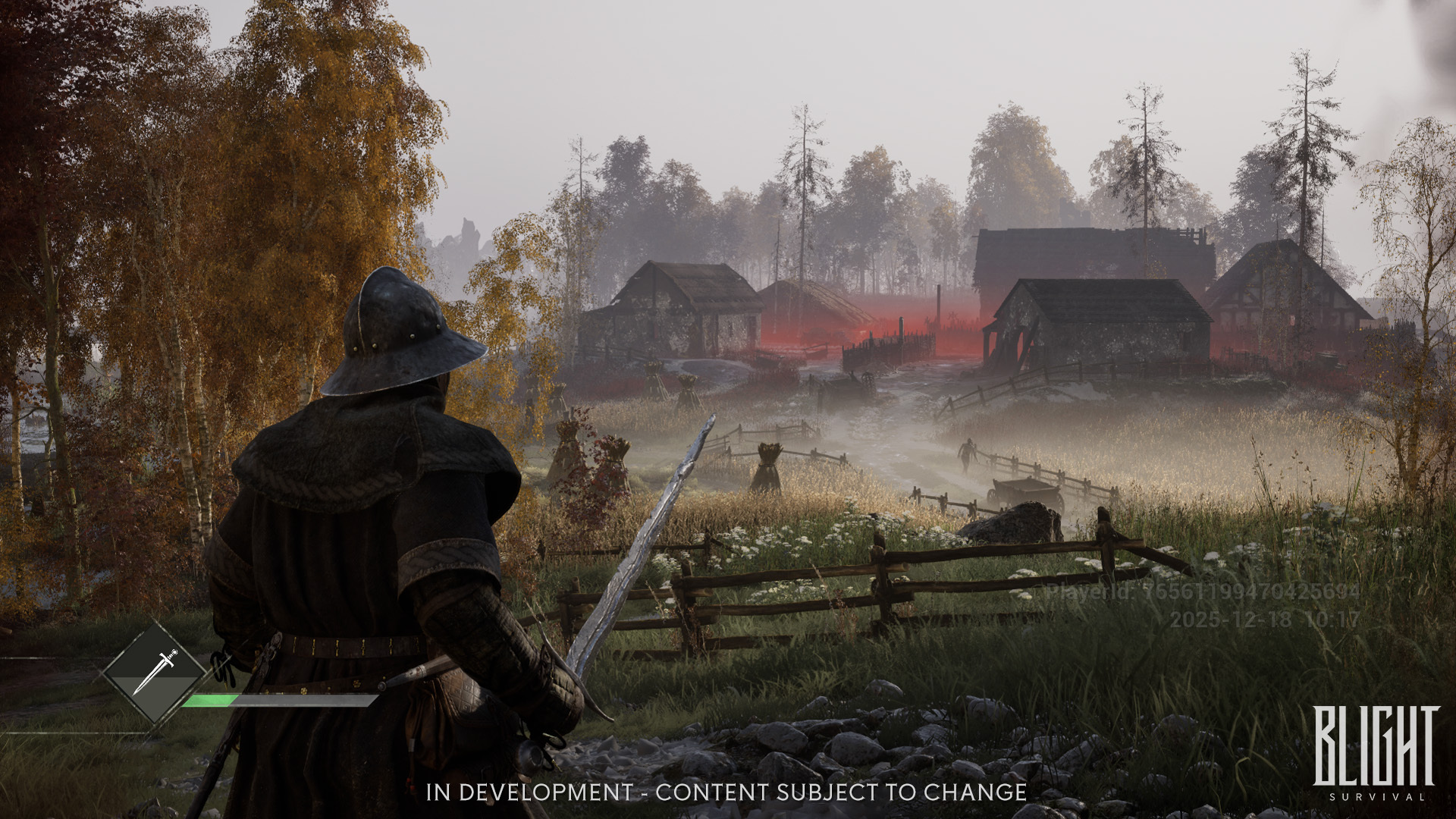
Enter No Man's Land and gather materials, coins, weapons, armor, and crafting resources from enemies and the environment
Extract successfully to keep everything collected
Return to camp and decide how to allocate resources between the Artisan (permanent upgrades) and Remedies (per-run consumables)
Enter No Man's Land again with improved gear and prepared consumables
Dying during a run means losing all gathered materials. The bloodline system carries some experience forward, but materials and coins are gone. This makes every successful extraction valuable: the materials you bring home feed both crafting systems.
Resource Allocation Decisions
The shared economy forces players to make trade-offs. Every material has three potential uses:
Use | Benefit | Trade-off |
|---|---|---|
Artisan: gear upgrade | Permanent power increase (until character death) | Materials unavailable for Remedies or shrine offerings |
Remedy crafting | Immediate survival tools for the next run | Materials consumed on use, no lasting benefit |
Random per-run blessing buff | Materials spent during a run, outcome is random |
Early in the game, when gear is basic and runs are dangerous, spending on Remedies for survival may be the priority. As gear improves and runs become more manageable, shifting investment toward the Artisan for permanent upgrades makes more sense. Experienced players with strong gear might allocate resources toward shrine offerings for the roguelite blessing stacking.
Weapon Degradation and Repair
The Artisan also handles weapon repair. Weapons and armor degrade through use and can break during runs. Repairing degraded components costs materials and coins at the Artisan. This means the Artisan's workshop is not just for upgrades; it is also for maintenance. A portion of gathered resources goes to keeping existing gear functional, adding another demand on the shared material pool.
Camp Development
The camp itself "develops over time" as players invest resources. While the exact camp progression mechanics have not been detailed, this suggests the crafting systems may expand. Early in the game, the Artisan might offer basic upgrades. As the camp develops, more advanced modifications and Remedy recipes may become available. For more on the camp, see The Camp.
Related Systems
The crafting system connects to several other progression mechanics. Armor Customization covers the modular armor system, including visual options like recoloring, crest changes, and mixing enemy armor pieces with player-crafted gear.
For a complete overview of all weapon types and equipment slots, see Weapons and Equipment. That article details the full gear system, including weapon degradation, modular upgrades, and how equipment interacts with the directional combat system.