

Stealth Overview
Stealth in Blight: Survival is a fully supported playstyle but never a requirement. The developers have been clear: "You can absolutely go in swords blazing throughout the whole game, if you so wish." Stealth is incentivized through powerful stealth finishers and the ability to bypass dangerous encounters, but every encounter can also be fought head-on. The choice is always the player's.
Detection System
Enemy detection is governed by three factors:
Feature | Description |
|---|---|
Noise | The sound you make while moving. Heavier armor generates more noise. Full plate mail announces your presence. Leather and cloth are quiet. Running is louder than walking. Combat itself attracts nearby enemies, and Bellowers can scream to draw even more |
Light levels | Visibility conditions affect how easily enemies spot you. Darker environments (nighttime, dungeons, dense forest canopy) provide natural concealment. Torches and other light sources can expose you but are sometimes necessary to navigate safely |
Line of sight | Physical obstructions block enemy vision. Walls, terrain features, and vegetation all break sightlines. Bushes specifically provide concealment for crouching players |
Armor and Noise
The relationship between armor and stealth is one of the game's central trade-offs. Armor affects five properties simultaneously: defense, movement speed, stamina consumption, weight, and noise level. A player committed to stealth needs to accept lighter protection. A player in full plate needs to accept that stealth is effectively impossible. The middle ground, medium armor that offers some protection without excessive noise, creates interesting build decisions.
Stealth Finishers
Approaching an unaware enemy from behind or from a concealed position allows a stealth finisher: a silent kill that eliminates the target without alerting nearby enemies. These are powerful because they remove threats without triggering the chain reactions that open combat creates. A single fight can attract Rattlers, trigger a Bellower's scream, or draw a patrol route into your path. A stealth finisher avoids all of that.
Route Selection
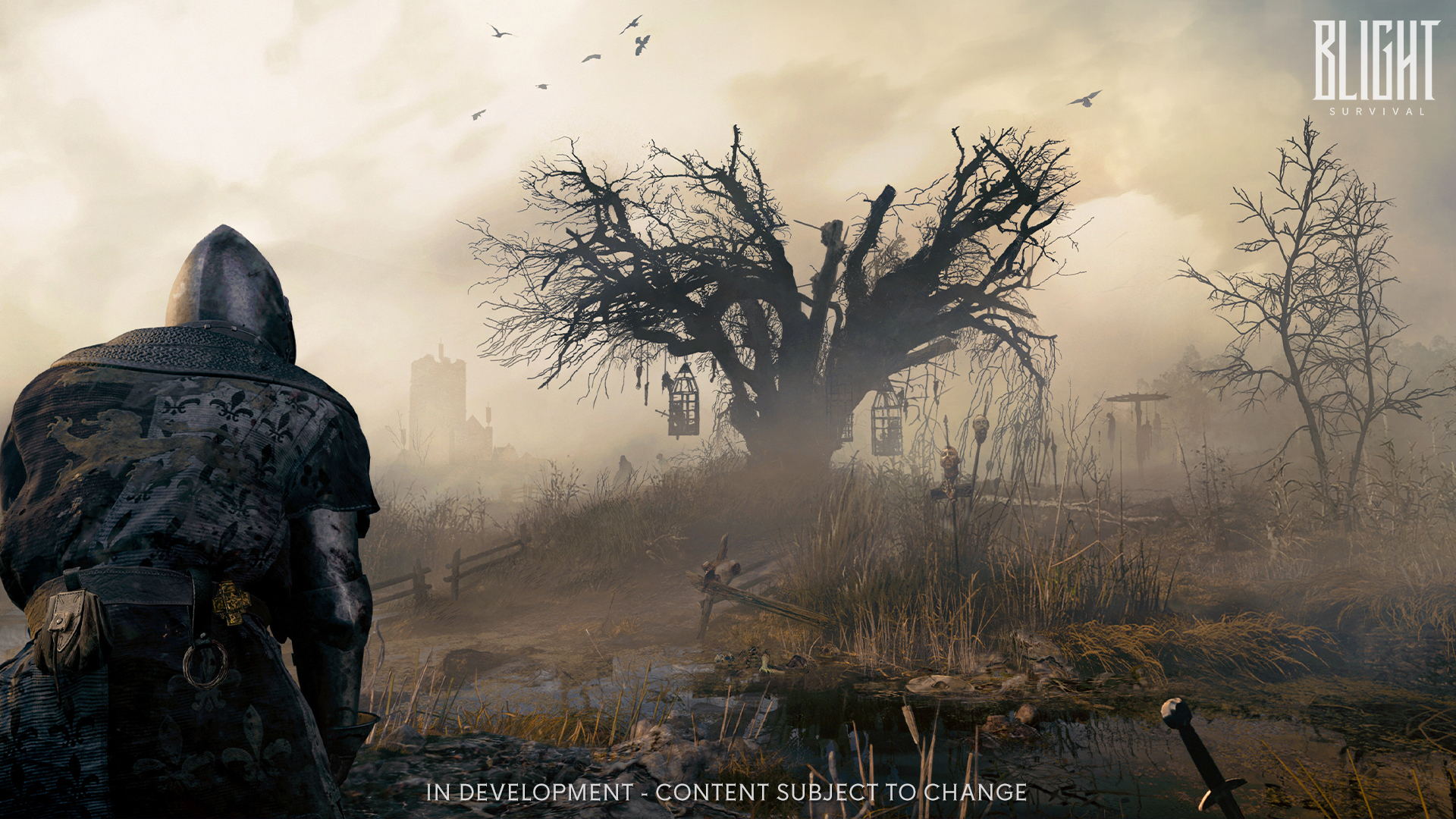
Maps in No Man's Land offer multiple paths through each area. Stealthy players can scout for routes that avoid enemy clusters, use terrain for concealment, and pick off isolated targets with finishers. This is particularly relevant in environments like dense forests, where vegetation provides natural cover, and in dungeons, where alternate corridors might bypass heavily guarded rooms.
Lockpicking
A lockpicking mechanic is in development. This gives stealth-focused players access to locked areas, containers, and shortcuts that combat-oriented players would need to find another way around or simply ignore. The system rewards investment in non-combat skills by opening up options that brute force alone can't reach.

Stealth in Co-Op
Stealth becomes harder in Co-Op because every player's noise level contributes to the group's overall presence. A four-player party with three stealth builds and one player in full plate armor is only as quiet as the loudest member. Coordinated stealth runs require everyone to commit to the approach, or the group needs to accept that some members handle detection while others operate from concealment.
Hiddens and Stealth
The Hidden enemy type creates an interesting dynamic for stealth players. Hiddens lie dormant among corpses and reanimate when players get close. A stealthy player moving carefully through a corpse-strewn area might trigger a Hidden while focused on avoiding the visible enemies ahead. The Hidden mechanic ensures that even cautious, observant players can't feel entirely safe, maintaining tension regardless of playstyle.