

Narrative Approach
Blight: Survival is not a story-driven game in the cinematic cutscene sense. The developers have been clear about this. Instead, lore is scattered throughout the game's levels, embedded in the environment and in discoverable elements. Players piece together the history of the two kingdoms, the origin of the Blight, and the Writhen's exile by exploring and paying attention. The approach is closer to Dark Souls' environmental storytelling than a traditional narrative RPG.
The Setting
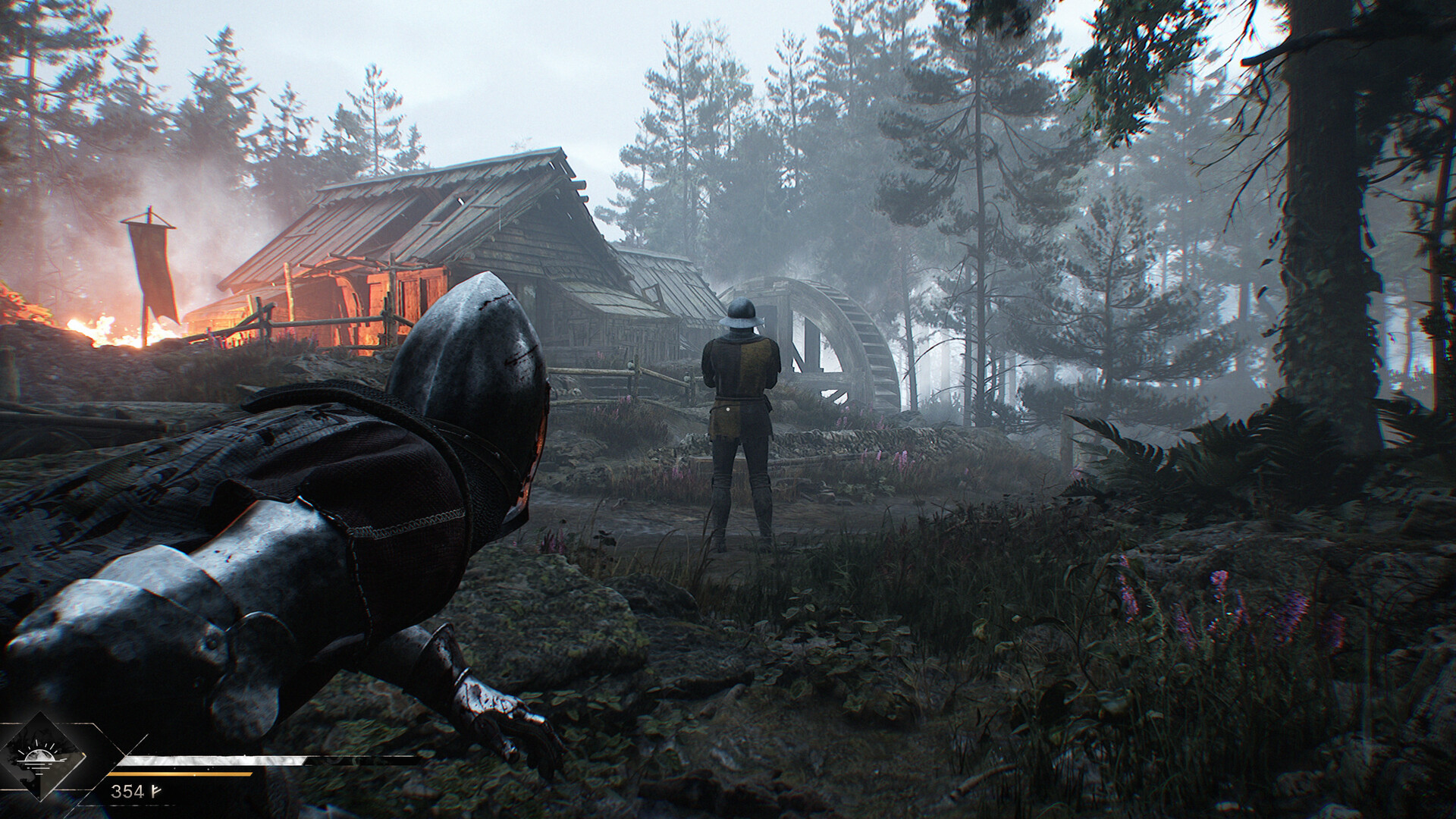
The game takes place in an alternate 14th century described as grounded "low fantasy." There are no wizards, dragons, or high fantasy tropes. The world is medieval and gritty, with the Blight as the sole supernatural element. The tone is "dangerous, cold, and with a dash of mystery." Everything about the setting is designed to feel plausible within a medieval context, except for the fungal plague that defies natural explanation.
The Two Kingdoms
Two unnamed kingdoms have been fighting an unending war. The conflict predates the Blight and, in fact, caused it. Their battlefields became so saturated with blood that the fungal infection found purchase and spread. What the developers call "nature's cruel response" to centuries of warfare. Neither kingdom has stopped fighting long enough to address the Blight, instead outsourcing that problem to the Writhen. The kingdoms' identities, cultures, and the reason for their war are part of the background lore players uncover during runs.
The Writhen's Exile
The Writhen were blamed for causing the Blight and cast out, "or so the kingdom claims." Whether they actually had a hand in creating the infection or were simply a convenient scapegoat is one of the game's background mysteries. Their exile created a group with the motivation (reclaiming their homeland) and the desperation (having nowhere else to go) to venture into No Man's Land where no one else will. The irony that the people who exiled them now depend on them is a central thematic tension.
Religions and Deities
Several fictional religions exist within the game's 14th-century setting. Shrines scattered throughout No Man's Land are sculptures dedicated to these fictional deities. The religions aren't just gameplay mechanisms. They're part of the world's cultural fabric. This reflects the belief systems of the people who lived in these lands before the Blight consumed them. Different areas may feature shrines to different deities, suggesting regional religious diversity.
Environmental Storytelling
Each run through No Man's Land tells stories through what's there. Abandoned camps, fallen soldiers, crumbling fortifications, personal effects left behind. The Blight itself is a form of storytelling. Seeing a fully consumed village tells you this area fell long ago. Finding partially infected structures means the Blight is still advancing here.
Element of Discovery
An "element of discovery" system flags mysterious objects when players encounter them during runs. These discoveries contribute to the player's understanding of the world and may unlock additional lore entries or context about specific locations. The system rewards thorough exploration rather than rushing through missions toward extraction. Players who take the time to investigate the environment uncover the deeper story that the game tells through objects, architecture, and the traces left by the people who came before.
The World Beyond No Man's Land
Beyond the warzone, a broader world exists but isn't directly accessible. The two kingdoms, the Writhen's former homeland, and whatever lies beyond the war are all referenced in lore but not visited. The game's world is experienced entirely through the lens of No Man's Land, which means everything the player knows about the wider world comes secondhand: discovered documents, environmental clues, shrine inscriptions, and the accounts of NPCs at the camp.
Factions and Belief
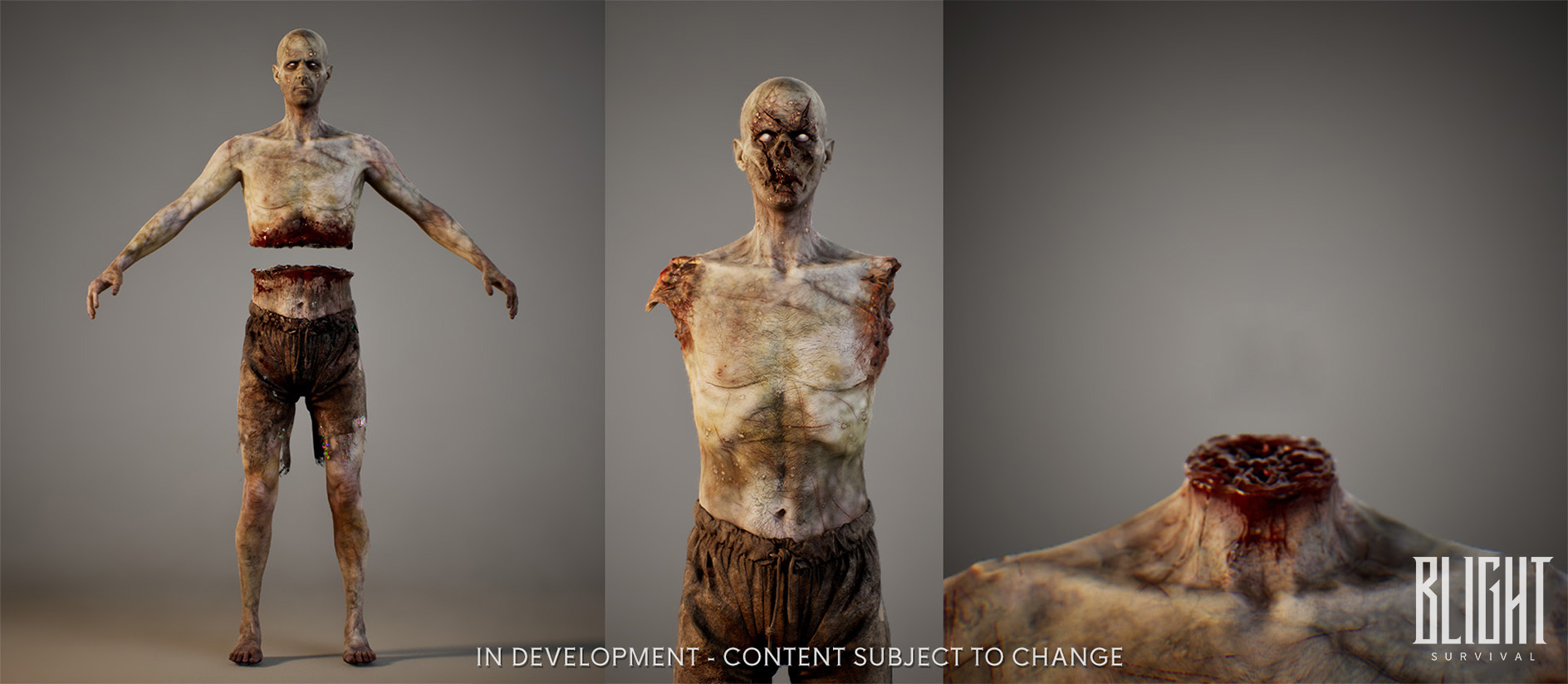
The world is not divided only between the healthy and the infected. The developers have confirmed that it contains factions and power struggles, and that the player directly interacts with three: the Writhen, the Blighted, and the Church of Eternal Dawn.
Those groups do not agree about the infection. The developers have stated that different factions hold different beliefs about what the Blight actually is, who caused it, and why it exists, and that religion plays a large role in the setting. The disagreement is a narrative device as much as a political one: the accusation levelled at the Writhen only carries weight because rival explanations for the Blight exist and compete.