

Visual Identity
Blight: Survival looks expensive. That's the first thing people notice. The game's visual quality was the primary reason its 2022 gameplay trailer went viral. Many viewers assumed it was a AAA production, not a two-person indie project. The footage was described as "absolutely brutal and gorgeous at the same time."
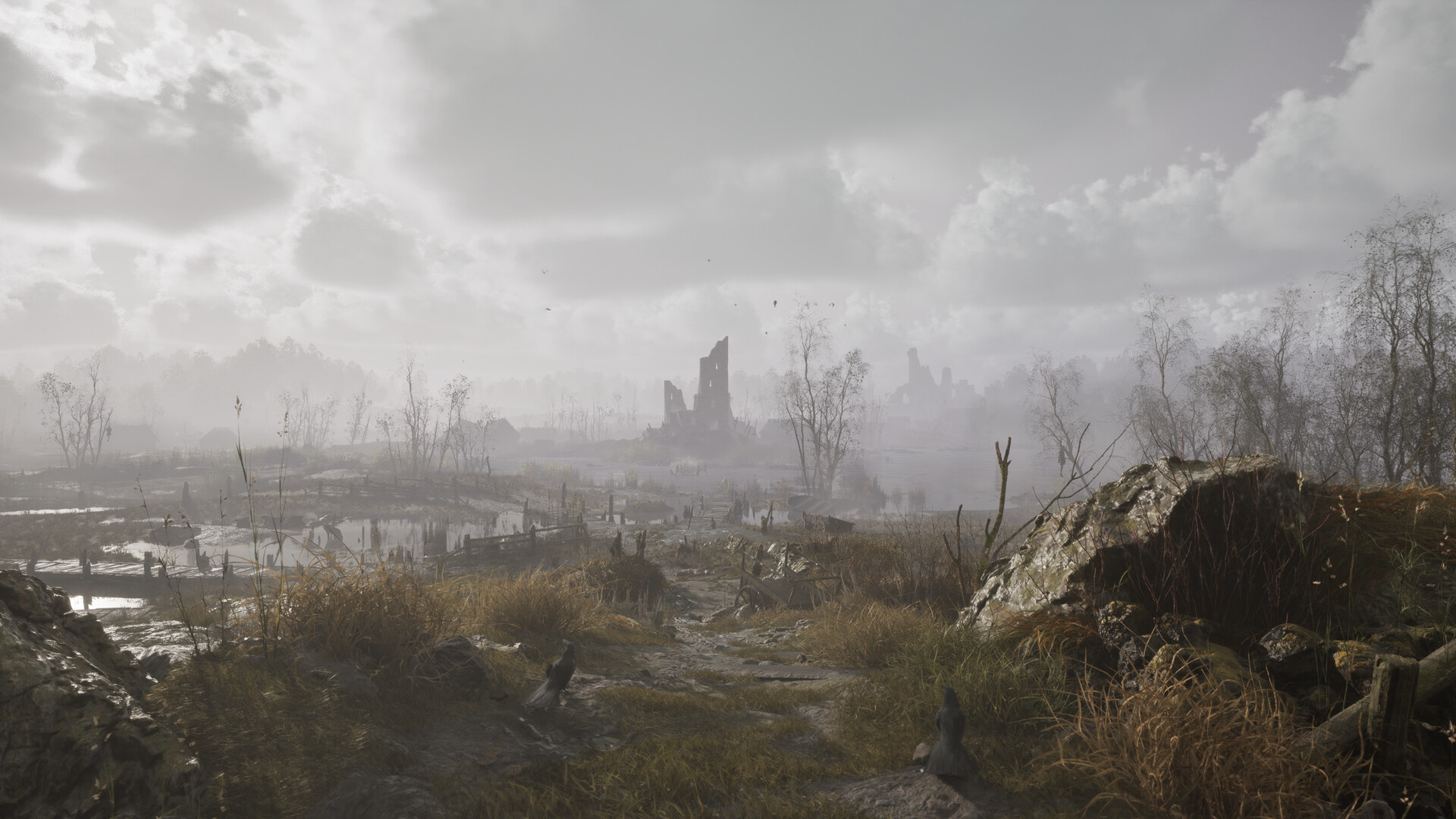
The desired tone is "dangerous, cold, and with a dash of mystery." The visuals ground the game in a realistic medieval setting while the Blight's organic horror elements provide visual contrast. The world looks lived-in and historical until you notice the fungal growths consuming the stonework.
Technology
The game runs on Unreal Engine 5 and uses the following UE5 features:
Item | Description |
|---|---|
Quixel Megascans | Photogrammetry-based textures and 3D objects (medieval structures, roofs, wooden palisades, stone surfaces, foliage). Megascans provides the realism baseline that makes environments look like physical places rather than game levels |
MetaHumans | Used for realistic character creation and customization. The developers described it as a "timesaver" for producing believable human faces |
World Partition | UE5's streaming system for handling large open environments without loading screens |
One File Per Actor (OFPA) | A workflow optimization that lets multiple developers work on the same map simultaneously without file conflicts |
What's Not Used
Despite running on UE5, the game does not use Nanite or Lumen. In a developer interview, the team described both technologies as "not necessarily that useful" for their specific project. Their environments are heavily vegetation-based, and Nanite had limited applicability for foliage at the time of development. The developers were waiting for World Position Offset (WPO) support in Nanite before considering it. The game achieves its visual quality through traditional rendering approaches combined with Megascans assets rather than UE5's newest rendering features.
Art Direction and Inspirations
The developers have cited specific games as visual and tonal inspirations:
Item | Description |
|---|---|
Hunt | Showdown: The dark, moody atmosphere and environmental detail |
The Witcher 3 | The grounded medieval atmosphere and sense of place |
The Last of Us | The animation quality and character movement fidelity |
These influences are evident in the final product. The environmental mood echoes Hunt's oppressive tension. The world feels inhabited and historical in the way The Witcher 3's environments do. Character animations have a weight and fluidity that reflects The Last of Us's standard.
Atmosphere
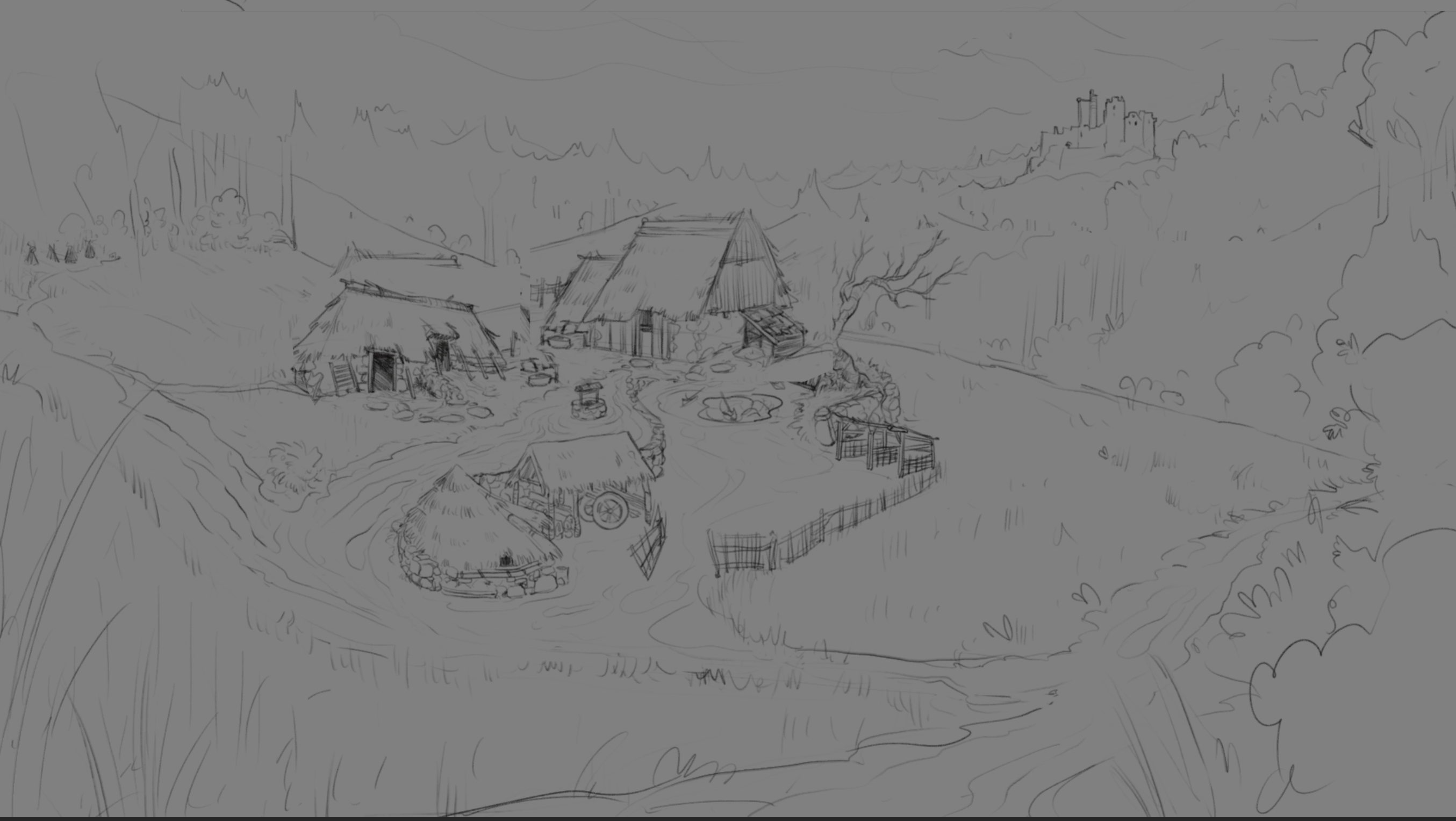
Dense foliage, fog, torchlight reflecting off armor, sunlight cutting through trees at low angles. The environments show post-battle desolation: corpses, collapsed structures, abandoned siege equipment, and the ever-present fungal growth of the Blight creeping across everything. The developers use alpha particles extensively for atmospheric effects: dust motes in sunbeams, airborne spores near Blighted areas, mist in marshlands, embers near fire.
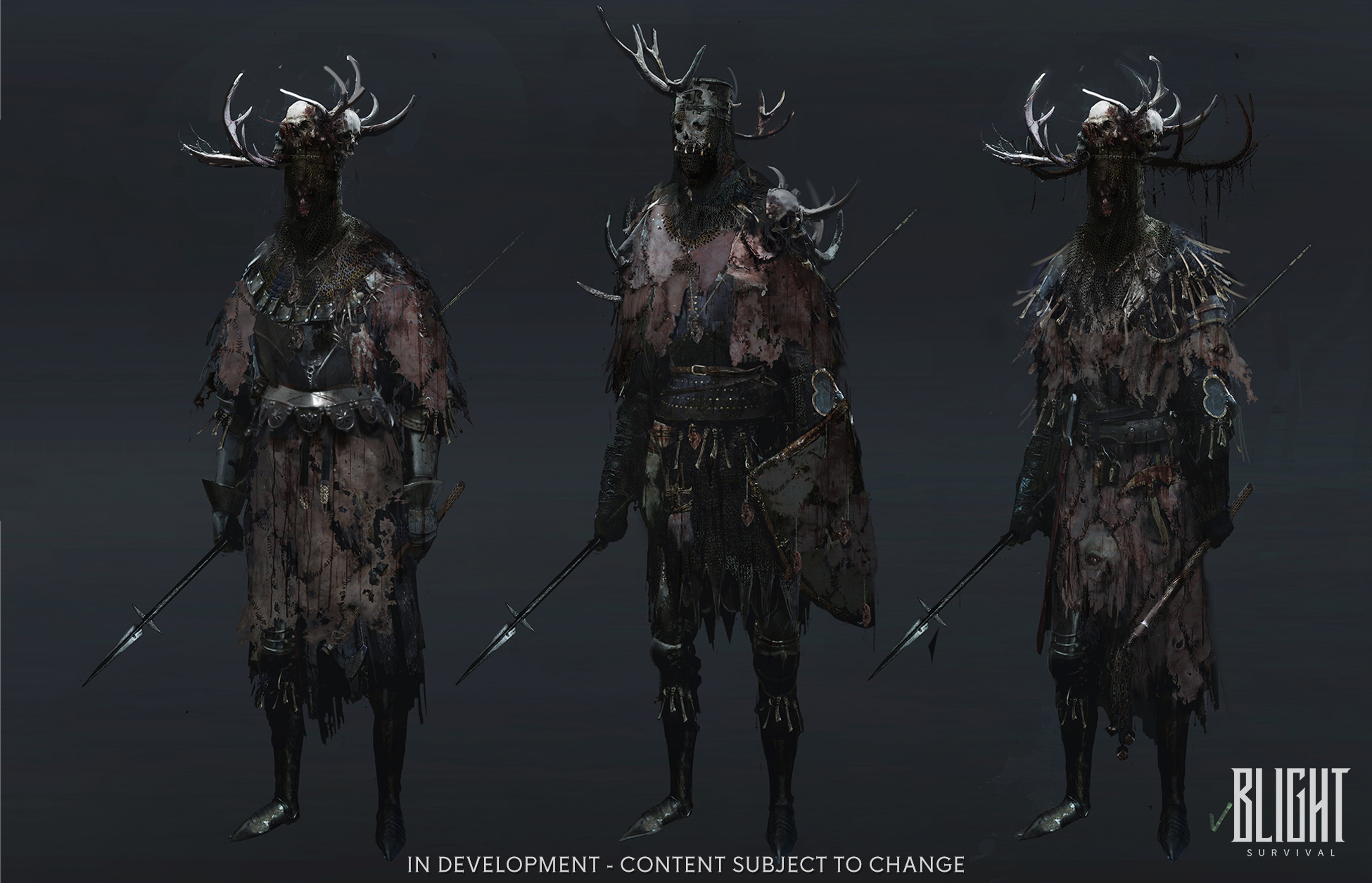
The Blight itself has a distinct visual language. Fungal tendrils, spore clouds, and organic growths consuming stone and wood create a visual tension between the solid medieval architecture and the alien biological mass consuming it. Enemies reflect this: reanimated knights in battered armor overgrown with fungal tissue, hybrid creatures that merge animal and human forms.
Dismemberment Visuals
The dismemberment system was highlighted in the September 2025 devlog as a collaborative effort between Senior 3D Character Artist Léo and Technical Art Director Hugo. The same update credited 3D Artist Alexandre with building many of the breakable objects Hugo then wired up for destruction, and Concept Artist Ana with paintovers used to push an enemy design further into the world's visual language. Concept Artist Mathieu is credited with the waterside piece that serves as the game's in-game menu background, a late-game area the team uses as a reference point for where the world is heading. The system involves detailed per-limb models with interior flesh and bone geometry visible at severance points. The visual quality of the dismemberment is treated as a gameplay feedback system: players can see exactly where they've damaged an enemy and how it affects the creature's combat behavior.
Armor and Character Design
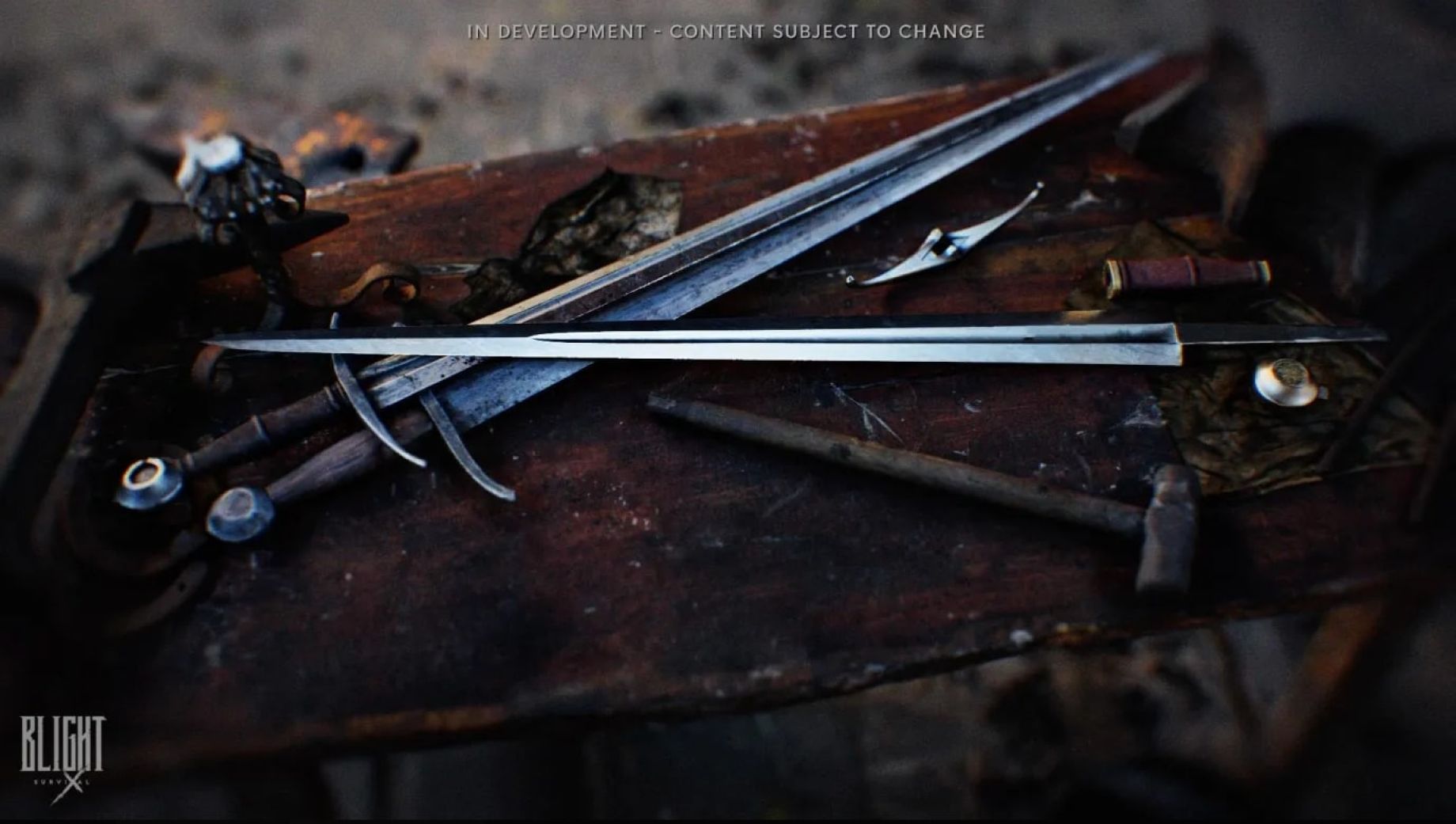
The developers are "aiming for a wide number of European visual influences" for armor designs. Equipment pieces are individually modeled with visible wear and damage that reflects their condition stat. Armor can be recolored and crests changed, giving players visual identity within the realistic medieval aesthetic. The modular armor system means each piece is a separate visual element, so two players with different helmet configurations look distinct even at a glance.