

The Hub
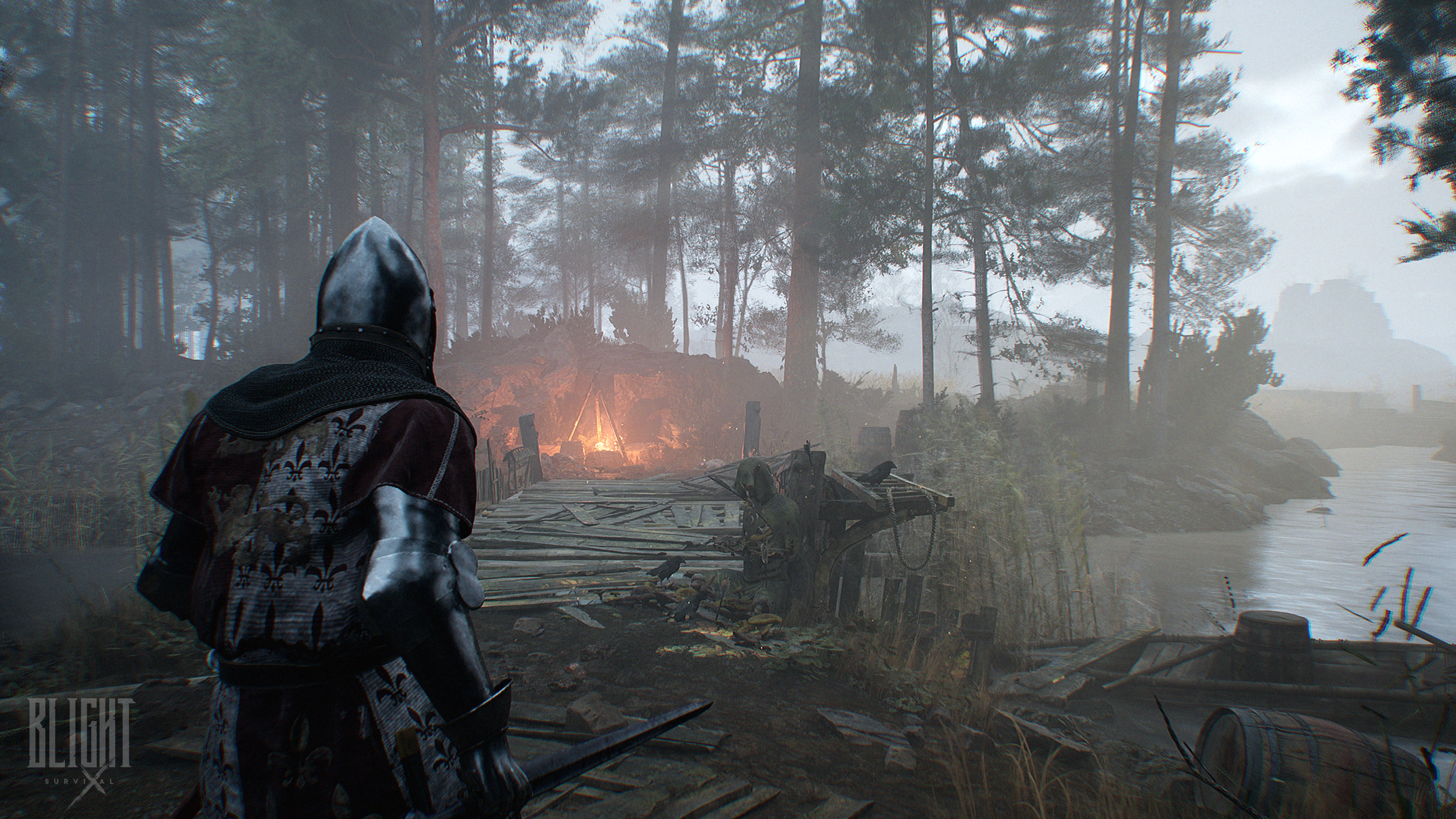
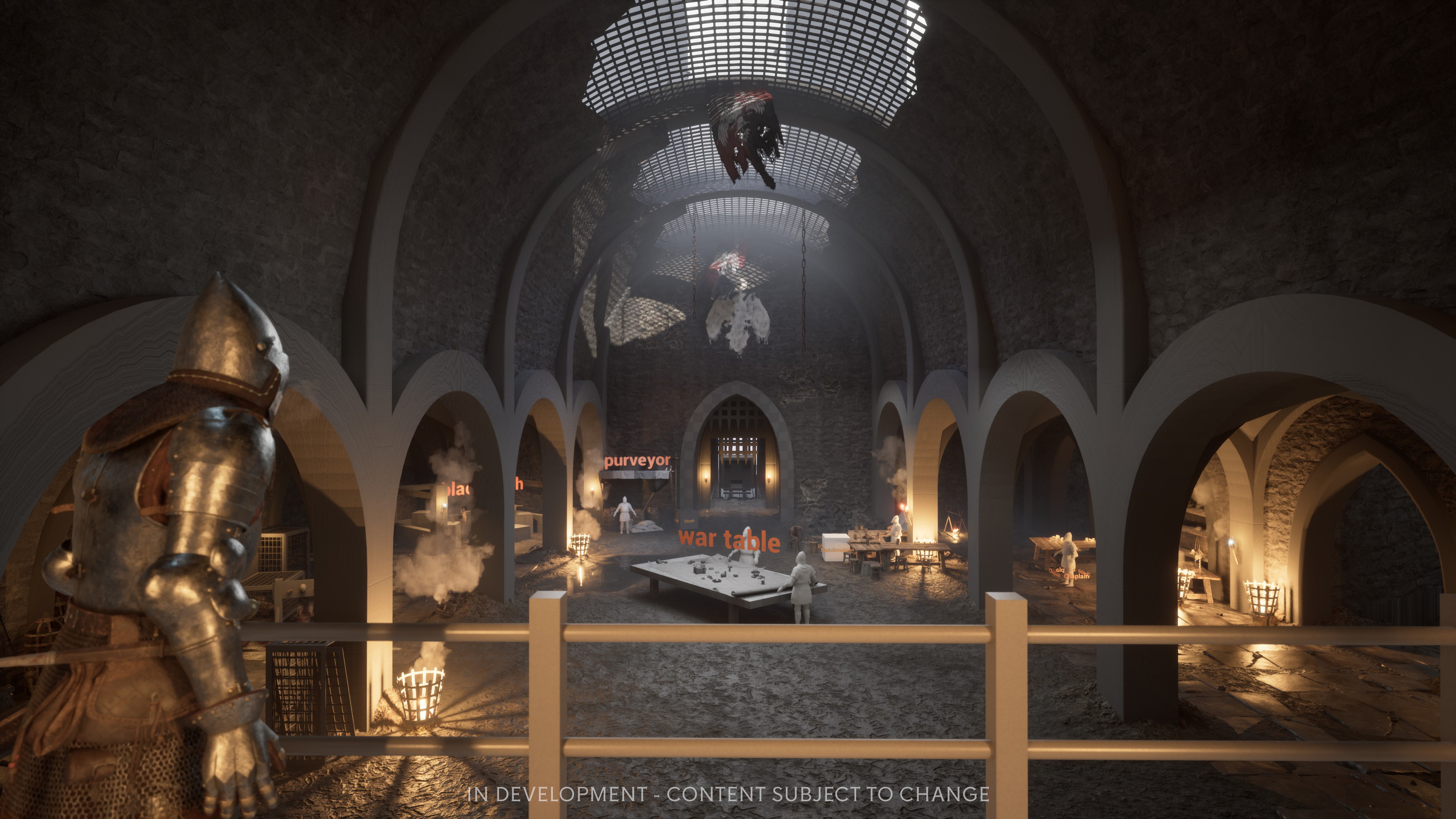
The camp is the Writhen's base of operations between runs into No Man's Land. It is the game's central hub where all non-combat activities happen. The developers describe it as a "stronghold" that acts as "a large hub area where your runs begin." After extracting from a mission or starting a new character following a death, the camp is where you regroup.
Activities at Camp
The camp hosts every between-run system in the game. Here is what players can do:
Activity | Description |
|---|---|
Artisan upgrades | The Artisan handles weapon and armor upgrades through the modular component system. Bring materials and coins to swap, upgrade, or replace individual parts of your gear. Higher-tier upgrades require rarer materials found deeper in No Man's Land |
Remedy crafting | A separate crafting system for consumables: bandages, torches, herbs, and potions. Preparing the right loadout before a run can mean the difference between successful extraction and death |
Mission selection | Choose which area of No Man's Land to enter. Each mission targets a different section with its own enemy compositions, environmental conditions, and difficulty level. Players can plan runs around specific needs: a particular resource, an enemy type, or a challenge that matches current equipment |
Party formation | Group up with other players for co-op runs of up to 4 players. Coordinate loadouts, discuss strategy, and agree on which mission to tackle |
Character management | Allocate attribute points (Skill, Endurance, Vitality), equip gear across multiple armor and weapon slots, and adjust loadouts before committing to another run |
The Artisan's Workshop
The Artisan is the camp's resident craftsman and one of the most important NPCs. Players bring materials and coins gathered during runs to the Artisan for weapon and armor modifications. Each upgrade targets a specific component of a modular piece of equipment: a sword's blade, a bascinet's visor, a chestpiece's padding. The Artisan also handles the unlocking of new weapon movesets, meaning progression through the workshop is not just about better numbers but about expanding your combat options.
Remedy Preparation
The Remedies crafting system is separate from the Artisan's gear workshop. Before each run, players decide how to allocate resources between the two systems. Materials spent on a potion cannot be spent on an armor upgrade. The preparation phase at camp forces players to commit to a strategy: how many bandages to bring, whether torches are needed for a dark or nighttime mission, and whether to invest in a potion for emergencies.
Mission Selection
The camp is where players choose their next mission. The selection is not random. Each available mission targets a different section of No Man's Land with specific characteristics: enemy types, environmental hazards, difficulty, and available loot. Players can plan their runs around what they need. If the Artisan requires a specific rare material for an upgrade, the player can choose a mission in an area where that material drops. If they want to test a new weapon setup against a particular enemy type, they can pick a mission that features it.
Party Formation and Coordination
For co-op play, the camp is the staging area where teammates coordinate. Before heading into No Man's Land, a group of up to four players can:
Review each other's loadouts and identify gaps (no one brought torches for a night mission)
Distribute Remedies so the team has balanced coverage (one player carries extra bandages, another brings potions)
Agree on a mission that suits the group's current equipment and goals
Discuss extraction strategy: how deep to push, when to call the run
The classless character system means there are no fixed roles, so party composition is entirely about gear, build choices, and informal agreements. A four-player team might have two melee fighters, a stealth specialist, and a ranged player, or four nearly identical builds that approach every fight the same way.
Character Management
The camp is where players manage their character's build. The three core attributes (Skill, Endurance, Vitality) can be allocated here. Gear is equipped across multiple armor and weapon slots, with each slot holding modular components that the Artisan can modify. Players review their overall build, swap equipment between characters (if the bloodline system allows), and make adjustments based on what they learned from the previous run.
Camp Development
The developers describe the camp as developing over time. The hub "develops over time" as players invest resources into it. While the exact camp progression mechanics have not been fully detailed, this represents a form of meta-progression that persists even when characters die. In a game built around permadeath, camp development is one of the few things that carries forward permanently.
This suggests that the camp is not static. Early in the game, it might offer basic services. Over time, as the player invests resources, the camp could expand to include more advanced Artisan options, better Remedy recipes, or additional features. Camp development gives players a sense of long-term investment even through repeated character losses.
Social Space
For co-op players, the camp doubles as a social space. Party members can interact before heading into missions. Clan members can coordinate here, compare gear, and plan their approach to upcoming runs. The camp is where the social side of the game lives, providing a breather between the tension of No Man's Land. The tone shifts from the oppressive horror of the field to a moment of relative safety, planning, and preparation.