

Overview
Remedies are consumable items that players craft in Blight: Survival. The developers confirmed two separate crafting systems: the first handles weapons and armor through the Artisan, and the second handles Remedies. Players spend crafting materials and coins to produce bandages, torches, herbs, and potions. The developers describe crafting as "a key part of our progression system," and Remedies represent the expendable, per-run side of that progression.
The Two Crafting Systems

Understanding Remedies requires understanding where they fit in the broader crafting economy. The game has two distinct crafting paths:
System | Handled By | Products | Persistence |
|---|---|---|---|
Gear crafting | Weapons, armor components, upgrades | Permanent (until character death) | |
Remedy crafting | Separate system at the camp | Bandages, torches, herbs, potions | Consumed on use during runs |
Both systems draw from materials and coins gathered during runs into No Man's Land. This creates a resource allocation decision: do you invest your gathered materials into permanent gear upgrades at the Artisan, or into consumable Remedies that might save your life on the next run but are gone once used?
Known Remedy Types
Bandages
Basic healing items for treating wounds sustained during combat. Bandages are the most fundamental remedy and likely the most frequently crafted. In a game where every hit matters and permadeath is permanent, having bandages available mid-run is the difference between extracting successfully and losing a character. Bandages are expected to be relatively cheap to craft, making them the baseline consumable that players bring on every run.
Torches
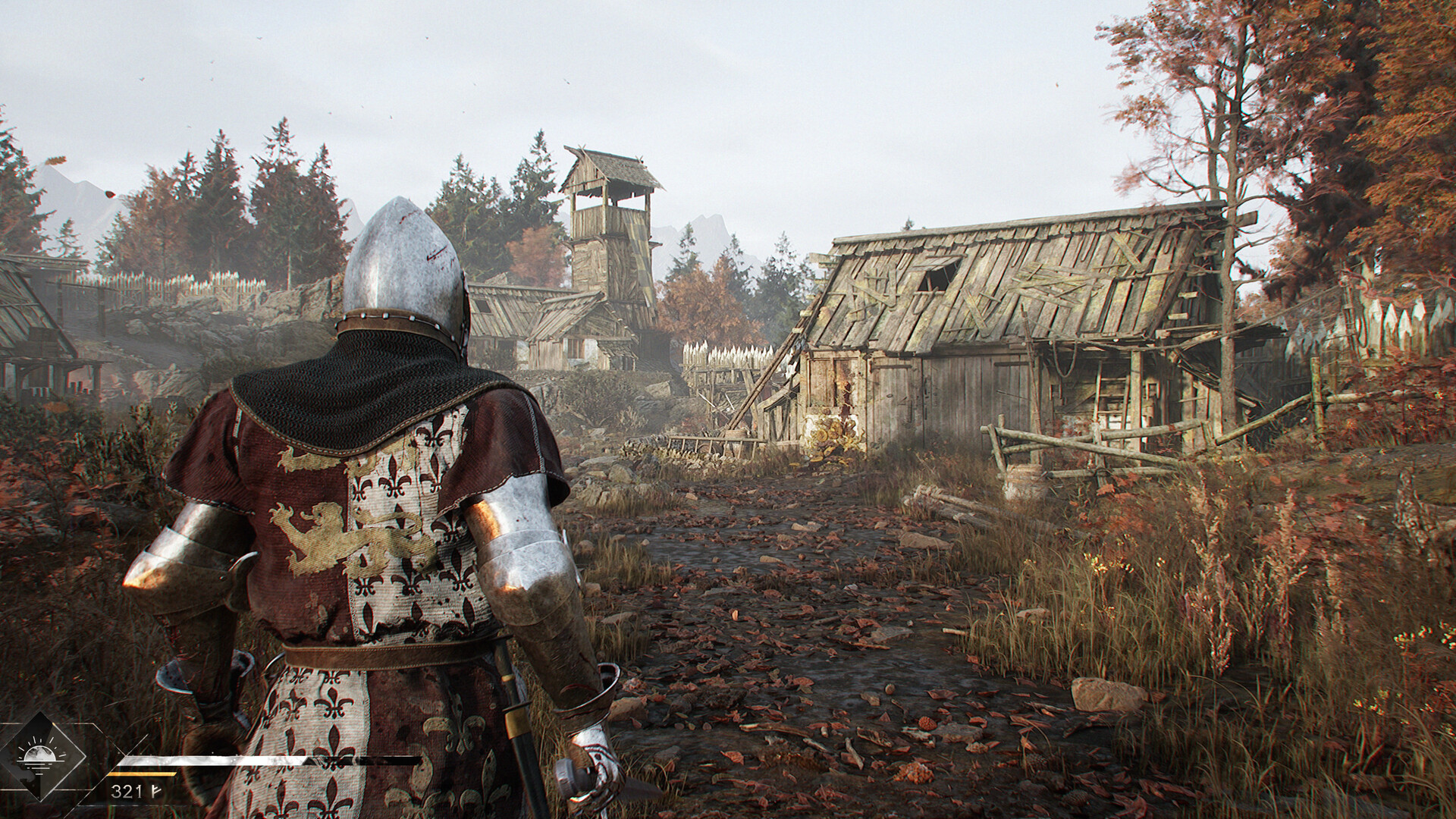
Light sources for dark areas and nighttime exploration. The developers confirmed that time of day affects "everything from difficulty to visibility." Torches serve a practical navigation purpose in dungeons and nighttime runs where darkness limits visibility. They also carry a tactical tradeoff: a torch illuminates the path and reveals hidden threats, but it also signals your position to enemies and works against stealth approaches.
Torches occupy inventory space that could hold other supplies. A player who brings three torches for a dark dungeon run has three fewer inventory slots for bandages or loot. The developers have shown nighttime and torch-lit environments in multiple devlogs, suggesting that light management is a meaningful system rather than a minor convenience.
Herbs
Natural ingredients that can be used directly for minor effects or combined into more potent remedies. Herbs represent the middle tier of the remedy system. They are more specialized than bandages but less powerful than full potions. The specific effects of individual herb types have not been detailed, but the category suggests plant-based medicines consistent with the game's alternate 14th-century setting: wound compresses, fever-reducing herbs, and pain-dulling preparations.
Potions
More advanced consumables that provide temporary buffs or stronger healing effects. Potions likely require rarer ingredients and more preparation than bandages or herbs, making them a more significant investment. The overview described Remedies as items that "may get you out of a pinch," suggesting that potions serve as emergency tools for situations where standard healing is not enough: a boss fight, a late-run extraction push, or a recovery from a near-death encounter.
Preparation at the Camp
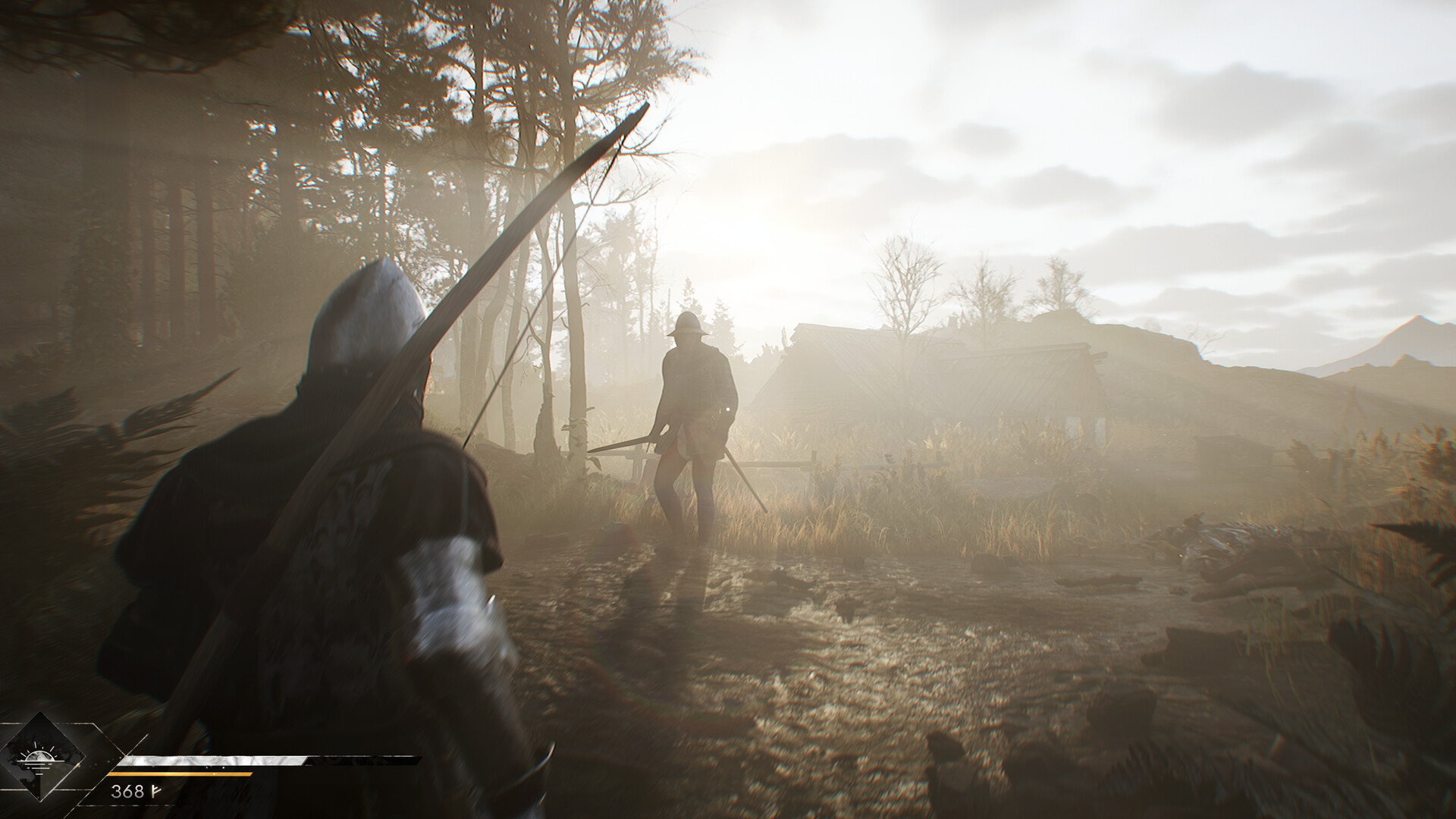
Remedies are crafted at the camp before heading into No Man's Land. The preparation phase is where players make critical decisions about their loadout. Every remedy takes up inventory space and costs materials to craft. The questions players face:
How many bandages do you need? Enough for a safe run, or a minimal set to leave room for loot?
Is this a night run or a dungeon that needs torches? How many torches justify the inventory cost?
Can you afford to craft a potion for an emergency, or should those materials go toward an armor upgrade?
In co-op, who carries what? Does one player carry extra healing for the group?
These decisions interact directly with the extraction-lite gameplay loop. Since dying means losing your character and all their gear, under-preparing on Remedies can be fatal. But over-preparing means less space for the loot you find during the run, which is the whole reason you ventured out in the first place.
During a Run
Once inside No Man's Land, Remedies are consumed as needed. A bandage used mid-fight to stabilize health. A torch lit when entering a dark passage. A potion saved for the push toward extraction. The timing of remedy use matters: applying a bandage requires a moment of safety, which is not always available in the middle of combat.
Remedies found during a run (dropped by enemies or discovered in the environment) supplement whatever the player brought from camp. Finding a bandage in a chest when your supply is running low can change the calculus of whether to push deeper or extract. This reinforces the risk-and-reward loop: pushing further might yield supplies that extend the run, or it might burn through the last of what you have.
Co-Op Remedy Distribution
In co-op play, Remedies add a team coordination layer. A group of four players might designate one member to carry extra bandages for healing the group, another to bring torches for the team, and others to focus on combat consumables. Alternatively, each player might bring a balanced individual loadout.
The classless character system means there is no dedicated healer role. Remedy distribution becomes an informal team decision before each run. Groups that communicate about their supplies and share resources mid-run gain an advantage over groups where everyone fends for themselves.
Progression Connection
The developers stated that "crafting will likely be the main progression players will experience in this game, as you will unlock new weapon type movesets, new armour types and useful remedies that may get you out of a pinch." This suggests that the Remedy system expands over time: players unlock new recipe types as they progress, gaining access to more powerful or specialized consumables that open up new tactical options for later runs.