
Loading...
Loading...
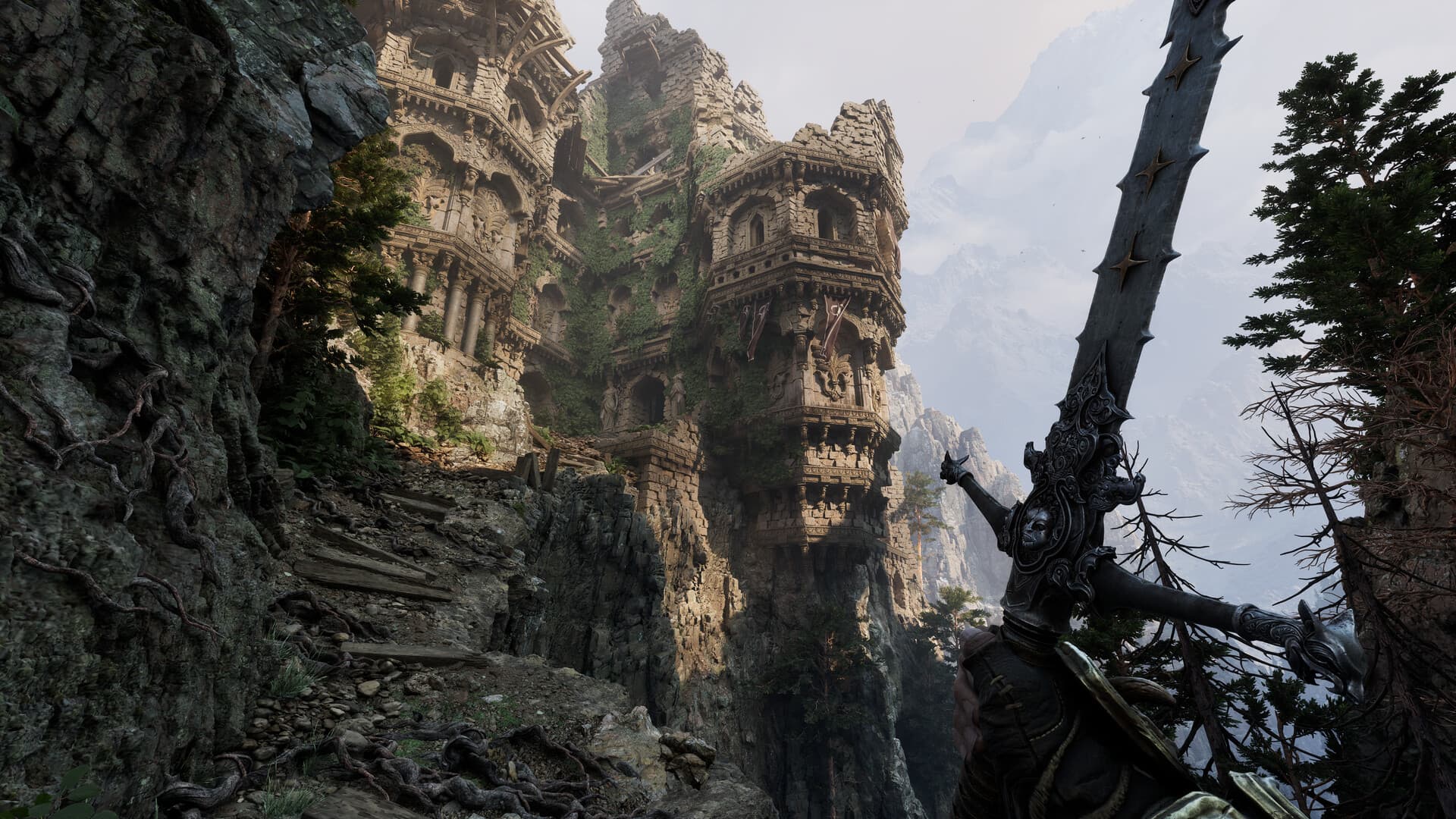
Index of the weapon families that ship in the Fatekeeper Early Access build: swords, axes, daggers, clubs, and two-handed weapons, plus the blunt maces and hammers the Shatter mechanic names. Halberds and staves do not exist in the game.
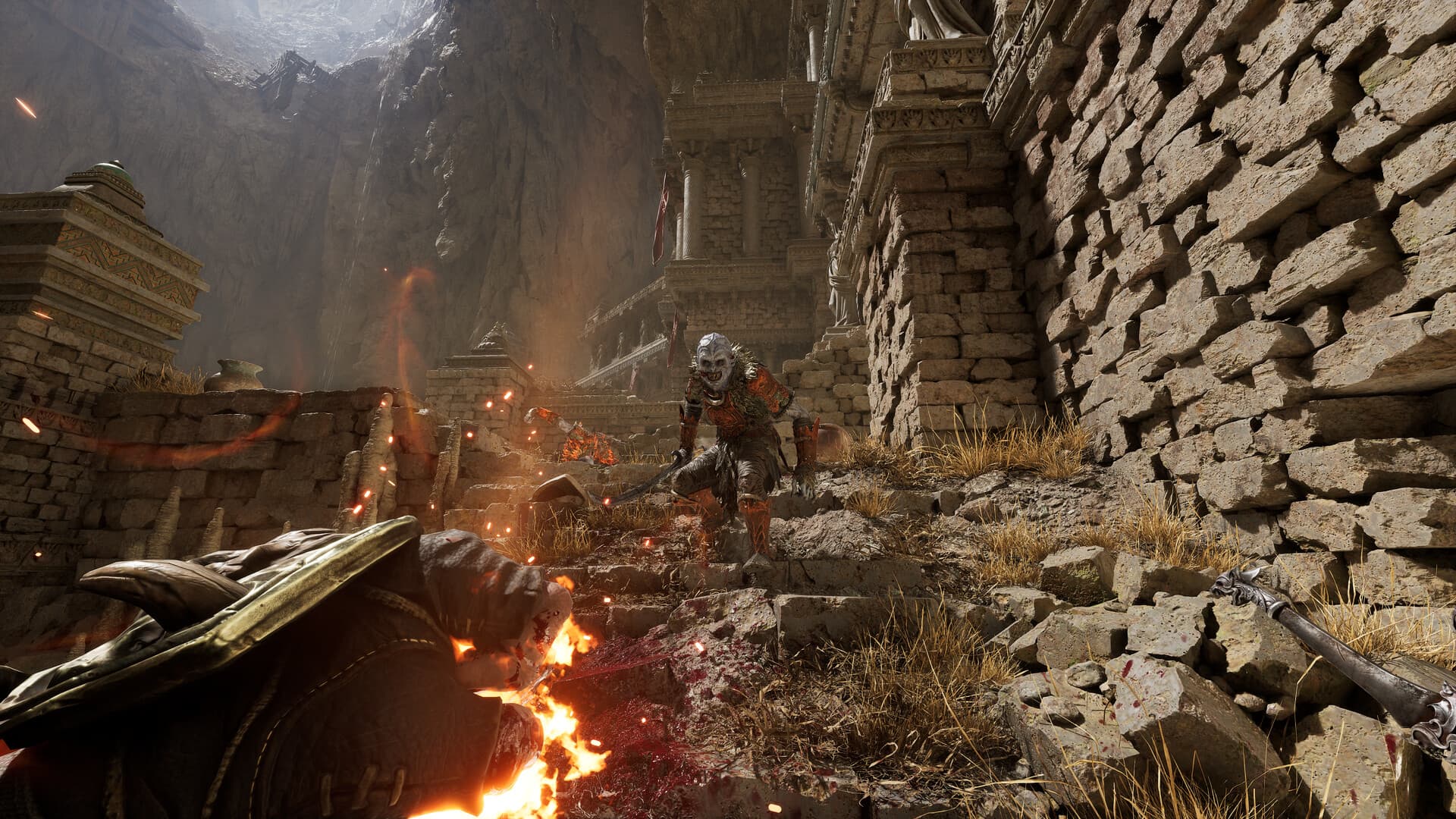
Fatekeeper's three-ingredient alchemy system produces potions, weapon vials, and handbombs through freeform combination and discovered recipes.
Fatekeeper system requirements. The Minimum and Recommended PC hardware published for the Early Access build, plus Steam Deck status.
Skill Tree is Fatekeeper's progression backbone of 24 minor perks and 9 medium perks that shape build identity across combat, magic, and alchemy.
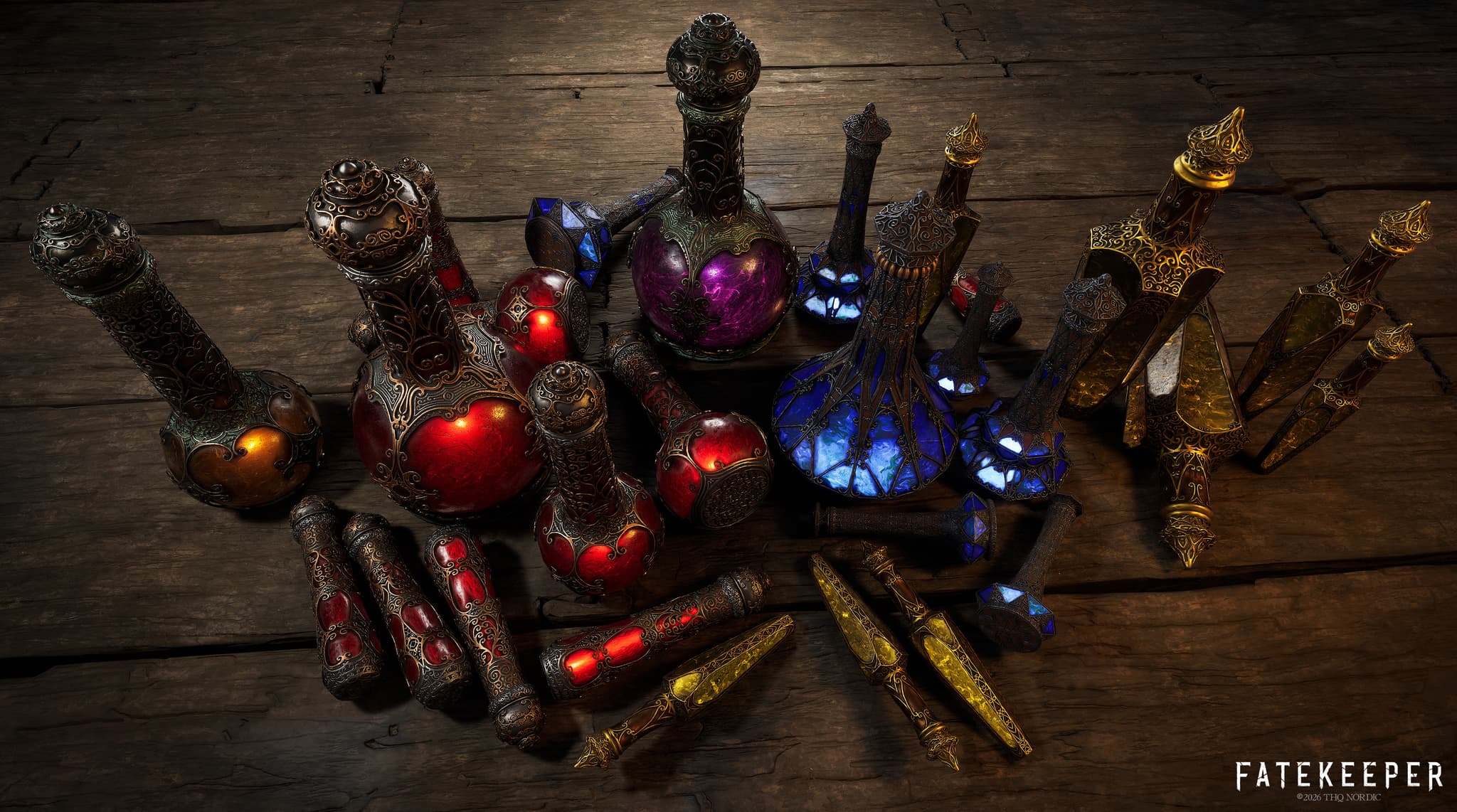
Potions in Fatekeeper. Drinkable buffs and heals brewed via three-ingredient alchemy, plus the two progression potions found in the world.
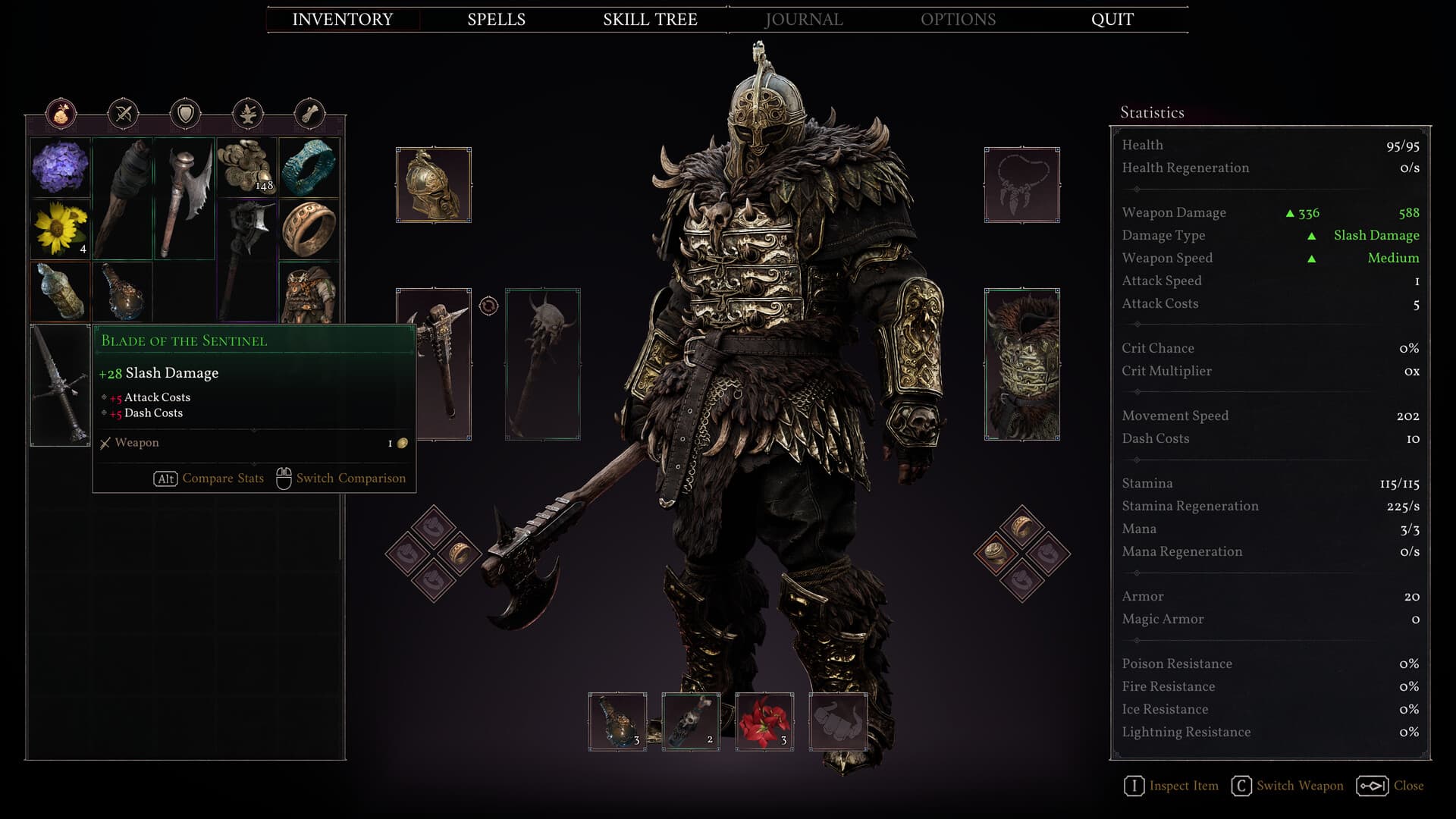
Magic in Fatekeeper. Elemental spellcasting across fire, ice, wind, and force schools with spell-alteration nodes that reshape projectiles.
Control scheme overview for Fatekeeper, including the radial menu and the default mouse and keyboard layout in the live Early Access build.
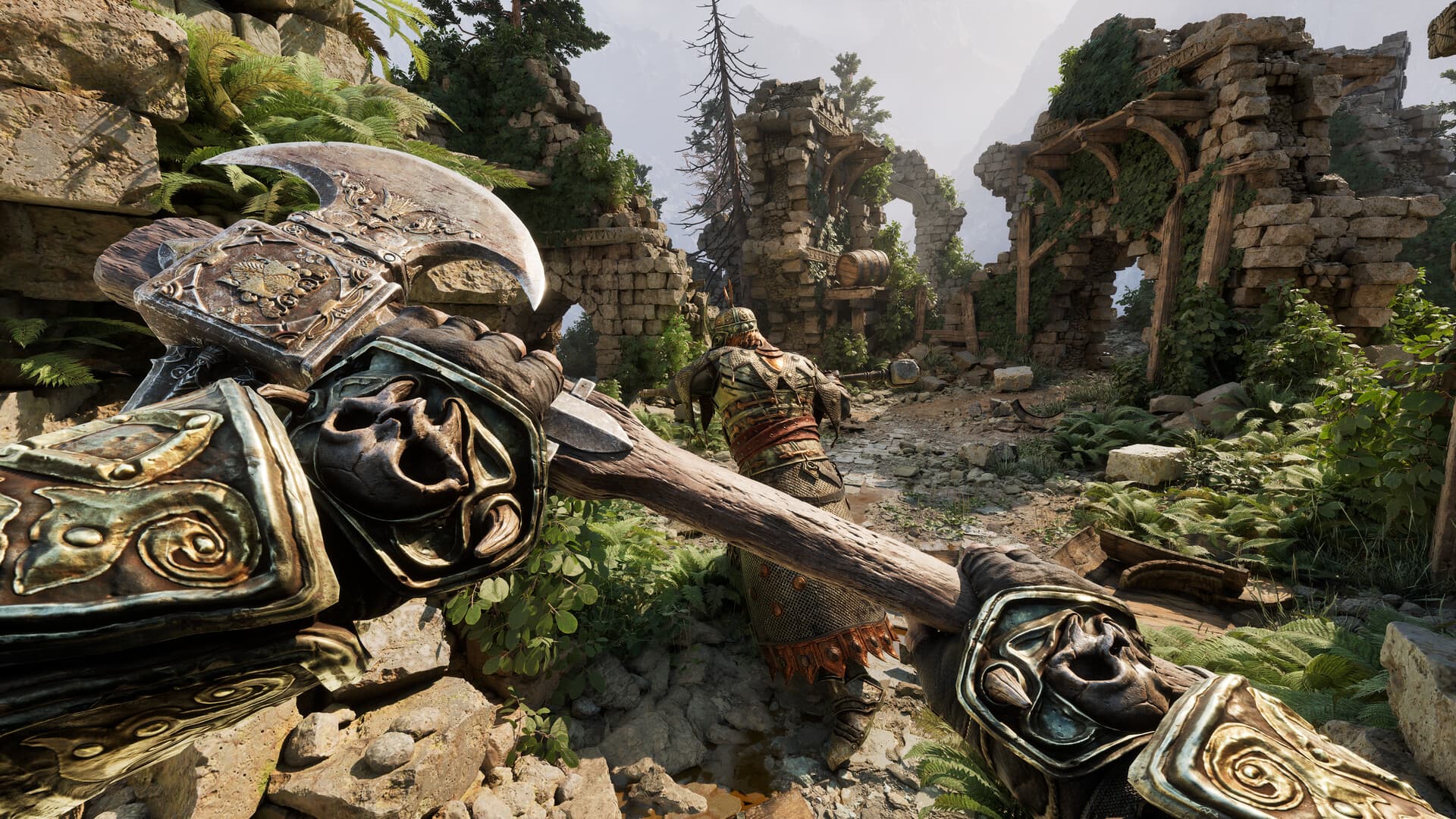
Armor in Fatekeeper. The chest and head slots, the three chest weight classes, and the thirteen named pieces that appear in the Early Access build.
Bosses in Fatekeeper. The Early Access build ships at least two set-piece encounters, neither of which has been given a published name.
Swords in Fatekeeper. The balanced melee family, and the six named swords in the build, all of them two-handed.
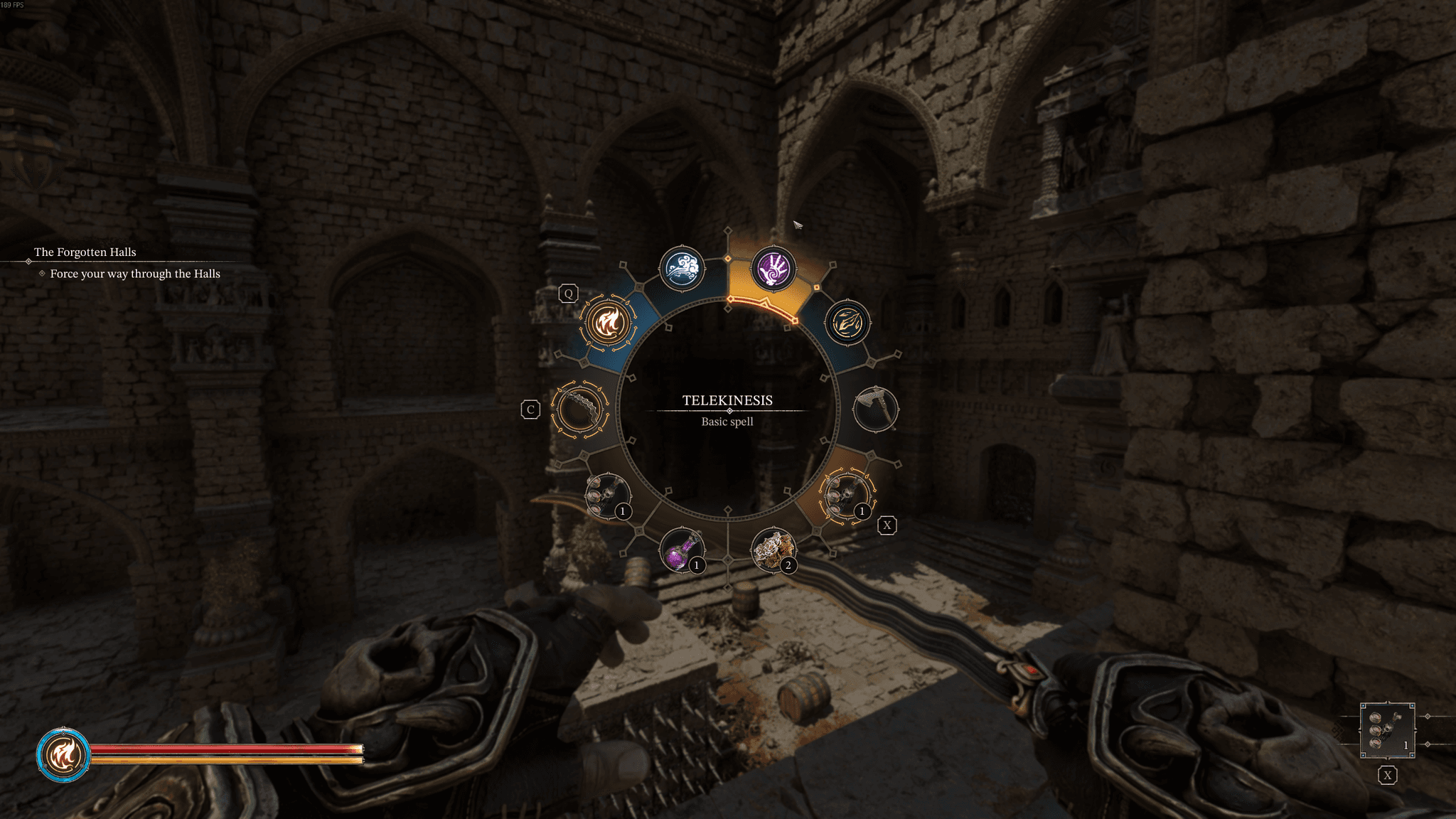
The full update history for Fatekeeper since its June 2, 2026 Early Access launch, covering every shipped patch and hotfix plus the August 2026 development update.
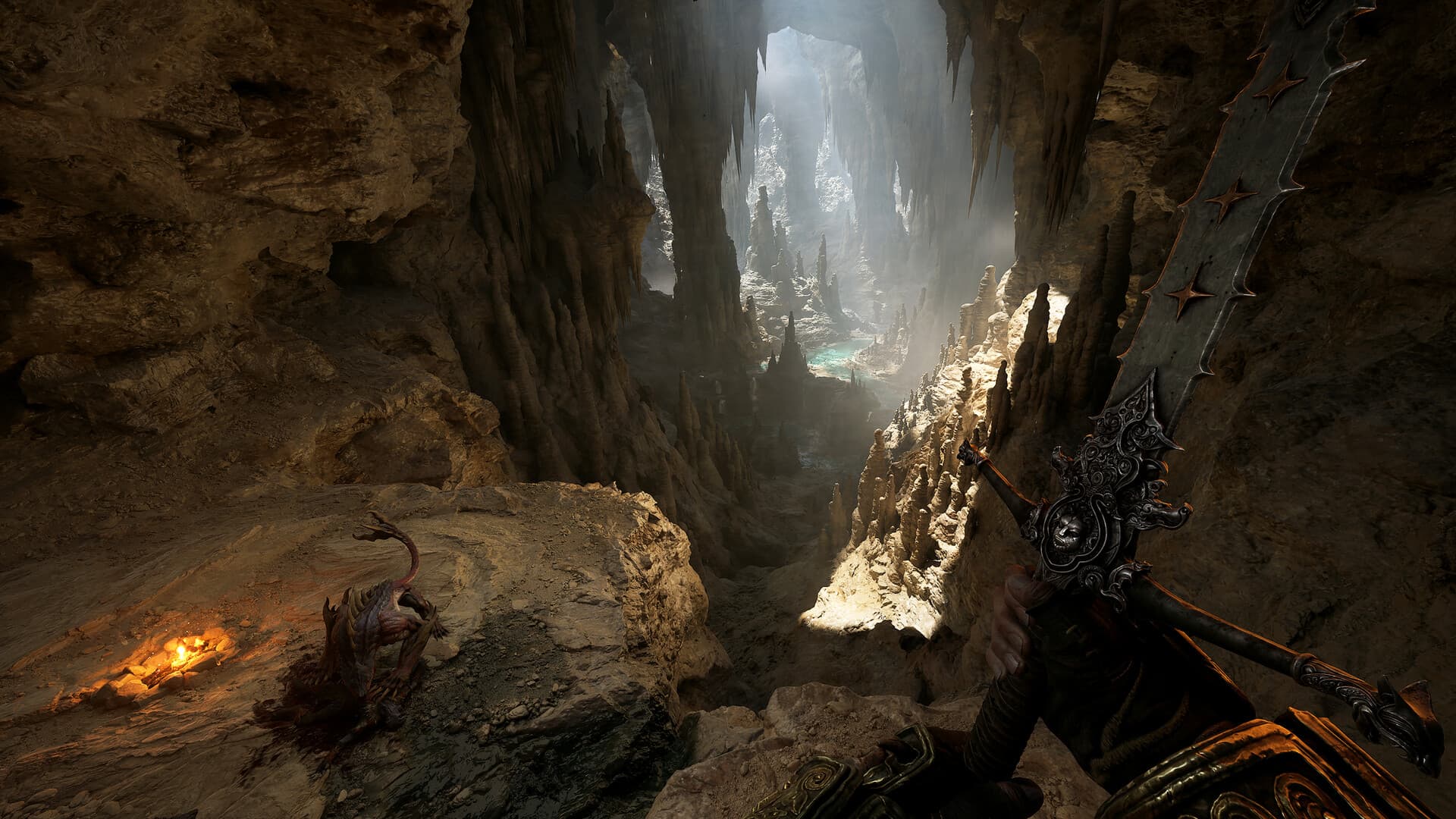
Fatekeeper's loot and equipment system. Two weapon sets, body armor, helmet, necklace, rings, relics, and consumables.
Frequently asked questions about Fatekeeper, covering Early Access status, platforms, multiplayer, the protagonist, and what is on the announced plan.
Enemies in Fatekeeper. The official creature categories, plus the twelve bestiary entries that appear in the Early Access build with health and experience figures.
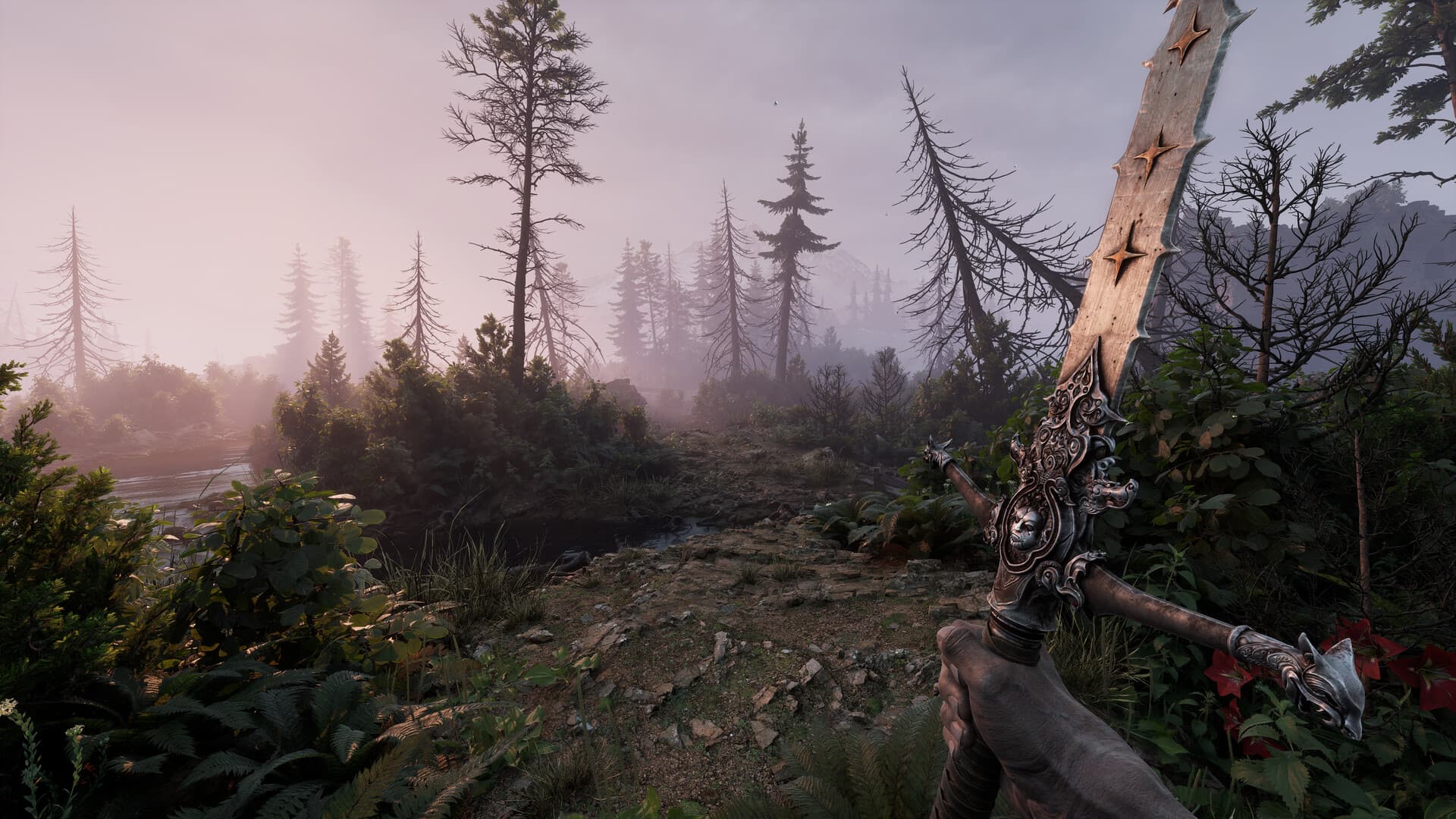
Language and audio support for Fatekeeper. English only on the store listing, and what the announced first-draft localization pass covers.
Head-slot equipment in Fatekeeper, separate from body armor. The seven named helmets in the build and the offensive stat lines that make the head slot build-defining.

First-person dark-fantasy action RPG by Paraglacial, published by THQ Nordic. Master melee combat and elemental magic as the Druid in the archipelago of Solace.
Weapon class in Fatekeeper that occupies both of the Druid's hands. Heavy swings, no off-hand spell, and the seven named two-handed weapons in the build.
What is known about the engine behind Fatekeeper, including the studio's own reference to moving the project to version 5.8.1.
Parrying in Fatekeeper is the high-risk, high-reward defensive option, with a tight authored window, real miss penalties, and strong punish payoffs.
An index of Fatekeeper builds and the skill-tree paths that drive them, including the four archetypes officially showcased by Paraglacial.
Fatekeeper's execution layer: contextual finishers and weapon-class dismemberment triggered by stagger, status saturation, and low-health prompts.
A starting primer for Fatekeeper. What the Early Access build includes, how to survive the first hours as the Druid, and where update news is posted.
Weapon oils and vials in Fatekeeper. Elemental coatings applied to a weapon for several swings, and the single named coating that exists so far.
Axes in Fatekeeper. Heavy one-handed choppers with high single-hit damage, and the five named axes in the Early Access build.
Telekinesis is Fatekeeper's utility-and-control combat tool: yank enemies, hurl objects, and redirect projectiles in addition to environmental puzzle use.
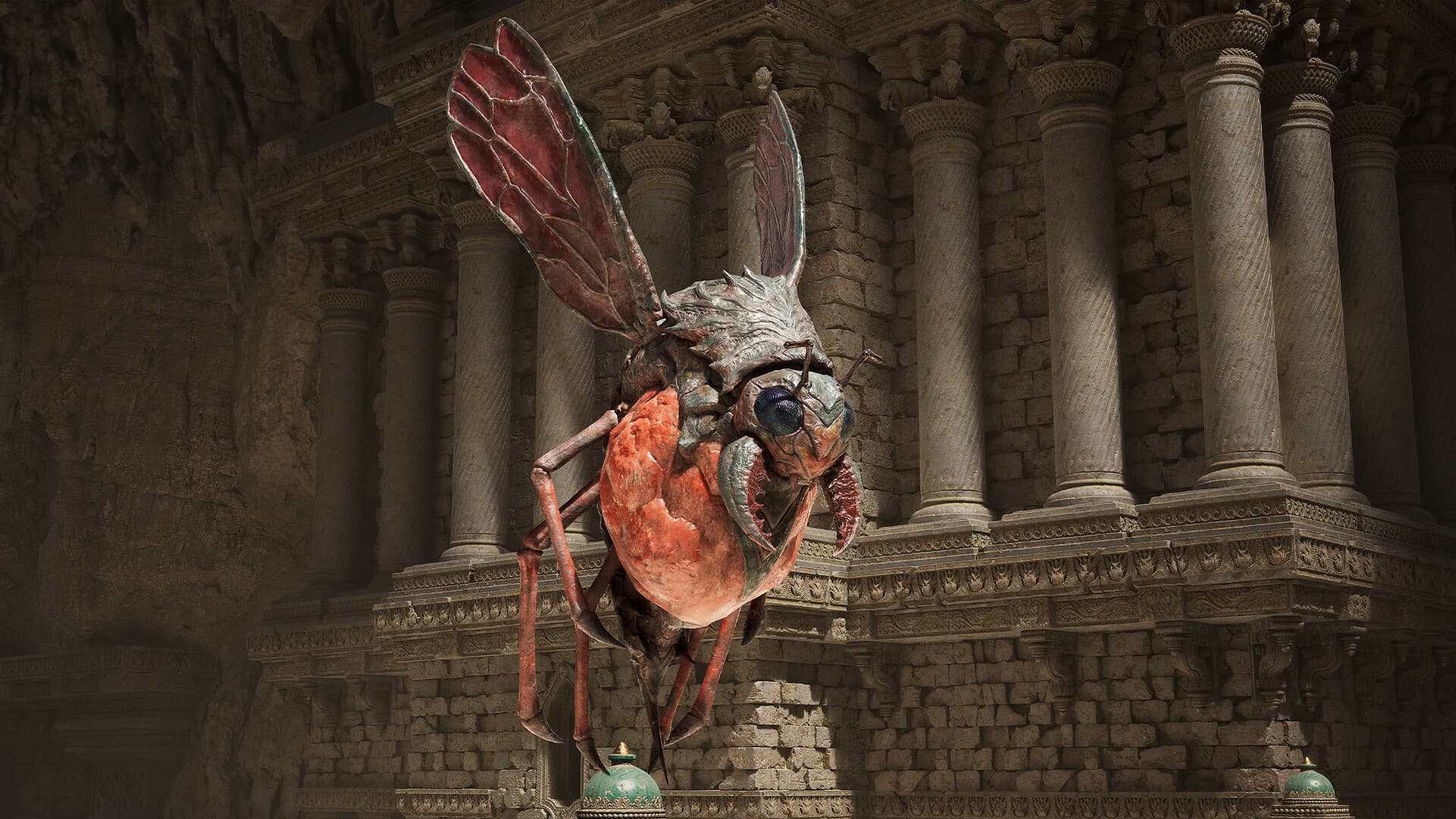
Ingredients in Fatekeeper. The twenty-one named alchemy materials in the Early Access build, sorted by the six material types the three-ingredient system uses.
Dodging in Fatekeeper is the directional, recovery-priced defensive option for ambiguous tells, unparryable spells, and spacing resets.
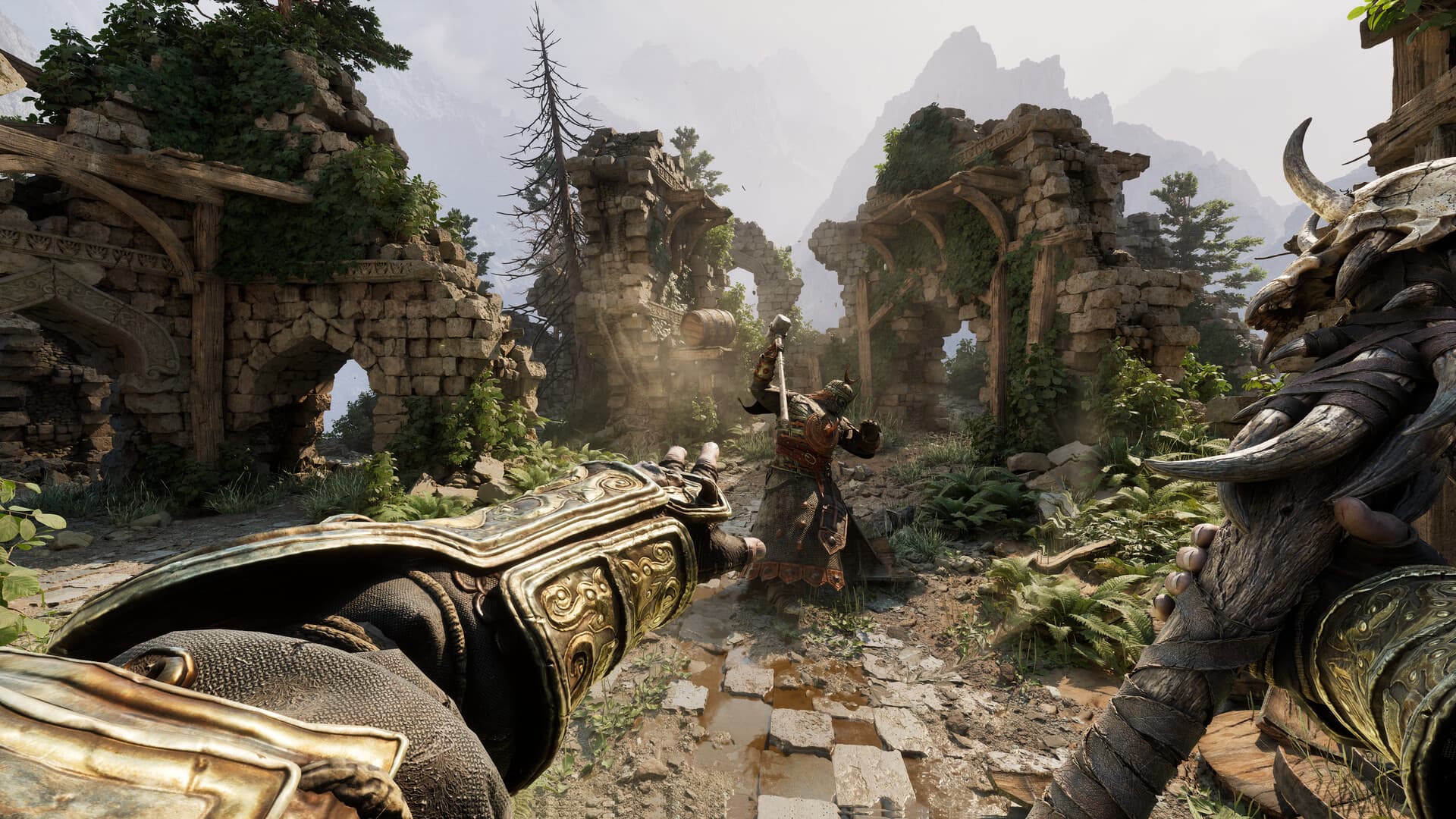
Fatekeeper platform support and Steam features. PC at launch, with no announced console release.
The Pyromancer build for Fatekeeper. Maximum cast speed, multiplied fire projectiles, and ricochet for sustained area pressure.
The Forgotten Underground Cities are Fatekeeper's deep-civilisation layer: engineered sites beneath the surface, inhabited by displaced Underdwellers and tied to the Past Cataclysms arc.
Handbombs in Fatekeeper. Thrown alchemy items for area damage and crowd control, plus the placeable trap and the throwable corpse.
Trinket-class jewelry slot in Fatekeeper. The Druid wears two rings at once, drawn from seventeen named entries in the Early Access build.
The Ice Shatter build for Fatekeeper. Freeze enemies efficiently, then crush them with blunt weapons.
The Talking Rat is the confirmed companion in Fatekeeper, a small articulate creature who travels with the protagonist and provides narrative context.
An overview of Fatekeeper's first-person action RPG core loop, combining melee combat, elemental magic, exploration, and character progression.
Fatekeeper has no staff or wand weapon family. Magic is cast from the spell schools and the skill tree rather than through an equipped implement.
Beginner guide for Fatekeeper. How to get through the opening hours of the Early Access build and how to read the build space.
Age ratings and content descriptors for Fatekeeper across announced regional boards.
Trinket-class jewelry slot in Fatekeeper, paired with rings. Only one amulet exists in the build so far, with a larger batch in development.
