

This article is incomplete
Some sections are missing or need additional details. Help improve it by contributing.
Bosses in Fatekeeper are larger, set-piece threats. The Early Access build ships at least two of them, because shipped patch notes tune a first and a second boss encounter separately, but Paraglacial has never published a proper name for either. The change logs refer to them only by position, and the eight-minute gameplay reveal teases the earlier of the two as a warrior far more ruthless and powerful, rumored to have made camp within the alpine fortress ruins. That reveal remains the only narrative framing any boss has been given outside the game.
What Bosses Likely Are
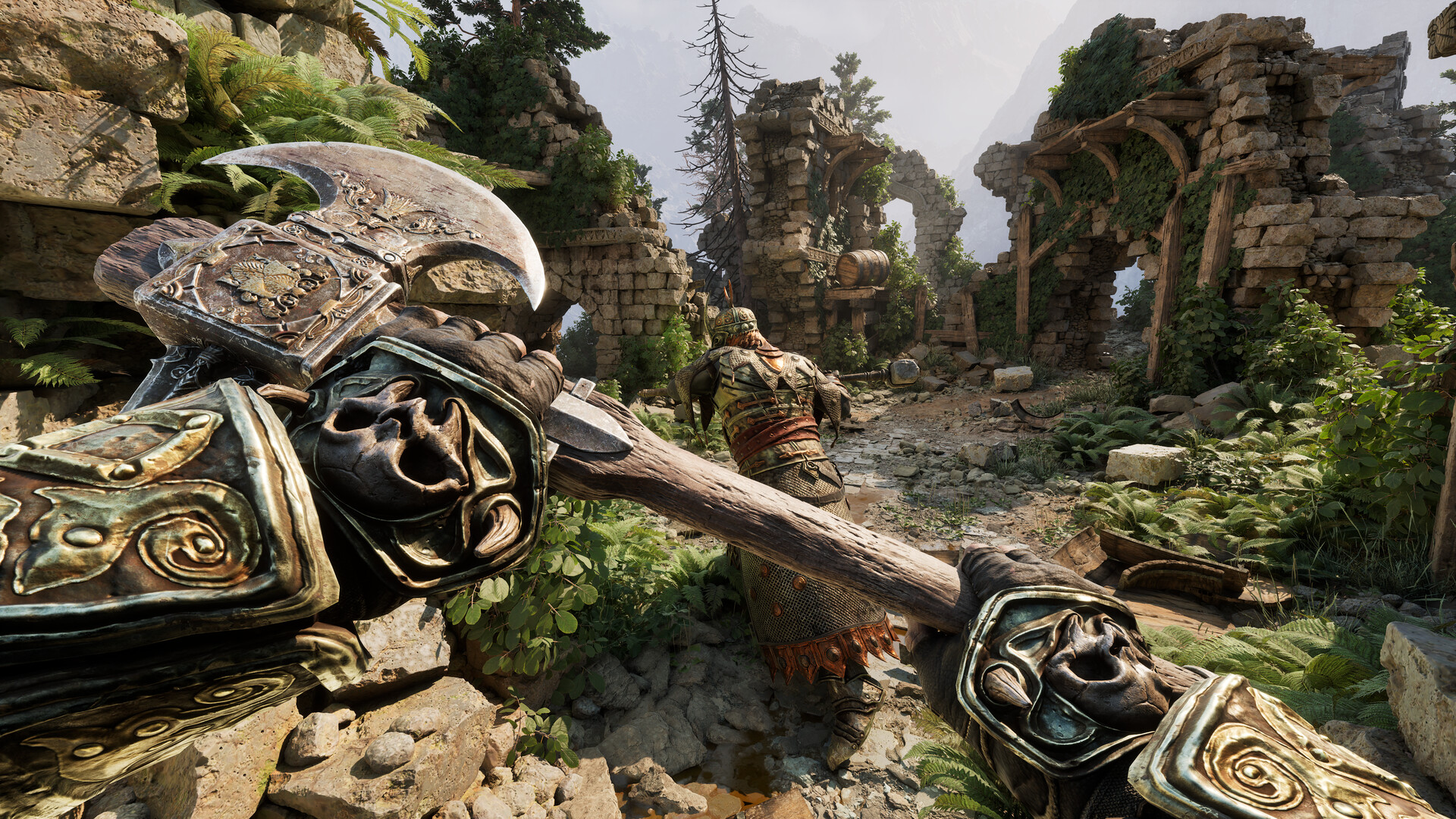
Distinct patterns. Big telegraphs, multi-stage fights, scripted phases.
Build pressure. Bosses tend to expose the weaknesses of any single-minded build, which is why hybrid loadouts and alchemy matter.
Lore anchors. Each named boss is likely tied to the macro plot: surface, underground, or one of the cults.
Confirmed Tease
A ruthless warrior at the Alpine Fortress Ruins, described as far more powerful than the Shortlings that lurk there.
Open Questions
As of the 0.1.3 build no boss has been given a published name, and phase structures, lore ties, and reward tables have not been documented officially. This page will be expanded into individual boss articles as the game's bestiary is detailed.
Telegraph And Read
Boss fights are read-and-react paradigms in Fatekeeper. Big telegraphs reward parry timing more than dodge iframes because the windup is long enough to commit a clean parry window. Bosses with wide hitboxes punish dagger range and reward slower weapons that land bigger per-hit numbers in the same parry-counter window.
Why Hybrid Builds Win
Bosses tend to expose the weaknesses of any single-minded build, which is why hybrid loadouts matter. A pure Pyromancer against a fire-resistant boss is in trouble; a Pyromancer carrying a slot-2 melee, fire vials, and a few handbombs has answers when the main damage type is resisted. The same logic applies to Shatter builds against freeze-resistant bosses.
Multi-Projectile Layering
During long telegraph windows the Druid can layer additional damage with multi-projectile and ricochet spells from the spell-alteration branch. The boss is committed to a slow attack, so the Druid is free to cast through the window without trading. This is the caster equivalent of the parry-counter rhythm.
Two-Handed Reliability
Two-handed swings are reliable against bosses because the per-hit number is large enough to make the slower cycle worth the trade. A hammer or two-handed weapon lands bigger hits per parry window than a one-handed weapon, and the boss's slow telegraphs forgive the longer recovery.
Environmental Kills
Where the arena allows, telekinesis can shortcut a fight by throwing the boss off a ledge or into a hazard. The 2025-11-20 reveal demonstrated telekinetic environmental kills at the alpine fortress ruins; whether bosses can be cheesed this way is unrevealed but the mechanic is there.
Early Access Balance
An early update tuned the game’s boss encounters. The first major boss was made more approachable: its stomp range and angle were reduced, its attack and ability warp distance was lowered, its overall damage was decreased, and the wait time after it knocks the player down was increased. It now also drops loot when defeated. A later boss was made tougher instead, gaining increased health, poise, and resistance to kick attacks, along with a larger experience reward. See Patch Notes for the full change list.
Announced Interface Changes
Bosses currently fight without a health bar, so a player reads a fight's progress from the boss's behaviour rather than from a number. The August 2026 development update confirmed that is changing: health bars for bosses are being added, and the team is separately working out the best way to display status effects on both the player and bosses.
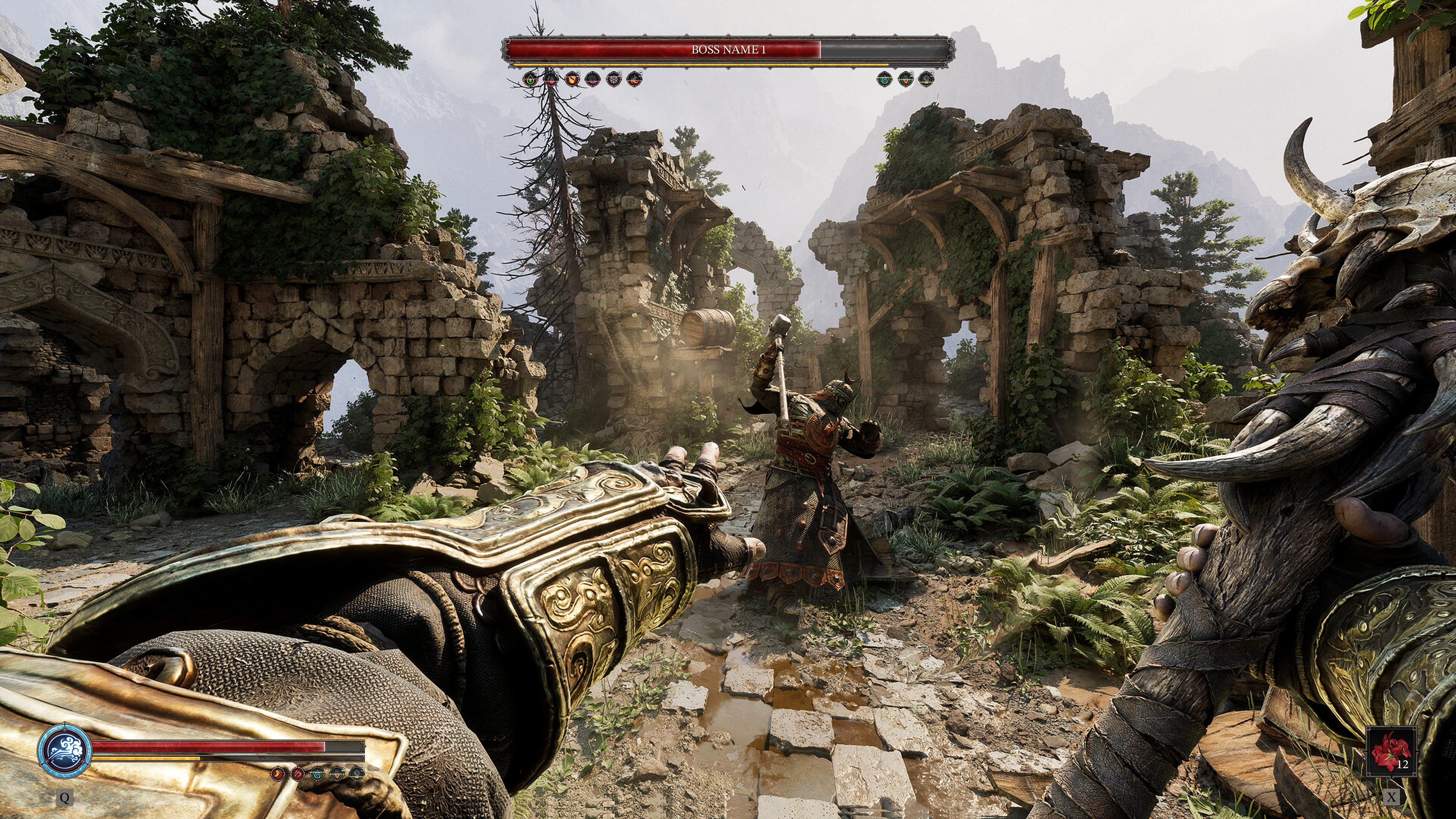
Status effects are already communicated in a more immersive way through material indicators on the character meshes themselves, and the developer framed the interface version as an addition rather than a replacement. Both the boss health bars and the status effect displays are expected to be toggleable in the game settings, so players who prefer the current unmarked presentation should be able to keep it.
Neither has shipped yet. See Roadmap for where these sit in the wider plan, and Patch Notes for the update history.