

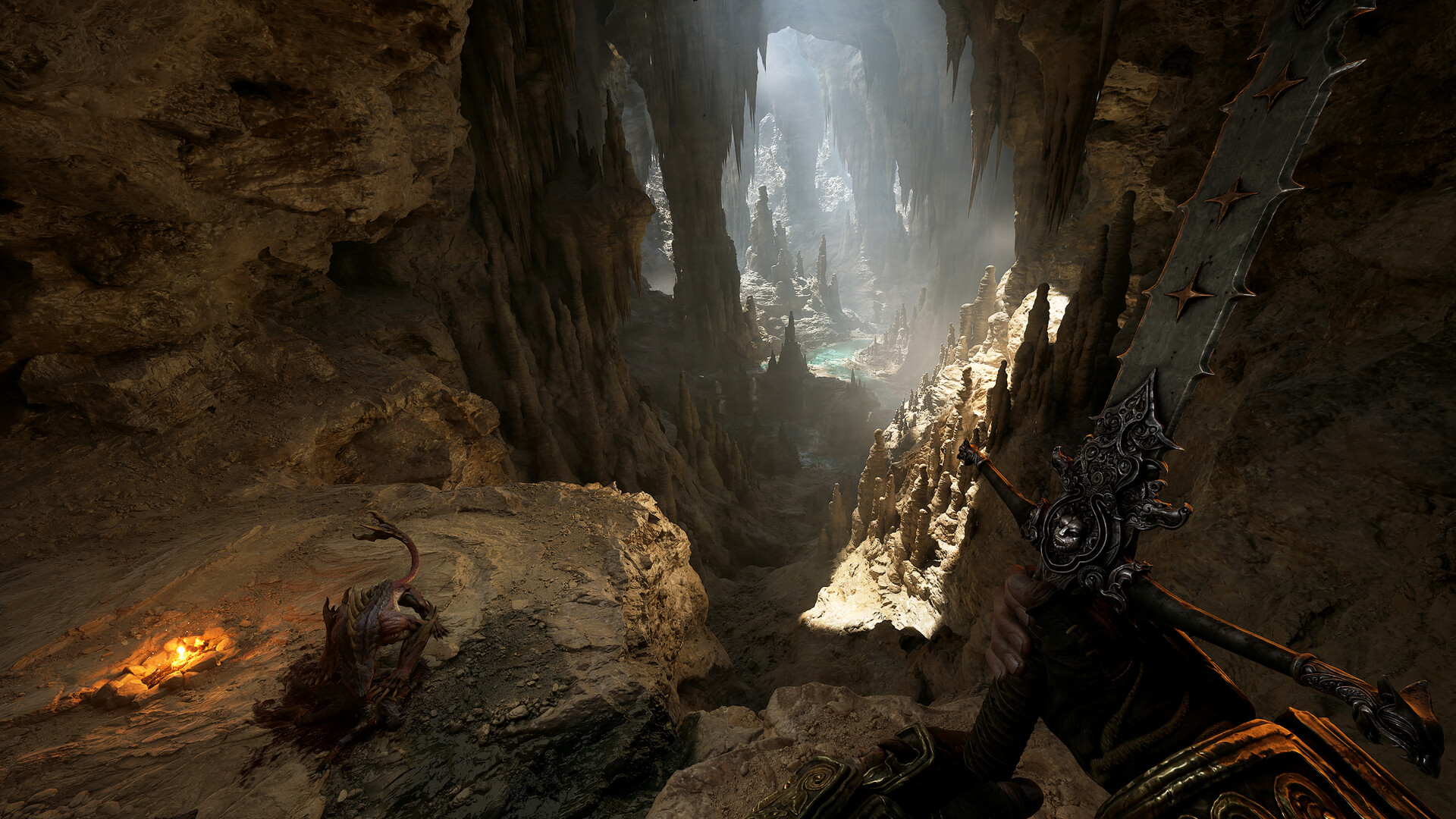
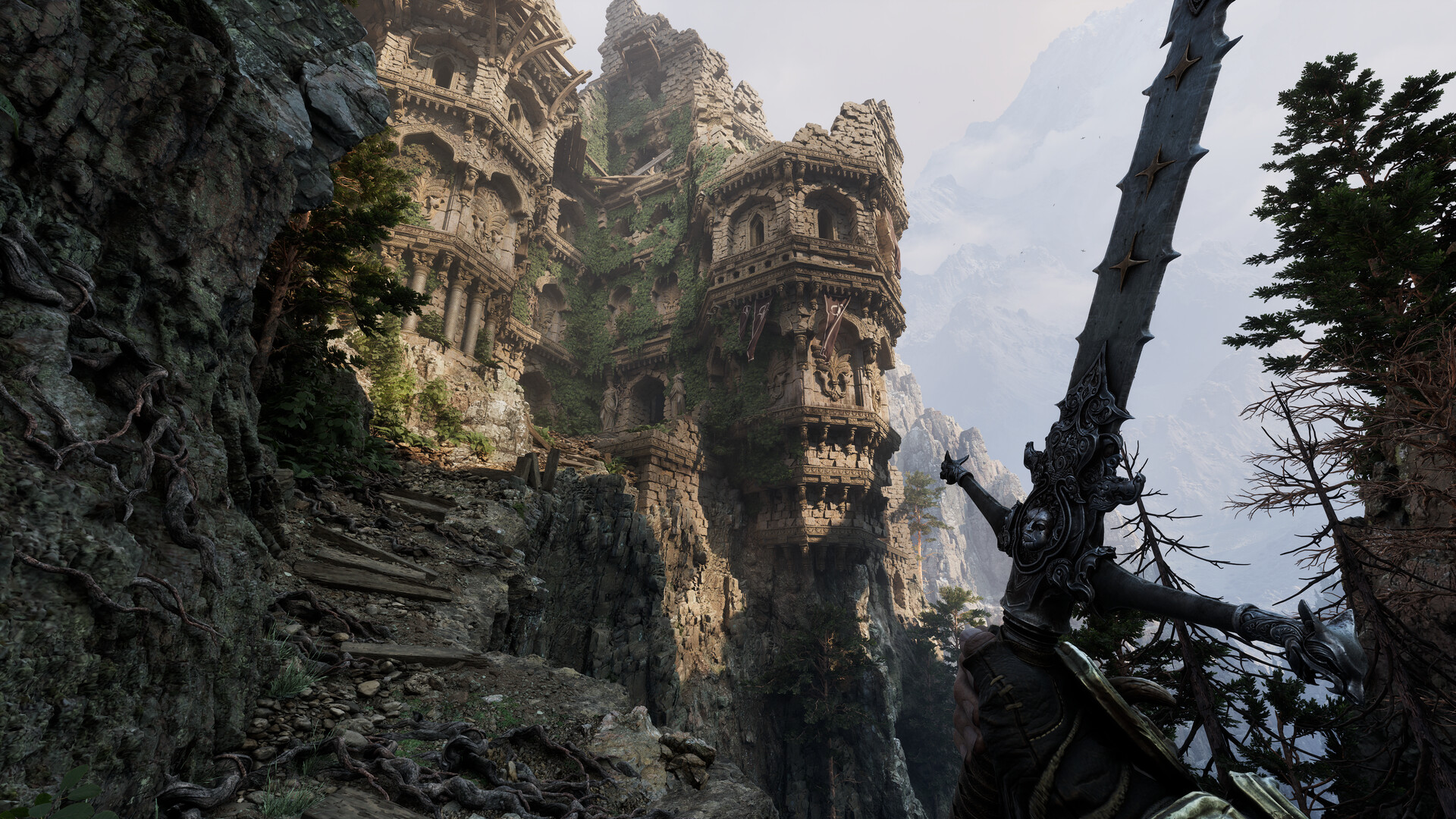
Enemies in Fatekeeper range from twisted, mindless husks to disciplined soldiers, towering beasts, and wielders of arcane power. The Creatures of Fatekeeper dev blog frames the enemy population in two layers: a hostile faction whose conquest reaches further than steel and fire, and the wildlife of Solace, which is partly twisted by the enemy's influence and partly still unbroken. The Druid's path is described as a battle not only against what destroys, but for what survives.
Confirmed Categories
Category | Notes |
|---|---|
Twisted, mindless servants of the larger threat. | |
Trained, organized fighters. | |
Oversized creatures. | |
Magic-using opponents. | |
Wild beasts twisted by enemy influence. | |
Untainted wildlife of Solace, hunted but unbroken. | |
Lurking creatures of the alpine fortress ruins. | |
Larger named threats, including the ruthless warrior teased in the eight-minute reveal. |
How Enemies Behave
Distinct patterns. Each enemy type has its own attack patterns, strengths, and weaknesses. Combat asks the player to learn and adapt.
Mixed threats. Encounters tend to combine fast melee, ranged casters, and area threats, requiring loadout flexibility.
Corruption layer. The enemy faction's influence corrupts wildlife into rage and obedience.
The Survival Half
Not every animal in Solace is hostile. The Creatures dev blog emphasizes that some beasts still hunt, some flee, and some remain unbroken. The Druid's exploration of the world is framed partly as a fight for the parts of Solace that have not yet been twisted.
Early Access Tuning
Post-launch updates have adjusted how enemies fight rather than adding new categories. The first update after launch reduced the overall poise damage enemies deal and made Shortlings sometimes become frightened when another Shortling is killed nearby. Boss encounters were tuned separately: the first major boss had its stomp range and angle reduced, its warp distance shortened, its damage output lowered and its punch, horn, and foot hitboxes tightened, and it now drops loot, while a later boss gained health, poise, and kick resistance along with a larger experience reward.
A later update focused on readability and reach. Non-boss enemy attacks were tweaked to communicate forward momentum better and to reduce warping, player weapon hitboxes were adjusted, enemy interactions with spike traps were improved, and bow-wielding enemies were made a little more susceptible to Telekinesis. Enemies also ragdoll properly while burning instead of standing still through the death animation. See Patch Notes for the full change list.
Announced Additions
The developer has acknowledged that the Early Access build leans on fairly similar enemy compositions, and says that is a content gap rather than a design choice. The August 2026 development update showed concept and in-engine work on several new enemy types, with the stated goal of much greater variety as the game progresses.
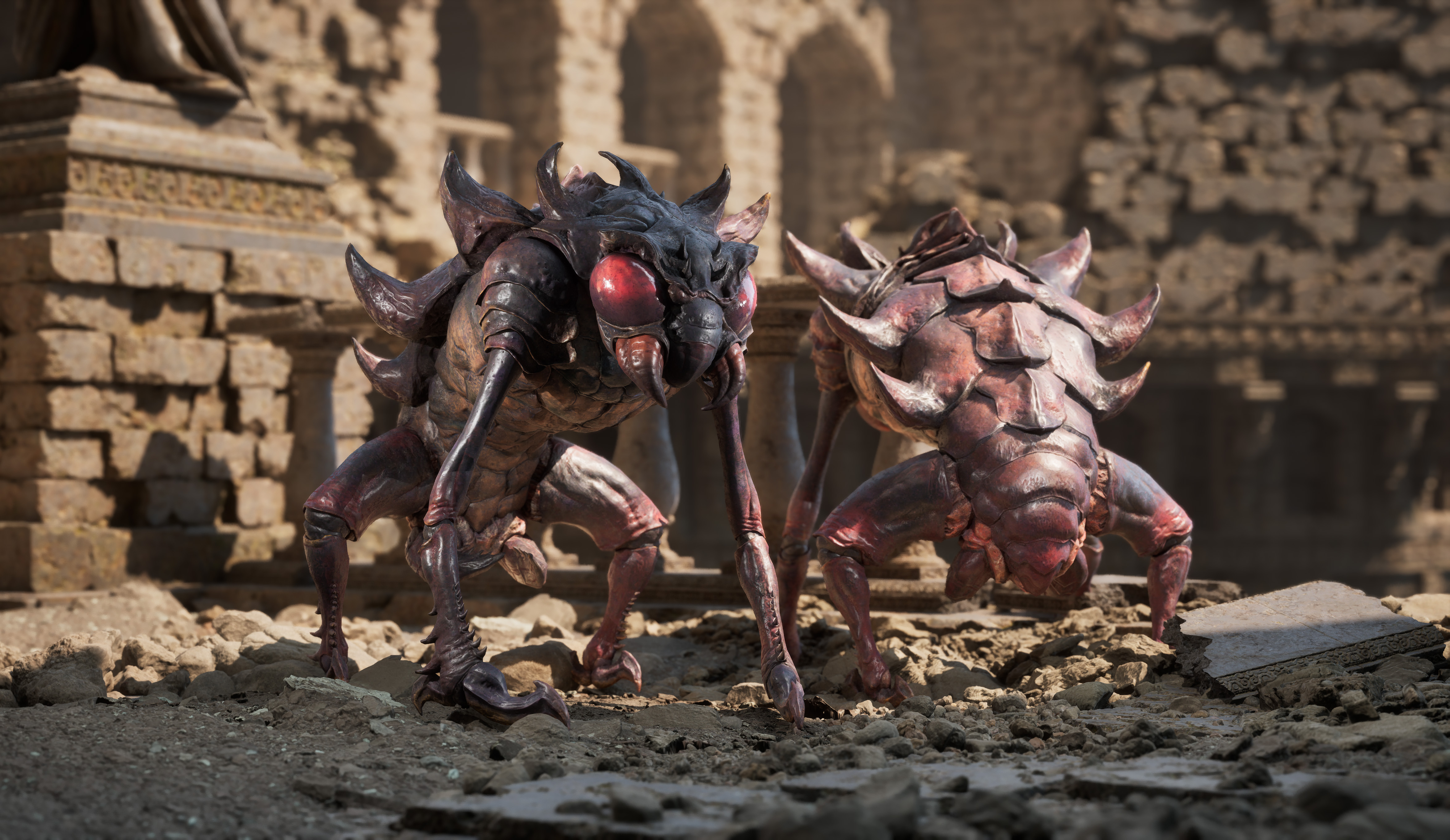
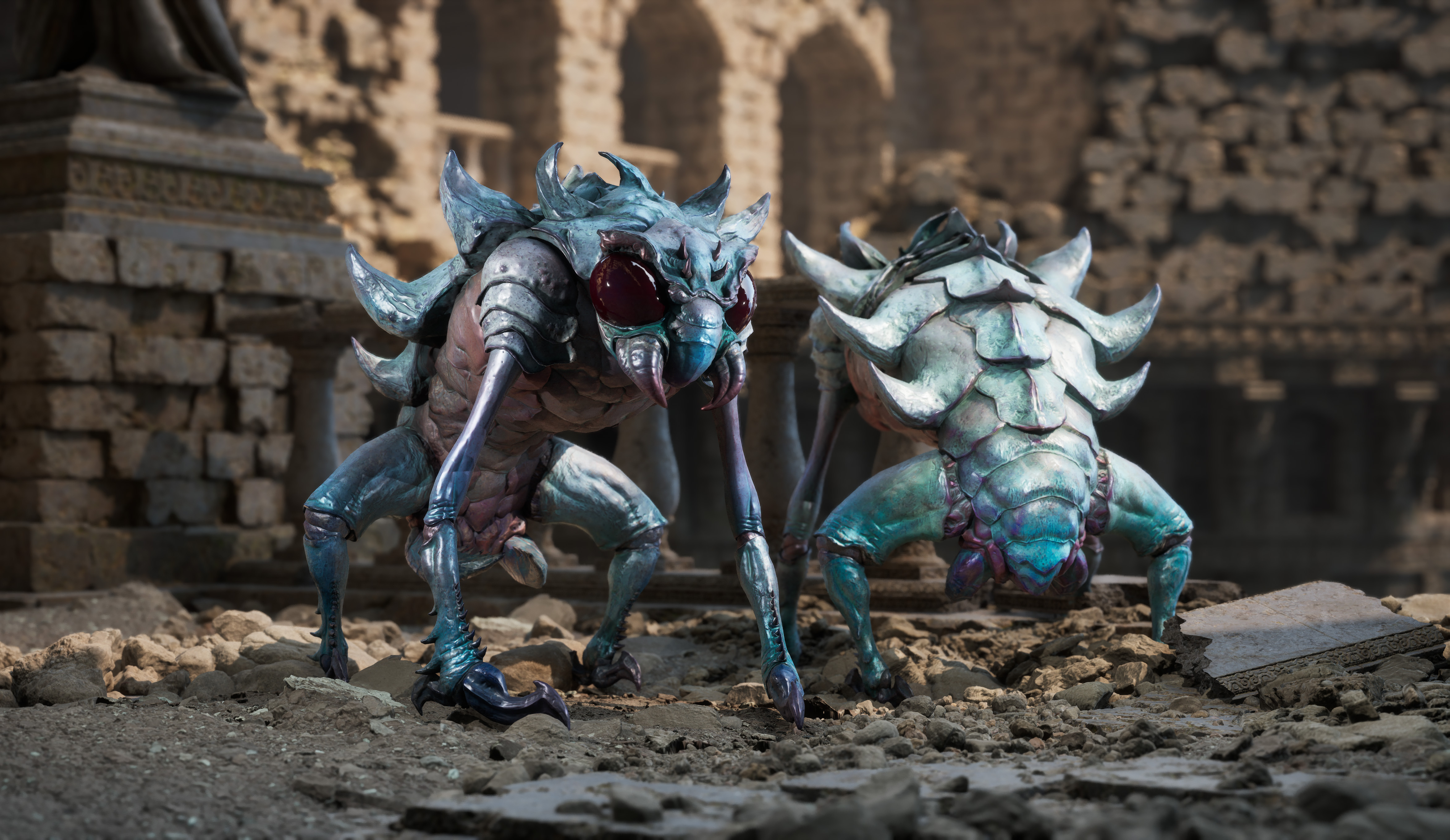
New enemies are also named as part of the first big content patch, planned for winter 2026, alongside new campaign areas and one to two hours of additional gameplay. The categories on this page describe the enemies currently in the build; expect the table above to grow rather than to be replaced. No individual new enemy has been named. See Roadmap for the wider plan.
Two announced interface changes will also affect how enemies read in a fight: boss health bars, and an interface display for status effects on both the player and bosses, both expected to be toggleable. See Bosses.
The Bestiary Entries in the Build
The categories above are the ones official material describes. The 0.1.3 game files carry a separate list of twelve bestiary entries, using internal identifiers rather than the in-fiction names the wider material uses. The two lists do not line up cleanly, and neither one supersedes the other: the categories describe what the enemies are, and the entries below describe what actually spawns.
Entry | Health | Experience | Reading |
|---|---|---|---|
Lizard | 1,200 | 100 | The highest health pool in the files, and the wildlife entry with real combat stats |
Practice Dummy | 1,000 | 0 | A training object, not an enemy |
Heavy Groth | 800 | 375 | The largest experience reward in the list |
Mage Commander | 800 | 250 | The ranking caster type |
Mage Guard | 800 | 250 | The rank-and-file caster |
Groth | 300 | 10 | Common, but worth almost nothing to kill |
Bloodhound | 180 | 15 | The fast pursuer |
Orc Elite | 130 | 10 | Slightly tougher than the base type but a smaller reward |
Orc | 110 | 55 | The staple humanoid, and a good experience rate for its health |
Goblin | 70 | 25 | The small, fast humanoid |
Exploding Bug | 20 | 0 | A hazard rather than a target |
Toad | 5 | n/a | Ambient wildlife |
Two figures are worth reading carefully. The experience rewards do not track health at all: an Orc has less than half the health of a Groth and gives five and a half times the experience, while an Orc Elite is tougher than a plain Orc and gives a fifth as much. If those numbers are accurate, farming the base humanoid type is far more efficient than farming anything larger. And the caster types share an identical 800-health profile, so the difference between them is behavioural rather than statistical.
On naming: reviewers of the shipped build consistently call the orc-adjacent race the Vrog, and the term turns up in item flavor text, but Paraglacial has never used it in a published post. Treat the internal identifiers above as file labels rather than as the names the game puts on screen.
The roster below is compiled from the 0.1.3 game files by the player community. Paraglacial has not published an item list, so treat exact numbers as approximate and expect them to move between patches; the names themselves are stable and several of them appear verbatim in shipped change logs.