

What Are Shrines
Shrines are sculptures dedicated to fictional 14th-century deities, discoverable throughout No Man's Land. They are the physical manifestation of the game's religion system. When a player finds one, they can make an offering to receive a blessing that lasts for the remainder of the current run. The blessing received is random, adding a roguelite layer to each mission.
Religion System
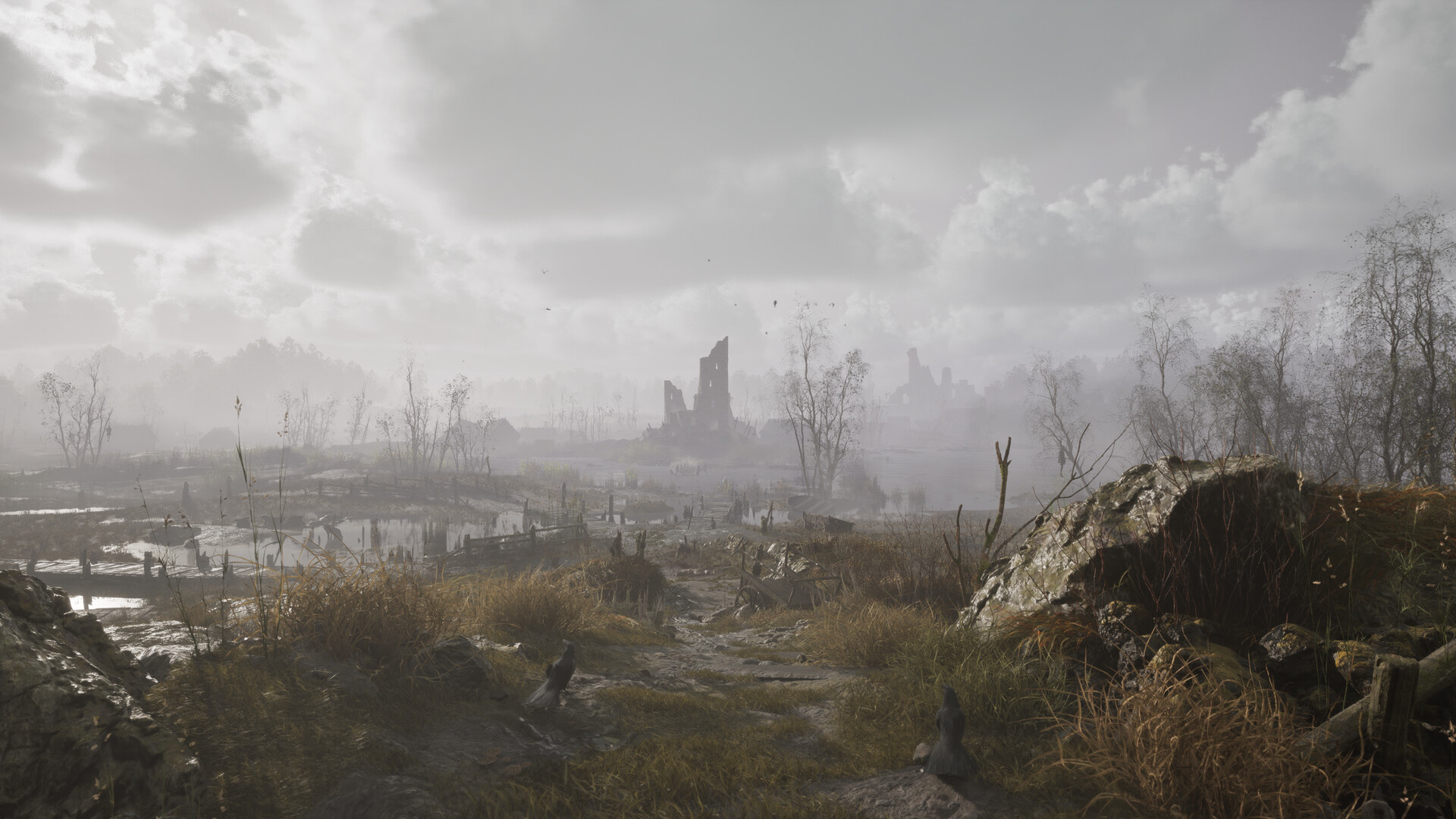
Several in-game religions exist in the world of Blight: Survival, each associated with different deities and different types of blessings. The specific religions and their individual blessing pools have not been fully detailed, but the system functions as a per-run buff mechanic. You encounter a shrine, make an offering, and receive a random blessing from that religion's pool.
Different shrine types appear in different areas of No Man's Land. The blessings available to you depend partly on where your run takes you. A shrine found in the Marshlands may offer different blessings than one found in a dungeon or a ruined fortress. This location-based distribution means that the route you choose through a mission affects not just the enemies you face and the loot you find, but also the blessings available to you.
Comparison to Hades
The developers have compared the blessing system to the boon system in Hades. Both use temporary power-ups acquired at specific points during a run that stack to create builds varying from playthrough to playthrough. The randomness means players need to adapt their strategy based on what is offered rather than executing a pre-planned build every time.
The key difference from Hades is the offering cost. In Hades, boons are free choices at room rewards. In Blight: Survival, blessings require an offering of resources. This adds an economic calculation that Hades does not have: the offering materials could have been saved for use at the Artisan's workshop or for crafting Remedies. The blessing has to be worth the resource investment.
Making an Offering
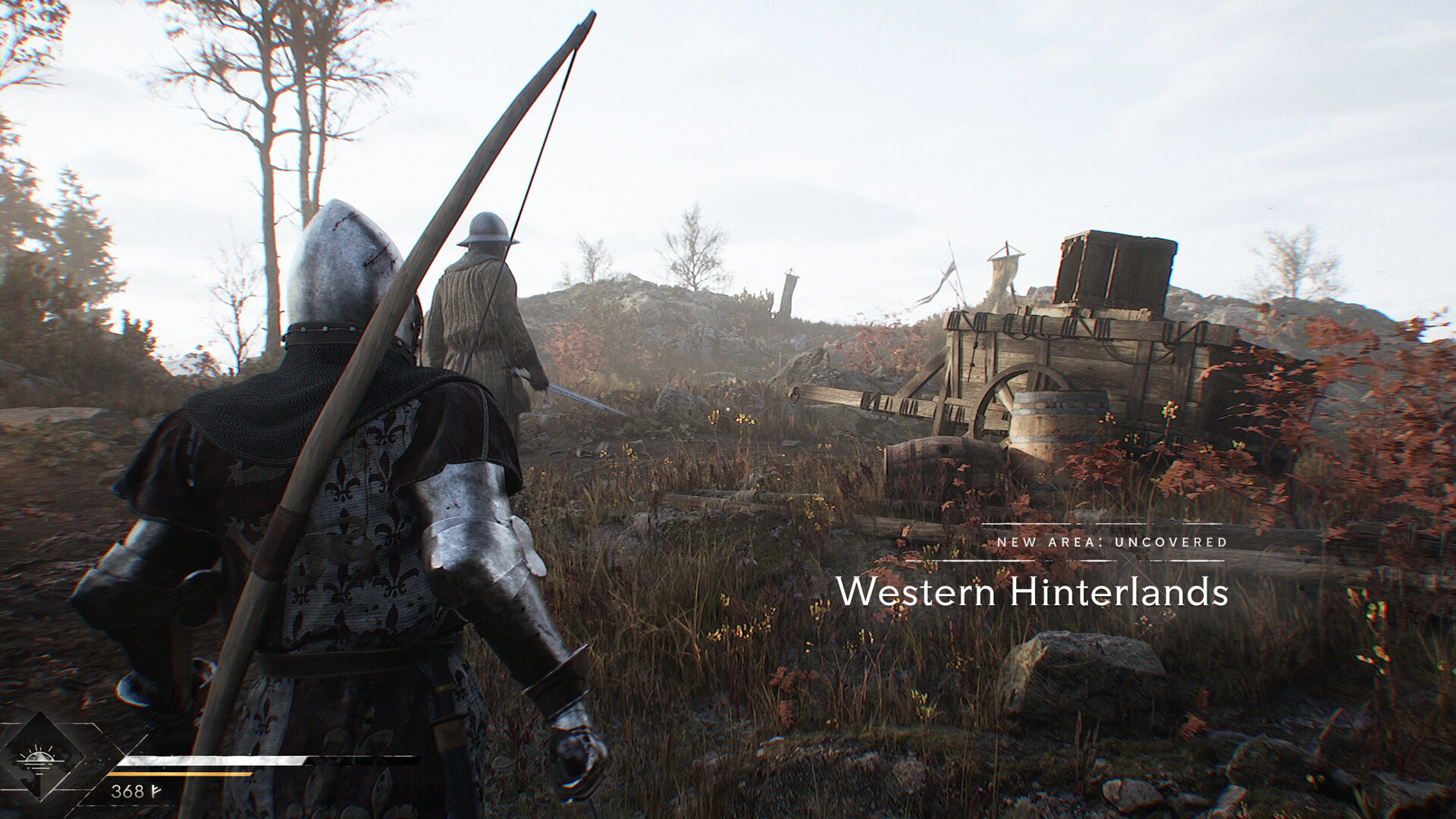
When a player finds a shrine, they can choose to make an offering. The offering costs resources, the same materials and coins that feed the Artisan's workshop and the Remedies crafting system back at camp. This creates a three-way resource tension:
Offering Type | Effect |
|---|---|
Artisan | permanent gear upgrades that persist across runs (until character death) |
consumable items that help survive the current run | |
Shrine offerings | random blessings that buff the current run |
The decision to make an offering depends on the run's context. Are resources plentiful enough to spare? Is the run going well enough that a blessing would compound existing strength? Or is the run already struggling, and the resources would be better saved for repairs and healing?
Blessing Duration and Stacking
Each blessing lasts for the remainder of the current run. If the player extracts successfully, the blessing ends. If the character dies, the blessing is lost along with the character and all their gear. Blessings do not carry over between runs or transfer to successor characters through the bloodline system.
Multiple blessings can stack within a single run. A player who finds two or three shrines and makes offerings at each one accumulates layered buffs that build on each other. This stacking is what makes the system feel roguelite: different combinations of blessings across different runs create unique gameplay variations. One run might produce a stealth-focused blessing set, while another might stack combat buffs.
Strategic Timing
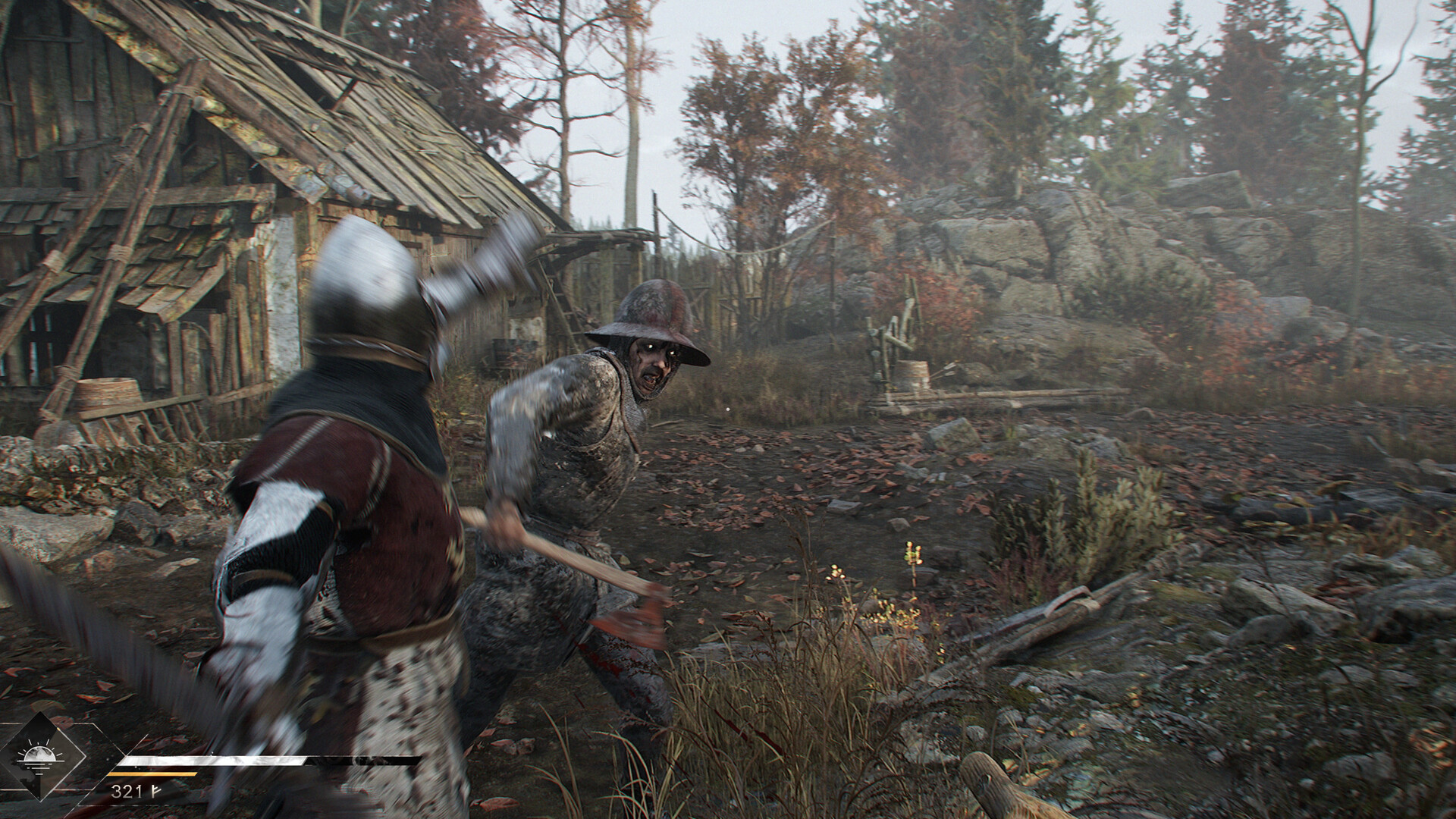
When a blessing is acquired during a run matters. A combat blessing found early in the run has many encounters ahead of it to provide value. A blessing found near the extraction point provides less total benefit unless it specifically helps with a known obstacle between the shrine and the exit.
The timing consideration also affects exploration decisions. Going off the direct path to search for a shrine early in a run is a larger time investment but yields more total blessing value. Detouring late in a run for a shrine is quicker but the blessing has less time to pay off.
Co-Op Shrine Decisions
In co-op, shrines add group coordination. A blessing that boosts melee damage might benefit a sword-focused player more than the team's ranged player. The group has to decide: does the most relevant player make the offering, or does everyone take what they can get? With limited resources and random outcomes, shrine encounters become moments of informal negotiation.
A well-timed blessing on the right player can turn a difficult encounter manageable. A wasted offering on an irrelevant blessing is resources down the drain. In a four-player team, coordinating who makes offerings and when adds a layer of group decision-making beyond combat and extraction timing.
Exploration Incentive
Shrines are not placed on the critical path of every run. Finding them requires exploration, which means venturing off the direct route to the extraction point. This ties the blessing system into the game's core risk-and-reward loop. Going off the beaten path to find a shrine increases your time in No Man's Land and your exposure to enemies, but the blessing you receive might make the rest of the run significantly easier. Shrines are one of many reasons the game rewards exploration over rushing to the exit.