Overview
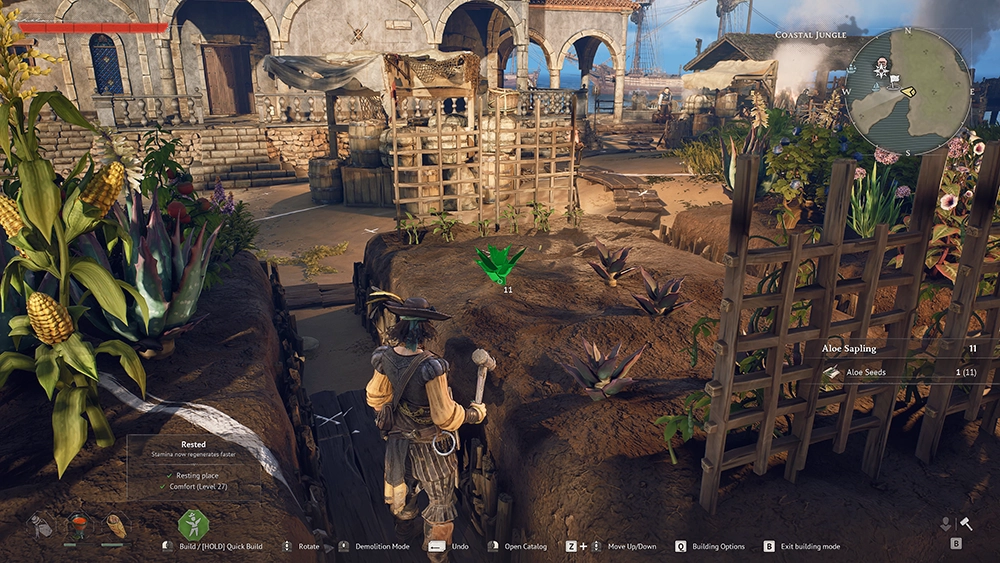
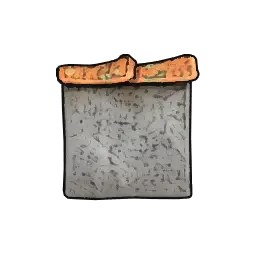
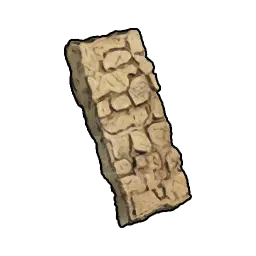
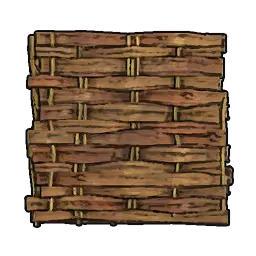
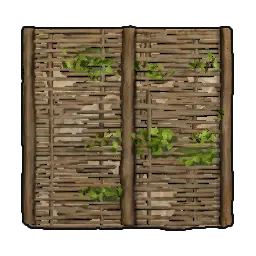
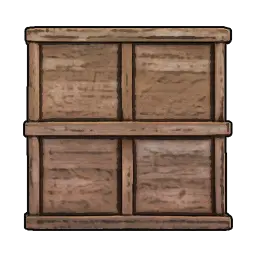
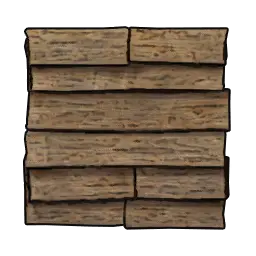
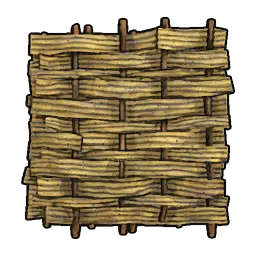
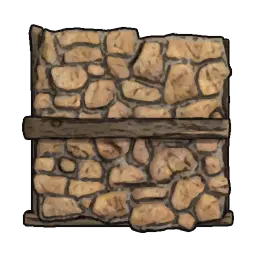
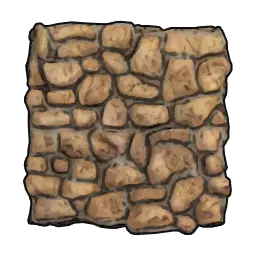
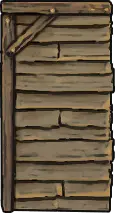
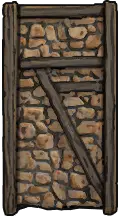
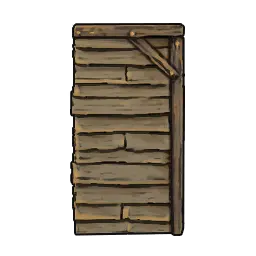
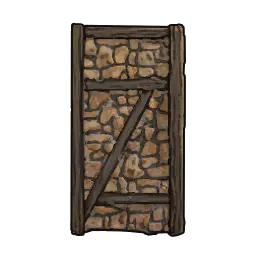
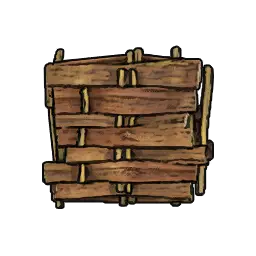
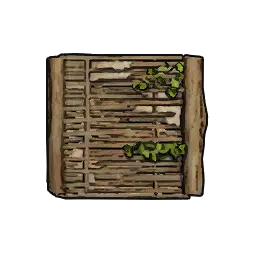
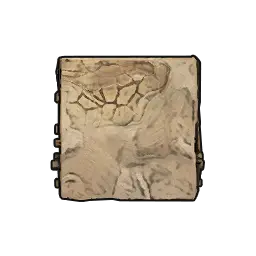
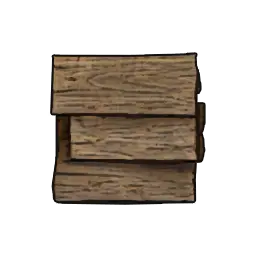
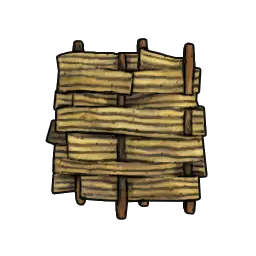
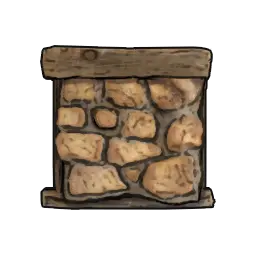
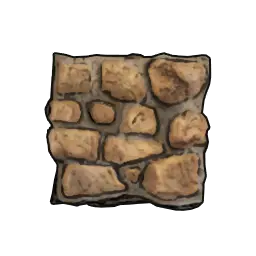
Walls are the vertical enclosure pieces that turn a floor platform into a shelter. Windrose ships with 46 distinct wall pieces split across three sub-groups: standard Square Bits for rectangular rooms, Special shapes for curved and decorative work, and Triangular walls that fill the gables under peaked Roofs. Every wall in the game can be built in one of twelve material styles once the corresponding plan is unlocked, which means the same 46 shapes become a catalogue of several hundred actual buildable pieces.
Walls sit one tier above Floors and one tier below roofs in the standard Base Building build order. They define the footprint of every indoor room, carry doors and windows, and set the HP pool that determines whether a shelter survives a raid, a cannon strike, or a wandering predator.
Wall Sub-Groups
The 46 wall pieces are organized into three functional groups inside the build menu. Learning which group a shape lives in is the fastest way to locate it when you are mid-build.
Sub-Group | Count | Role |
|---|---|---|
Walls: Square Bits | 24 | Standard rectangular wall panels in every material tier. Small (1x1) and Large (1x2) sizes, the backbone of any enclosure. |
Walls: Special | 11 | Non-rectangular shapes: arch walls, corner walls, inclined walls, facade sections, panels, semi-rounded walls, and ceramic cornices for decorative detailing. |
Walls: 26° / 45° / 64° | 19 | Angled triangular walls matched to the three main roof pitches. Used under peaked roofs to close off gables so rain and wind stay out. |
Material Variants
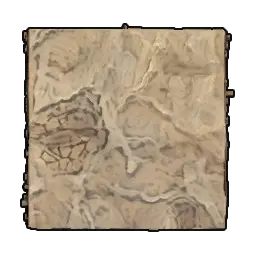
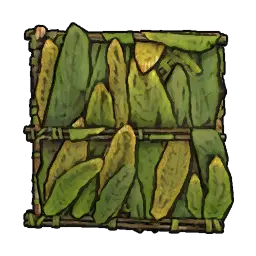
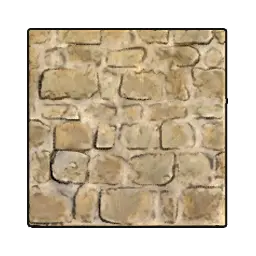
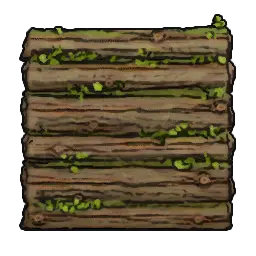
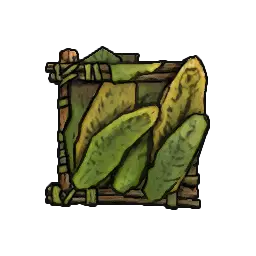
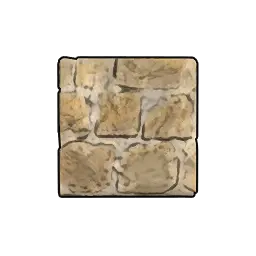
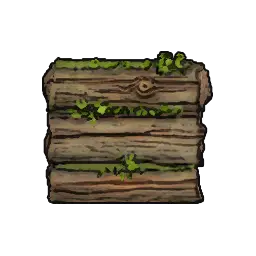
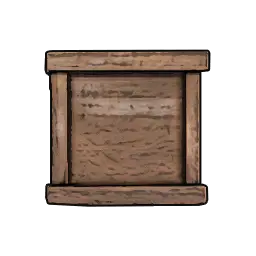
Every wall shape is available in twelve material styles, and the choice of material drives cost, HP, aesthetic, and which plan you need to have unlocked. Starter tiers cap at 750 HP, mid tiers at 1,500 HP, and late tiers at 2,500 HP. Visual polish scales with tier as well: a Leaves wall looks like a lean-to, a Plaster wall looks like a colonial villa, and a Mahogany wall looks like a captain's estate.
Material | Cost (Small Wall) | Max HP | Tier |
|---|---|---|---|
Leaves | Plant Fiber x1 | 750 | Starter |
Sticks | Plant Fiber x1 or Wood x1 | 750 | Starter |
Bark | Wood x2 | 750 | Starter |
Log | Wood x3 | 1,500 | Mid |
Planks | Wood x2 (processed) | 1,500 | Mid |
Clay x2 | 1,500 | Mid | |
Clay and Log | 1,500 | Mid | |
Plaster | 1,500 | Mid | |
Limestone | Stone x3 | 2,500 | Late |
Mahogany | Hardwood x3 | 2,500 | Late |
Stone x3 | 2,500 | Late | |
2,500 | Late |
Large Wall variants cost exactly double the materials of the Small Wall in the same tier, carry the same Max HP, and cover twice the surface area. That makes a Large Wall more material-efficient per square meter of enclosure, but also means a single Large Wall has the same HP pool as a Small Wall, so a long plank Large Wall under fire will still fall on the same hit count as a single Small Wall.
Special Wall Pieces
Special pieces are the non-rectangular wall shapes that solve specific layout problems or add architectural detail. Most are gated to Plaster, Stone, or Planks tier and require estate-level plans to unlock.
Piece | Typical Material | Role |
|---|---|---|
Arch Wall | Plaster | A wall with a decorative arched cutout above a doorway slot. Standard choice for estate foyers and chapel-style entrances. |
Corner Wall | Stone, Plaster, Planks | A 90-degree piece that seals the seam where two perpendicular walls meet. Prevents the hairline gap that plain square walls can leave at perpendicular joins. |
Inclined Wall | An angled panel that closes the void under an interior staircase or under a sloped section of the roofline. | |
Facade Section | Plaster | An oversized decorative panel built for flat estate frontages. Pairs with Cornices to finish the top edge. |
Cornice | Ceramic | Decorative trim that sits at the top of plaster walls and blends into clay and tile Roofs. |
Semi-Rounded Wall | A curved wall used to build round-footprint rooms and tower exteriors. | |
Left Panel / Right Panel | Side-of-building decorative panels that break up long blank wall runs with a vertical plank or mixed-material accent. | |
Wall Corner | Plaster | An outer-corner piece that finishes the exterior edge of estate-tier buildings with a cleaner profile than a plain square corner. |
Triangular Walls and Gable Angles
Triangular walls are the pieces you slot into the gable ends of a peaked roof so rain and wind stop blowing through the attic. Each triangular wall has a fixed angle, and the angle has to match the roof pitch above it. Pairing a 45° triangular wall with a 26° roof leaves a visible gap; the pieces do not cross-snap.
Angle | Pairs With Roof Pitch | Typical Use |
|---|---|---|
26° | 26° Roof (shallow pitch) | Long, shallow gables on wide huts and barn-style cabins. The shallow slope keeps the interior loft usable. |
45° | 45° Roof (standard pitch) | The default gable on most cottages and two-story houses. Sheds rain quickly and gives an attic big enough for a bed or chest. |
64° | 64° Roof (steep pitch) | Sharp, tall gables for tower roofs, watchtowers, and chapel spires. Best when you want a dramatic silhouette over a small footprint. |
There is also a 13° roof pitch in the build menu, but triangular walls are not offered in that angle. For very shallow lean-to roofs the standard shapes are straight wall panels cut down to size by the roof slope, not a dedicated triangular piece.
Triangular walls inherit the same material tiers as Square Bits. A Plank triangular wall costs plank-tier wood, a Stone triangular wall costs stone, and so on. HP follows the same 750 / 1,500 / 2,500 ladder.
Plan Drops and Unlocks
Starter tier walls (Leaves, Sticks, Bark) are available from the opening hours of the game. Every tier above that is gated behind a written plan you have to find, loot, or buy. The plans arrive as Curios that you read to permanently unlock the recipes.
Plans: Stone and Planks (Base Set) unlocks Stone walls, Plank walls, and the Square Bits shapes in those two materials. Typically the first mid-tier plan players recover from coastal Points of Interest on the starter biome.
Plans: Leaf Roofs and Triangular Walls unlocks the 26° triangular wall set alongside the matching shallow roof. Without this plan the 26° angled pieces do not appear in the build menu at all, and it is easy to mistake the absence for a bug.
Plans: Straw Roofs and Triangular Walls covers the 26° and 64° triangular pairings for straw roofing, filling in the steep-tower variants that the leaf plan skips.
Plans: Marble, Plaster, and Tile (Base Set) unlocks Plaster, Limestone, and the ceramic cornice line used for estate-tier construction. Typically traded through faction vendors at Tortuga rather than looted raw.
Plans: Mahogany unlocks hardwood walls for the captain's-estate look. Often sold by Factions at Tortuga once you have raised enough reputation to access the late-tier blueprint tier.
Rule of thumb: early plans drop from Points of Interest scattered across the coastal jungle, mid plans drop from deeper jungle and foothill sites, and late plans are almost always bought from faction vendors at Tortuga after turning in enough insignias to reach the right reputation tier.
Placement Rules
Walls snap to the edge of any floor or foundation piece below them and to any wall beside or above them, which is what lets you stack multiple wall courses to form a two-story room. The placement hologram color tells you at a glance whether the piece will actually place: green means full material cost available, yellow means partial materials, red means either missing materials or a blocked snap.
Hold and drag the placement cursor along a floor edge to place an entire wall run in one gesture, which saves an enormous amount of clicking when you are blocking out the exterior of a long barracks or a fortress perimeter.
Walls with a door or window slot accept a matching door or window piece once you select it. Placing the door or window replaces the plain wall segment rather than sitting on top of it, and the replacement is a destructive swap that refunds 100% of the original wall's materials to your inventory. See Doors and Doorways and Windows for the full lists of slot-compatible pieces.
Build Order
Following a consistent build order prevents the two most common snapping complaints: walls that refuse to align cleanly at corners and roofs that float above the wall tops. Work from the ground up, and commit to a pitch for the roof before you decide which triangular wall pieces you will need.
Step | Piece | Notes |
|---|---|---|
1 | Bonfire + Foundation | Place the bonfire first. Every wall you care about must sit inside its radius for comfort and crafting stations to register. |
2 | Floors or foundation grid | Walls snap to floor edges, so the floor plan defines the wall plan. Lay the full floor grid before placing any wall. |
3 | Walls and Pillars and Beams | Place corner pillars first if you plan to build a tall or multi-story structure. Corner pillars keep wall runs in alignment across floors. |
4 | Roofs snap to the top of walls and to wall pillars. Match the roof pitch to the triangular walls you plan to use for the gable. | |
5 | Triangular walls, gable fills | Slot the 26°, 45°, or 64° triangular wall into the gap between the gable end and the peaked roof above it. |
6 | Replace any wall segment with a matching door or window piece. Swap is destructive to the old wall; refunds 100% of materials. |
Damage and Durability
Walls take damage from raids, wandering predators, and direct weapon hits. A 750 HP starter wall falls quickly to crocodile bites, a boar charge, or a single well-placed musket volley, which is why even a casual player tends to step up to Plank or Clay walls within the first couple of in-game days.
Mid-tier walls (1,500 HP) survive the average bandit raid and shrug off most melee predators. Late-tier walls (2,500 HP) are the baseline for anything you want to call a fortress: a Stone, Limestone, or Mahogany wall takes several hits from a Cannons strike before it goes down, and a full perimeter of 2,500 HP pieces effectively shuts down casual NPC raids once you add a reinforced door.
Demolishing your own wall refunds 100% of the construction materials, so there is no material penalty for prototyping a layout in cheap Plant Fiber or Wood first and then upgrading to Stone or Mahogany once the footprint is locked. Many players block out the full hut in Sticks, walk through it, check sightlines and door swings, then tear it down piece by piece and rebuild in the final material.
Walls and Roofs Together
Walls and roofs interlock through three specific interactions you will use on every build. First, the top course of a rectangular wall run snaps flush to any roof piece whose pitch matches the wall height, which is why standardizing on one roof pitch across a whole building saves a lot of reshuffling. Second, arch walls and facade walls double as under-roof decorative pieces on estate-tier buildings; the arch cutout falls cleanly beneath the eave of a 45° tile roof. Third, triangular walls bridge the gable gap left between the end of a rectangular wall run and the peak of a pitched roof. If that gable is open the interior loses the Shelter tag, rain drips through to the floor, and crafting stations that need a roof refuse to register.
Mixing wall materials across a single building is legal but visually noisy. Most high-scoring screenshots either stay in a single material (pure Stone fortress, pure Plank cabin) or use a two-material split: Stone foundation course at ground level, Plaster or Plank walls above, Mahogany accents at the roofline. Ceramic Cornices are the standard transition piece between a Plaster wall and a tile roof.
Aesthetic Tips
A few design habits separate an improvised lean-to from a build that looks intentional:
Pick one material per floor. Ground floor in Stone, upper floor in Planks, loft in Sticks reads as a deliberate tower. Random swaps every few panels read as a patch job.
Use corner walls, not butted square walls. The dedicated Corner Wall piece closes the vertical seam that plain wall panels leave at 90° joints. On stone and plaster buildings the difference is visible from meters away.
Place a Fireplaces on an interior wall, not an exterior one. Exterior placement looks like a chimney has been stapled to the house; interior placement reads as a proper hearth room.
Break long wall runs with windows or panels. A five-tile unbroken exterior wall looks like a warehouse. A window every second tile or a Left Panel / Right Panel accent every third tile turns that same run into a house.
Cornice your plaster. Any plaster-walled building that touches a tile roof should have a cornice line between them. Without it the roof looks like it is floating over the walls.
Fortress and Castle Construction
When the build goal is combat survivability rather than comfort, the material tier ladder matters more than the shape catalogue. A fortress is just a rectangular set of rooms at maximum HP per wall, with strict attention paid to perimeter continuity and corner coverage.
Outer perimeter: Use Stone, Limestone, or Mahogany Large Walls in a single continuous ring. Large Walls carry the 2,500 HP pool the same as Small Walls but cover twice the area per placement, so the perimeter goes up faster and there are fewer seams to fail under cannon fire. Corner joins should always be dedicated Corner Wall pieces; plain square joins leave hairline gaps that enemies can snipe through.
Gatehouse: The gate is the weakest point in any perimeter by definition because it cannot share the full HP pool of a solid wall. Build the gate into a gatehouse cell: two Stone walls inward from the main perimeter, a reinforced door on the front face, a second interior door on the back face. An attacker who breaks the front door still has to break a second door before reaching your stations.
Watchtowers: Round towers use Semi-Rounded Wall pieces in Clay or Stone stacked three high, capped with a 64° roof pitch and 64° triangular walls to close the gable. The height gives clear sightlines over the perimeter and keeps melee predators from reaching the roof.
Inner keep: The innermost building holds the high-value stations (Workbench, Storage, Alchemy, Armor and Clothing Workshop). Build this in Mahogany or Limestone so the walls tank the one or two hits that slip past the outer perimeter in a bad raid. A Mahogany inner keep sitting inside a Stone outer wall ring is the canonical late-game layout.
Bonfire placement: Keep the Bonfire central inside the keep. Any wall that leaves the bonfire's radius becomes dead weight for comfort purposes; stations inside lose their Comfort tag, and sleeping on a bed outside the radius does not grant the Rested buff.
Starter Shelter
For the first in-game night you do not need a fortress, you need a box that keeps predators off you. The minimum viable shelter is three Plant Fiber walls, one wall with a door slot for a basic door, and a Leaves roof cap overhead. Two Plant Fiber walls plus a Leaf roof cap also satisfy the shelter requirement for most early-game crafting stations, since the stations only need overhead coverage and not full four-wall enclosure.
Move up to Sticks or Bark once the first Wood stack is processed, move to Planks or Clay once the first Stone has been quarried, and plan the final Stone or Mahogany perimeter after the first faction plans have been unlocked at Tortuga.
See Also
Base Building
Floors
Roofs
Doors and Doorways
Windows
Fireplaces
Cornices
Bonfire
Variants
A complete list of Walls variants in Windrose is shown below, with thumbnail, build cost, and comfort bonus for each entry. Click any name to open its dedicated page.
Image | Variant | Build Cost | Comfort |
|---|---|---|---|
| - | ||
| Stone x2 | - | |
| Clay x2 | - | |
| Clay x2 | - | |
| Stone x2 | - | |
| Plant Fiber x2 | - | |
| - | ||
| Clay x3 | - | |
| Plant Fiber x2 | - | |
| Stone x4 | - | |
| Wood x3 | - | |
| Wood x4 | - | |
| Wood x3 | - | |
| Stone x4 | - | |
| Plant Fiber x2 | - | |
| - | ||
| Stone x3 | - | |
| Wood x4 | - | |
| - | ||
| Wood x4 | - | |
| - | ||
| Clay x2 | - | |
| Plant Fiber x1 | - | |
| - | ||
| Clay x2 | - | |
| Plant Fiber x1 | - | |
| Stone x2 | - | |
| Wood x2 | - | |
| Wood x2 | - | |
| Wood x2 | - | |
| Stone x2 | - | |
| Plant Fiber x1 | - | |
| - | ||
| Stone x2 | - | |
| Stone x2 | - |