Loading...
Loading...
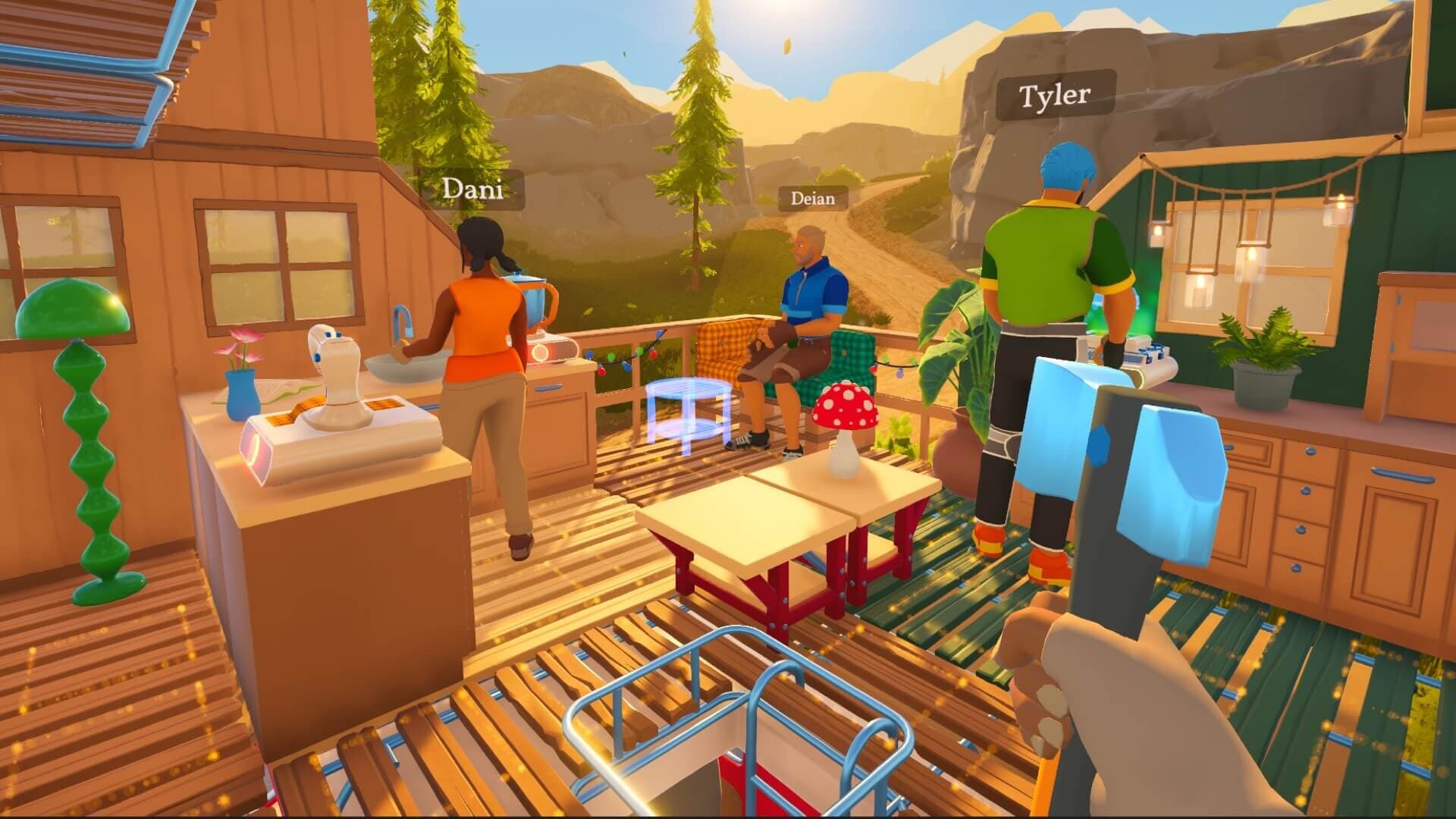
Outbound supports online co-op for up to four players. There is no crossplay between PC and consoles, no local or split-screen play, and the game is fully playable solo.
Every production recipe in Outbound: all 57 recipes across the game's 25 production stations, with exact inputs and base craft times, grouped by station.
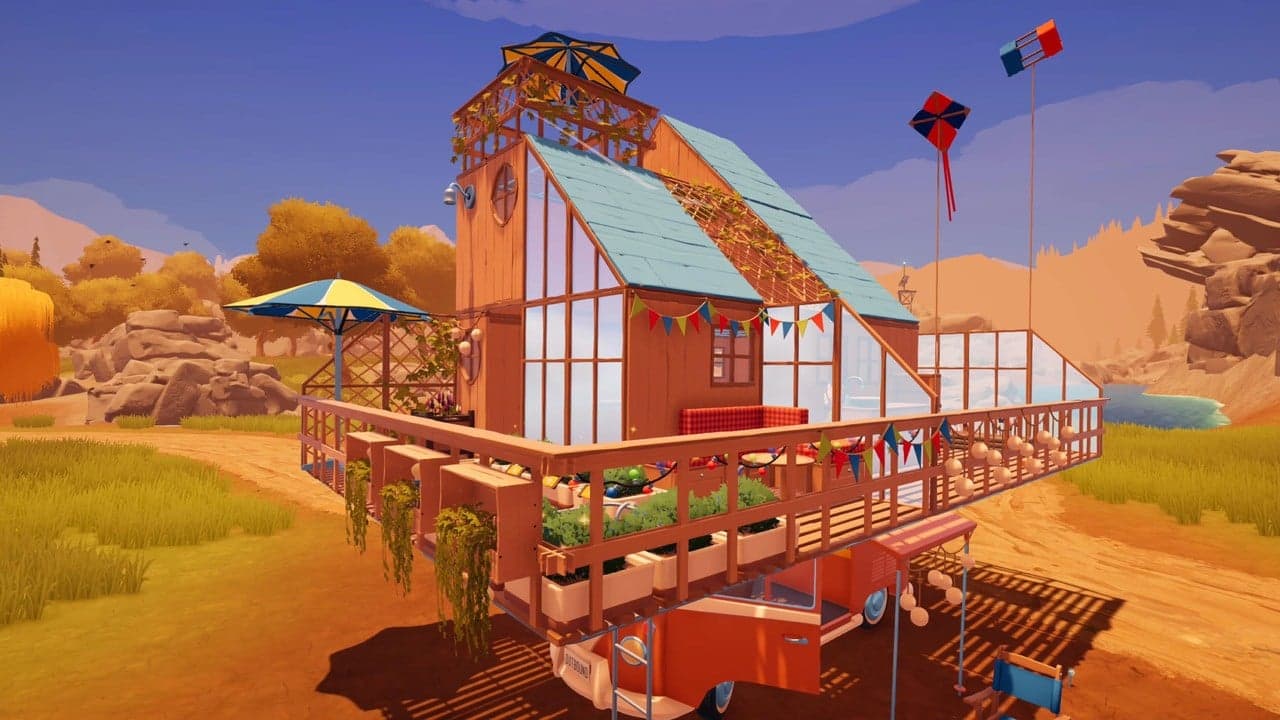
Farming in Outbound covers mobile garden beds on the camper van, confirmed crops (wheat, tomatoes, carrots, herbs, berries, mushrooms), watering mechanics, greenhouses, growth cycles, automated farming, biome effects, multiplayer gardens, and the connection to cooking.
Complete guide to Outbound's grid-based inventory system, covering the player backpack, camper van storage, storage modules, dog companion carrying, weight upgrades, and co-op sharing.
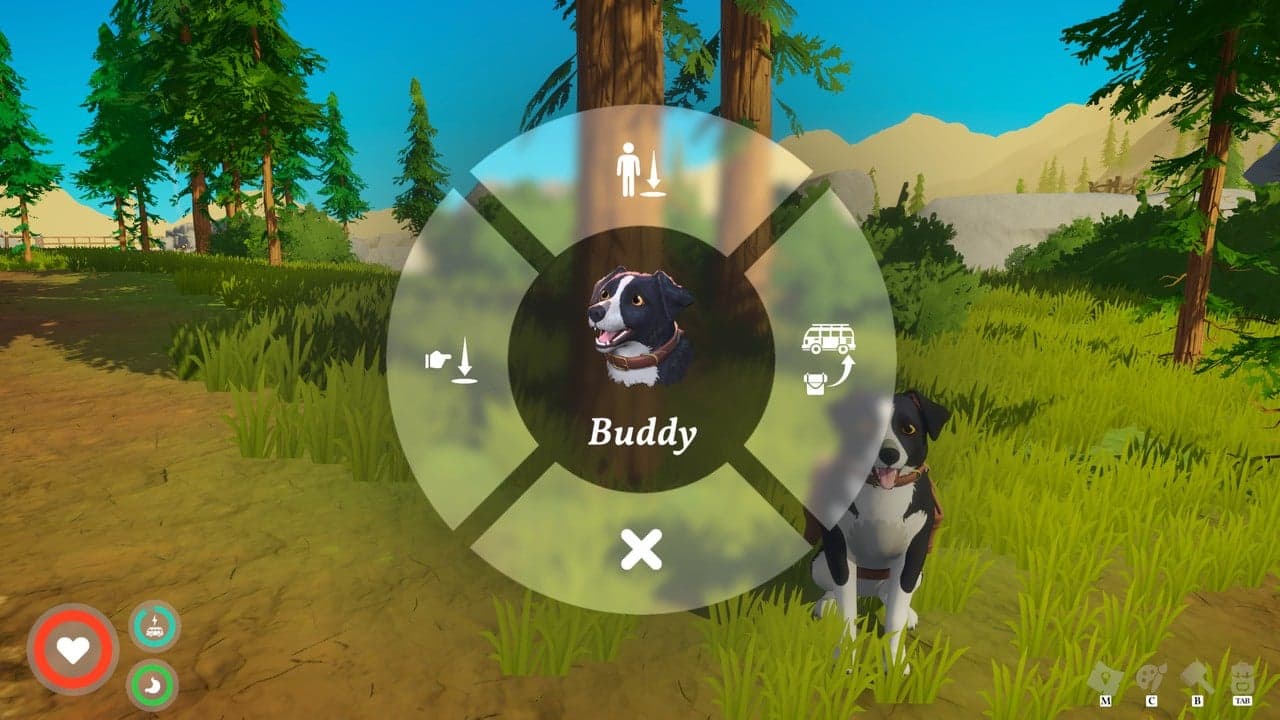
The dog companion in Outbound is a functional pet adopted from the Paws & Whiskers Lodge. Added as the seventh Kickstarter stretch goal, the dog fetches items, carries supplies, returns them to the vehicle, and responds to player commands.
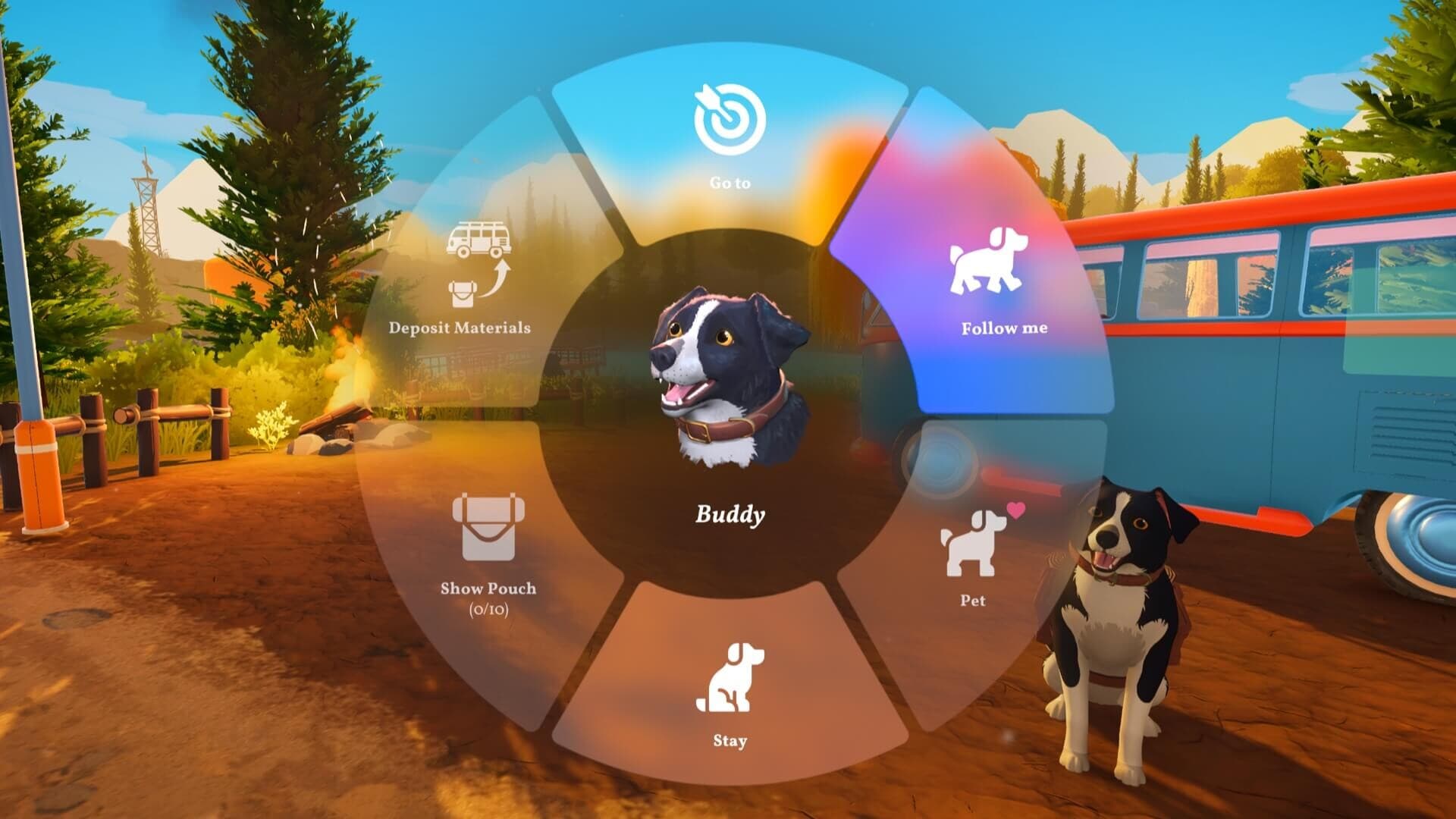
Overview of the pet and companion system in Outbound, centered on the optional dog companion adopted from Paws & Whiskers Lodge with five skin options and helpful abilities.
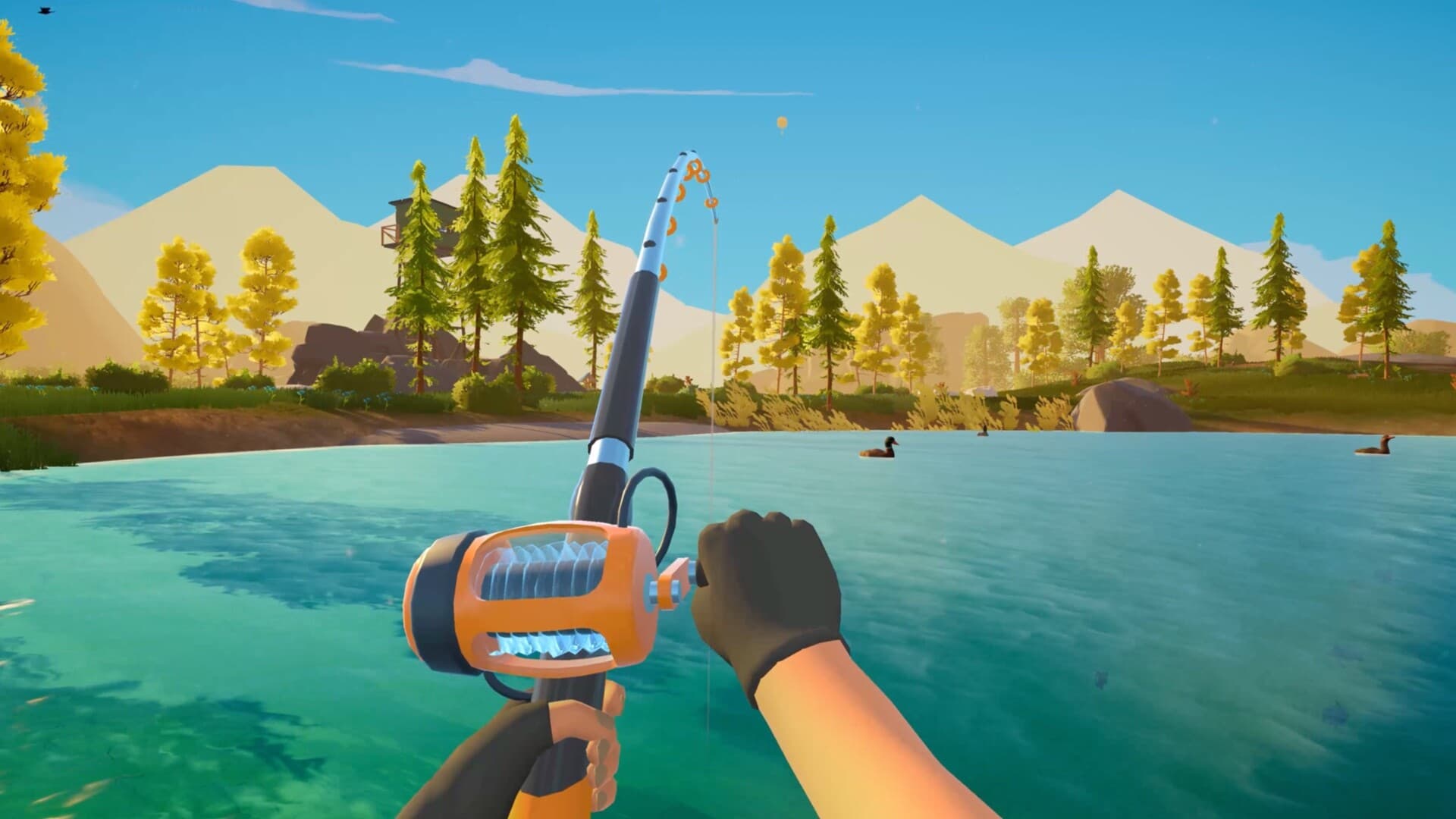
Fishing is a peaceful minigame activity in Outbound, unlocked as the fourth Kickstarter stretch goal. Players catch fish at rivers, lakes, and coastal waters to use in the cooking system.
The beekeeping colony-management system in Outbound, unlocked as the fifth Kickstarter stretch goal. Players catch wild bees, build beehives on their camper van, manage colonies, and harvest honey for cooking and crafting.
Resources are the raw materials that fuel every system in Outbound. Players gather lumber, fibre, rocks, scrap metal, ores, food, and litter from the open world, then process them at workstations like the Sawmill, Recycler, Metal Smelter, and Spinning Wheel into refined materials for crafting, building, cooking, and energy production.
The technology tree in Outbound is the game's progression system, gating new recipes, workstations, building modules, and upgrades behind blueprints acquired from Signal Towers and Points of Interest using Download Vouchers earned through recycling.
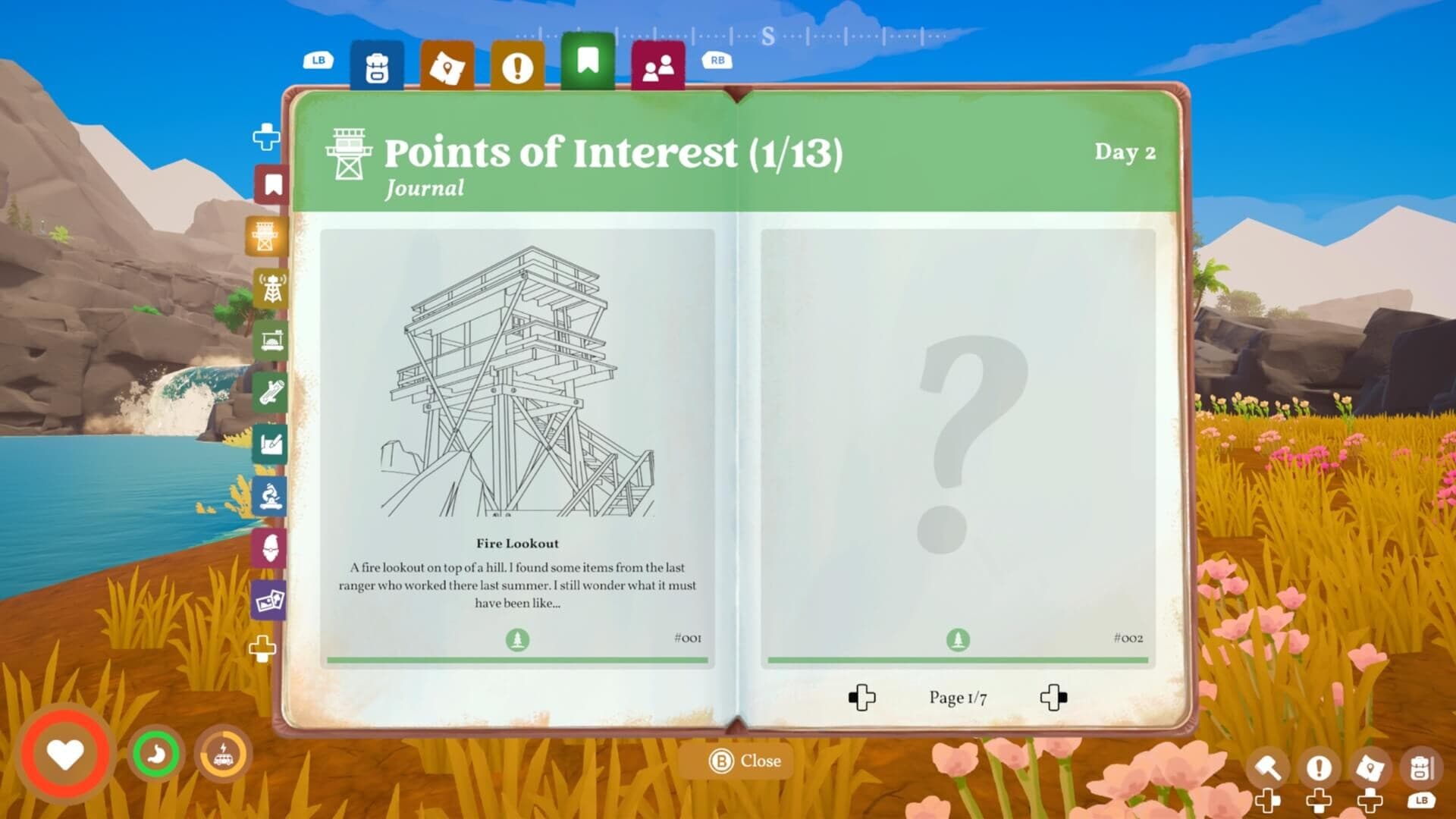
Collectibles in Outbound include cairns, gnomes, paintings, Cap n Snap blueprints, bobbleheads, bottle caps and campfires. Most lines have a completion milestone attached, and the map reveals their locations as you drive.
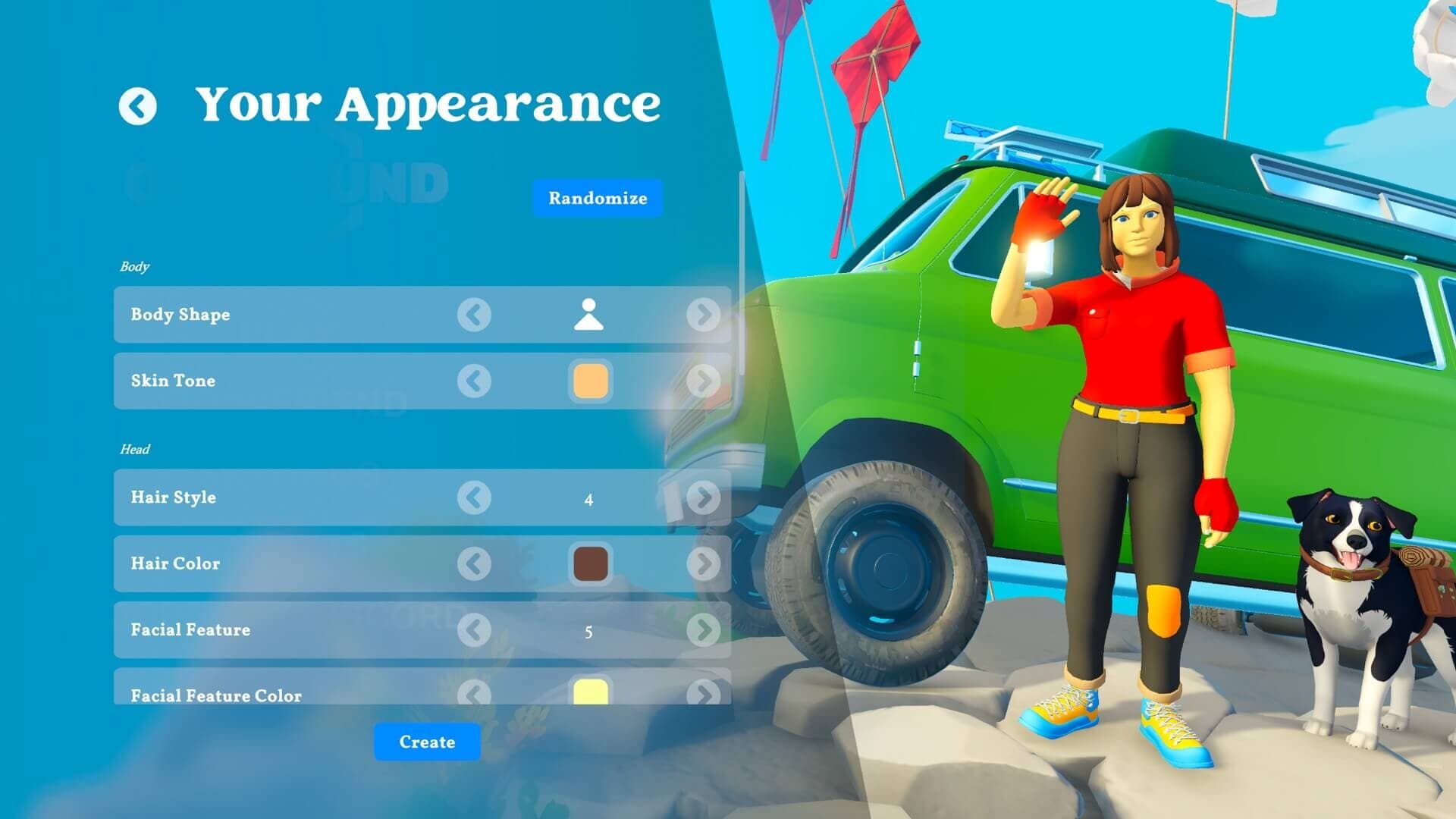
The character editor in Outbound is the in-game interface where players customize their explorer's body type, hairstyle, hair color, clothing, and skin tone. It was the tenth and final Kickstarter stretch goal, unlocked on the last day of the campaign.
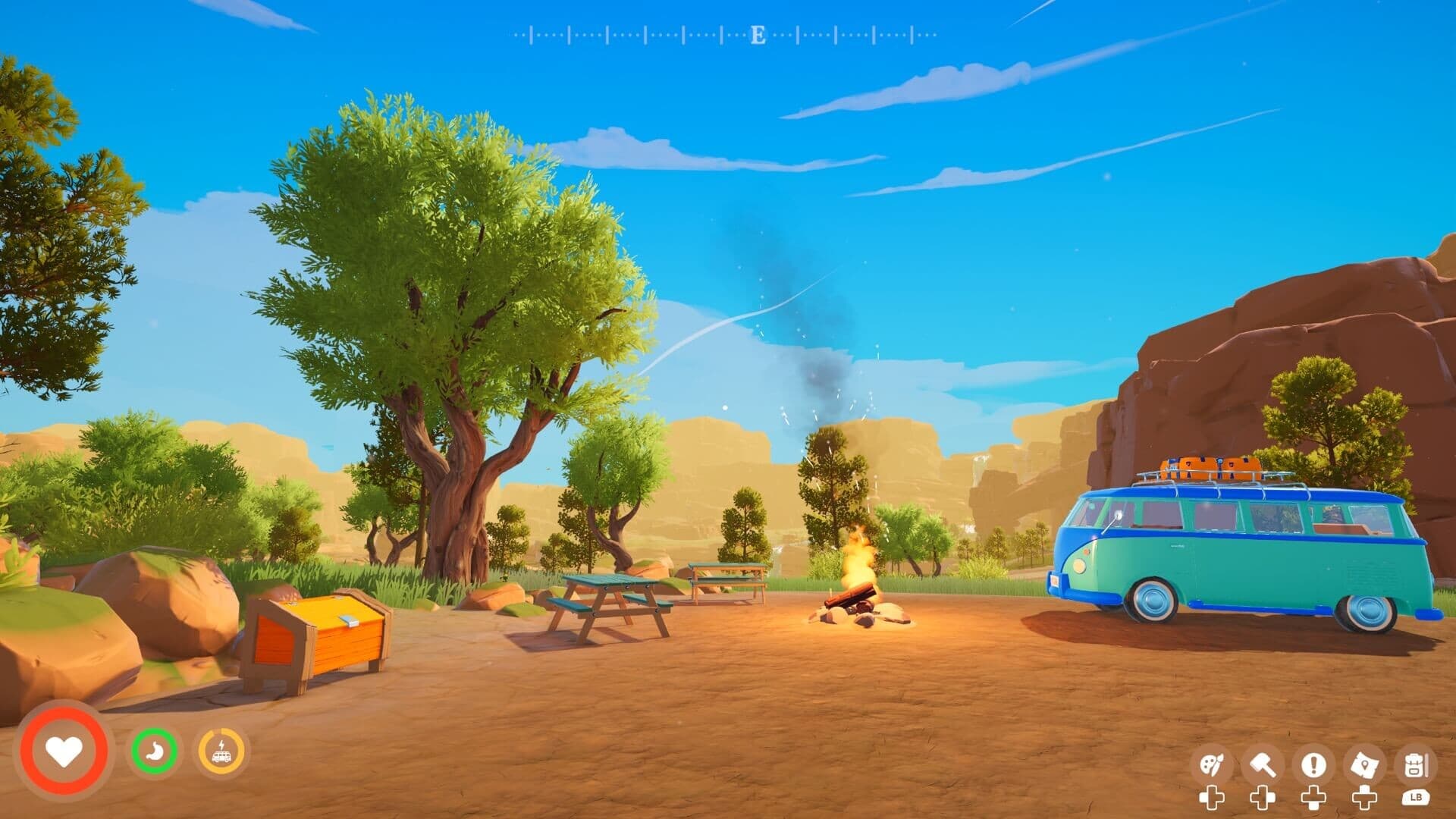
Sleep is the primary recovery mechanic in Outbound, restoring health and advancing the game to the next day. The dynamic day-night cycle affects sprinting, energy production, visibility, and available activities.
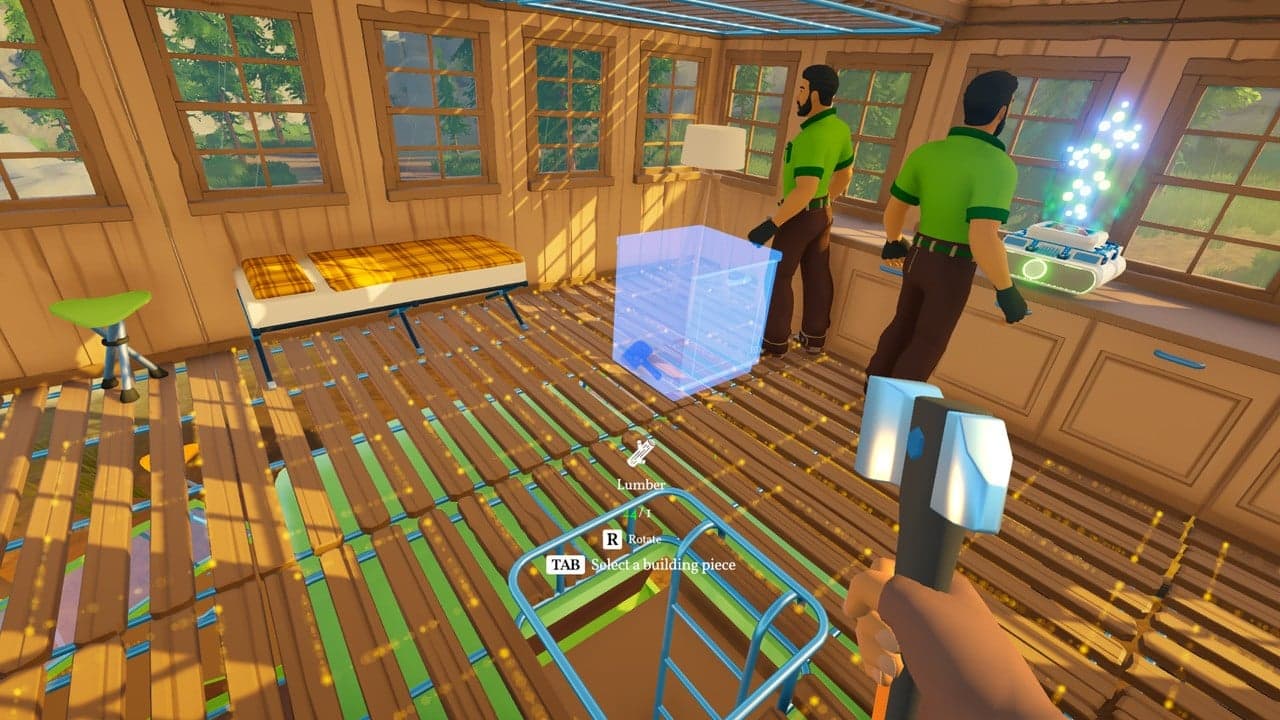
The building system in Outbound is a grid-based modular construction system that lets players transform an empty camper van into a personalized mobile home. Players place walls, furniture, workstations, and decorations inside the van, on the exterior, and on the rooftop, with all structures folding into compact boxes for travel.
Setting up camp, building campfires, outdoor cooking, and resting at scenic locations in Outbound.
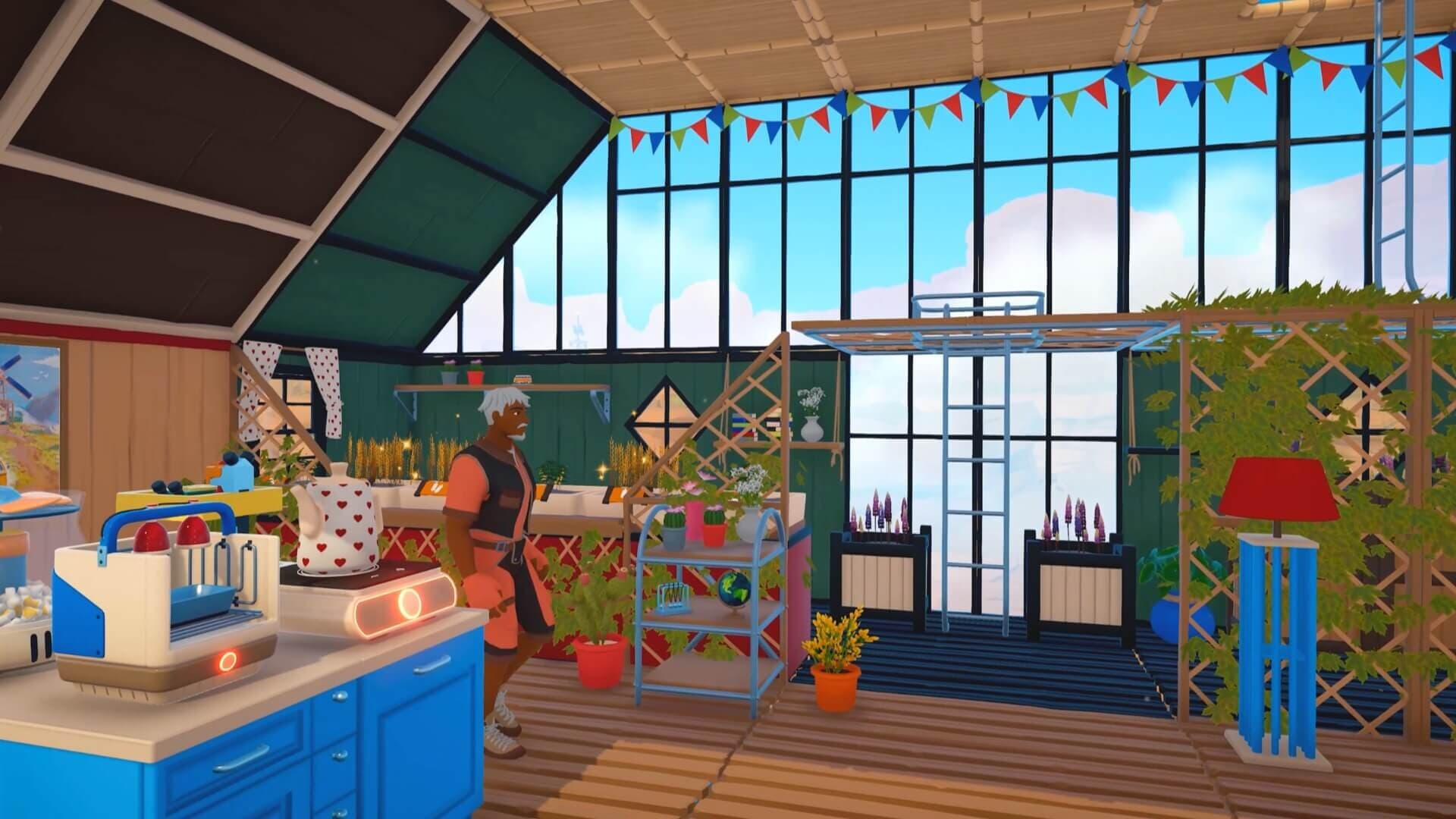
Outbound's cooking system turns foraged, farmed, and fished ingredients into meals at van-mounted stations like the Food Processor, Cooking Pot, and Baking Oven.
How Outbound handles NPCs, dialogue, and quest-giving. The game has no human NPCs, no quest log, and no dialog trees, leaning on animal companions, landmarks, and environmental storytelling instead.
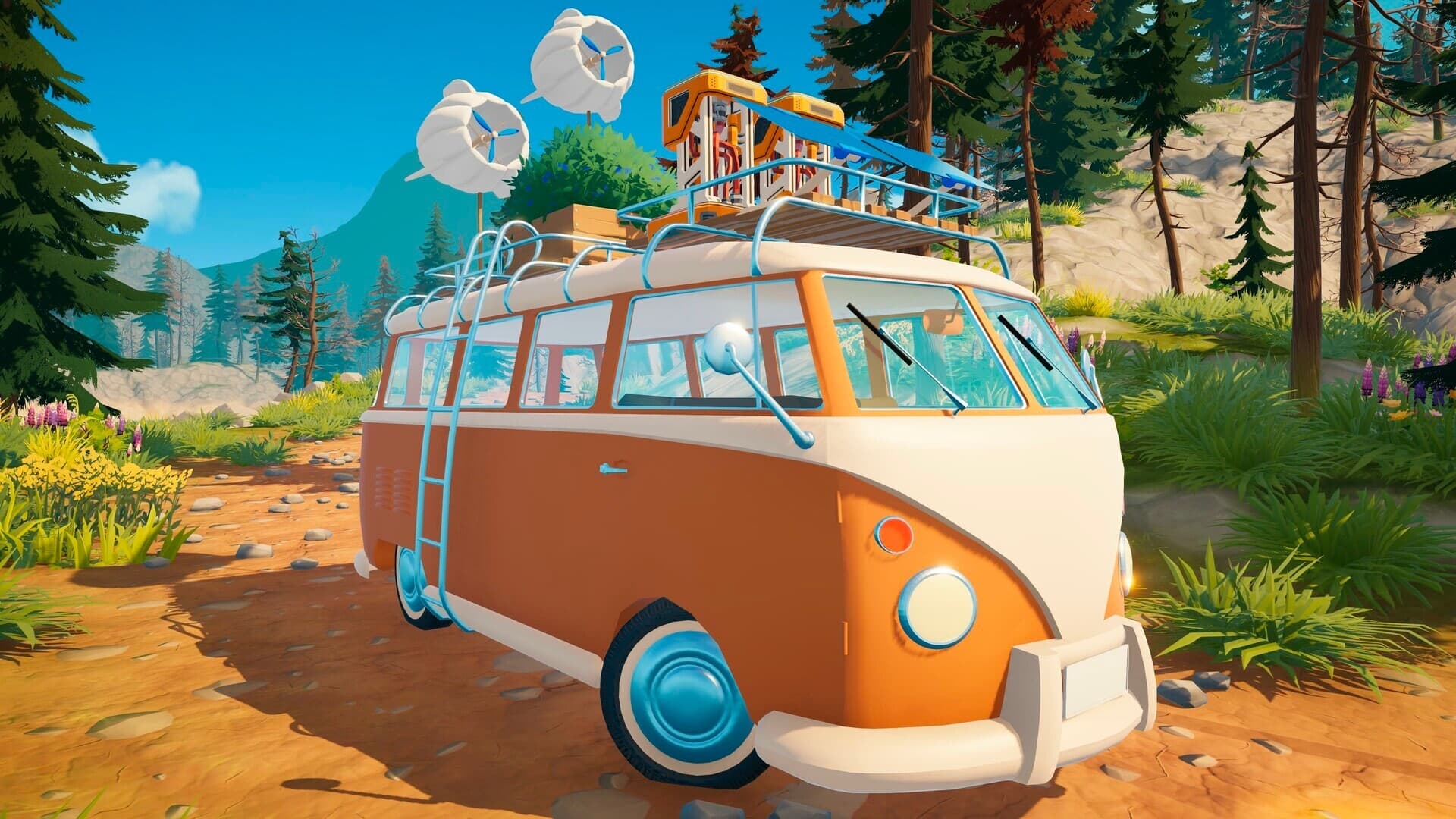
The camper van is the central element of Outbound, serving as the player's vehicle, home, workshop, and mobile farm. It has a modular building system, fold-away travel mechanic, pop-up second floor, and electric motor powered by renewable energy.
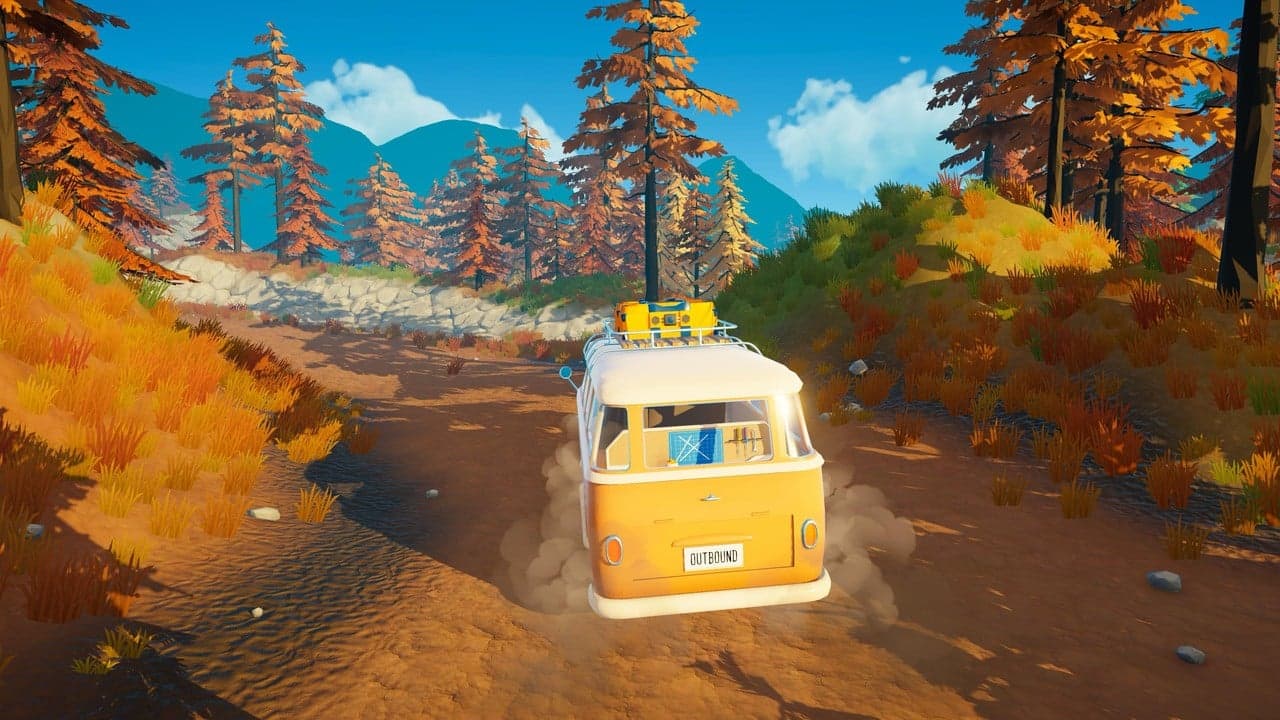
Driving is the primary traversal method in Outbound. Players operate an electric camper van powered by a shared battery, managing motor heat and weight while navigating diverse terrain across the game's biomes.
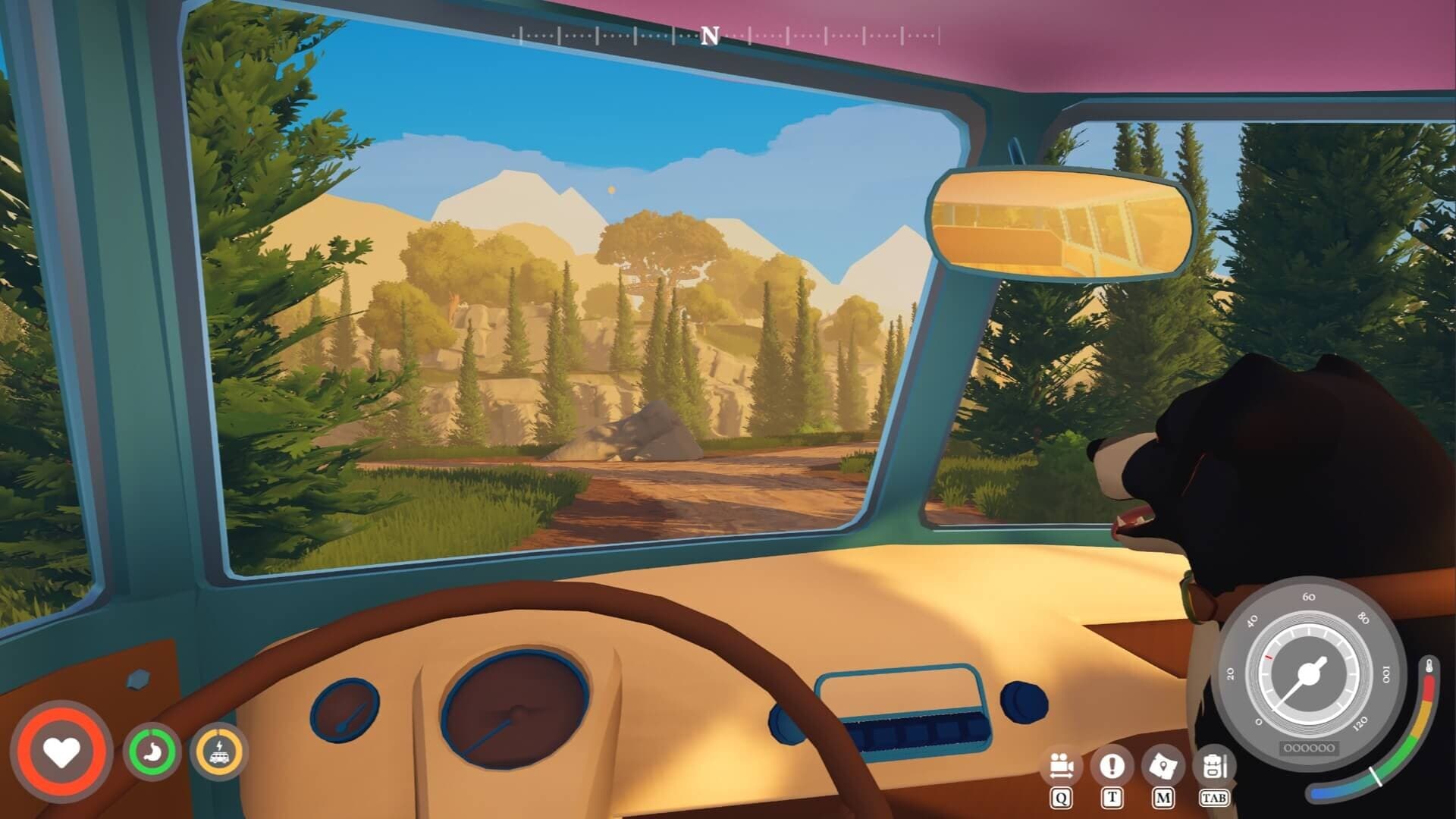
Outbound is played in first person on foot, and drivers can switch between a first-person cockpit camera and a third-person exterior view of the camper van.
Outbound's 'cozyvival' survival mechanics include hunger and health bars with gentle consequences, van battery management, and no permanent death. Designed to provide structure without punishment.

Exploration is a core gameplay pillar of Outbound. Players traverse a seamless open world by camper van and on foot, discovering Signal Towers, landmarks, collectibles, and environmental storytelling across diverse biomes.
Outbound includes leisure activities funded as Kickstarter stretch goals: fishing, beekeeping, kite flying, camping, tire inflation, and more. These provide relaxation alongside core gameplay.
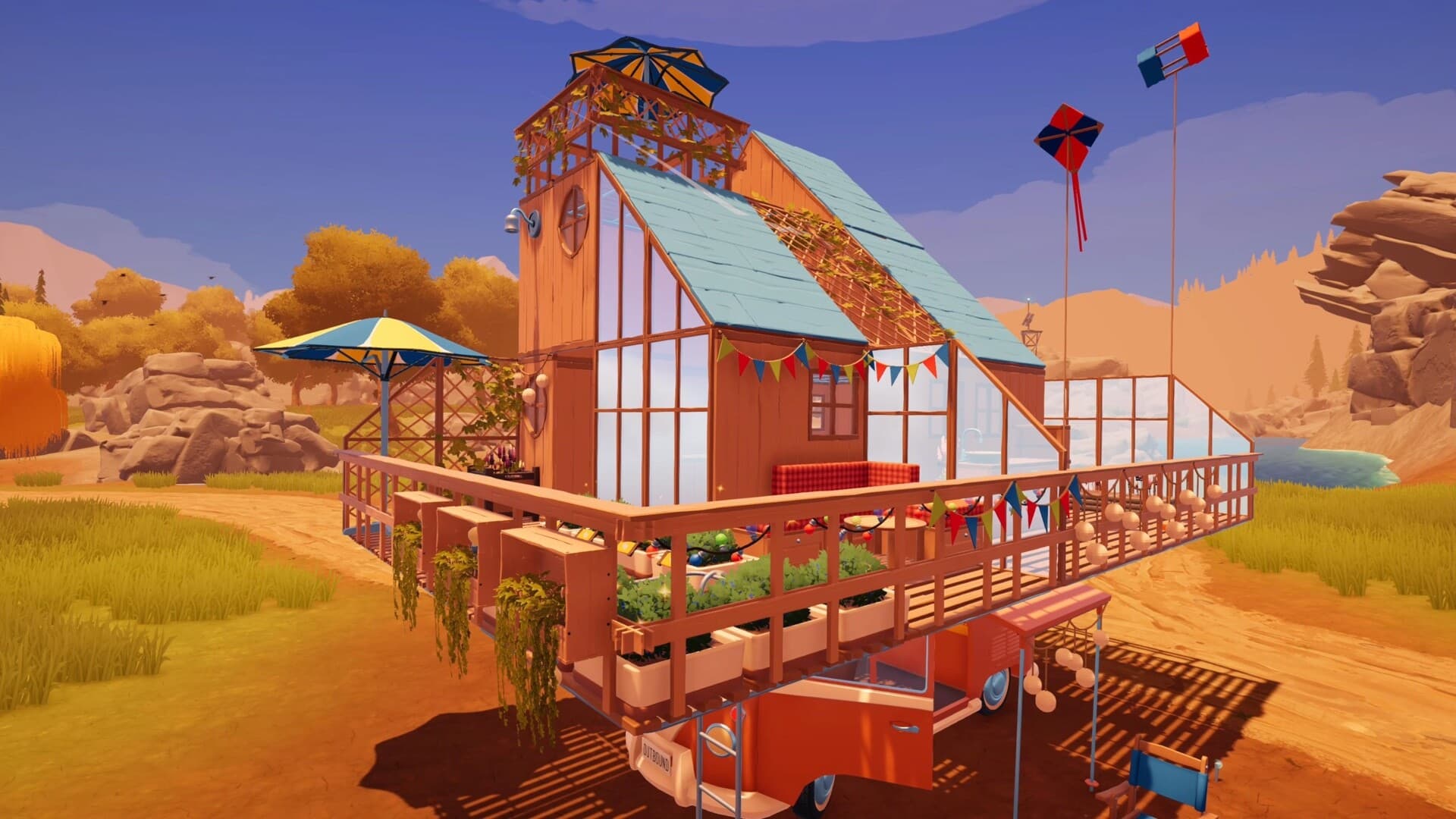
Kite flying is a leisure activity in Outbound funded as the Cozy Kites Kickstarter stretch goal. Players craft kites and fly them in open areas, with wind and weather dynamically affecting kite behavior. The feature has no gameplay benefit and exists purely for relaxation.
Encumbrance in Outbound occurs when the player's backpack inventory is full. Being encumbered disables sprinting but does not prevent movement, keeping the game's cozy tone while encouraging smart inventory management.