

Overview
The camper van is the centerpiece of Outbound. It is your home, workshop, garden, and vehicle all in one. A well-designed layout makes crafting faster, energy management easier, and daily routines smoother. This guide covers everything you need to know about planning, building, and optimizing your mobile base.
The Modular System
Outbound uses a grid-based modular building system. Every element inside and on top of the van snaps to a grid, allowing precise placement. Modules include workstations (Crafting Table, Cooking Pot, Baking Oven, Food Processor, Recycler), storage containers, garden beds, furniture, decorations, and energy generators. Players unlock new module types by spending Download Coupons at Signal Towers.
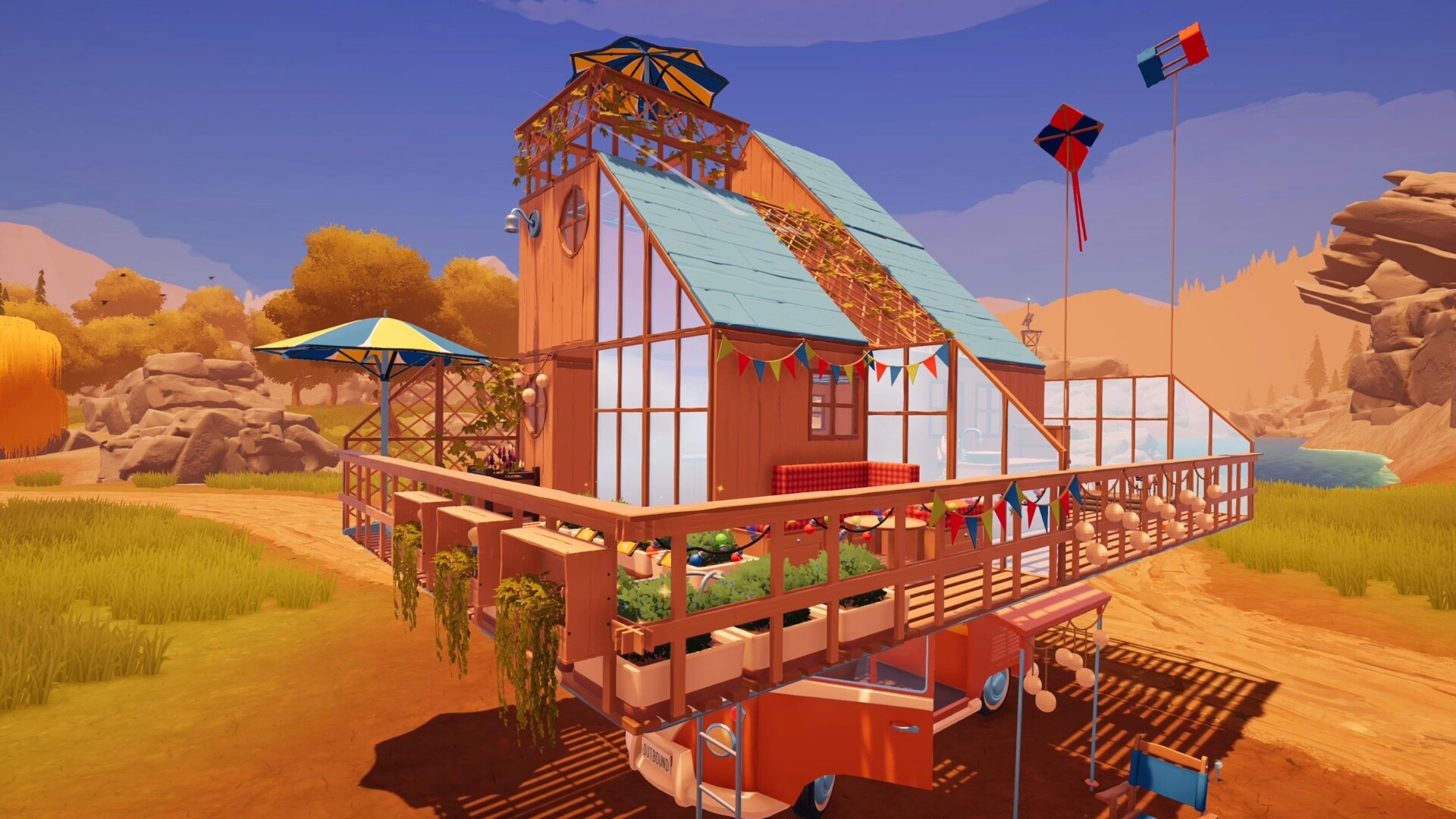
Multi-Floor Expansion
The van is not limited to a single floor. Players can build upward, adding platforms and modules on the roof and even stacking additional levels. This vertical expansion is essential for fitting everything you need as your blueprint collection grows. The multi-floor system was highlighted in developer communications as one of the game's defining building features.
Interior Strategy
Group the Crafting Table, Recycler, and storage containers together for efficient resource access.
Place the Cooking Pot, Baking Oven, and Food Processor in a separate corner to keep food crafting organized.
Leave clear walkways between functional zones so you can navigate the interior quickly.
Garden beds can go indoors; placement does not affect crop growth.
In co-op, consider that multiple players will be moving inside simultaneously. Wider walkways prevent congestion.
Rooftop Planning
The roof is prime space for energy modules and vertical expansion. Solar panels need unobstructed sky above them. Wind turbines benefit from height. If you want to build upward, designate one side of the roof for energy generation and the other for platforms and living space.
Energy-Efficient Design
Start with the Bio Burner (already installed), then add solar as your first upgrade.
Pair solar with a wind turbine for 24-hour coverage: solar by day, wind at night and during storms.
Consider your current biome: forested areas favor biomass, open plains favor wind, coasts favor water generators.
Upgrade battery capacity through Signal Tower blueprints to buffer against weather changes.
Every workstation draws power. Do not install more stations than your energy setup can sustain.
The Fold Mechanic
Everything you build folds into compact boxes when you drive. Nothing breaks, nothing is lost, and nothing needs to be disassembled manually. When you park, everything unfolds back into position. This means experimentation has zero cost: try a layout, drive somewhere, and if you do not like it, rearrange at your next stop. The best van designs evolve over time as you unlock new blueprints and discover what works for your playstyle.
Compacting for Travel
The fold mechanic is not just a convenience feature; it affects gameplay. A heavily built van with many modules and multiple floors is heavier, which impacts driving speed and handling. There is a practical tradeoff between building the most feature-rich home possible and maintaining a van that drives well. Some players prefer lean, efficient builds; others prioritize maximum functionality and accept slower travel.
Building Tips
Start functional: workstations first, decorations later. You can always add aesthetic touches once your core systems are running.
Plan your roof before you build high. It is harder to rearrange vertical builds than ground-level ones.
Visit Signal Towers regularly to check for new building blueprints. Each tower has a different selection.
The Building Plus stretch goal added expanded building options, so the full release will have more module variety than the demo.