

Party System
Complete guide to the adventuring party system in Crimson Desert. Covers how to unlock companions, summon and gather party members, switch between playable characters, companion AI combat behavior, gear and skill management, quest restrictions, and strategic tips for using the party effectively.
On This Page
Overview
The Party System is a core mechanic in Crimson Desert that allows players to form an adventuring group with up to three playable characters. Rather than controlling a single hero at all times, you can summon your companions to fight alongside you, ride their own horses, and engage enemies using their own gear and abilities. The system transforms open-world exploration and combat encounters from a solo experience into a cooperative group effort, even though Crimson Desert is a single-player game.
The three playable characters are Kliff, Damiane, and Oongka. Kliff is the protagonist and is available from the start. Damiane and Oongka unlock at specific points during the main story. Once all three are unlocked, you can form a full party of three and switch between them freely while exploring the world of Pywel. Party members follow you automatically, engage enemies on their own through AI, and can be directly controlled at any time with a quick character swap.
The party system is designed primarily for open-world exploration, faction base clearing, and side content. It makes large-scale encounters with dozens of enemies far more manageable, since your companions draw aggro, deal damage independently, and create openings for you to exploit. However, the system comes with important restrictions: main story quests and boss fights require you to disband the party and play solo.
Unlocking Companions
Before you can form a party, you need to unlock Damiane and Oongka as playable characters. Both unlock through main story progression, though Oongka requires an additional side quest before he becomes permanently available.
Damiane
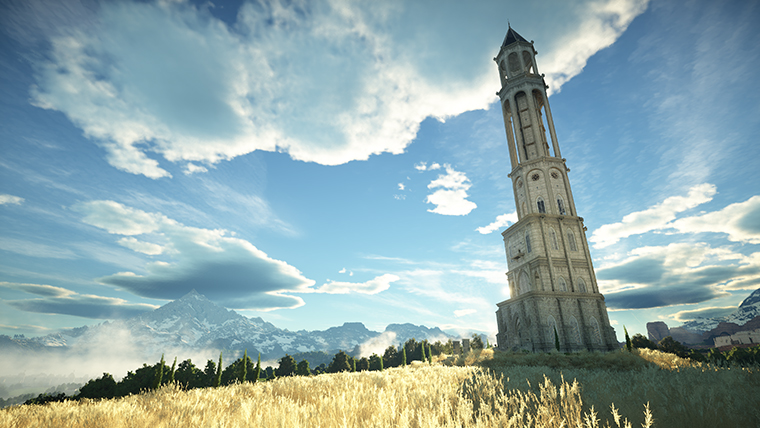
Damiane becomes a playable character during Chapter 3 of the main story. After completing the End of Greed questline and establishing the Greymane Camp at Howling Hill, Marshall Middler introduces you to Damiane, and she joins the Greymanes. From this point onward, Damiane is permanently available as both a playable character and a party companion. She specializes in rapiers, shields, and firearms, offering a fast and agile playstyle that complements Kliff's more versatile combat approach.
Oongka
Oongka first appears earlier in the story, and you briefly play as him during Chapter 7 when Kliff is incapacitated during the Myurdin boss fight inside Ashclaw Keep. After this sequence, Oongka is locked again and cannot be summoned. To unlock him permanently, you must complete the side quest "Gentle Sound of Flowing River". This faction quest becomes available after Chapter 7 and tasks you with helping Oongka resolve a personal matter. Once completed, Oongka joins your roster for good. He wields massive axes and arm cannons, playing as a heavy-hitting tank who can shatter enemy defenses.
Character | Unlock Point | Requirements | Combat Style |
|---|---|---|---|
Prologue | Available from the start | Versatile: swords, magic, gadgets, ranged weapons | |
Chapter 3 | Complete End of Greed and establish Greymane Camp | ||
Chapter 7 (temporary), then permanent via side quest | Complete "Gentle Sound of Flowing River" after Chapter 7 |
How to Summon and Gather Party Members
Once you have unlocked at least one companion, you can summon them to form a party at almost any point while exploring the open world. There are two primary methods for bringing companions to your side.
Using the Character Wheel
Hold Up on the D-Pad (controller) or F1 (keyboard) to open the Characters and Mounts wheel menu. Use the right stick (or mouse) to highlight the character you want to summon, then press X/A (controller) or Space (keyboard) to confirm. After a brief moment, the selected companion will appear at your location and begin following you. Repeat the process to summon additional companions if you have more than one unlocked.
Using the Gather Command
For a faster approach, hold Start/Options and scroll to the Gather option on the right side of the menu. Selecting Gather will immediately summon all available companions to your location at once. This is the quickest way to assemble your full party without summoning each character individually.
Disbanding the Party
To send your companions away, open the character wheel again (Up on D-Pad or F1) and select the companion you want to dismiss. Press Space or A to disband them. You can dismiss companions one at a time or all at once. Disbanding is necessary before starting main story quests or entering boss encounters, since the game will prompt you to dismiss your party if you approach these activities with companions active.
Switching Between Characters
One of the most powerful aspects of the party system is the ability to switch between playable characters on the fly. Once your party is assembled, you can take direct control of any companion instantly, similar to switching characters in games like Grand Theft Auto.
Quick Switch
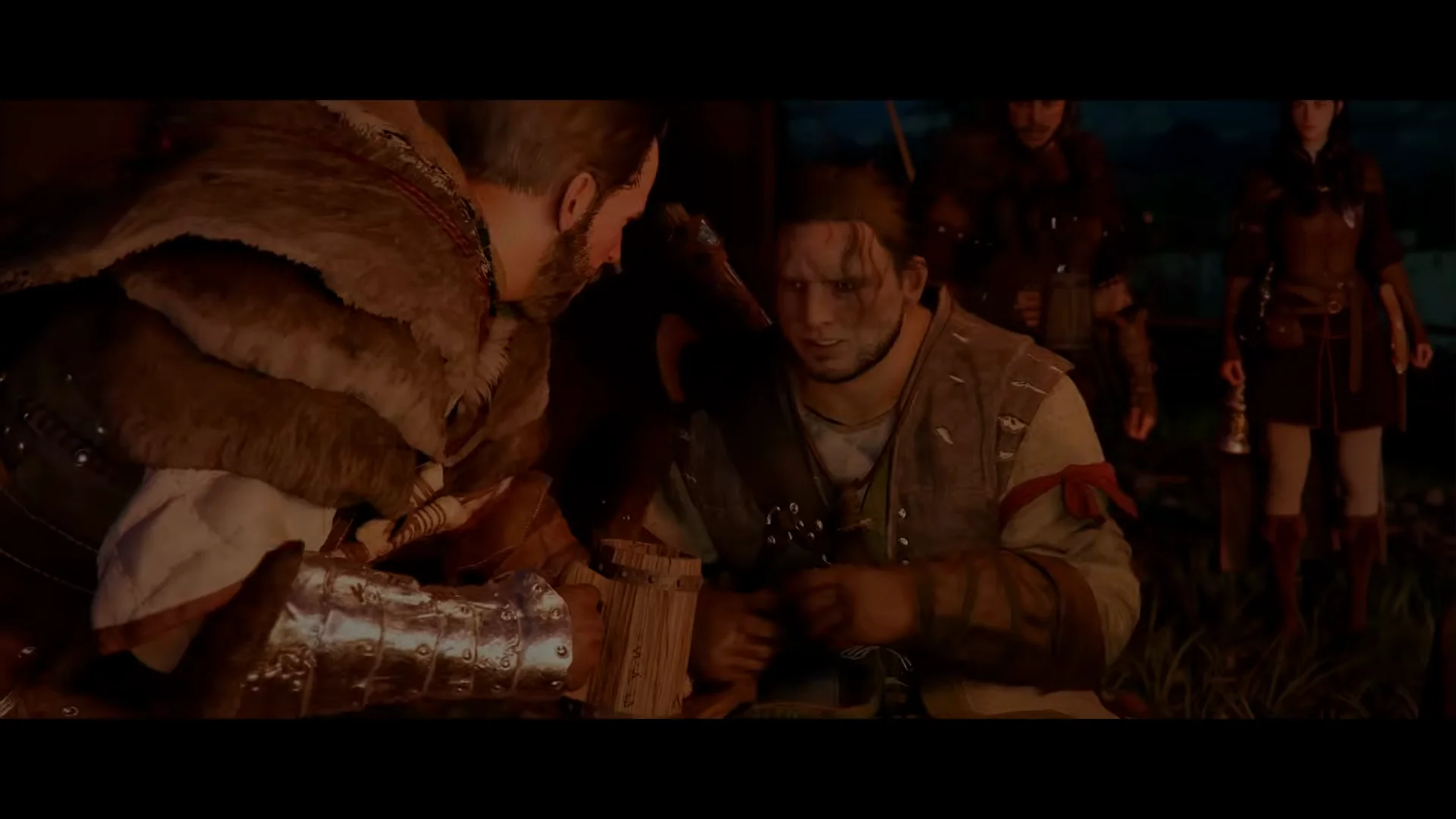
Press Up on the D-Pad (controller) or F1 (keyboard) to cycle through your available party members. The switch happens almost instantly with no loading screen, allowing you to change characters mid-combat or while traveling without any interruption to gameplay. The character you were previously controlling becomes an AI companion and continues fighting or following on their own.
When to Switch
Switching characters mid-encounter is a strong tactical tool. If Kliff is low on health, you can swap to Damiane or Oongka while Kliff recovers under AI control. Each character has different strengths, so switching lets you adapt to the situation. Oongka excels at breaking through armored enemies with his heavy attacks, while Damiane can use her agility to flank and deal quick damage. Kliff offers the most versatile toolkit with access to magic, swords, and ranged weapons.
Companion AI Behavior
When you are not directly controlling a companion, they operate under AI control. The companion AI handles movement, targeting, and ability usage automatically. Understanding how the AI behaves helps you get the most out of your party.
Combat Behavior
Automatic Engagement: Companions detect and engage nearby enemies without any input from you. When combat begins, they choose targets and attack using their equipped weapons and abilities.
Aggro Distribution: Party members draw enemy attention away from the character you are controlling. This is especially valuable during large encounters with 50 or more enemies, since spreading aggro across three characters prevents you from being overwhelmed.
Independent Damage: Companions deal real damage based on their own equipped gear and invested skills. They can and will defeat enemies on their own, though their AI is not as efficient as a human player.
Recovery After Defeat: If a companion is knocked down during combat, they recover automatically once the encounter ends. Companions cannot permanently die.
Exploration Behavior
Following: Outside of combat, companions follow the character you are controlling. They maintain a reasonable distance and keep pace with you.
Mounted Travel: Each companion rides their own horse when you mount up. The entire party travels on horseback together, making long-distance travel across Pywel feel like an actual group expedition.
World Interaction: Companions occasionally comment on the environment and react to world events, adding ambient dialogue that enhances the sense of traveling with a real group.
Gear, Skills, and Shared Resources
Each character has their own equipment loadout and skill tree, but several important resources are shared across the entire party. Managing these shared resources carefully is critical, especially in the early and mid game when Abyss Artifacts are scarce.
Resource | Shared or Separate | Details |
|---|---|---|
Separate | Each character uses specific weapon types. Kliff uses swords, bows, and gadgets. Damiane uses rapiers and firearms. Oongka uses axes and arm cannons. Weapons cannot be swapped between characters. | |
Separate | Each character equips their own armor pieces. Different characters may benefit from different armor sets. | |
Skill Trees | Separate | Each character has a unique skill tree. Investing points into Kliff's Marksmanship does not affect Damiane's or Oongka's Marksmanship level. |
Shared pool | All three characters draw from the same pool of Abyss Artifacts for skill point investments. Spending artifacts on one character means fewer available for the others. | |
Shared base stats | Base health, stamina, and spirit levels are shared across all characters. Upgrading these stats benefits the entire party. | |
Inventory | Shared | All three characters share a single inventory. Items, materials, and consumables are accessible regardless of which character you are controlling. |
Skill Investment Strategy
Because Abyss Artifacts are a shared and finite resource, it is generally recommended to focus your investments on Kliff first, since he is required for all main story content and boss fights. Once Kliff's key abilities are upgraded and you have artifacts to spare, begin investing in Damiane and Oongka to improve their effectiveness as party companions. Spreading your artifacts too thin across all three characters early on will leave everyone underpowered.

Important warning: resetting the skill tree of one character also resets the skill trees of the other characters. Plan your builds carefully to avoid losing progress across the entire roster.
Restrictions and Limitations
The party system is intentionally restricted in certain areas of the game to maintain narrative focus and difficulty balance during critical story moments. Understanding these restrictions will save you time and frustration.
Restriction | Details |
|---|---|
Main Story Quests | Companions cannot accompany you during main story missions. The game displays a prompt saying this is a character-specific story segment, and you must disband your party before proceeding. This applies to all main quest objectives. |
Boss Fights | Boss encounters must be tackled solo. Even if you have a party active while exploring, you will be required to dismiss your companions before engaging a boss. |
Character-Specific Quests | Some quest locations and objectives are restricted to a specific character. For instance, certain story moments are labeled as "Kliff's story" and cannot be progressed while in party mode. |
Puzzle Sections | Companions cannot solve environmental puzzles for you. Puzzle segments generally require solo play. |
Temporary Unavailability | At certain points in the story, companions may be temporarily unavailable for summoning. This typically happens during narrative sequences where a companion is involved in a separate storyline. |
When to Use the Party
The party system shines in specific gameplay scenarios. Knowing when to summon your companions and when to go solo will help you make the most of this mechanic.
Best Situations for Party Mode
Open-World Exploration: Having companions active while roaming Pywel provides a constant safety net against random enemy encounters. Bandits, wildlife, and hostile faction patrols are far less threatening when you have two allies drawing fire and dealing damage.
Faction Base Liberation: Clearing faction-controlled outposts and encampments is one of the primary uses for the party system. These locations often feature large groups of enemies (sometimes 50 to 60 at once), and having companions to split aggro makes these fights significantly easier.
Side Content and Faction Quests: Most side quests and faction quests allow companions. Bringing your party along speeds up combat-heavy side content and reduces the difficulty of tougher optional encounters.
Material Gathering Runs: When exploring dangerous areas to collect crafting materials or other resources, having companions active means you can focus on gathering while they handle any enemies that wander into range.
When to Go Solo
Before approaching any main story quest marker, disband your party to avoid the dismissal prompt.
Before entering a known boss arena, dismiss companions since you will be forced to fight alone regardless.
If you want a greater challenge during optional content, going solo keeps the difficulty higher and can make side encounters more rewarding to overcome.
Controls Reference
Action | Controller | Keyboard |
|---|---|---|
Open Character Wheel | Hold Up on D-Pad | F1 |
Summon Companion | Select character on wheel, press X/A | Select character on wheel, press Space |
Switch Character | Press Up on D-Pad | F1 |
Gather All Companions | Hold Start/Options, select Gather | Hold Start/Options, select Gather |
Disband Companion | Open Character Wheel, select companion, press A | Open Character Wheel, select companion, press Space |
Tips and Tricks
Summon your party as soon as you finish a main story quest and return to the open world. There is no penalty for having companions active, and the extra firepower makes everything easier.
Switch to a fresh character when your current one is low on health during a fight. The AI will keep the wounded character alive while you continue dealing damage with someone else.
Prioritize equipping your companions with decent gear even if they are AI-controlled. Companions deal damage and take hits based on their own equipment, so neglecting their loadouts weakens your entire party.
Invest in Oongka's super armor and healing skill nodes to make him a durable frontline tank. A well-built Oongka can absorb huge amounts of punishment while you and Damiane focus on dealing damage.
Use Damiane's Shield Throw ability to stun groups of enemies. When controlled by AI, she uses this skill automatically, which creates openings for your other characters to land heavy attacks.
Keep a habit of dismantling or selling surplus weapons and armor rather than hoarding them. Since inventory space is shared across all three characters, clutter from one character affects everyone.
When approaching a location that might trigger a main story quest, look for the notification prompt. If you see a message about the area being a character-specific story moment, disband your party before entering.
Remember that Abyss Artifacts are shared. If you find yourself short on skill points for your companions, focus on farming artifacts through challenges, world bosses, and exploration before spreading your investments across multiple characters.
See Also
Companions
Kliff
Damiane
Oongka
Tips and Tricks
Skills
Equipment
Faction Quests