

Professions
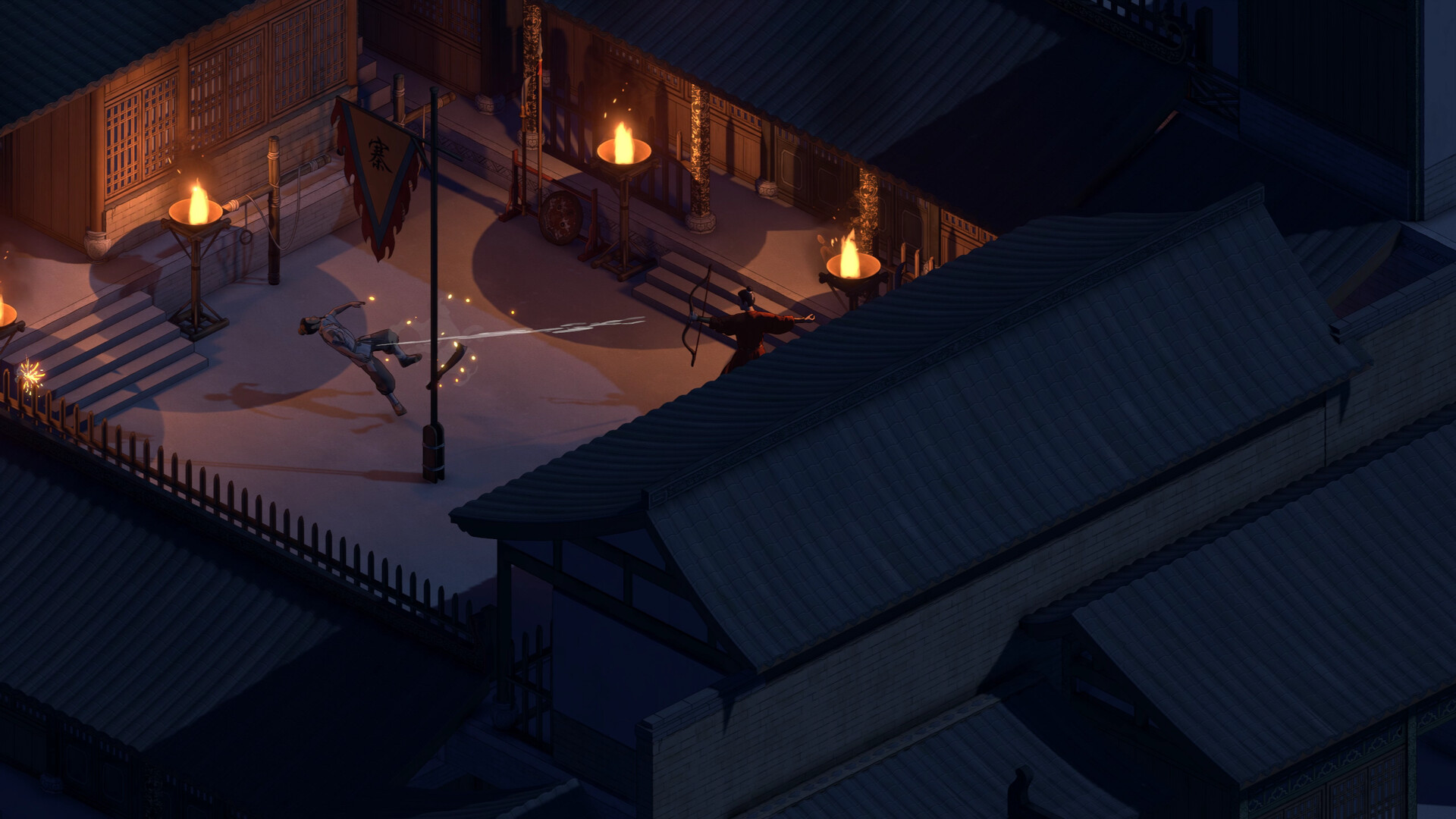
The Bustling World offers six professions that players can take on from the early stages of the game: shopkeeper, chef, porter, farmer, miner, and logger. Each one provides a different way to earn income and gather resources. These are not mutually exclusive. Players can switch between professions or practice several at once, though each requires time and attention to do well.
A farmer grows crops and tends animals. A miner extracts ore that feeds the metallurgy system. A logger harvests timber used in construction. A chef turns raw ingredients into meals. A porter hauls goods between locations. A shopkeeper manages retail operations. The professions are designed to interlock. A farmer's crops supply a chef's kitchen. A miner's ore goes to a blacksmith's forge. A logger's wood becomes a builder's raw material.
This interconnection means that players focused on business management can either do the raw gathering themselves or purchase materials from NPCs and other sources through the game's dynamic economy. The choice between self-sufficiency and trade is a real strategic decision that depends on how the player wants to spend their time.
Crafting Disciplines
Three primary crafting disciplines exist: cooking, textile weaving, and metallurgy (smelting). The developers describe these as "authentic ancient Chinese handicrafts," and each has its own set of recipes, tools, raw materials, and skill progression.
Cooking uses harvested crops, hunted meat, foraged ingredients, and animal products to prepare meals. Recipes range from simple rice dishes to elaborate multi-course feasts. Cooking is both a profession and a competitive activity. Cooking competitions pit the player against NPC chefs, testing recipe knowledge and technique.
Textile weaving transforms raw fibers, silk, and dyed materials into clothing and fabric goods. The output connects to shops, trade, and personal use. Clothing in the game reflects Tang and Song Dynasty fashion, so weavers produce historically grounded garments.
Metallurgy covers smelting ore into usable metals and forging those metals into tools, weapons, armor, and decorative items. This ties directly into the combat system since weapons are physical items that must be found, bought, or made. A player who masters metallurgy can equip themselves and their mercenary force without depending on outside sources.
From Hand-Crafting to Mass Production
Crafting progression follows a clear economic arc. Players start with manual hand-crafting, producing items one at a time with their own labor. Each item requires direct attention and time. As players advance and accumulate resources, they can hire skilled workers to handle production. Eventually, the system allows building full production lines where workers manage the crafting process while the player oversees operations.
This transition from solo artisan to factory owner is central to the life simulation experience. The hired workers are full NPCs with their own personalities and needs. They require wages, and their skill levels affect output quality. A skilled weaver produces finer cloth than an unskilled one. A master blacksmith forges better weapons than an apprentice. Staffing decisions have real consequences for product quality and business reputation.
The game treats this progression as a natural economic arc rather than a tech tree with gated unlocks. There is no artificial barrier that says "reach level 10 to hire workers." If you have the money and can find willing employees, you can scale up whenever you are ready.
Farming
The farming system includes over 60 plant varieties. Each plant has specific requirements for soil type, water level, and temperature. You cannot plant anything anywhere and expect it to thrive. A crop suited to wet lowland soil will struggle on a dry hillside. A warm-weather plant will not survive a northern winter.
Regional Climate and Trade
Regional climate differences across the game world mean that certain crops grow well in the warm south but fail in the cold north. This geographic constraint creates natural trade opportunities. A southern farmer with a surplus of rice can sell to northern regions where rice is scarce and expensive. Understanding what grows where is part of the economic game.
Farming output feeds into cooking recipes, can be sold at market for profit, or traded with other regions. The dynamic economy means crop prices fluctuate based on supply and demand. If every farmer in a region is growing the same crop, prices for that crop drop. A shrewd farmer pays attention to what others are producing and fills gaps in the market.
Farming can occupy most of your time if you want it to, but it also works as a background income source once you have workers managing the fields. The choice between hands-on farming and delegated agriculture mirrors the broader crafting progression from manual labor to managed production.
Animal Husbandry
Over 30 animal species populate the game world. Animals serve multiple practical purposes: they provide raw materials (meat, hides, wool), function as combat companions on the battlefield, and work as transportation for moving across the map (horses, oxen). Different species excel in different roles.
Breeding mechanics include mutation chances. Offspring are not always identical to their parents, and rare mutations can produce animals with unusual traits or abilities that neither parent exhibited. This introduces an element of unpredictability into animal management. A carefully managed breeding program might produce a war horse with exceptional stamina, or it might produce something unexpected.
Rare species can be discovered in the wild rather than bought from merchants or bred in captivity. Finding and taming these animals is its own activity, connecting to the exploration and combat side of the game since wild creatures are often hostile. Some animals are more useful in specific roles. A war horse differs from a draft horse. A guard dog differs from a herding dog. Matching animals to their ideal roles is part of optimizing your operation.
Business Management
Players can establish and manage a wide variety of businesses. Known types include restaurants, hotels, inns, pharmacies, banks, pawn shops, cloth shops, grain shops, and general retail shops. Each business type serves a different market and requires different inventory, staffing, and management approaches.
Running a business involves several layers of decision-making. You hire employees to handle daily operations. You set prices to balance profit margins against customer volume. You run promotions to attract customers during slow periods. You open branch locations to expand into new markets. The game also mentions using "cunning methods" to compete against rival businesses, which suggests sabotage, employee poaching, price wars, and other aggressive tactics are all available.
Economy and Supply Dynamics
Business success depends on the local economy and broader world conditions. A pharmacy in a region hit by disease does good business. A grain shop near fertile farmland enjoys cheap supply. A pawn shop in a war-torn area acquires valuable items from desperate sellers at low prices. These connections to the world simulation mean that running a business is not an isolated minigame but part of the larger sandbox. Events in the world affect your bottom line, and your business decisions affect the world in return.
The dynamic economy runs on supply and demand across the entire game world. Nearly 1,000 items can be traded, from raw materials to finished goods to rare artifacts. Prices depend on region, local demand, and the worldwide situation. Players who understand these patterns can profit from trade arbitrage, buying goods where they are cheap and selling where they are expensive.
Poison Crafting
A specialized craft exists around poison creation. One of the game's sects focuses specifically on developing different types of poisons. This appears to be both a crafting discipline and a faction-specific skill set, meaning players interested in poison crafting likely need to align themselves with this particular group to learn their recipes and techniques. Alternatively, players opposing this faction may find themselves on the receiving end of poisoned weapons and trapped supplies.
Building and Construction
The building system provides nearly 2,000 building components for free-form construction. These components are based on Tang and Song Dynasty architectural styles, giving buildings a historically grounded appearance. Players can construct homes, shops, workshops, military installations, and public buildings using these modular pieces.
Interior decoration draws from a separate pool of nearly 1,000 ancient items, including furniture, fine china, paintings, calligraphy scrolls, and other period-appropriate objects. Between exterior construction and interior decoration, players have roughly 3,000 distinct pieces to work with when designing their properties.
Building is not purely cosmetic. Constructed buildings function as business locations, NPC housing, military installations, and personal residences. The city management layer allows players to designate zones, build housing for incoming residents, and plan the layout of settlements they control. A well-designed city with logical zoning and attractive architecture draws more NPC settlers than a haphazard collection of buildings.
Competitive Events
Two crafting-related competitive events have been confirmed. Cooking competitions pit the player against NPC chefs in timed challenges that test recipe knowledge, ingredient selection, and technique. Luban building challenges test construction skill and creativity, named after Lu Ban, the legendary Chinese master carpenter and engineer.
Both events offer rewards and reputation gains. They function as tests of the player's mastery over their respective crafting systems. A player who has invested time in cooking can prove their skill in competition. A player who has mastered the building system can show off their architectural abilities. These events add a competitive dimension to what might otherwise be purely economic activities.
For how crafting and business fit into the broader sandbox, see the overview. The life simulation article covers the day-to-day living systems that these economic activities connect to.