

Overview
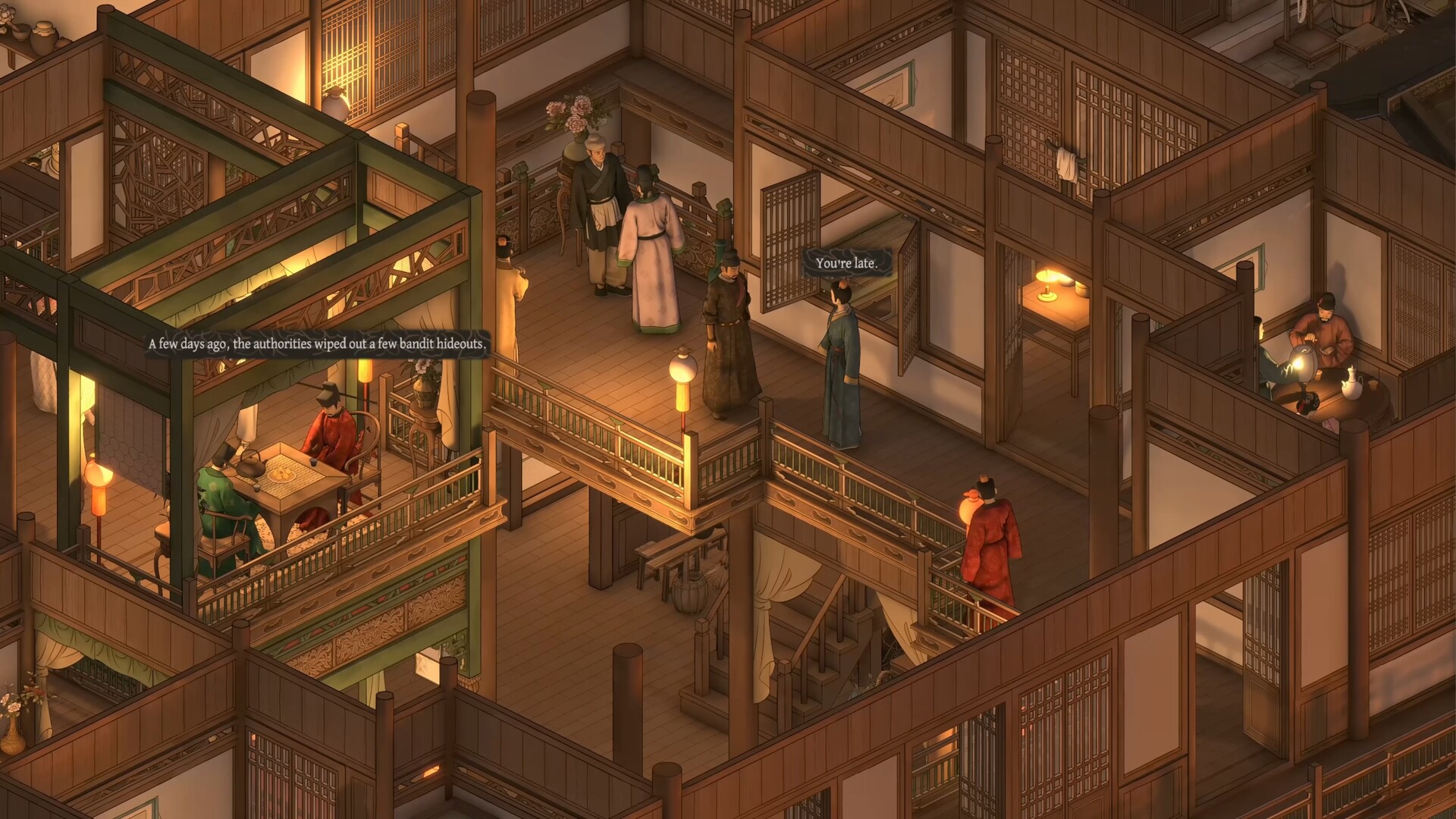
The property and housing system in The Bustling World allows players to buy, sell, and customize residences. Property prices fluctuate based on in-game market conditions, meaning a house in a thriving commercial district costs more than one in a quiet village. This ties directly into the game's economy and trade systems.
Buying and Selling
Players can purchase properties throughout the game world. Prices are dynamic and reflect factors like location, regional prosperity, and demand. Selling a property returns a value based on current market conditions, so a well-timed purchase in a developing area can turn a profit once that region grows.
When the player rises to the rank of faction steward (see city management), they gain the ability to conduct city planning. This includes designating residential areas where NPCs will independently build their own homes. Higher-level NPCs contribute more to a city's development but also demand more resources.
Decoration
Approximately 1,000 ancient items are available for home decoration. These include furniture, lamps, vases, paintings, fine china, farm tools, and other household objects. Every item can be freely placed inside a home to create a personalized living space. The game features over 5,000 hand-drawn art assets across its environments and objects, with the developers confirming that no AI-generated art was used in the production process.
The decorative items are described as "realistically restored" from historical Chinese sources, matching the game's overall focus on authentic Tang and Song dynasty aesthetics. These 1,000 decorative items are separate from the nearly 2,000 building components available through the Construction System.
NPC housing behavior
NPCs also participate in the housing system. They independently decide where to live, what kind of house to build, and what type of shop to open. An NPC might relocate to a wealthier city for better opportunities, or flee their home during a military conflict. This emergent behavior means that cities grow and change organically based on NPC decisions rather than following a scripted layout.
Owning Property
Players can purchase, build, or rent housing across the world. Cities offer denser plots (often pre-built shops or row houses), while rural areas offer larger spreads for farms and family compounds. The developers have stated that almost 1,000 distinct items and artifacts are available across the game, many of which are furniture, decorations, and artisanal goods that fill out a home or business.
Furnishing and Decoration
Furniture, wall hangings, screens, lanterns, garden ornaments, and ritual objects all come from the game's crafting and business system. Players can craft these themselves, buy them from merchants, or commission artisan NPCs for custom pieces. Different cultural regions favor different aesthetic traditions, so a home's furnishings can read as northern, central plain, or southern in style.
Businesses as Property
Many ownable buildings double as businesses. A shop with a counter and storage rooms supports trade; a restaurant with a kitchen supports cooking and dining services; an inn supports overnight guests and tavern services; a pharmacy supports medicinal goods. Ownership of a business plot is tied to the same property loop as residential housing, with rent or purchase determined by the city's city management rules.
Family and Household
A player's home is also a household. NPC family members and hired servants live on the property, contribute labor (cooking, cleaning, tending livestock or fields), and react to changes the player makes. The romance and family system layers on top of property ownership: a spouse, children, and elderly relatives all expect a roof, food, and time. The autonomy system means household members move around the home, eat, sleep, and choose their own daily routines.
Security and Theft
Property is not automatically safe. Outlaws can break into homes, underground factions can target wealthy estates, and faction enemies may try to burn a player's holdings. Owners can hire guards, install locks, build walls, and store the most valuable items in secret rooms or hidden caches. The crime and wanted system runs both ways here: theft against the player can be investigated by authorities, and theft by the player against an NPC household can be reported.
Notes
Specific furniture catalogs, room types, and exact rent / purchase prices will be documented once the game ships and these can be observed in-build. The 1,000 items figure is a planned content target stated by the developers.