

More Than Just a Backdrop
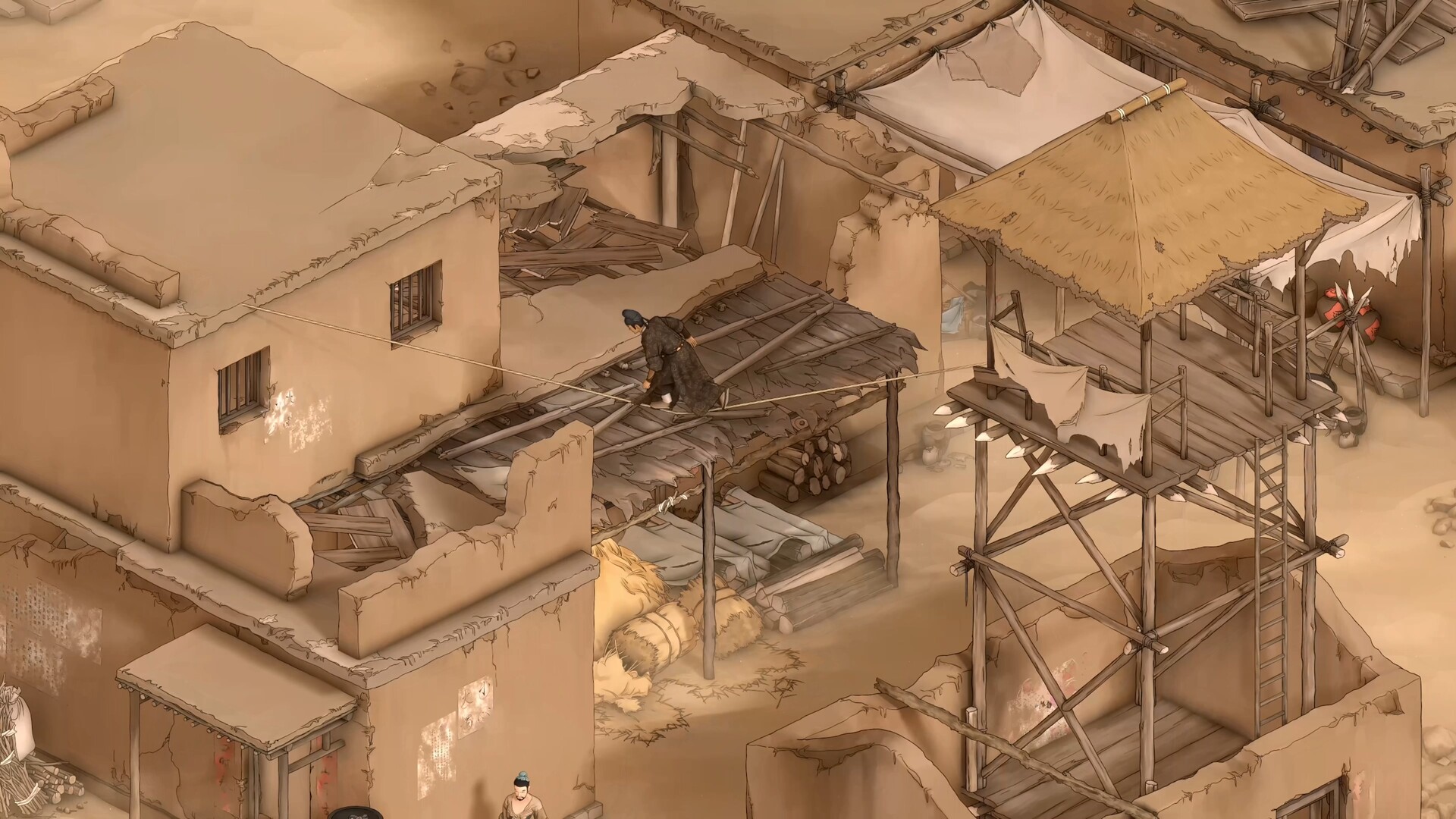
In many RPGs, "farming" is a side activity. In The Bustling World, it's an entire simulation engine.
Agriculture & Husbandry
Crops: Over 60 varieties. This isn't just "plant wheat, wait 3 days." You need to manage soil, water, and pests.
Animals: 30+ species. There's a mutation system for breeding, meaning you can specialize in rare livestock for higher profits.
The Economy
The economy is the beating heart of the game.
Supply & Demand: Prices react to the world state. War drives up weapon prices; famine drives up food.
Business Management: You can buy a storefront. You need to decorate it, hire staff, and manage inventory. You can even resort to "unfair competition" to drive rivals out of business.
Manufacturing
From cooking to metallurgy, crafting is detailed. You aren't just pressing a button; you're setting up production lines.
Housing & Architecture
You can build your home from the ground up using a component-based building system. It's not just cosmetic; a good home rests your character better and provides space for crafting stations. Nearly 2,000 components are available, allowing for everything from humble huts to sprawling palaces.
Player Paths
The Bustling World is built around freedom of life choice. Rather than a fixed class or origin, players define themselves through the activities they pursue. The most visible paths are not exclusive: a merchant can also be a martial artist, and a farmer can become an underworld broker on the side. The list below names paths the developers have shown in trailers and Steam copy, with hedged framing for live mechanics.
The Honest Trades
Farmer. Plant, tend, and harvest crops across 60 or more plant varieties. See agriculture.
Rancher. Raise livestock, breed mutations, and supply meat / dairy / textiles. See animal husbandry.
Chef. Prepare meals at home, run a restaurant, or scale a chain. See cooking.
Artisan. Craft furniture, weapons, clothing, and luxury items from raw materials. See crafting and business.
Merchant. Open a shop, trade between cities, run caravans, set prices. See economy and trade.
Builder. Lay out homes, businesses, and city districts. Players who specialize here often work on contract for other players or for NPC factions.
The Warrior Paths
Bounty hunter. Track wanted criminals across the map. See bounty hunting.
Faction warrior. Join an established martial arts school and rise through its ranks. See martial arts.
Mercenary captain. Recruit other warriors, take contracts, and operate as an independent armed force. See military and warfare.
Ruler. Stabilize a region, command troops, and direct a state-level military through campaigns. Diplomacy and city management are part of this path. See diplomacy and city management.
The Dark Paths
Outlaw. Rob travelers, raid villages, hold up caravans. Attracts the wanted system. See crime and wanted system.
Underground broker. Run gambling dens, smuggling rings, illicit pharmacies, or back-room banks. See underground factions and the dark side of jianghu.
Assassin. Take contracts on named NPCs or rival players' allies. Considered high risk because successful tracking implies the target's faction can retaliate.
Mixing Paths
The developers have stressed that paths are descriptive rather than prescriptive. A character can run a chain of legitimate restaurants while smuggling weapons through them, take official bounty contracts while moonlighting as a tomb robber, or rise from a roadside farmer to a regional warlord. NPCs react to the player's accumulated reputation rather than to a chosen origin class, so a player's mid-game options are shaped by what they have actually been doing, not by what role they declared at character creation.
Notes
Specific reputation thresholds, faction unlocks, and named NPCs tied to each path will be documented once the game ships and these surfaces can be observed in-build.