

Overview
Character progression in The Bustling World does not follow a conventional leveling system with experience bars and tier unlocks. Instead, your character grows through the activities you pursue and the skills you develop. The developers have been clear about one thing: this is not a cultivation-based game. Characters do not have lifespan limits, spiritual ascension stages, or any of the progression structures common to xianxia titles. You are a person living in ancient China, and your growth comes from learning, working, fighting, and building.
Playstyle Paths
The game supports multiple distinct playstyle paths, though it does not force you into a single class at character creation. You can pursue life as a farmer, tending crops and livestock on a rural homestead. You can become a merchant, buying low and selling high across regional markets. You can rise as a ruler, claiming territory and managing cities. You can focus on being a warrior, mastering martial arts and taking on the world's most dangerous opponents. Or you can mix and match, spending mornings farming and evenings raiding bandit camps.
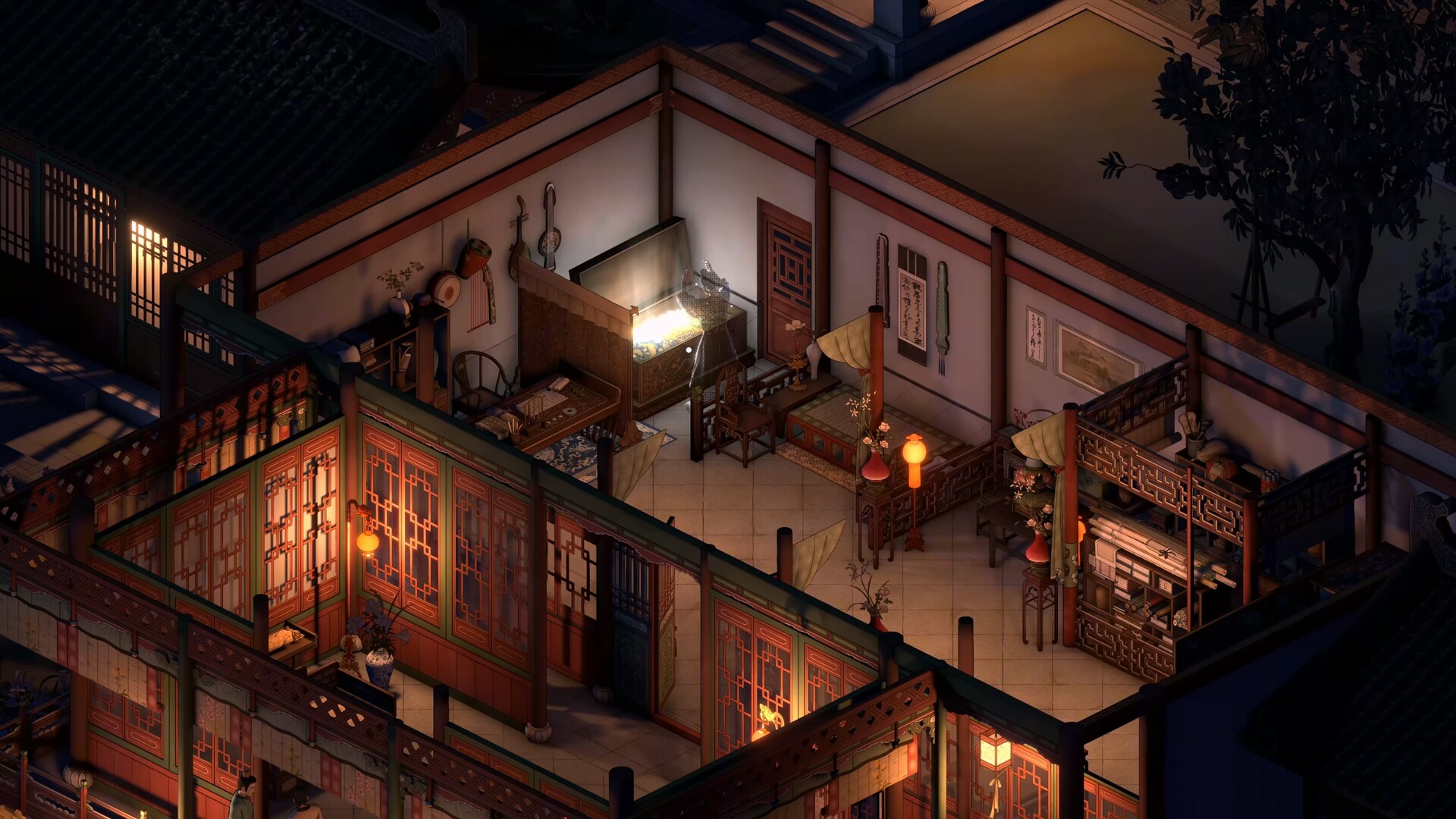
Each path has its own set of activities, rewards, and challenges. The farming path connects to the agriculture system. The merchant path ties into economy and trade. The ruler path intersects with military and warfare and city management. The warrior path runs through combat and martial arts. None of these paths is locked behind a character class selection screen. They emerge from how you spend your time.
Professions
The profession system gives players specific roles with associated skills and activities. Confirmed professions include shopkeeper, farmer, miner, logger, and chef, with more expected in the full game. Each profession comes with its own skill development curve. A chef learns new recipes over time, gains access to better kitchen tools, and can eventually run a restaurant. A miner discovers better veins, acquires specialized extraction techniques, and processes raw ore into refined materials.
Professions are not mutually exclusive. You can farm in the morning and mine in the afternoon. However, there appears to be a depth-versus-breadth trade-off: a player who focuses on one profession will advance further in it than someone who spreads their time across several. The crafting and business article covers the production side of professions in more detail.
Worker NPCs also fill profession roles. As you progress, you can hire skilled workers to handle tasks you have mastered, shifting your role from laborer to manager. A farmer who has learned the basics can eventually hire farmhands and oversee a larger operation without doing every task personally.
Hunger and Survival Mechanics
The game includes a hunger system. Your character needs to eat, and going without food has gameplay consequences. Hunger affects performance, though the exact penalties have not been fully detailed in public materials. The system encourages engagement with the cooking and agriculture systems rather than punishing you with a harsh timer.
There is no thirst mechanic. The developers have confirmed this directly. The survival elements in The Bustling World are lighter than what you would find in a dedicated survival game. Hunger exists as a connector between the food production pipeline and daily life, not as a constant stress factor that dominates your attention.
Death and Save System
Death in The Bustling World requires reloading a save. The game does not have a respawn system where you pop back to life at a checkpoint. When your character dies, you return to your last save point, which means save management matters. Players who push into dangerous territory without saving recently risk losing progress.
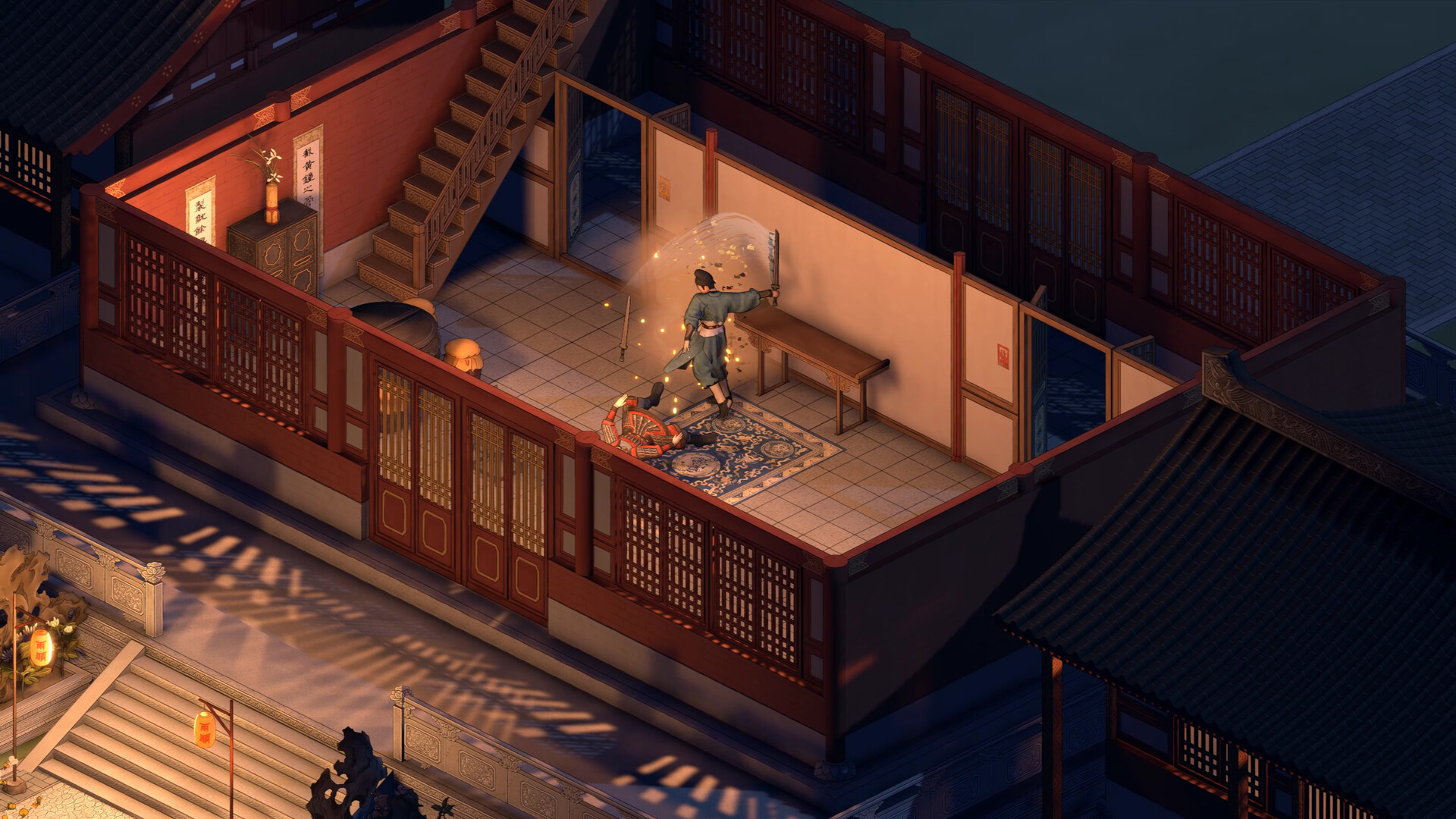
The criminal justice system adds another dimension to death. If you are caught committing crimes and sentenced to death, that sentence results in permanent death requiring a save reload. The exploration article covers the full wanted system, including options to accept trial, escape prison, bribe officials, or destroy evidence. The stakes of criminal activity are real because of the save-based death system.
The save-based death system is consistent with the game's single-player sandbox design. There is no multiplayer component that would require persistent death mechanics or respawn timers. You play at your own pace, save when you want, and reload when things go wrong. The dark side content and combat encounters both carry real consequences because of this system.
Clothing and Appearance
The game features traditional Chinese clothing with physics simulation. Garments move and flow realistically as your character walks, runs, fights, and interacts with the environment. Robes sway in wind. Sleeves flutter during combat animations. The visual fidelity of the clothing system has been highlighted in multiple trailers and developer presentations.
Clothing also functions as a social signal within the game world. What you wear affects how NPCs perceive you. Arriving at a noble's estate in peasant clothing gets a different reaction than showing up in court attire. Military armor signals your martial status. Monk robes identify you with religious institutions. The clothing system is not purely cosmetic; it feeds into the social simulation.
There is no blank-slate character creator. In September 2025 a developer answered the question directly: the game has a designed protagonist with their own backstory and main story. That settles the shape of the character but not its details. Whether the game offers facial customization, body type options, or preset models on top of that designed character has not been confirmed, and the developer reply did not address appearance at all.
Player Character Gender
The question of playing a woman came up publicly in June 2025, and how it was answered matters as much as the answer. A promotional post from the publishing side, not the studio, said selectable gender would not be in at launch. Its reasoning was that a female main line could not simply be a swapped model on the same content: her standing, the way other people treat her, and the surrounding story would all need rebuilding around her, which is a systemic job rather than a cosmetic one.
The post also said the rebuild was being assessed for feasibility and was intended as a post-launch update rather than something worth holding the release for. It did not survive contact with the audience. The producer apologised publicly within days, said the development team had no knowledge of the post going out, and it was taken down. Treat the substance as informative but unconfirmed. The picture since has not resolved: the publisher's Chinese-language game page still lists gender selection among the game's social features, which is publishing-side copy of the same kind and most likely predates the change; and when players asked about a female option directly under the September 2025 protagonist reply, no developer answered. The character's gender at launch is best read as undecided in public rather than settled. No character creator has been detailed, so how much appearance customisation sits alongside the gender question is still unknown. What the player wears is already load-bearing in the game's social layer, as the clothing section above and the NPC systems article describe, which is part of why the developers treat a female protagonist as a content problem rather than an art one.
Stats, Attributes, and Skills
The specific stat and attribute system has not been publicly detailed. The game clearly tracks character capabilities across multiple dimensions, as professions, combat skills, and social standing all evolve with play. However, whether this tracking uses visible numerical stats, hidden values, skill trees, or some other structure has not been confirmed.
What is clear is that progression is activity-based. You get better at things by doing them. Fighting improves fighting ability. Cooking improves cooking skill. Trading improves your eye for market prices. This learn-by-doing approach fits the sandbox philosophy and avoids the problem of experience points earned in combat being spent on unrelated skills.
The life simulation and getting started articles cover related aspects of the early game experience and daily activity loops.
No Lifespan Limits
The developers have explicitly confirmed that characters do not have lifespan limits. Your character will not age and die of natural causes, forcing you to start over or continue as an heir. This sets The Bustling World apart from games like Massive Chalice or some roguelike RPGs where generational play is a core mechanic. Here, you play as a single character for as long as you want, and your accumulated progress, relationships, and property persist indefinitely.
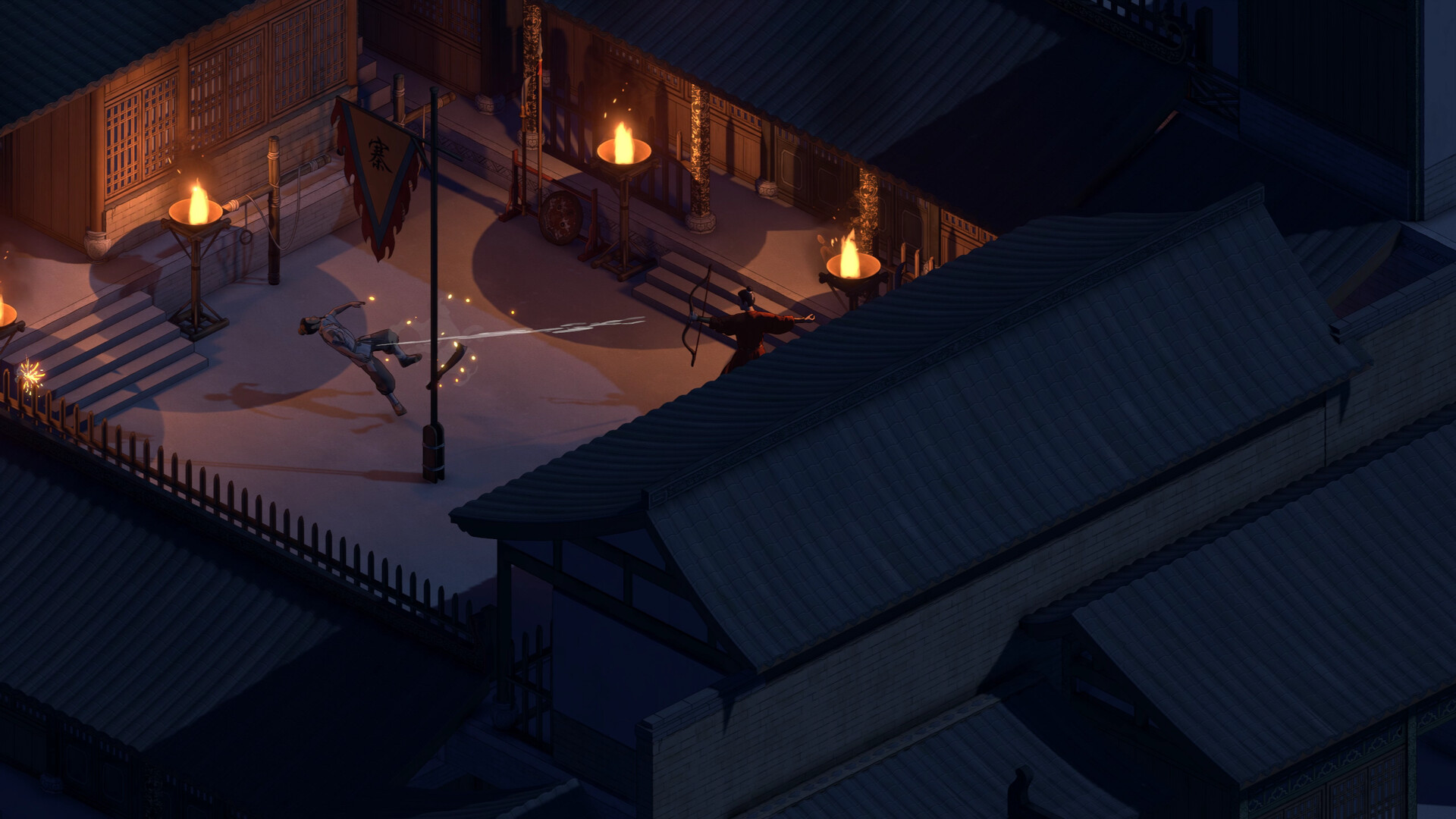
This design choice has implications for long-term planning. Since your character does not expire, there is no urgency driven by a ticking clock. You can take as much time as you want to build up a farm, master a martial art, or conquer territory. The sandbox does not rush you. At the same time, the world around you changes with the seasons and responds to your actions, so there is still a sense that time matters within the game's own rhythms.
System Requirements
The Bustling World has published minimum system requirements on its Steam store page. The minimum specs call for an Intel Core i5 processor, 8 GB of RAM, an NVIDIA GeForce GTX 1650 graphics card, DirectX version 10, and 60 GB of available storage space. These requirements suggest the game is targeting a broad range of PC hardware rather than demanding high-end specs.
The relatively modest minimum requirements are consistent with the game's hand-painted visual style. A stylized look built on hand-rendered artwork does not demand the same GPU power as a photorealistic open-world game running at high frame rates. The 60 GB storage requirement reflects the volume of art assets, given the over 5,000 hand-rendered art assets and nearly 2,000 building components.
Steam Features
The game supports several Steam platform features. Steam Achievements are included, giving players milestones to pursue across the game's many systems. Steam Cloud saves allow players to sync their progress between different computers. Steam Family Sharing is also supported, letting multiple members of a household play the game from a single purchase.
These Steam integrations indicate a standard PC release approach. The cloud save support is particularly relevant given the save-based death system, since losing a save file to hardware failure could mean losing significant progress.