

This article is incomplete
Some sections are missing or need additional details. Help improve it by contributing.
Overview
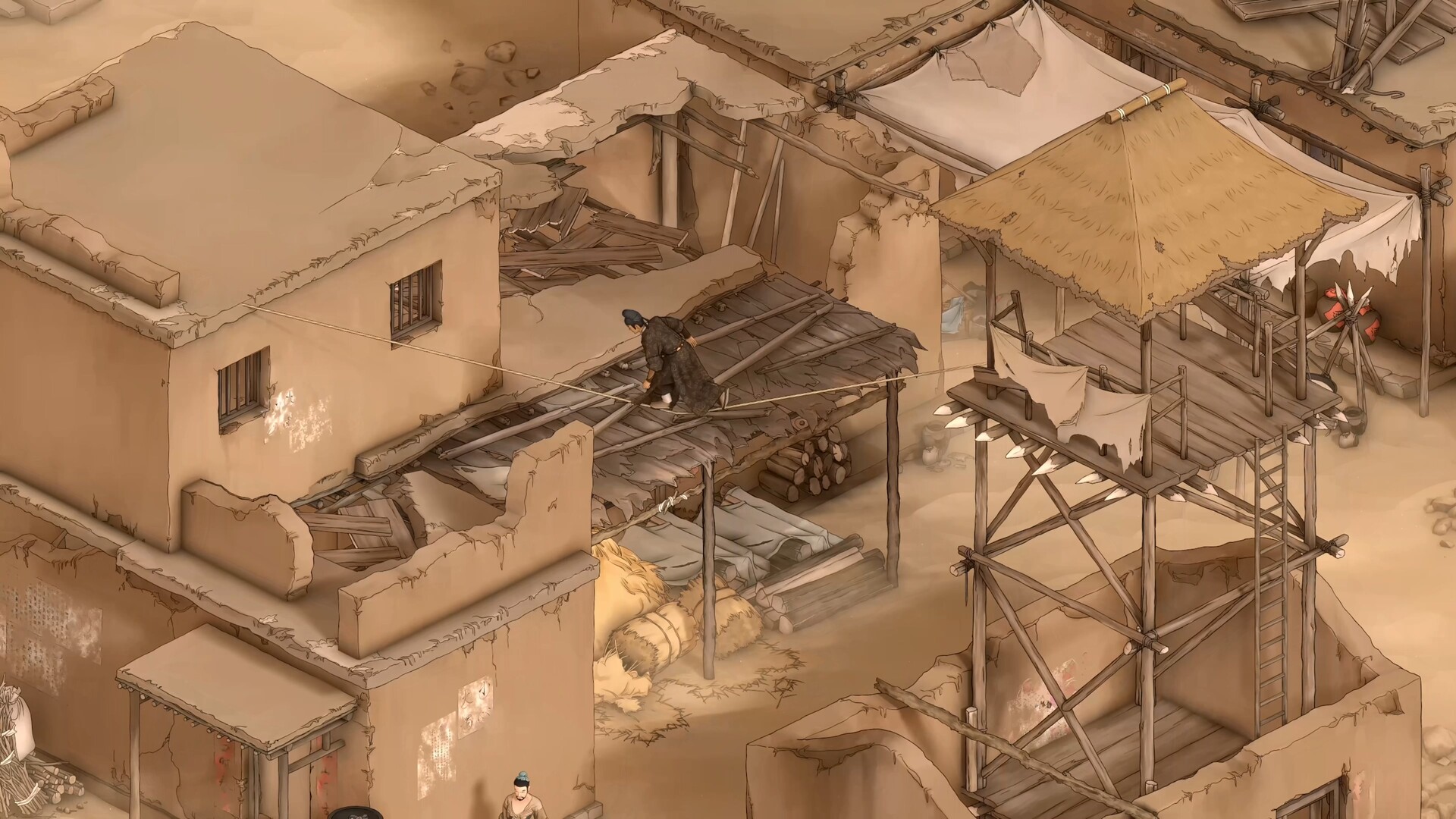
Bounty hunting is one of the adventure paths available in The Bustling World. Players who take up this role track fugitives across the game world, accept government rewards for capturing wanted criminals, and search for hidden treasures in forgotten locations. The system sits at the intersection of combat, exploration, and the crime system.
Tracking Fugitives
Bounty hunters pursue wanted criminals who have fled across the map. When a crime is committed and discovered by the authorities, the perpetrator becomes wanted. Bounty hunters can then accept government contracts to bring that person in. This applies to both NPC criminals and, if the player has committed crimes, other bounty hunter NPCs may come after the player instead.
Ruin exploration
In addition to tracking people, bounty hunters can unearth forgotten ruins that contain hidden valuables. These locations are scattered throughout the wilderness and offer rewards that range from rare materials to unique items. The ruin exploration aspect of bounty hunting overlaps with the general exploration system.
Jianghu connection
Bounty hunting fits into the game's Jianghu adventure path, the martial arts world that operates alongside (and sometimes against) official government structures. Bounty hunters occupy a middle ground: they accept government contracts but operate independently, often interacting with Underground Factions in the process of tracking their targets.
Contracts and Targets
Contracts come from a few sources. Government officials post wanted notices for criminals who have evaded local city management enforcement; faction quartermasters offer bounties on rivals; private clients (NPCs whose family member has been kidnapped or robbed) pay players to recover stolen goods or rescue captives. Contract difficulty scales with the target's reputation, faction affiliation, and how far they have fled from the original crime scene.
Tracking Fugitives
Bounty hunters can follow leads gathered by talking to NPCs in the target's last known town, by examining physical clues at the crime scene, or by paying informants in underground factions. Successful tracking can require chasing the target across multiple regions; the autonomous NPC system means fugitives genuinely move, take shelter, change identities, and try to disappear into a new town's life rather than remaining at fixed map markers.
Combat and Capture
Once a target is located, the bounty hunter has options: arrest them peacefully (sometimes possible through intimidation or persuasion), defeat them in non-lethal combat (which usually pays the full bounty), or kill them (which often pays less and may invoke faction reprisal). High-value targets travel with hired guards, so reading a target's escort and choosing the moment to strike is part of the trade. See combat for the game's underlying combat surfaces and martial arts for the skill systems hunters lean on.
Working Against the Player
The bounty system runs in both directions. If the player has committed crimes serious enough to attract a crime and wanted system notice, NPC bounty hunters will start tracking them with the same tools. Lying low in remote regions, changing appearance, joining an outlaw stronghold, or paying off corrupt officials are listed as possible counter-strategies. Players who specialize as bounty hunters can also clash with rival hunter NPCs chasing the same target.
Ruin Exploration
Many fugitives flee to abandoned temples, hidden caves, or forgotten ruins on the edges of the map. Hunters who pursue them often end up clearing those locations along the way, recovering ancient artifacts, rare martial arts manuals, or buried valuables in the process. This overlaps with general exploration rewards and is part of why bounty hunting is one of the more lucrative early-game adventure paths.
Notes
Exact bounty payouts, faction-specific contracts, and the named NPC bounty hunter roster will be documented in detail once the game ships and the wanted-poster interface is observable in-build.