

Overview
Agriculture in The Bustling World covers both crop cultivation and animal husbandry, forming the production backbone for food, materials, and trade goods. The system goes well beyond planting seeds and waiting. Over 60 plant varieties from ancient China each have specific growing requirements, and over 30 animal species can be raised, bred, and trained. Agriculture connects directly to the crafting and business pipeline, the economy, and even military systems through food supply and warhorses.
Plant Varieties
The game features over 60 plant varieties drawn from the agricultural history of ancient China. These include staple grains like rice and millet, vegetables, fruit trees, medicinal herbs, and specialty crops used in cooking or crafting. Each plant type is a distinct game entity with its own growth cycle, yield characteristics, and uses.
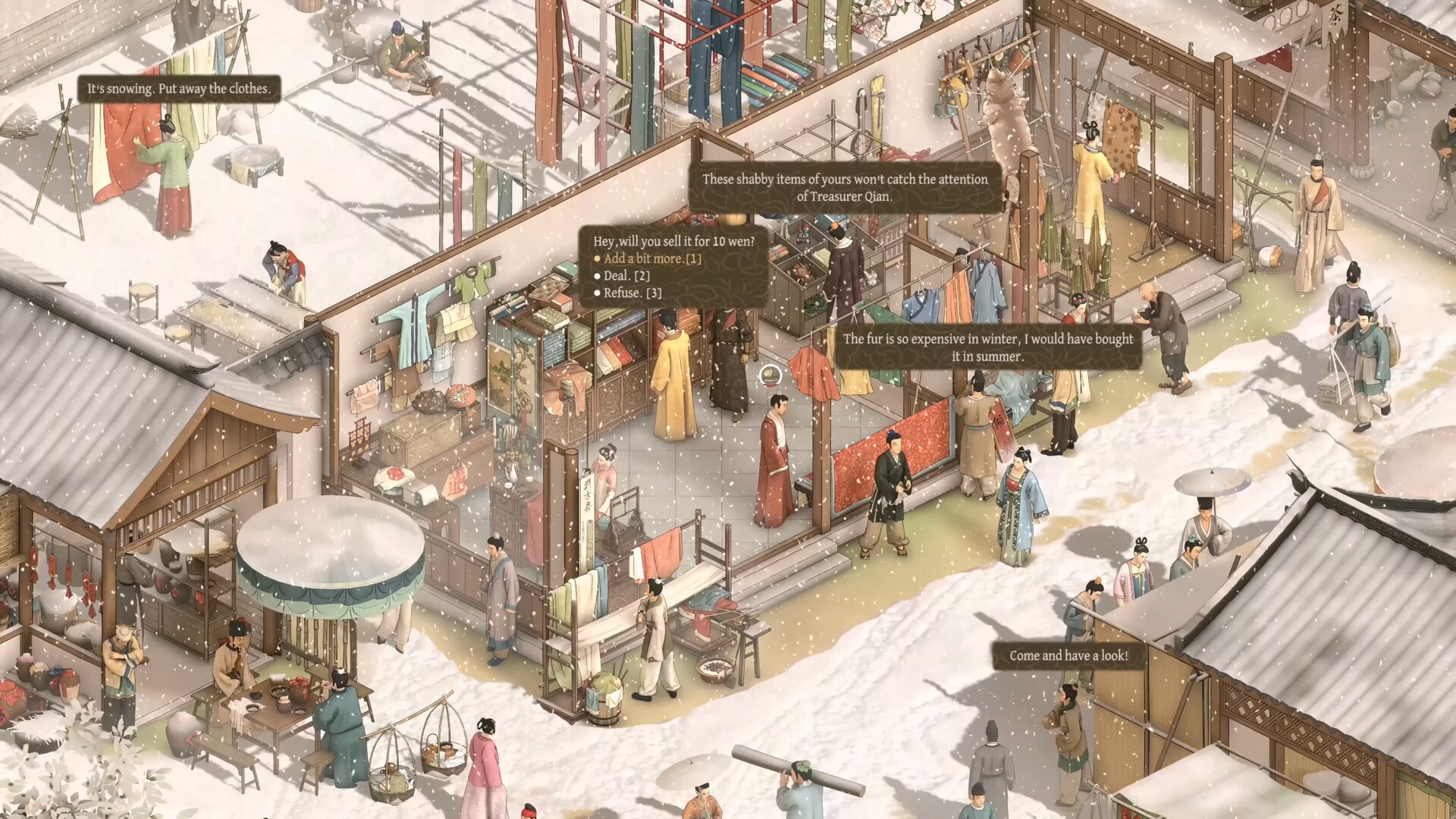
Not all plants are available from the start. Some varieties must be discovered through exploration, purchased from traveling merchants, or obtained through trade with other regions. Rare plants tend to have specific uses in advanced recipes or crafting formulas, making them worth seeking out.
Growing Conditions
Each plant has specific requirements for soil type, water availability, and temperature. A crop that thrives in warm, wet lowlands will fail in cold mountain soil. This means regional climate differences directly affect what you can grow on any given piece of land. A farm in the south has different options than one in the north.
Soil quality is not just a binary good-or-bad check. Different soil types suit different crops, and players need to understand what their land supports. Water management matters too. Some crops need consistent irrigation while others prefer drier conditions. Temperature fluctuates with the seasons, which limits when you can plant and harvest certain varieties.
Different skills and tools affect plant growth. A player with basic farming knowledge can grow common crops reliably. More advanced techniques, learned through practice and possibly from NPC mentors, let you push beyond the natural limits of your land. Better tools speed up planting and harvesting. The progression from novice farmer to agricultural expert is gradual and tied to actual farming activity.
Selective Breeding
Plants can be selectively bred for better traits. This was confirmed in a February 2025 FAQ from the developers. The mechanic allows players to cross-breed crop varieties to produce offspring with improved characteristics like higher yield, better resistance to disease, or faster growth times.
Selective breeding introduces a long-term investment loop into agriculture. Each generation of crops potentially improves on the last, but the improvements are incremental and require patience. You plant a batch, evaluate the results, select the best performers as seed stock, and repeat. Over many cycles, you can develop crop strains that significantly outperform wild varieties.
The breeding system adds depth for players who want to specialize in agriculture. It rewards sustained attention to farming rather than treating crops as a set-it-and-forget-it resource generator. A player who invests time in breeding programs will eventually produce superior crops that command higher market prices or provide better materials for cooking and crafting.
Animal husbandry
Over 30 animal species are available in the game. Animals provide materials for crafting, food for consumption, mounts for travel, and in some cases, combat assistance. The range includes domesticated livestock like chickens, pigs, and cattle, as well as more exotic species that must be captured from the wild.
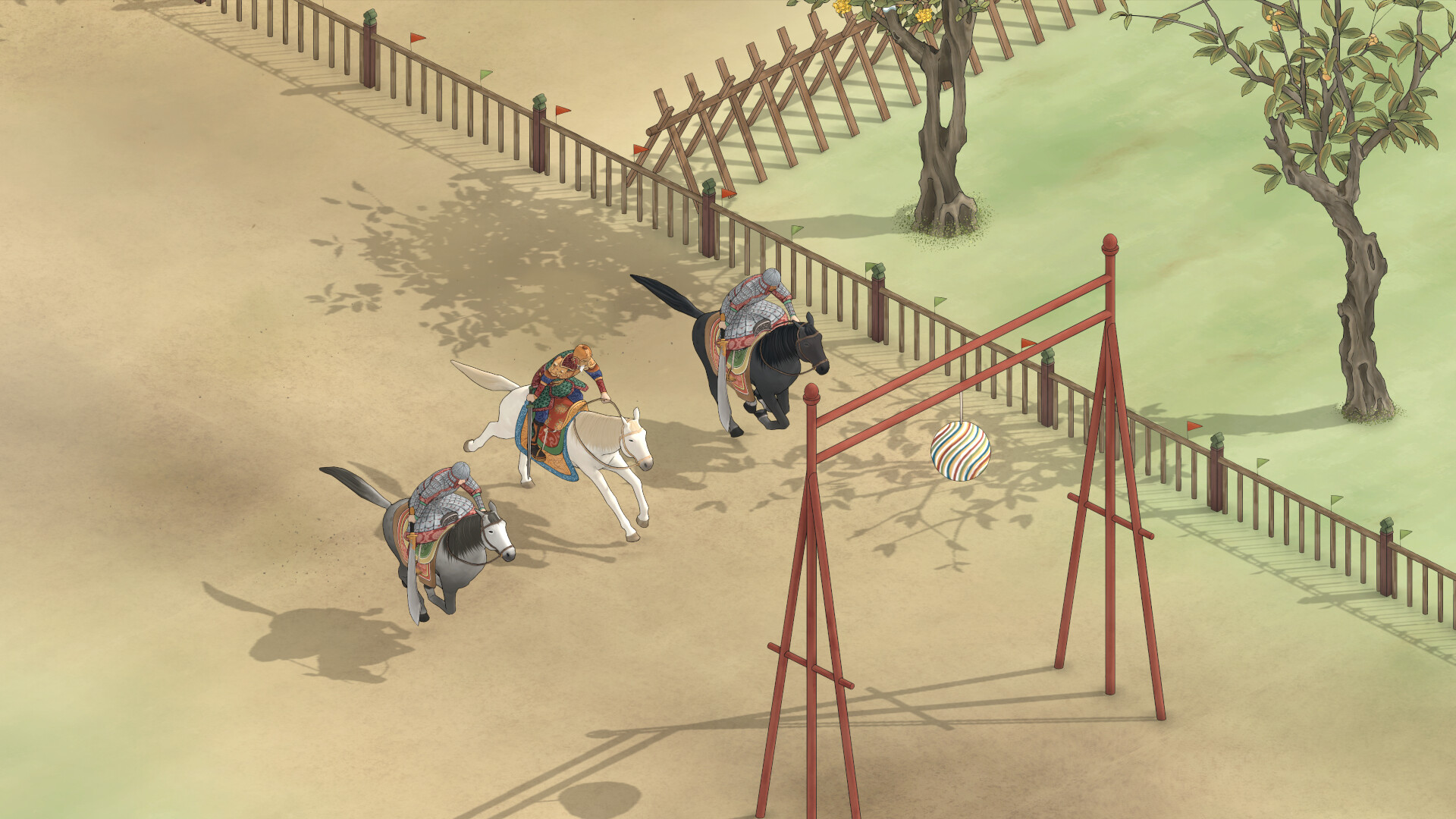
Animals can be bred and trained. Breeding follows a generational system where offspring inherit traits from their parents, with a chance for mutations that produce upgraded variants. A breeding program focused on warhorses might eventually produce mounts with exceptional speed or stamina. One focused on livestock might yield animals that produce more meat, milk, or wool per head.
Training adds capabilities to animals that go beyond their base traits. Mounts can be trained for combat, making cavalry more effective. Guard animals can be trained to defend properties. Working animals can be trained to assist with farming tasks. The training process requires time and interaction, not just a button press.
Wild Creature Capture
High-level animal species live in the wild and can be caught using different weapons and capture tools. The exploration system governs where these creatures are found and how to approach them. Wild creatures are generally stronger and rarer than domesticated stock, making them valuable starting points for breeding programs or immediate additions to your military forces.
Capture is not trivial. Different species require different approaches, and using the wrong method can result in killing the animal instead of capturing it alive. Some creatures are aggressive and will fight back. Others are skittish and will flee if they detect you. Learning the behavior patterns of each species is part of the capture gameplay.
Successfully captured wild animals can be domesticated over time, but they start with wild temperaments that make them less cooperative than animals raised in captivity. The domestication process is an investment that pays off through the superior base traits that wild-caught animals bring to a breeding program.
Handicraft Crafting From Agricultural Products
Agricultural output feeds directly into the game's handicraft systems. The Steam store description mentions realistic ancient Chinese handicrafts including cooking, weaving, and smelting. Crops and animal products are the raw materials for these processes. Rice and vegetables go into cooking recipes. Fiber crops like hemp or cotton supply the weaving system. Animal hides and certain plant materials feed into other production chains.
Cooking transforms raw ingredients into meals that satisfy the hunger mechanic, provide temporary buffs, or serve as trade goods sold through restaurants. Weaving turns raw fibers into cloth and finished garments. Smelting processes ores into metals used for weapons, tools, and decorative items. Each of these handicraft disciplines has its own progression system and skill development curve.
The connection between agriculture and handicrafts creates a full production pipeline. A player who controls farmland, processes raw materials, and sells finished goods through a business captures value at every stage. This vertical integration is one of the more profitable approaches to the economy, though it requires investment across multiple systems.
Regional Climate and Geography
The game world features distinct climate zones that determine agricultural viability. Southern regions tend to be warmer and wetter, supporting rice paddies and tropical fruits. Northern regions are colder and drier, better suited to grains like wheat and millet. Mountain areas have short growing seasons but may support unique medicinal herbs found nowhere else.
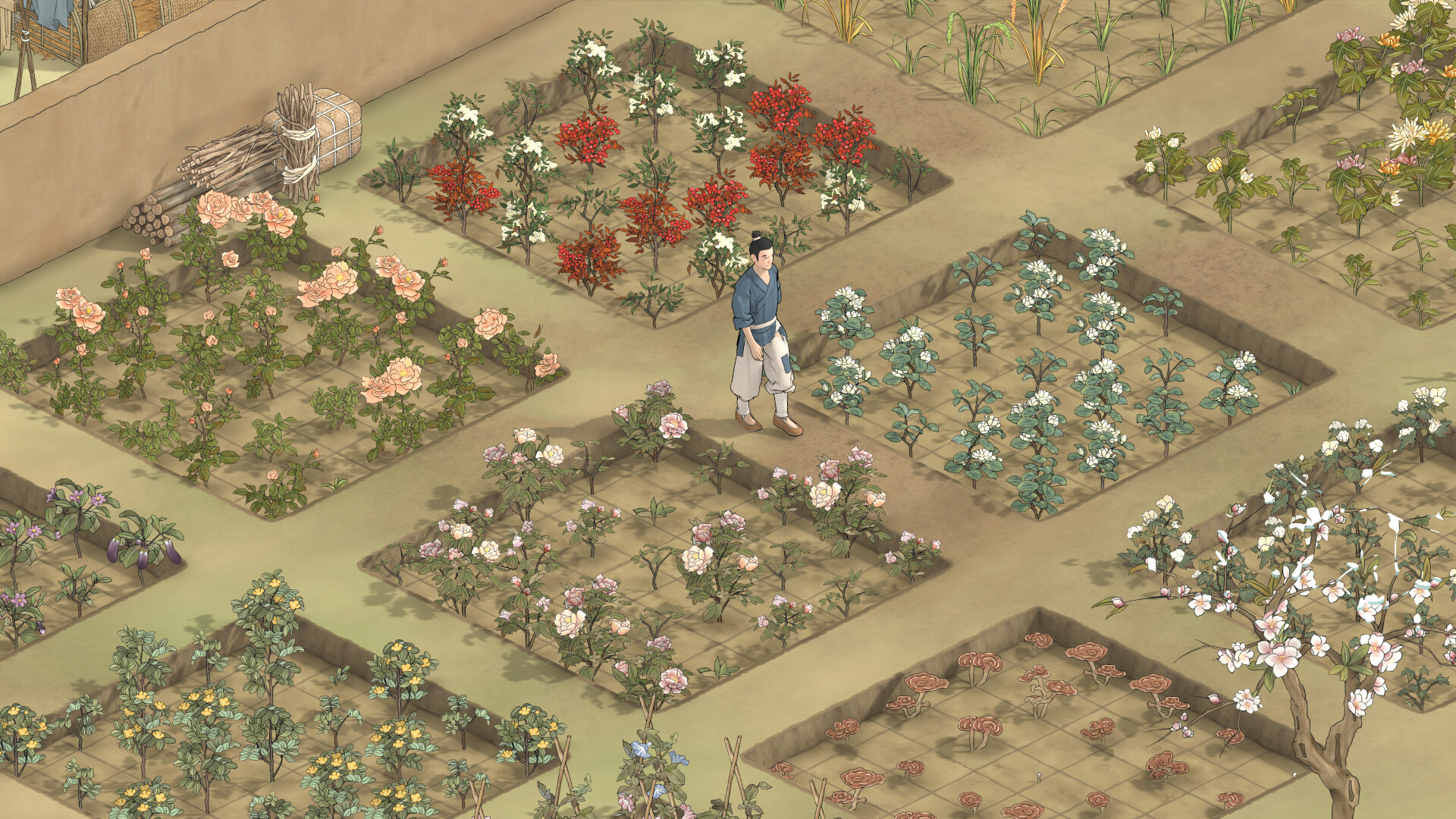
These regional differences create natural trade incentives. A southern farmer with surplus rice can sell to northern markets where rice is scarce. A northern region with excellent wool production can export textiles south. The agricultural geography drives economic specialization across the map, connecting the farming system to broader trade and diplomatic dynamics.
From Hands-On to Mass Production
Agricultural progression follows a clear arc from hands-on craftsmanship to mass production with skilled workers. In the early game, you personally plant, tend, and harvest your crops. You feed your animals by hand. Every task requires your direct involvement. As you develop your farm, you can hire NPC workers to handle routine tasks, freeing your time for other activities.
The transition from manual labor to managed production is one of the game's core progression loops. A small farm with a few plots of land and a handful of animals gradually becomes a large operation with multiple fields, diverse livestock, hired workers, and potentially even subsidiary operations in different regions. The endpoint is a player who functions as a farm manager rather than a farmhand, making strategic decisions about what to grow, where to sell, and how to invest in improvements.
Mass production does not mean you never touch a plow again. Players can always return to hands-on farming if they want. But the economic incentive shifts toward management as your operation grows, because your personal labor is worth more directing the overall enterprise than planting individual rows of crops.
Connection to Other Systems
Agriculture feeds into nearly every other system in the game. Crops and animal products supply the crafting system with raw materials. Food keeps your character alive through the hunger system. Surplus production enters the economy as trade goods. Warhorses and combat animals support military operations. Even the festival system involves agricultural products through cooking competitions and harvest celebrations.