

Overview
Military and warfare systems in The Bustling World let players recruit soldiers and horses, build armies, and either claim unclaimed territory or take existing cities by force. This is not a separate mode or minigame. Warfare is woven into the same sandbox that handles farming, trading, and daily life. A player who wants to become a warlord uses the same world, the same NPCs, and the same economy as a player who wants to run a noodle shop. The difference is in where you direct your resources.
Army recruitment
Building a military force starts with recruitment. You need soldiers, and soldiers need to come from somewhere. The game lets you recruit from the general population, drawing on NPCs who are willing to fight for pay, loyalty, or shared cause. Soldiers are not abstract unit counters. They are characters within the game's NPC system, which means their morale, equipment, and training matter.
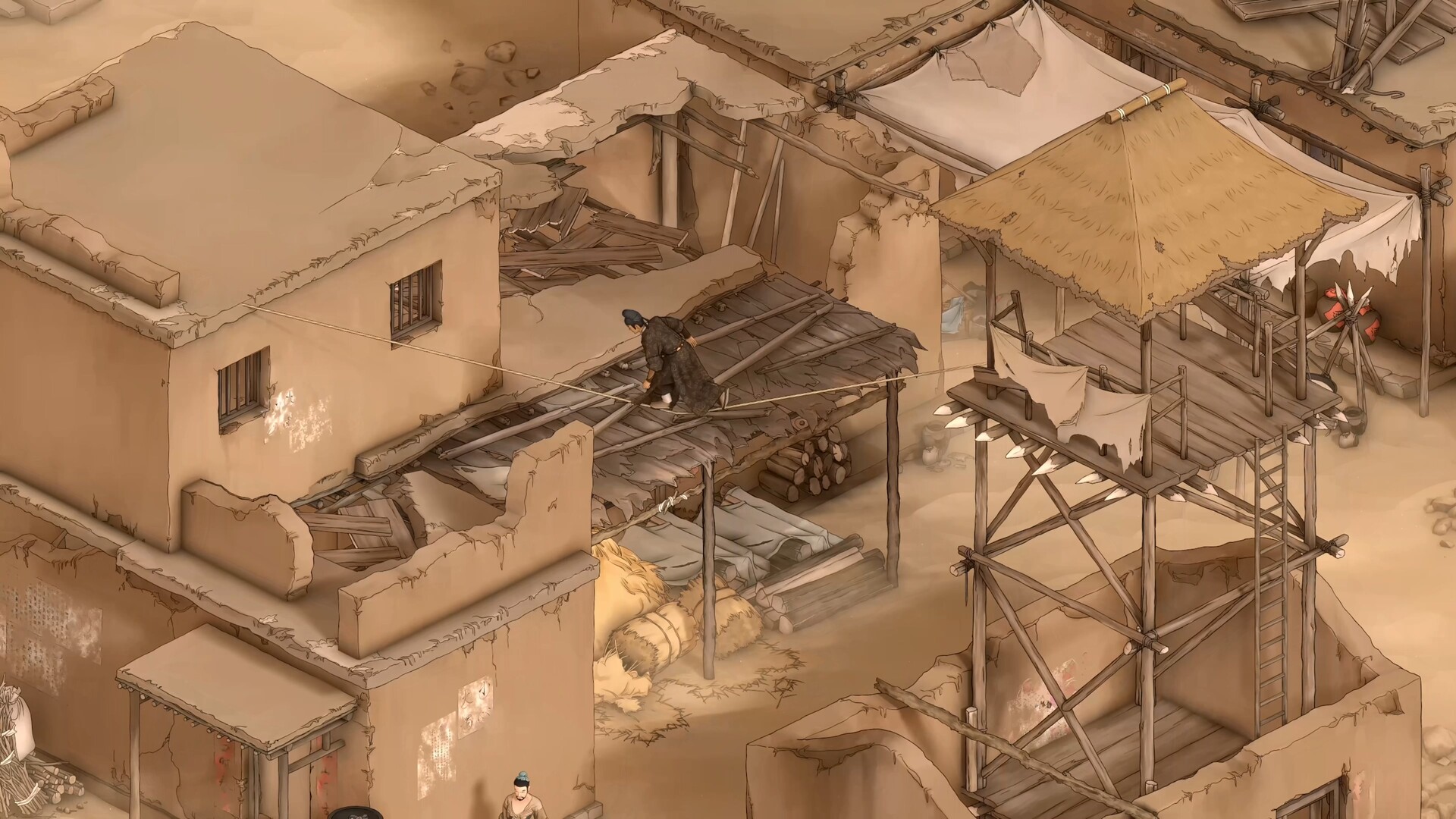
Horses are a separate resource. Cavalry is more effective than infantry in open-field engagements, but horses need to be acquired, fed, and maintained. A mounted force is expensive to sustain, which creates a natural limit on how quickly you can build up cavalry strength. Players who invest in animal husbandry through the agriculture system can breed warhorses, creating a pipeline that feeds military expansion.
Upgrading your army involves better equipment, training, and experience. Soldiers who survive battles improve over time. Equipping them with better weapons and armor from the crafting system increases their effectiveness. The army is not a static resource you build once and deploy forever. It requires ongoing investment, and losses in battle mean real setbacks.
Hero Mercenaries
Beyond regular soldiers, players can recruit hero characters for mercenary legions. These are named individuals with unique abilities and backgrounds, more powerful than standard troops. They function as lieutenants within your military structure, leading units and providing battlefield advantages that generic soldiers cannot.
Heroes are found throughout the world. Some are wandering martial artists looking for employment. Others are retired military officers who can be persuaded to return to service. A few are hidden behind quest chains or reputation requirements. The hero recruitment system intersects with the social simulation: building relationships with potential heroes through the NPC interaction system can open recruitment opportunities that are not available through money alone.
Two Paths to Territory
The game presents two distinct approaches to territorial expansion. The first is the lower-risk path: find a piece of land that is not governed by anyone and establish your own regime. Unclaimed territory exists across the map, usually in frontier or wilderness areas that the existing factions have not yet consolidated. Settling unclaimed land means building from scratch, but without the immediate threat of an organized military response.
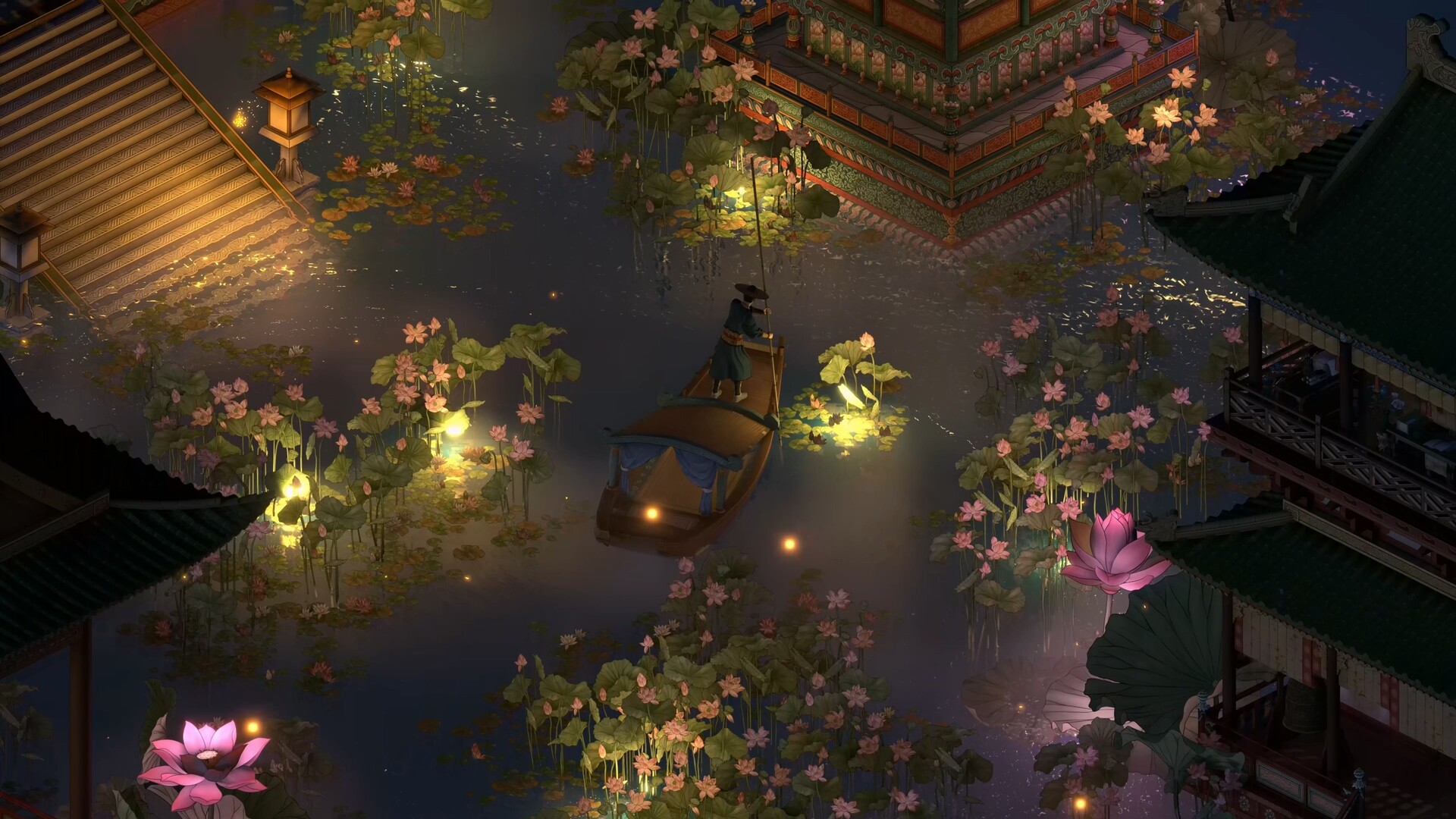
The second path is high-risk and high-reward: attack a city you want and take it. This means going to war with whatever faction currently controls the target city, defeating their garrison, and holding the territory against counterattacks. Captured cities come with existing infrastructure, population, and economic output. But they also come with hostile residents, damaged buildings from the siege, and the political consequences of having just made an enemy of whoever used to own the place.
Most players will start with the first path and transition to the second as their military grows. Claiming a patch of wilderness, building it into a functional settlement, generating revenue, and then using that revenue to fund military expansion toward richer targets is the natural progression. But the game does not enforce this order. If you want to pick a fight with a major faction early on, nothing stops you except the likelihood of defeat.
City sieges and conquest
Attacking a city is not a single battle. It is a campaign. You need to move your army to the target, establish supply lines, and begin the siege. Defenders have walls, towers, and garrison troops. The attacking player needs to breach defenses, fight through streets, and take control of key structures. The combat system applies at both the individual and army scale during these engagements.
Caravans and even armies can be targeted for robbery during transit, which means moving military forces through contested territory carries risk. An enemy faction might ambush your reinforcements. Bandits might raid your supply wagons. The logistics of warfare matter, not just the battle itself.
Defense and Rebellions
Owning territory is not a passive benefit. Rebels can invade your palace, and you will have to fortify your defenses. Rebellion is a real threat in the game's political simulation. Oppressive policies, high taxes, or neglecting civilian needs can trigger uprisings from within your own territory. External factions may also sponsor rebellions as a form of indirect warfare.
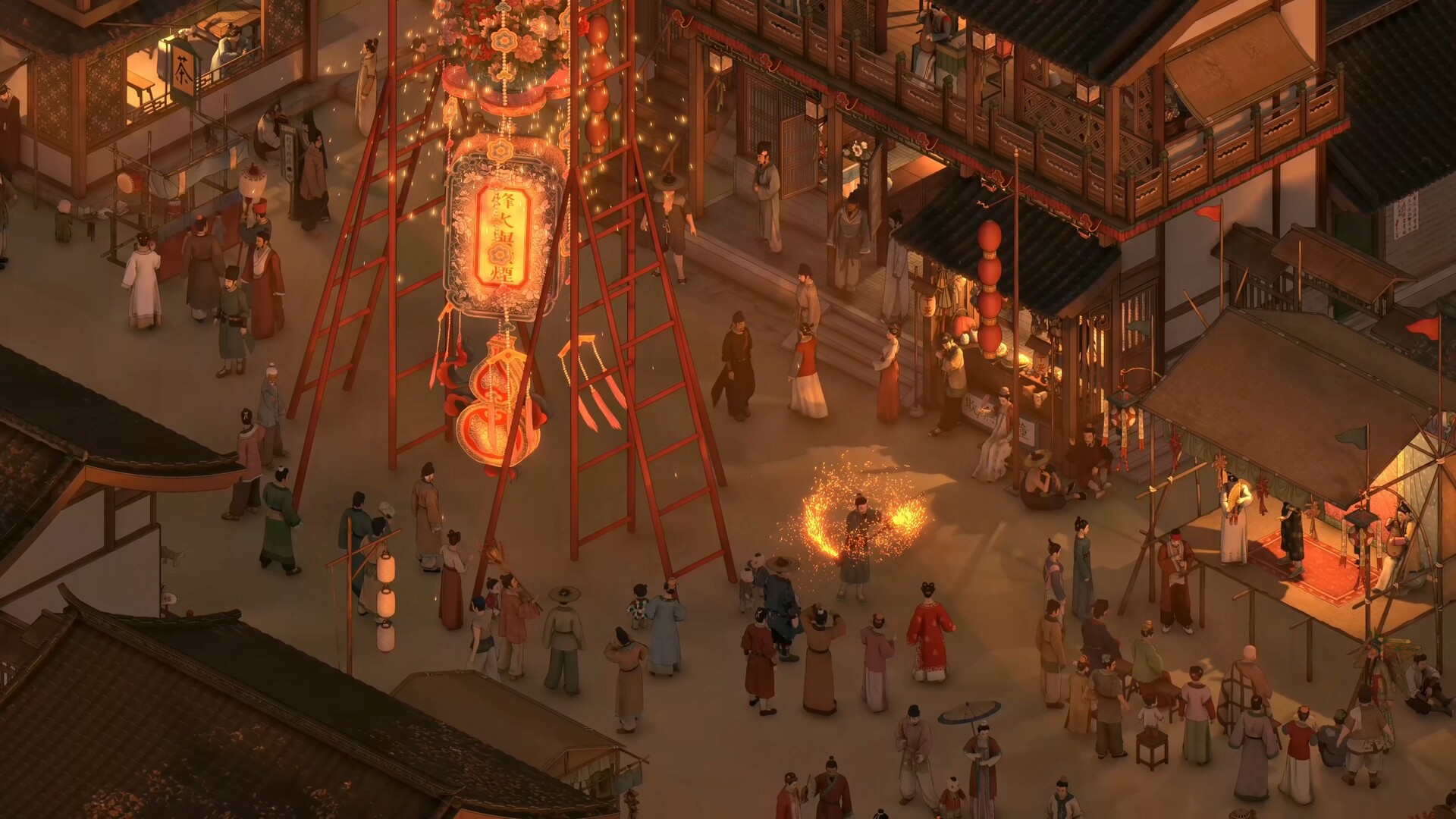
Fortification involves physical structures like walls and guard posts, but also political measures. Keeping your population content through fair governance, adequate food supply, and economic opportunity reduces the likelihood of rebellion. The connection between civilian satisfaction and military security means that a purely aggressive ruler who neglects domestic policy will face constant internal threats.
Factional Policies
Players who control territory can manage factional policies across four domains: military, culture, economy, and research. These are not abstract sliders. They are represented as policy cards that unlock specific benefits and shape how your territory functions. Policy cards are unlocked through hero characters, power upgrades, and relics found through exploration.
Military policies affect troop quality, recruitment speed, and defensive capabilities. Cultural policies influence NPC morale, loyalty, and the types of events that occur in your territory. Economic policies control taxation, trade routes, and resource allocation. Research policies unlock new technologies, building types, and crafting options.
The policy system creates meaningful choices. You cannot maximize everything simultaneously. A territory focused on military strength will sacrifice economic output. A culture-heavy region produces loyal citizens but weaker soldiers. These trade-offs are what make the city management system interesting, and they connect directly to the diplomacy layer, where your policy choices affect how other factions perceive and interact with you.
Multi-City Strategy
The game supports controlling multiple cities simultaneously. This opens up strategic specialization. You might designate one city as your military headquarters, investing in barracks, armories, and training grounds. Another city might be your trade hub, focused on markets, warehouses, and caravan staging areas. A third might prioritize agriculture, feeding your entire territory.
Managing multiple cities introduces logistical complexity. Each city has its own NPC population, resource needs, and policy settings. Transport between cities requires time and carries risk. The more territory you control, the more you need to delegate to hero characters and trusted NPCs, shifting your role from hands-on manager to strategic overseer.
There is no hard cap on how many cities you can control, but practical limitations exist. Spreading your military too thin invites attack. Neglecting a distant city leads to decay and rebellion. The game naturally limits expansion through these mechanical pressures rather than an arbitrary number.
Connection to Other Systems
Warfare does not exist in isolation. Military campaigns drain your economy. Soldiers eat food from your farms. Weapons come from your crafting operations. Diplomatic relations with other factions determine who is your ally and who is your enemy. The military systems are one layer of a deeply interconnected sandbox, and the most successful warlords will be the ones who build strong economic and social foundations before marching to war.