

This article is incomplete
Some sections are missing or need additional details. Help improve it by contributing.
Overview
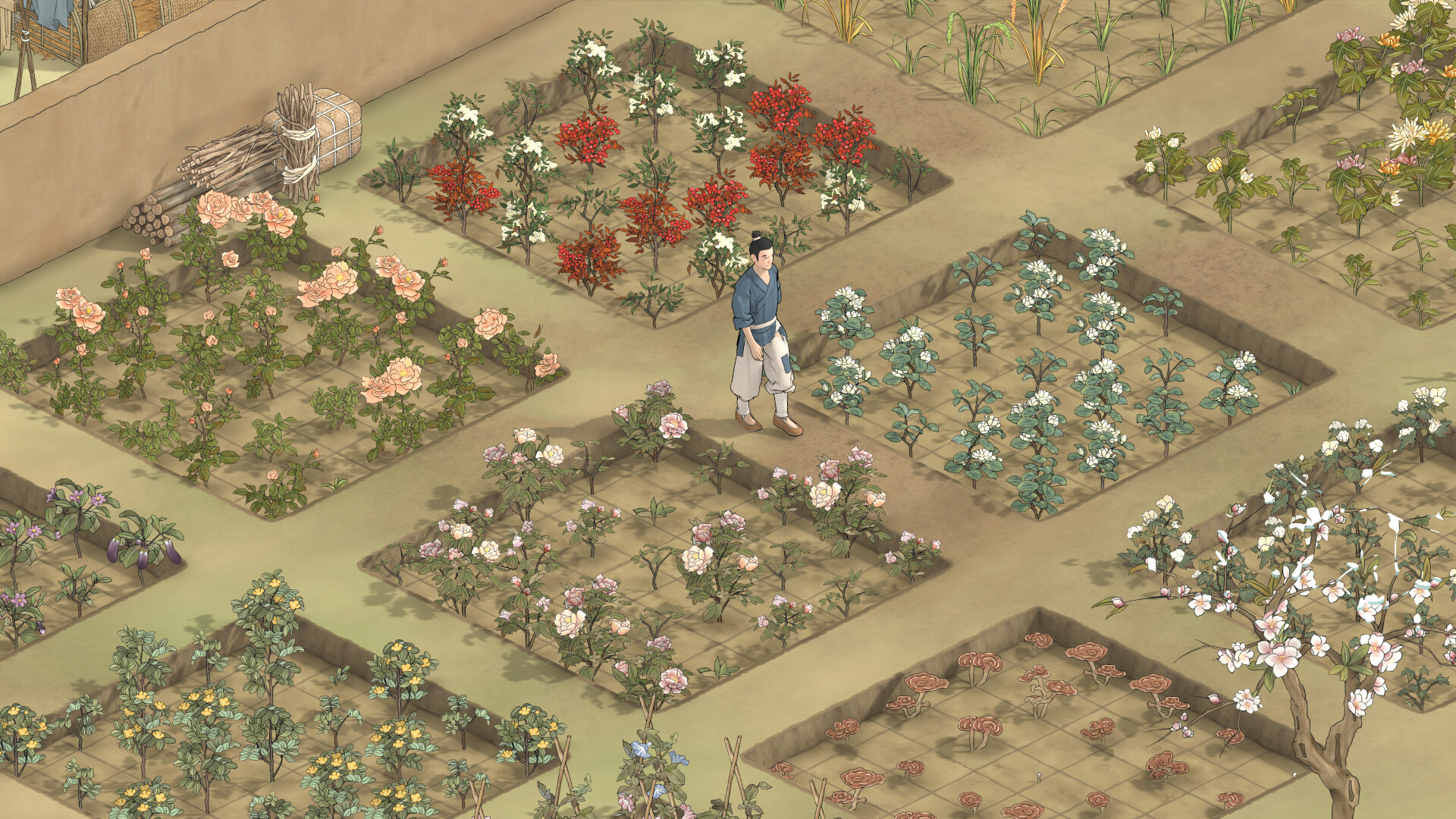
The Bustling World includes over 60 plant varieties described as typical plants from ancient times. Each species has its own requirements for growth, and the system goes beyond simple "plant and harvest" mechanics. Plant cultivation is one component of the agriculture system.
Growth Requirements
Every plant species has specific needs that must be met for healthy growth. These requirements span three categories.
Soil type: Different plants thrive in different soil conditions
Water: Each species has a preferred moisture level that affects growth speed and yield
Temperature: Environmental temperature influences whether a plant grows successfully, tying into the game's seasonal cycles
Selective Breeding
Plants can be selectively bred to produce improved traits over successive generations. This adds a long-term strategy layer to farming, where players invest time in cultivating better crop strains rather than just expanding the amount of land under cultivation.
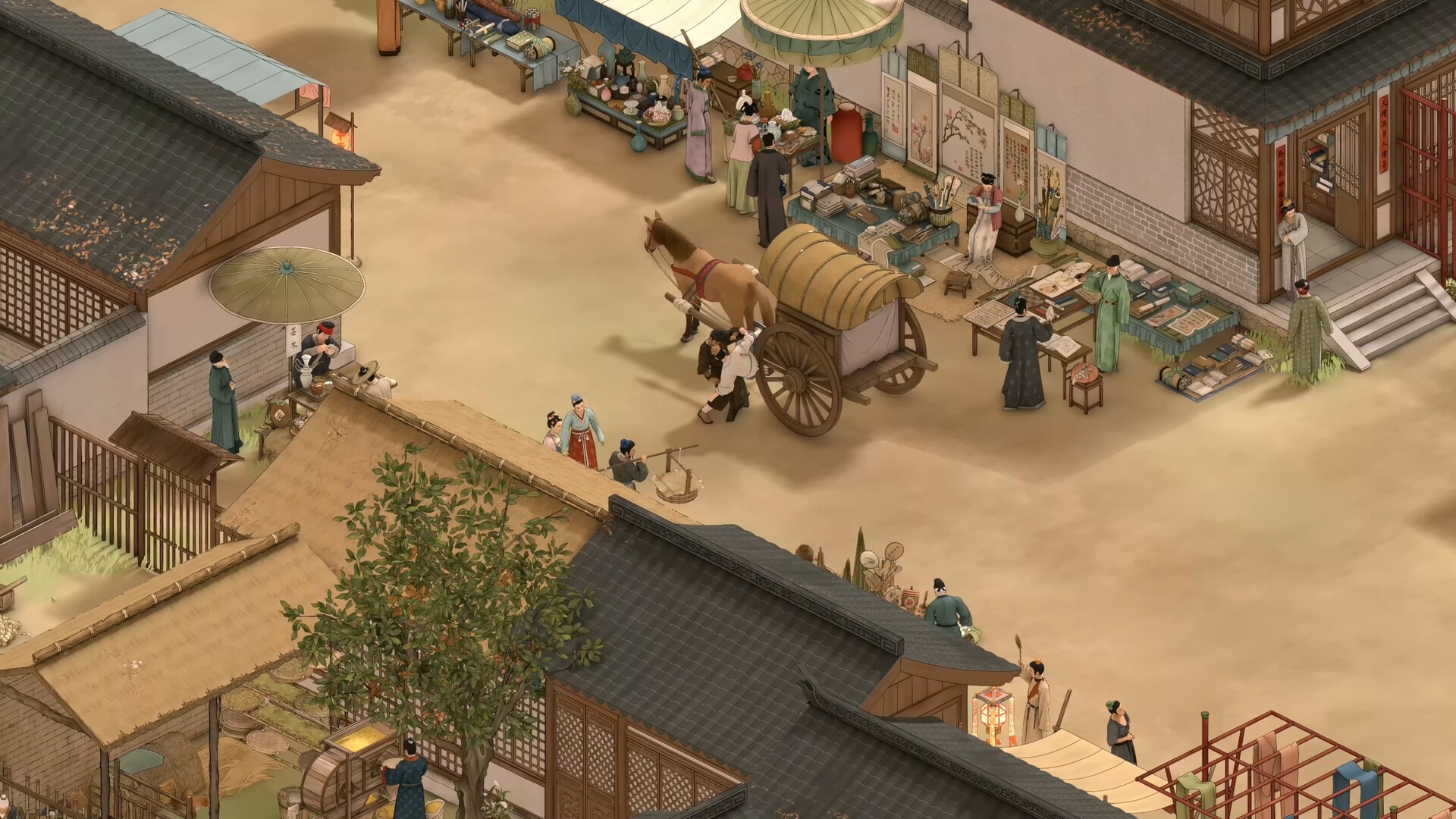
The harvested plants feed into the game's production economy, supplying materials for crafting, cooking, and trade. Players who invest in agriculture can scale their operations from small personal gardens to larger production operations with hired workers.
Crop Categories
The 60+ confirmed plant varieties cover the kinds of crops that were typical in ancient China. The developers have not published a complete list, but the categories visible in trailers and press materials include the following groups, which span everyday staples and high-value specialty crops.
Grains and staples: rice, millet, and other base-calorie crops that feed both the player's household and any workers hired through the crafting and business system.
Vegetables and herbs: varieties used in cooking and in traditional remedies sold through shops.
Cash crops: plants harvested for trade goods, with yields that feed the wider economy and trade loop.
Flowering and ornamental plants: used for decoration around player homes and for gift-giving in romance and family interactions.
Because the game emphasizes player choice rather than a fixed progression, no crop is mandatory. Players who never touch farming can still feed themselves through crafting and business or by buying produce from the market. The system rewards investment, not requires it.
Seasonal Cycle
Temperature requirements tie directly into the in-game seasonal cycle. A crop that thrives in warm conditions will fail or grow slowly if planted at the wrong time of year. Players who plan their fields around the calendar consistently produce larger yields than players who plant whatever they have on hand. The developers have framed this as part of the strategy depth of the agriculture system: it is possible to farm without paying attention to seasons, but a deliberate planting schedule pays off.
Selective Breeding Workflow
The breeding system layers on top of the basic plant-and-harvest loop. The flow described by the developers is straightforward in principle but slow in practice.
Grow multiple generations. Each harvest gives you seeds with slightly varied traits.
Select for desirable traits. Keep the seeds from plants that grew tall, ripened fast, or yielded the most.
Replant and repeat. Over successive generations, the average quality of the strain improves.
Sell or stockpile the result. High-quality strains become a tradeable asset in their own right, on top of the food they produce.
This system rewards long-term play in a way that scaling raw acreage does not. Two players with the same amount of land can end up with very different output if one has spent in-game years refining their seed stock.
Growth Requirements Summary
Requirement | Effect on Growth | Player Action |
|---|---|---|
Soil type | Each species prefers a specific soil composition; the wrong soil slows growth or kills the plant. | Match crop to plot, or amend soil if the system supports it. |
Water | Underwatering or overwatering reduces yield and can stunt the plant. | Irrigate to the species' preferred moisture level. |
Temperature | Plants need to be in season for their preferred temperature range. | Plant at the correct time of year and avoid extreme cold or heat. |