

This article is incomplete
Some sections are missing or need additional details. Help improve it by contributing.
Overview
The Bustling World allows players to develop romantic relationships, marry, and build a household within its sandbox. The tagline for this system is direct: make friends with your neighbors and marry your admirers. Romance is not a side feature bolted onto the main game. It intersects with the NPC systems, the life simulation mechanics, and even the political landscape of the faction system. Who you marry, who you befriend, and who you offend all carry consequences that ripple outward.
Romance Partners
The developer FAQ states that "the main character can develop romantic relationships with different but fixed NPCs." The exact meaning of "fixed" in this context is somewhat ambiguous, likely due to translation from Chinese. It could mean that there is a designated pool of specific romance candidates, each with pre-written personality and backstory. It could also mean that once a romantic relationship is established, that NPC becomes a permanent, committed partner. The distinction matters for gameplay expectations, but official English-language sources have not clarified this further.
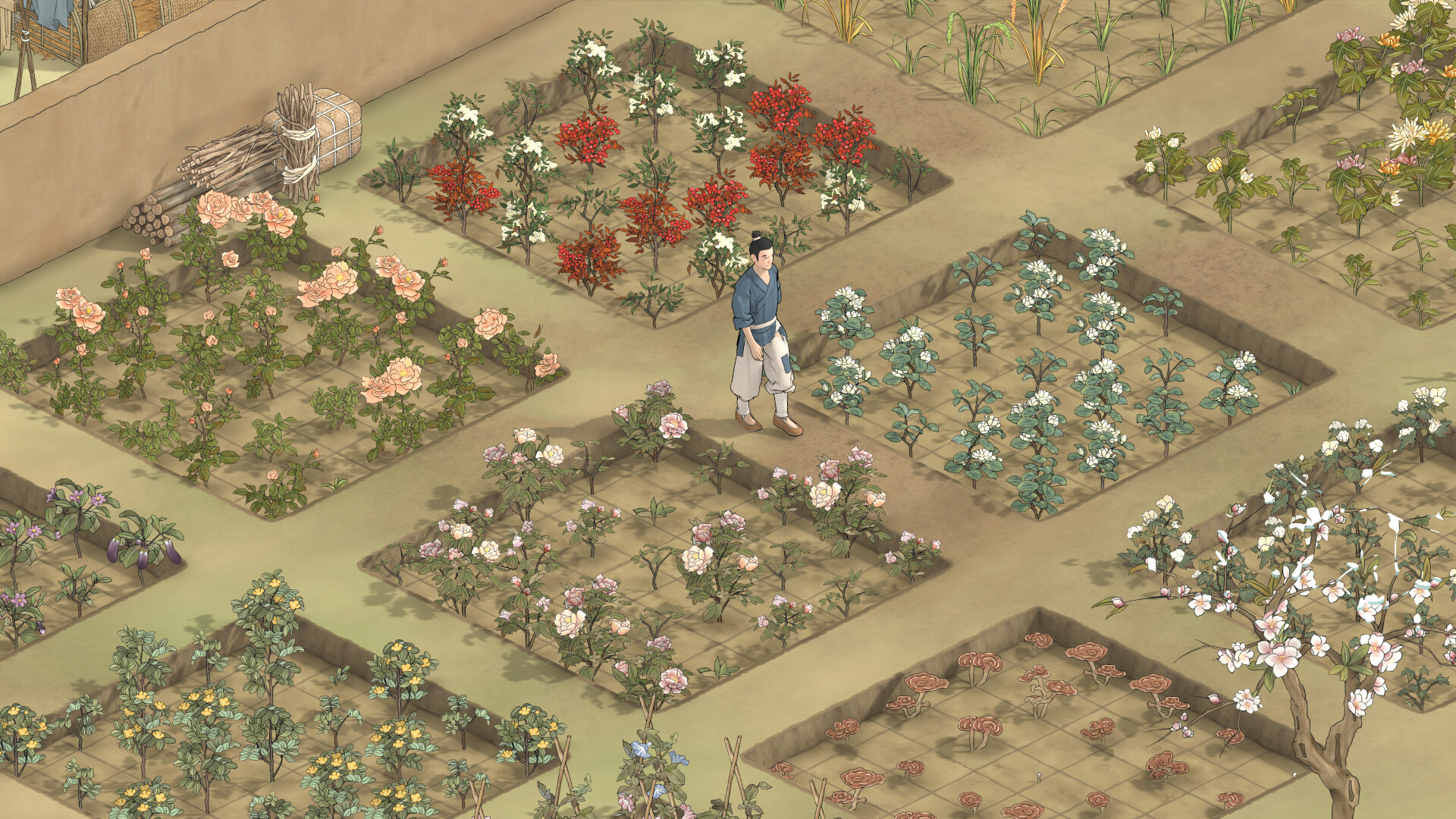
What is clear is that multiple romance options exist with distinct characterizations. Each romance candidate reacts to your actions and choices. A partner who values honor will respond poorly if you engage in criminal activity through the game's dark side systems. Someone from a merchant family may appreciate your business acumen but care little about your martial arts skills. The relationship is not purely transactional. You cannot simply gift your way to marriage by handing over expensive items on repeat. NPCs form opinions based on the totality of your behavior.
Courtship and Social Interactions
The game provides several categories of social interaction: befriending, bribing, confronting, and direct romantic pursuit. These are not just dialogue options. They play out through the game's broader systems. Befriending someone might involve helping with their daily work. This shows up when they need assistance, or siding with them in a dispute. Bribing is faster but carries risks if the NPC has a strong moral code or if someone else notices.
Confrontation is also an option, though its role in romance is more about establishing boundaries or resolving conflicts than about aggression. If a rival NPC is interfering with your relationship, confronting them is one path forward. The game tracks these interactions and their outcomes, and NPCs remember what you have done.
Romantic interactions build up over time. There is no single dialogue choice that locks in a relationship. Instead, the player accumulates positive and negative impressions through repeated contact. Spending time near an NPC, participating in shared activities, giving appropriate gifts, and making choices that align with their values all contribute. The system rewards patience and attention to the specific NPC's character rather than a one-size-fits-all romance formula.
Marriage
Once a relationship reaches a sufficient level, marriage becomes available. The game frames this as choosing to lead a tranquil life: work, engage in trade, and build a family. Marriage changes the player's daily routine. You gain a home base with a spouse who has their own activities and schedule. The household becomes a functional unit within the economy system, with shared resources and property.
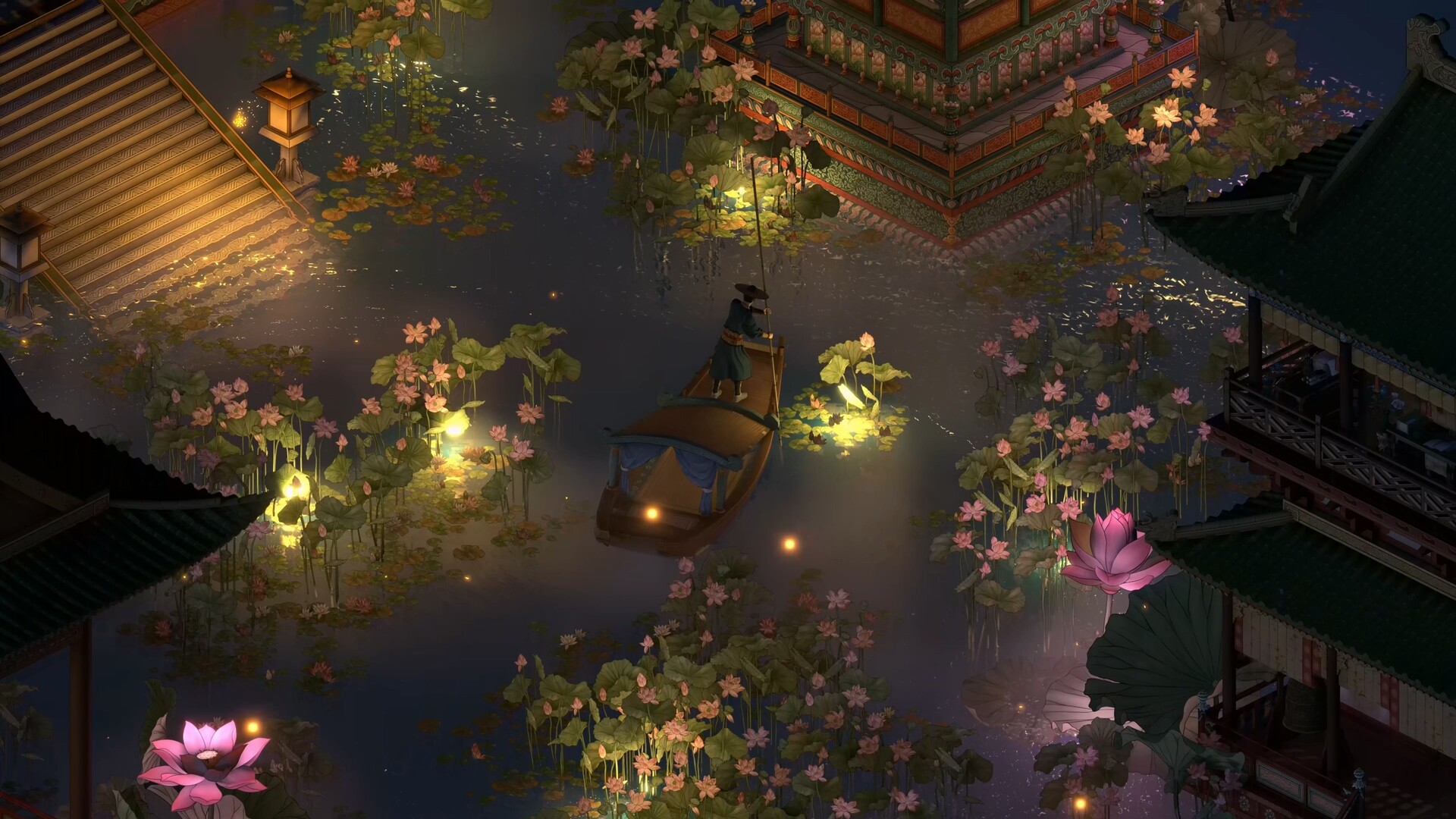
Marriage is not a game-ending event. It is a change in status that opens some options and modifies others. A married player has a stable home, a partner who can assist with certain tasks, and social standing that affects how other NPCs treat them. At the same time, marriage introduces obligations and expectations. Your spouse has opinions about your activities, and neglecting the household can damage the relationship.
Family and Children
The developers have referenced family-building as part of the domestic system, but specific mechanics around children and offspring have not been confirmed in detail. It is clear that the game envisions a full domestic lifecycle where players can settle down and raise a family, but whether children grow up, gain skills, or become playable has not been publicly spelled out. This section will be updated as more information becomes available.
Consequences and Ripple Effects
Choices in the romance and social systems carry unexpected consequences. The developers have repeatedly emphasized this point. Helping one NPC might anger another. Marrying into a particular family might give you allies but also enemies. The NPC systems track relationships across the entire community, so your social actions create waves that affect gameplay beyond the immediate interaction.
If you bribe someone and they accept, their opinion of you might increase, but their opinion of themselves decreases. If they reject the bribe, they may become hostile. If a third NPC witnesses the bribe attempt, they form their own judgment. The game simulates a social network rather than isolated one-on-one interactions.
This extends to the faction level. Marrying someone associated with a specific faction can shift your standing with that group. A spouse from a merchant family might improve your trade connections. A spouse from a martial arts sect might give you access to training facilities. These are not guaranteed bonuses handed out at the wedding ceremony. They emerge naturally from the way the NPC network processes your new social position.
Domestic Life and Daily Routines
Players who pursue the domestic path find that their day-to-day gameplay shifts. Instead of wandering the wilderness full-time, married players tend to establish a home region where they focus on farming, business management, or community involvement. The game does not force this. You can marry someone and then leave to go bounty hunting for a month. But the domestic systems reward consistent attention, and a neglected household will show it.
The daily routine of a domestic player involves managing the home, interacting with neighbors, participating in local events, and maintaining the relationship. It is a different pace from the combat-focused or exploration-focused playstyles, and it represents one of the many valid paths through the sandbox. Some players will find that the domestic loop is where they spend most of their time, while others will dip into it between adventures.
Current Information Gaps
Several aspects of the romance and family system have not been confirmed in public materials. The exact number and identity of romance candidates is unknown. Whether same-sex romance is supported has not been stated. The full mechanics of the family lifecycle, including children's development, remain undetailed. Whether marriage can end through divorce or death and what happens to the household afterward is also unconfirmed. This article reflects what has been publicly shared and will be expanded as the game reveals more.