Loading...
Loading...
Mushrooms and Herbs
April 11, 2026 at 07:34 AM
Merged content from "All Mushrooms and Herbs" (all-mushrooms-and-herbs)
Mushrooms and Herbs are a category of gatherables in Crimson Desert used primarily to brew elixirs and potions through alchemy. Items in this category can be obtained by foraging in forests, picking from flower patches, or purchasing from vendors. Brewing requires a cauldron, a recipe, and the correct ingredients. The category includes edible mushrooms, medicinal herbs with healing properties, and poisonous plants that can be processed into powerful but dangerous concoctions.
Many herbs in this category serve a dual purpose. Beyond their primary alchemy effect listed below, most also function as Alchemy Materials with separate stat-boosting properties when combined with other ingredients at higher alchemy tiers. A single Marigold, for example, provides an attack enhancement when brewed directly, but also contributes different bonuses when used as a secondary ingredient in more complex recipes. This dual-use system means that even common herbs remain valuable throughout the entire game.
Mushrooms grow in wooded and shaded areas across Pywel. They are used primarily as alchemy ingredients for stamina restoration potions, though some are also edible and can be used in cooking. All three mushroom species share the same alchemy effect (stamina restoration), but they grow in different regions, so players should learn which varieties are available near their current location.

Icon | Image | Item | Description | Region | |
|---|---|---|---|---|---|
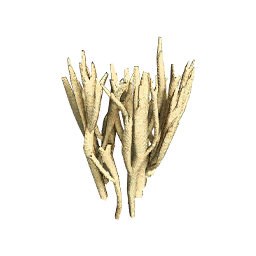 | Striking coral-like cap with distinctive branching shape; easy to spot due to its bright coloring. Grows on fallen logs and at the base of old trees. | Stamina restoration | |||
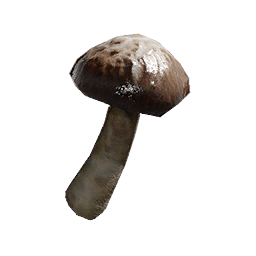 | Deep aroma with broad brown cap and stout stem; hearty texture. Prefers humid lowland forests and occasionally appears on southern hillsides. | Stamina restoration | |||
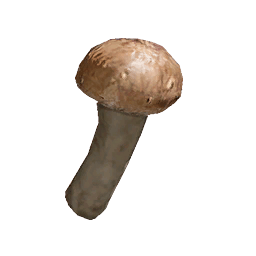 | Refined pine scent with soft brown cap and lingering fragrance. The most widely distributed mushroom, found in coniferous and mixed forests throughout the continent. | All of Pywel except desert regions | Stamina restoration |
Medicinal herbs are foraged from fields, mountains, and forested areas. They form the backbone of alchemy in Crimson Desert, providing ingredients for health potions, stat-boosting elixirs, and restorative brews. Twelve distinct species are catalogued across Pywel, each with a unique primary alchemy effect. Several of these herbs also double as Alchemy Materials, contributing different stat bonuses when used as secondary ingredients in advanced recipes.
Icon | Image | Item | Description | Region | |
|---|---|---|---|---|---|
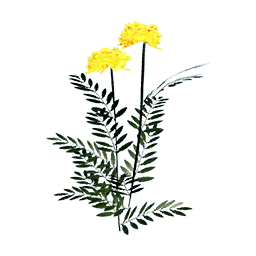 | Natural pest repellent within roots, sap, and blossoms. Its bright orange flowers are easy to spot in open meadows. Also used as an alchemy material for additional stat effects. | Southern Pywel regions | Attack enhancement | ||
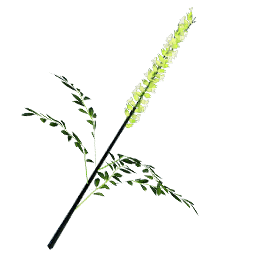 | Intensely bitter twisted root traditionally used for indigestion and neuralgia. Herbalists prize it for its reliability, though its gnarled shape makes it harder to harvest quickly. | Southern Pywel | Attack enhancement | ||
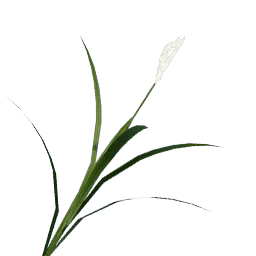 | Highly resilient growth; used for livestock feed, roof thatching, and basket weaving. Its fibrous texture makes it a practical crafting material as well as an alchemy ingredient. | Hernand (most prevalent) | Crafting material | ||
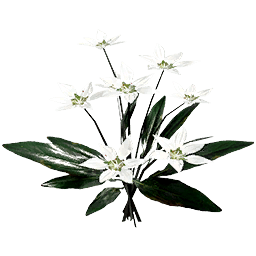 | Balances sweet and bitter notes; boosts vitality and treats illness. One of the most common herbs across the continent, making it a reliable ingredient for defense-oriented potions. | Throughout Pywel (non-desert) | Defense buff | ||
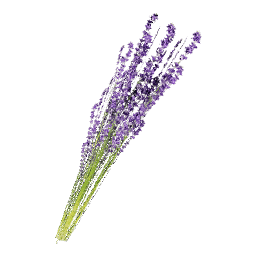 | Long stalk with small oval purple buds and soft sweet fragrance. When processed through alchemy, it pushes Spirit beyond its normal maximum, making it one of three awakening herbs. | Spirit awakening (beyond maximum) | |||
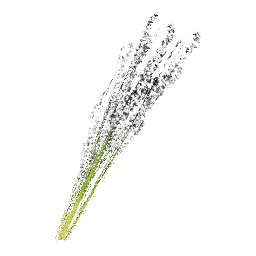 | Pristine white bud promoting clarity with a gentle calming fragrance. Awakens Stamina past its normal cap. Less common than standard Lavender but still found across multiple regions. | All of Pywel except desert regions | Stamina awakening (beyond maximum) | ||
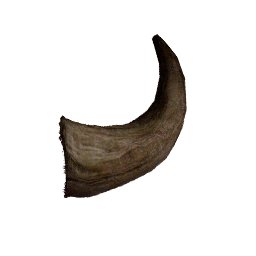 | Small but sturdy material suitable for crafting tools and ornaments. Despite being classified as a medicinal herb, Short Horn functions primarily as a raw crafting component. | Various locations | Stamina restoration | ||
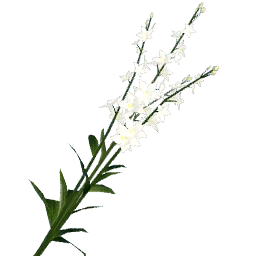 | Beautiful ornamental blooms traditionally used to ward against evil spirits. Found exclusively in the mystic forests of Demeniss, where locals believe it carries protective properties. | Medicinal | |||
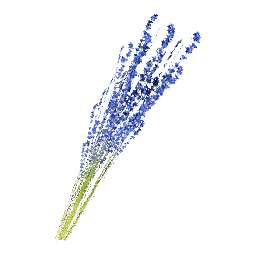 | Long chain of blue-tinged buds with a crisp, refreshing impression. Its body-hardening effect makes it popular among warriors who want to toughen their physical resistance. | Body hardening | |||
 | Thick split roots with bitter taste and subtle fragrance. Only grows in the soil near the Scholastone Institute, making it one of the more location-specific herbs. | Scholastone Institute area | Strength boost | ||
 | Various shapes and sizes; value increases the longer it grows. Found only in mountain regions outside the desert. Among the most valuable alchemy ingredients in the game. | Mountain regions (non-desert) | Medicinal (high value) | ||
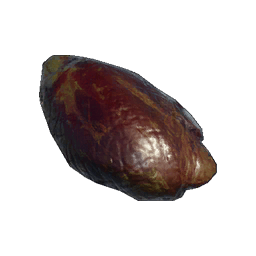 | Dark green liquid with a strong bitter taste and aroma. One of the rarest alchemy ingredients, obtainable only by hunting bears. Provides recovery, fever reduction, and detoxification effects. | Harvested from bears | Recovery, fever reduction, detoxification |
Certain herbs in Pywel are poisonous and must be handled with care. When processed through alchemy, these dangerous plants yield powerful effects that can push stats beyond their normal limits. False Hellebore is the only confirmed poisonous herb in the current catalogue, but its dual benefits make it highly sought after despite the risk.
Icon | Image | Item | Description | Region | |
|---|---|---|---|---|---|
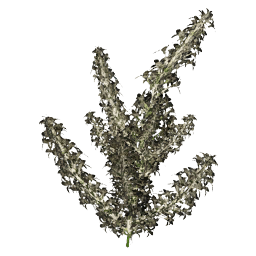 | Looks identical to wild garlic, making it easy to pick up by accident. Its poison is strong enough for use as pesticide. However, when processed through alchemy, it inflicts a temporary poison debuff while simultaneously awakening Health beyond its normal maximum and granting faster attack speed. This risk-reward tradeoff makes it a favorite among aggressive melee builds. | Throughout Pywel (non-desert areas) | Health awakening (beyond maximum), Attack Speed boost; inflicts poison |
Most herbs in this category also count as Alchemy Materials with different stat effects when used as secondary ingredients. For example, a Marigold brewed on its own provides an attack enhancement, but when added as a material in a complex potion recipe, it may contribute a different bonus entirely. This means players should stock up on common herbs even when their primary alchemy recipes are already covered, because the same plant serves double duty in advanced alchemy formulas.
The awakening herbs (Lavender, White Lavender, Blue Lavender, and False Hellebore) are especially valuable because they are the only way to push stats past their normal cap. Each awakening herb targets a different stat:
Icon | Image | Awakening Herb | Stat Awakened | Region |
|---|---|---|---|---|
Spirit (beyond maximum) | ||||
Stamina (beyond maximum) | All of Pywel except desert | |||
Body hardening | ||||
Health (beyond maximum) + Attack Speed | Pywel (non-desert); inflicts poison |
In addition to mushrooms and herbs, certain insects found across Pywel are used as alchemy ingredients. These creatures are caught by hand in the wild and processed at a cauldron alongside herbs to produce combat-enhancing elixirs.
Icon | Image | Item | Description | |
|---|---|---|---|---|
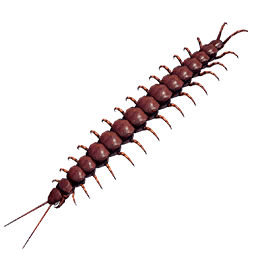 | Multi-segmented arthropod found under rocks and fallen logs | Attack Speed Lv 4 | ||
 | Navy and orange wing pattern; favors forest clearings | Max Health buff | ||
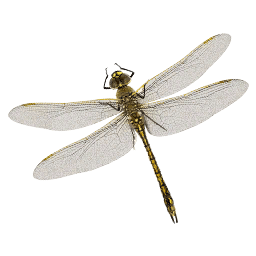 | Water-edge predator insect commonly seen near rivers and ponds | Max Health buff | ||
 | Navy wings with white pattern; rests on flowering shrubs | Stamina boost | ||
 | Dimorphic wing patterns with striking orange underside | Attack enhancement | ||
 | Reddish-brown with prominent eyespots; common in open grasslands | Attack enhancement | ||
 | Yellow and black striped wings; often seen near garden patches | Max Health buff | ||
Vivid yellow coloring; prefers warm, sunny fields | Attack enhancement | |||
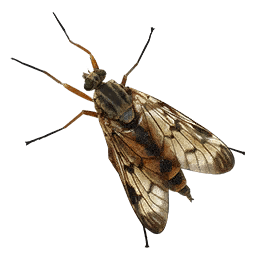 | Tiny insect attracted to ripe food and cooking stations | Stamina restoration | ||
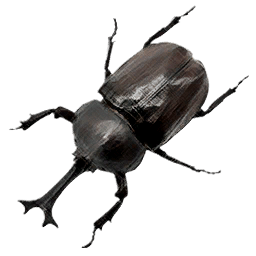 | Armored insect with a large horn; found on tree trunks at dusk | |||
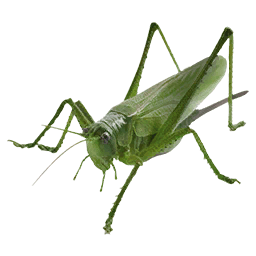 | Powerful jumping insect found in roadside grass and meadows | Spirit enhancement | ||
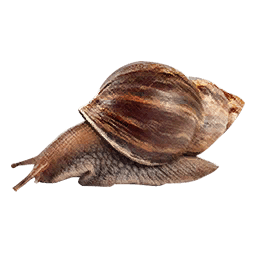 | Herbivorous creature with spiral shell; slow and easy to collect | Defense buff | ||
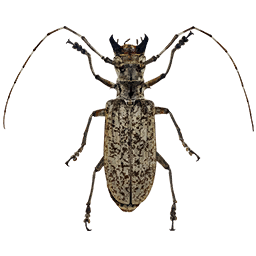 | Antennae longer than its body; hides in bark crevices | |||
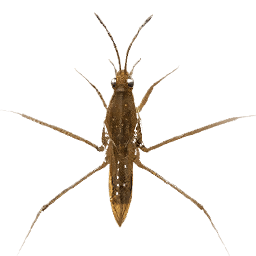 | Surface-walking insect found near calm water | Stamina boost | ||
 | Indigo males with distinctive eye-spots; rare and prized | Spirit boost |
Mushrooms and herbs are found in forests, on mountain slopes, and near flower patches. Walk up to glowing resource nodes and interact with them to collect the item. Most mushrooms grow in shaded, wooded areas, while herbs tend to appear in open fields and along trails. Gathering skill level does not affect herb yields, but higher-level foraging tools allow faster collection and reduce the chance of accidentally trampling rare plants.
Insects such as butterflies, beetles, and dragonflies can be caught by hand in the wild. Approach slowly and interact when prompted. Butterflies tend to appear near flowers and open fields, while beetles and water striders are found near trees and bodies of water respectively. Time of day matters: certain species like the Rhinoceros Beetle appear primarily at dusk and dawn.
Select mushrooms and herbs can be purchased from herbalist vendors in towns. These shops stock common alchemy ingredients, though rarer items like Wild Ginseng and Bear's Gallbladder must be gathered manually. Vendors in Hernand tend to carry a wider selection of herbs than those in frontier settlements.
Each region of Pywel supports different plant species. Planning foraging routes by region helps players collect the herbs they need without wasting time.
Icon | Region | Notable Herbs and Mushrooms |
|---|---|---|
Oakwood Mushroom, Satintail Root, Lavender; widest variety of common herbs | ||
Coral Mushroom, Snapdragon; mystic forest species | ||
Coral Mushroom; shared species with Demeniss | ||
Blue Lavender; some Oakwood Mushroom on southern hillsides | ||
Ginseng (exclusive to this area) | ||
Wild Ginseng (non-desert mountains only) | ||
While not herbs or mushrooms, these animal-derived materials function similarly as alchemy reagents and are often gathered alongside plant materials.
Material | Type | Source | |
|---|---|---|---|
Animal Part | Harvested from hunted deer; plentiful in Black Forest | Reagent | |
Animal Part | Harvested from dead cows during story quests | Reagent | |
Medicinal Plant | Quest reward (Path that Connects to House of Healing; Wolf Protecting Hernand) | Healing ingredient |
Lavender, White Lavender, Blue Lavender, and False Hellebore each awaken a different stat beyond its maximum. Collect all four varieties for comprehensive stat-boosting potions.
False Hellebore looks identical to Wild Garlic. Be careful when foraging in areas where both plants grow. Picking the wrong one inflicts a poison debuff unless you process it through alchemy first.
Insects are easy to overlook but provide some of the strongest combat buffs. Keep an eye out for butterflies near flower patches and beetles on tree trunks.
Bear's Gallbladder is one of the rarest alchemy ingredients and can only be obtained by hunting bears. It provides recovery, fever reduction, and detoxification in a single ingredient.
Pine Mushrooms are the most widely available mushroom, growing in nearly every non-desert region of Pywel. They make a reliable backup ingredient for stamina potions.
Stock up on common herbs like False Starwort and Marigold even after you have enough for primary recipes. Their secondary use as Alchemy Materials means they remain valuable at every stage of the game.
If you need to farm Ginseng, head to the Scholastone Institute area. It is the only known location for this herb.
Mushrooms prefer shade: Look at the base of large trees, along cliff faces, and near rivers and waterfalls. The area around Three Saints Falls is one of the best early-game mushroom farming spots.
Herbs grow in open fields: Meadows, hillsides, and the edges of forests are prime herb territory. The areas south of Hernand City near Muckroot Ranch are rich in Marigolds and Lavender.
Check barrels and chests: Oakwood Mushrooms can be found in containers throughout Hernand, not just in the wild.
Complete the Mushrooms Growing Among Poisons commission: This Demeniss commission rewards 5 Pine Mushrooms and a rare Mystical Pine Mushroom.
Visit Demeniss for Coral Mushrooms: Coral Mushrooms are Common-grade Defense Reagents, making them more valuable for alchemy than the Lesser-grade Pine and Oakwood Mushrooms found in Hernand.