
Loading...
Loading...
Getting Started
August 26, 2026 at 01:45 PM
Added Chemistry Lab refining to the jobs still worth queueing, separated the weapon and ability aiming toggles, and noted that a failed gathering attempt costs no stamina
This page is a starting point for new Pioneers in Soulbound: Online. The game is a pixel-art action MMO built around two connected activities: a shared open overworld and instanced roguelite dungeons. Understanding how those two halves feed each other is the key to getting going.
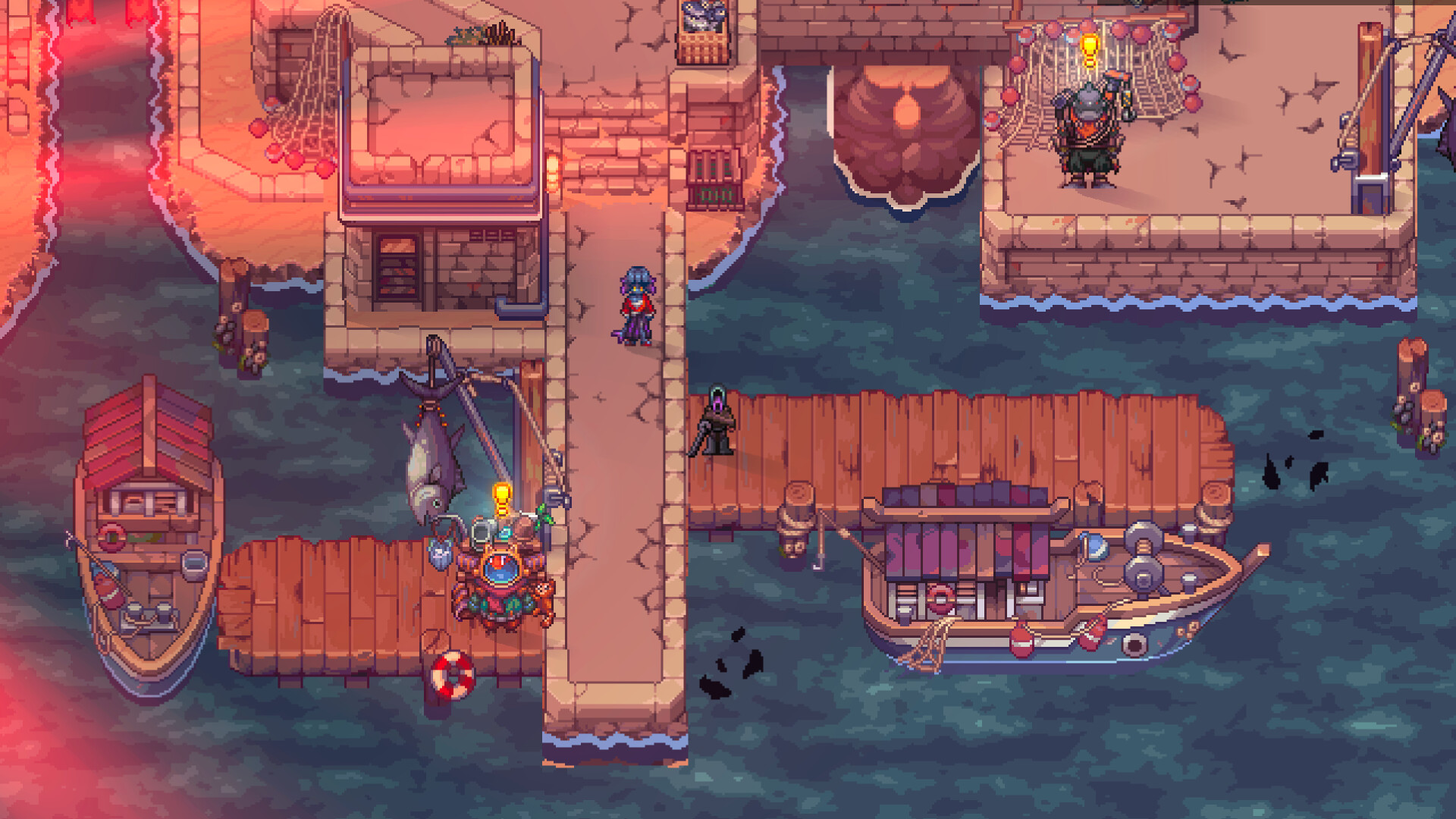
Soulbound: Online is in Steam Early Access as a paid release, costing $14.99 USD. A launch discount ran for the first seven days after release. A free demo ran during Bullet Fest and Steam Next Fest but ended on July 14, 2026, so the game is now bought directly on Steam. The Early Access build ships in English only. Japanese, Spanish, French and Brazilian Portuguese have been announced as a first localisation pass, with more languages after that. For launch details see Early Access and Roadmap, and check System Requirements before installing.
Step | What To Do |
|---|---|
Learn the loop | Explore the overworld to gather and craft, then take what you build into a dungeon run |
Build by gear | Soulbound is classless: change your class by changing gear, so try several roles |
Pick your skills | Fourteen skills level independently; combat skills gate the gear you can equip, gathering skills feed your crafting |
Run with friends | Most dungeon rungs take up to 3 players; team roles include tank, healer and damage. Party experience rates were raised, so grouping is now the fastest way to level |
Grab relics | Inside dungeons, pick relics that warp your abilities for that run |
Set up a base | Rent an apartment and build stations to unlock better gear, potions and meals |
Watch your stamina | Every gathering action costs 3 stamina, though a failed hack or a failed cast while fishing costs nothing, so eat stamina food or rest before a long gathering session |
Claim your chest | Reward chests at the end of a run are free to open, and dying early does not cost you your bag or gear |
Craft gear on the spot | Weapon and armour crafting takes five seconds at every tier and station upgrades are instant, so smelting, cooking and Chemistry Lab refining are the jobs worth queueing before you log off |
Turn on combat logs | Optional. A toggle in the settings and account menu writes combat logs to your local game data folder so you can review a fight afterwards |
Once you know the basics, read up on Combat to understand the bullet-heaven fights, Life Skills to grow your economy and crafting, and Gear and Cosmetics to separate your power from your look. The Crafting and Base Building page explains how your base turns into long-term progression.
For shortcuts that save real time, the Tips and Tricks page collects the habits experienced players settle into. Quests covers the Chapter 1 storyline and the gates that open each city, and Live Events and Commissions explains the rotating events that pay the two cosmetic currencies.
The fastest way to understand Soulbound is the loop the studio describes: Home, Craft, Dungeon, Gather, Home. Craft gear at your base, run a dungeon for loot, gather more materials in the overworld, and return home to craft the next upgrade. Your crafting stations turn raw ore and produce into the gear and food that make the next run reach further, and the Yoku you collect inside a run drives your relic picks for that run only.
The earlier demos covered the first few chapters and the same core systems, gear, crafting, the housing questline, and arena dungeon combat, so returning demo players already know the core loop. Every account was reset at launch, so everyone starts fresh in Early Access.
A few keys are worth learning early: B opens your bag, C opens your character profile, K opens the skills window and M opens the world map. Weapons can be set to manual, auto-aim or auto-cast, and abilities to manual or auto-cast, by shift-clicking their hotbar icons inside a dungeon.