

Crafting stations are the production backbone of every player base in Soulbound: Online. You build and upgrade them inside your home base at Virelda, and almost everything you craft, from weapons and armor to potions, food, and components, is made at a station. Crafting at a station grants experience to both your character and the station itself, so stations are a core part of meta progression.
How Stations Work
The Early Access build centres on a compact set of canonical stations, each with its own multi-level upgrade path. Higher levels unlock new recipes and access to higher-tier materials, add crafting slots so you can run several jobs in parallel, and open add-on module slots for furniture that boosts the station. Before launch the studio described a much wider roster of around twenty-eight station types with more than twenty-five modules across them; that is a longer-term target rather than what the launch build ships.
Crafting continues while you are logged off. You queue smelting, component crafting or cooking, then leave; the work finishes in the background and is waiting when you return. Station upgrades used to belong in that list. They no longer take any time at all, so there is nothing left to wait out.
Core Stations
The studio described an earlier version of this line-up before launch; the names below follow the live build. Exact recipes and per-level numbers are still being tuned during Early Access.
Station | Role |
|---|---|
Generator | Powers every other station. Burns fuel such as coal, wood or oil and outputs power shared across the base. Must be kept fuelled to keep stations running, including while offline. The Charged Cell, a high-tier fuel found in Tier 4 to Tier 6 hacking nodes, produces three times as much power as coal. |
Smelter | Smelts raw ore into the tiered ingots most other crafting depends on. |
Crafting Bench | Turns ingots and materials into the components used for weapons and armor. |
Chemistry Lab | Brews potions and elixirs and refines rare Yoku. |
Kitchen | Cooks farmed produce into food that grants buffs and restores stamina. |
Weapon Station | Final assembly point for weapons. Forty of the game's forty-three weapons are forged here. |
Gearforge | Final assembly point for armor and necklaces. |
Power Core Station | Upgrades weapons and abilities and unlocks new relic pathways. |
Cosmetic Station |
One recipe trap is worth flagging at the Chemistry Lab. It is the source of the Viridium Yoku Fillet, the Tier 5 item that Gearforge recipes ask for; the plain Yoku Fillet is the Tier 4 version and will not satisfy those recipes. Patch 4 also corrected the T5 and T6 stim and elixir recipes at the same station so they list the right materials.
Smelter Tiers
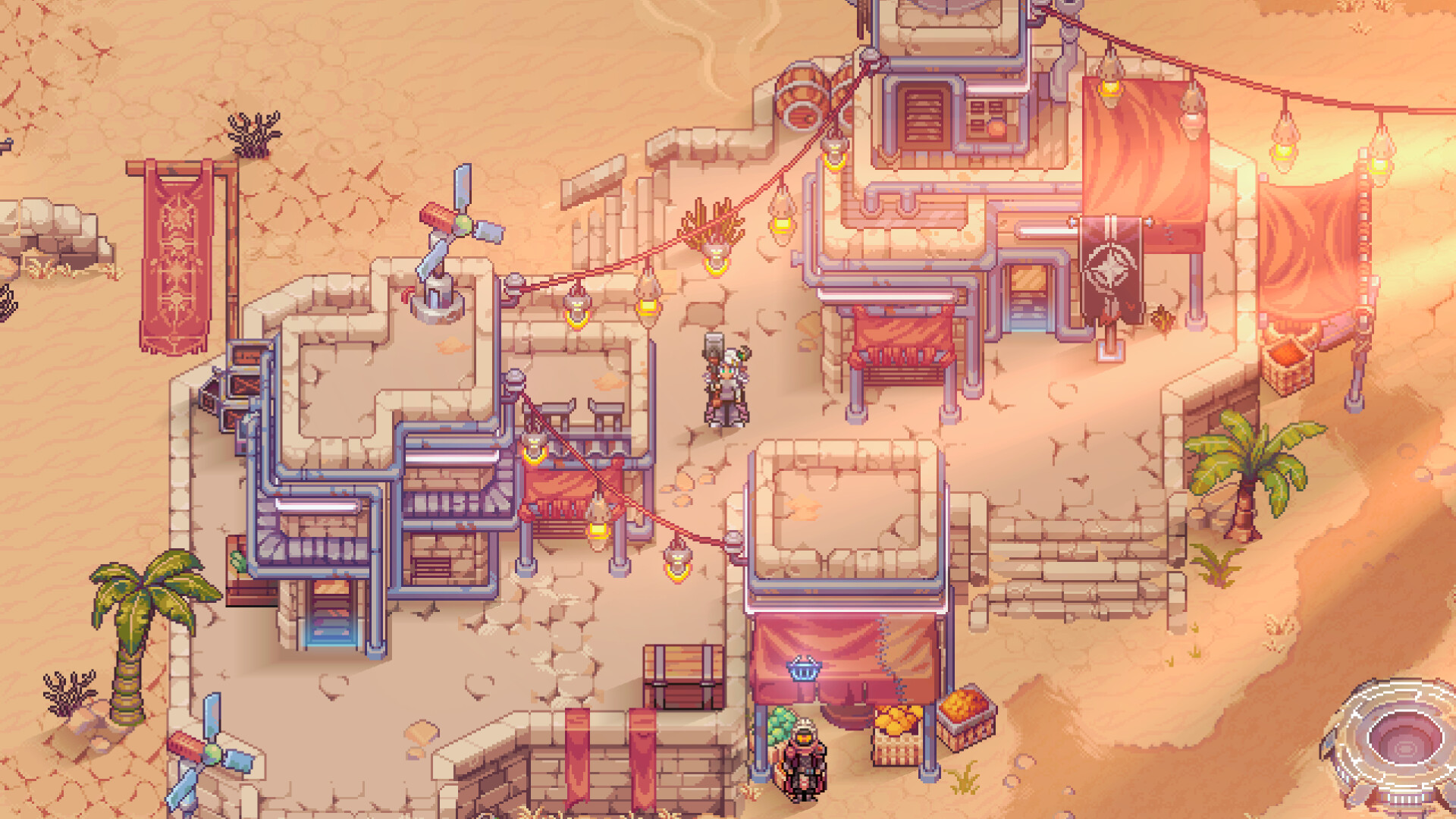
The smelter is the clearest example of how a station's upgrade path gates progression. Each level unlocks the next tier of ingot and draws more power. Craft times climb steeply with tier, and each slot has a 24-hour ceiling, so a single slot can turn out thousands of steel ingots a day but only a handful of the top-tier ones. How far the upgrade path runs is not settled, because player documentation and the studio's patch notes number the rungs differently, so the table gives the level each ingot asks for and claims no ceiling.
Station Level Required | Ingot | Tier | Ore | Craft Time | Power Draw |
|---|---|---|---|---|---|
1 | Steel Ingot | T2 | Iron Ore | 6 seconds | 15W |
2 | Chronosteel | T3 | Chronoterra | 3m 24s | 25W |
3 | Tritium Bar | T4 | Tritium Ore | 18m 45s | 35W |
4 | Voidstone Ingot | T5 | Voidstone | 1h 33m 45s | 45W |
5 | Astralite Ingot | T6 | Astralite | 7h 48m 45s | 55W |
The T5 and T6 rows only became relevant once those gear tiers shipped during the first weeks of Early Access. Post-launch tuning has already shortened the upgrade that unlocks Tier 6 ingots considerably and rebalanced the crafting experience that chronosteel awards for its tier. An early patch then cut craft and station upgrade times across T4 to T6 so that no upgrade took longer than a day, and Patch 4 went further: station upgrade timers are now zero, so upgrading any station completes instantly.
Read that carefully, because it does not apply to the table above. Patch 4's instant crafting covers weapons and armor, which now take five seconds at any tier, and it covers station upgrades. Ore smelting kept its own times, so the six seconds for a Steel Ingot and the just-under-eight-hour wait for an Astralite Ingot are still what the smelter charges you.
The Power Grid
The Generator is the heart of the base. Production stations draw from its shared power pool, so if your total power draw is higher than the Generator's output, something has to switch off. Documented smelter draw climbs from 15W at level 1 to 55W at level 5, and every other production station adds its own draw on top, so the grid is a real constraint in the early game, and much less of one once the Generator is upgraded. Patch 2 raised the fully upgraded Generator's output from 180W to 300W, which was enough headroom to run a full set of stations at once, and Patch 4 then doubled Generator output at every tier. Before launch the studio illustrated the same idea with a starting base in which two stations each drew 20 power against a Generator producing only 10; those particular figures belong to the pre-launch build and no longer match the live one, but the decision they describe is still the early game's shape.
Fuel matters as much as tier. A Generator burns coal, wood or oil, and Patch 4 added a high-tier option: the Charged Cell, which produces three times as much power as coal and is found in Tier 4 to Tier 6 hacking nodes. Feeding a Generator Charged Cells instead of coal is the simplest way to add headroom without another upgrade.
Upgrading Stations
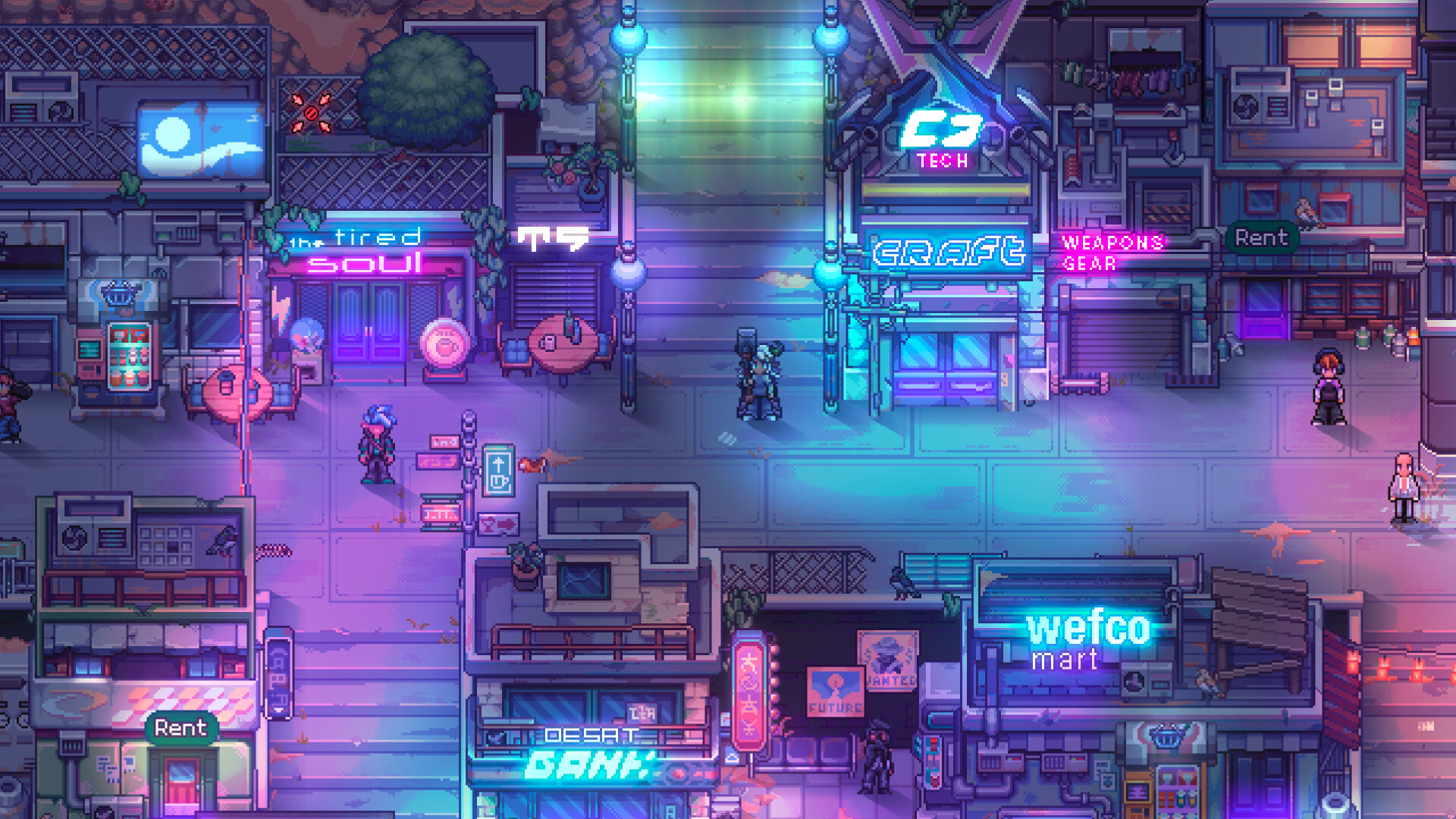
The more you use a station, the closer it gets to its next upgrade, and every upgrade is a permanent improvement to your production. A low-level Crafting Bench only makes crude parts, while a high-level one produces epic weapon and ability cores. Add-on modules layer on top: a refinery module can add crafting slots and halve the Smelter's craft time, and themed modules can unlock exclusive recipes on the Chemistry Lab or Kitchen.
Shared And Social Use
Your base and its stations are designed to be shared. You control who has access through granular permissions and can invite friends to help build and use your stations. The studio has said guild bases (planned after the initial release) will let members collaborate on shared stations, and a roadmap goal is to let other players pay to use your stations for income even while you are offline.
Station names, recipes and module lists describe the Early Access build and are being tuned as it develops.
Random Rolls At The Gear Stations
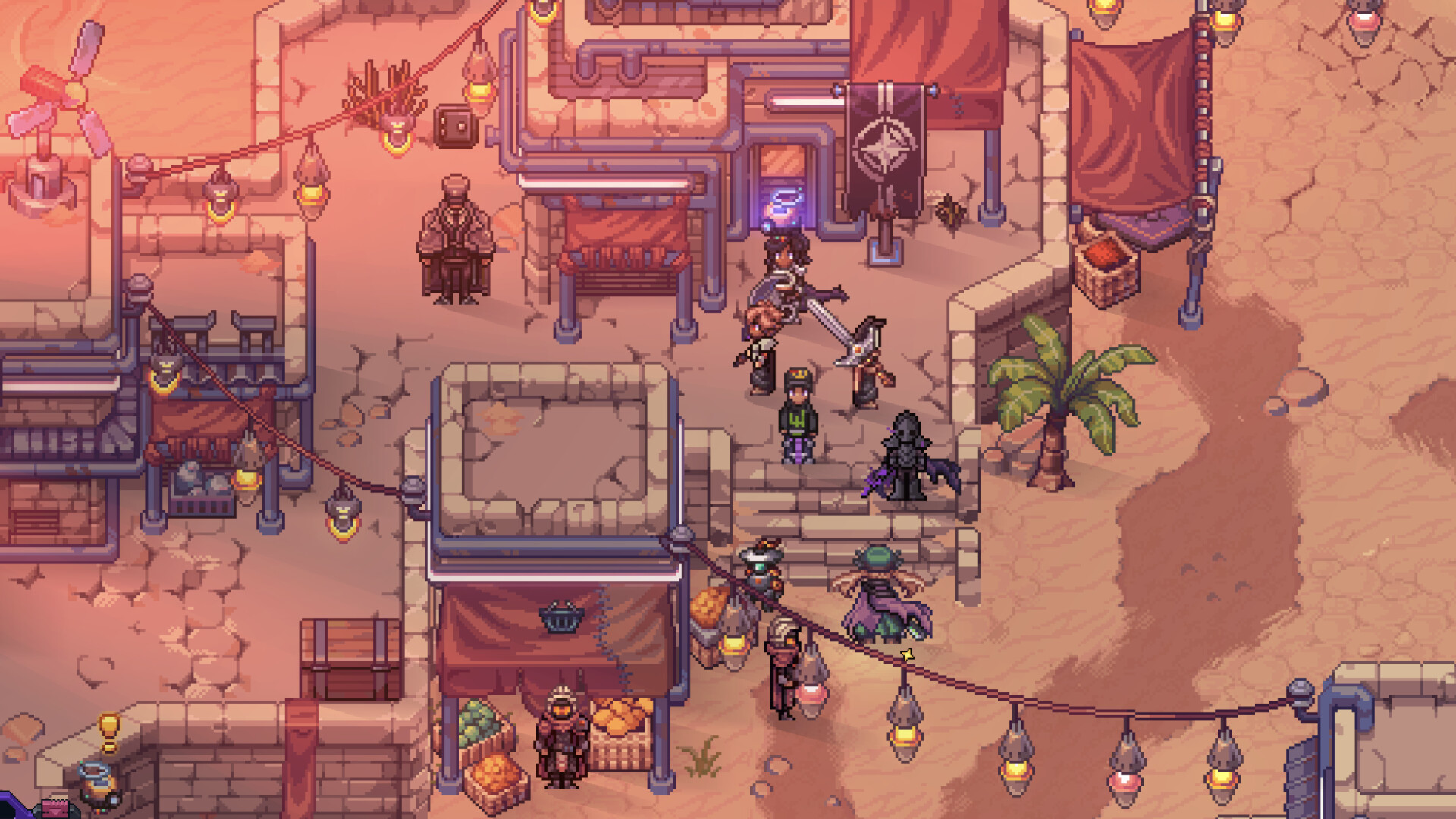
Since 9 September 2026 the Gearforge Station and the Weapon Station no longer produce a fixed item. Both roll a random rarity and stat line for each craft, drawn from the same variant pool that dungeon chests use, across 103 recipes covering all head, chest and feet armour and every weapon from Tier 1 to Tier 6. At Tiers 1 and 2 the odds match dungeon drop odds; from Tier 3 upward the odds tilt toward Epic and Legendary, and Uncommon results cannot be crafted at Tiers 5 and 6 at all.
The practical effect at the station is that you now read the tooltip before you commit. New crafting tooltips display the stat ranges and rarities a recipe can produce, which is the only way to tell whether a craft is worth the materials. Accessories, belts and tools are outside the system and still craft to fixed stats, and anything crafted before the change kept what it had.
September 2026 Station Fixes
Fix | Date | Detail |
|---|---|---|
Placement no longer eats the item | 4 September 2026 | Placing furniture or a crafting or manufacturing station could consume the item without placing anything, leaving it stuck. Placement now waits longer for the item service to respond before failing. |
Stuck stations released | 27 August 2026 | Placed furniture such as smelters could become permanently stuck and impossible to pick up. |
Manufacturing Table immobilisation | 9 September 2026 | Placing a Manufacturing Table in an apartment could sometimes immobilise your character. |
Manufacturing Station rarities | 9 September 2026 | Displayed item rarities now match recipe rarities, so legendary gear no longer appears under the Rare heading. |
Pendant craft times | 9 September 2026 | The Brawler's Pendant, Elemental Pendant, Gunner's Pendant and Necklace of Explosions were listing roughly thirteen minutes at the Gearforge Station and now correctly take five seconds. |
One station-adjacent addition sits with Tammy in Arcadia rather than at a bench: equipment salvaging, added on 9 September 2026, turns gear you no longer want back into crafting materials for a gold fee scaled to the item's tier. It is covered on Crafting and Base Building.