

Housing is not an optional side system in Soulbound: Online. Every player is given an apartment as part of the game, and it is where your crafting stations live, where offline production happens, and where a good deal of the player economy is transacted. The apartment you start with sits in Virelda and is entered through a keypad beside the door.
Sizes
Apartments come in four sizes: Small, Medium, Large and Penthouse. Size decides how much room you have to build inside, and which rentable overworld locations the apartment can be attached to. Most players hold a Small apartment for a long time, because almost every rentable door in the world is specified for one.
Who Gets In
Access is set per apartment, and the four tiers are worth understanding before you start storing anything valuable or running a shop.
Setting | Who Can Enter |
|---|---|
Closed | Nobody but you. |
Whitelist | Only the specific players you name. |
Friends | Anyone on your friends list. |
Open | Anyone at all. |
Visitors get in either by walking through the entrance or by entering the keypad code. Opening a city apartment to the public is a deliberate design choice rather than a risk: it is how players run shops, and the studio has said a roadmap goal is to let other players pay to use your stations, generating income while you are offline.
Furnishing And The Room Editor
Inside, an apartment is decorated with furniture and fitted with stations. Furnishings are bought at the Yoku Forge in Arcadia and crafted at your own benches, and a room-layout editor handles the arrangement. Add-on modules sit alongside the furniture and change what a station can do, adding crafting slots, cutting craft times or unlocking recipes it would not otherwise carry. The studio has also said furniture that grants stat bonuses, and station cosmetics, are planned for later in Early Access rather than shipped today.
One rule is worth reading before you move: giving up an apartment removes all of its furniture and stations, including the experience those stations have accumulated. If the apartment has a rented plot attached at the time, that lease transfers to whoever takes the place next.
Renting A Door In The World
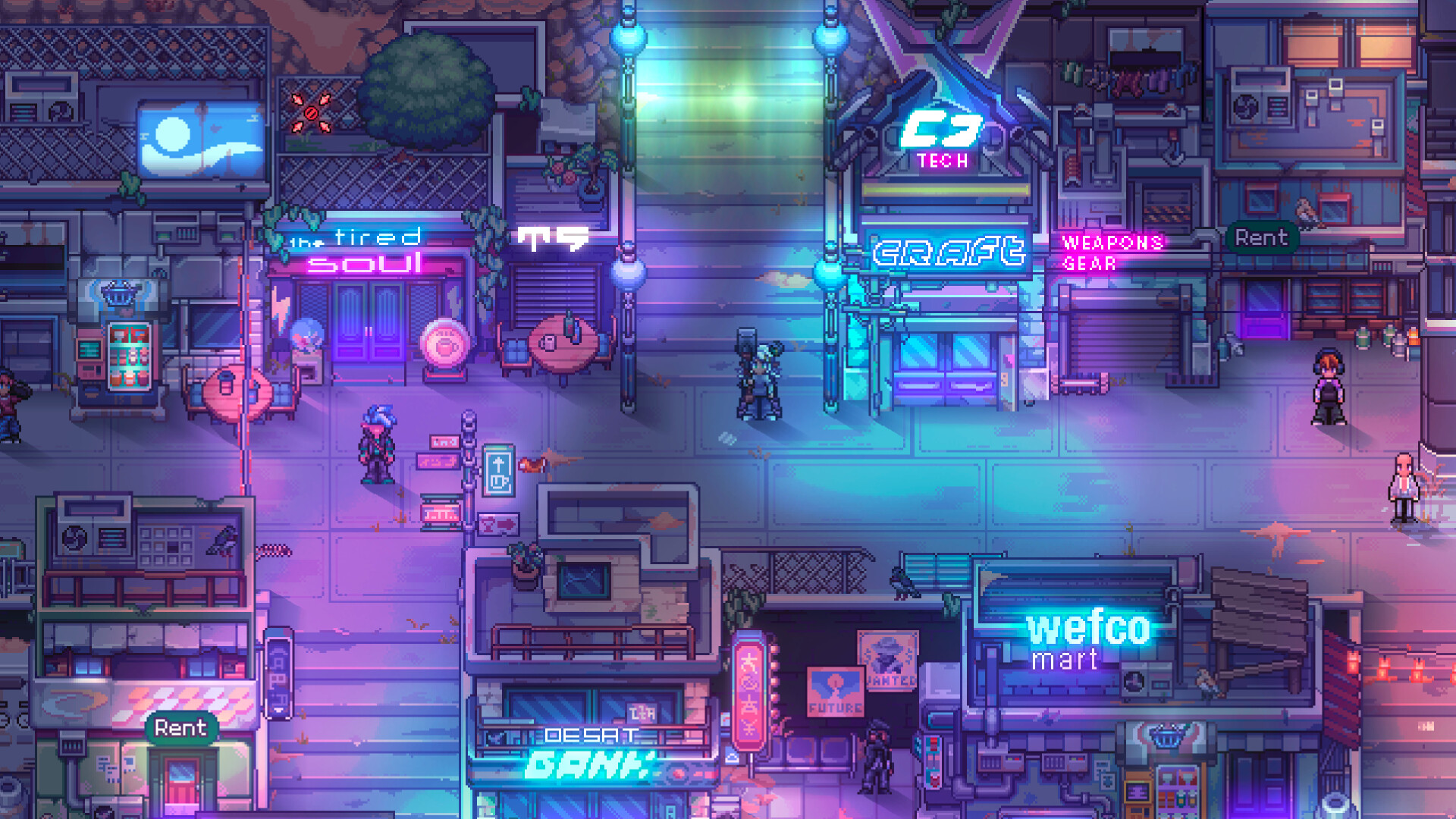
An apartment can also be attached to a rentable location, which is a real door out in the overworld rather than only a keypad entrance. That gives your home a street presence, which matters if you intend to trade. There are thirty-six of these doors across the world, and four of them come with a farming plot attached.
Zone | Rentable Doors |
|---|---|
24 | |
Arcadia City | 5 |
Neo-Tilus | 4 |
Farpoint Rift | 3 |
An unrented door carries an Open tag. Activating it brings up the rental panel, which checks three things: that you have an unassigned apartment of the right size, that you meet the location's skill requirements, and that you can pay. Thirty-four of the thirty-six locations want a Small apartment; the two exceptions sit in Neo-Tilus and accept any size.
Rent Terms
Rent is quoted per day but charged up front for a whole term, and you choose between a seven-day and a twenty-eight-day term from a dropdown. The total is simply the daily rate multiplied by the days.
Some doors also carry a skill requirement, and the city doors are the expensive ones. The figures below are worked examples rather than a price list: gold values move during Early Access, and these are numbers players have recorded rather than a published rate card.
Door | Daily Rent | Skill Requirement |
|---|---|---|
Two of the five Arcadia City doors | 300 gold | Gearforging 15, Crafting 15 and Hacking 15 |
The other three Arcadia City doors | 400 gold | None |
Nine of the Virelda doors | 25 gold plus 10 copper ore | Mining 5 |
Virelda locations charge materials as well as gold, which is why they read cheaper than they are. A door at twenty-five gold plus ten copper ore per day works out at a hundred and seventy-five gold plus seventy ore for a week. Ten other Virelda doors are cheaper again at fifteen gold plus twenty iron ore a day, so this is not the cheapest way in.
Auto-renew can be switched on so the rent comes out automatically at the end of a term, and you can rename the nameplate on the door. If a lease lapses there is a short grace period before the location is released, and once a door is given up there is a cooldown measured in hours before that same door can be rented again.
Why It Is Worth The Gold
An apartment is the engine room of your character. Production continues while you are logged off, so a well-fitted base turns time away from the game into gear and materials. Rentable stations and farming plots generate gold, apartment ownership feeds into the Teshimi VIP area in Arcadia, and guild bases, which turn an apartment into a shared physical location in the world, are on the studio's published plan rather than in the build.
Running your home as a factory got a lot easier in August 2026. The studio said it had found players turning on several stations at home to produce materials in bulk, and doubled generator output at every tier so that you would not have to, a change it said makes factory-style crafting more practical and lets you leave your generators and furnaces running. The same patch cut weapon and armour crafting to five seconds and took station upgrade timers to zero, which makes base building a background process rather than a queue you have to keep feeding. The long waits are where they always belonged: ore smelting, cooking, and Chemistry Lab refining, which still runs from about twenty-six minutes for a Yoku Fillet up to roughly an hour and a half for the Celestial version.
Two planned additions would extend the space further, and both carry a quarter on the studio's published plan.
Planned | Quarter | What It Adds |
|---|---|---|
Deeper Base Building | Q4 2026 | A bigger apartment builder, furniture types that grant stat bonuses, and complementary furniture that boosts what a station produces |
Guild Bases | Q1 2027 | Turning an apartment into a shared base that a group builds up together, with a physical location out in the world |
Rents, sizes and location requirements are being tuned during Early Access, so treat specific numbers as current rather than permanent.
The Four Sizes
Apartments come in four sizes and the size decides how much you can fit inside, which in practice decides how many stations you can keep running at once.
Size | Position |
|---|---|
Small | The starting size |
Medium | Second rung |
Large | Third rung |
Penthouse | The largest |
Every player gets an apartment in Virelda, reached through the keypad beside the building, and you decide who gets in: nobody at all, friends only, or the whole server. Stations you place are not decoration. They level up as they produce, they can be rented out to other players and earn gold while you are offline, and farming plots keep growing between sessions.
Renting A Shopfront
Once you have gold to spend you can attach your apartment to a door out in the world, which puts your shop and your stations on a street other players actually walk down. Look for an entrance tagged Open and activate it.
Term | Detail |
|---|---|
Lease lengths | Seven or twenty-eight days |
Payment | Rent is quoted per day and paid up front in gold |
Virelda locations | Ask for materials in addition to gold |
Auto-renew | Can be switched on so you do not lose the spot |
Renewal window | Opens in the final day of the term |
September 2026 Apartment Fixes
Three faults that had made apartments awkward were cleared on 9 September 2026. Leaving an apartment now returns you to where you entered from instead of dumping you in Arcadia City, and the teleport option in the apartment interface is disabled while you are inside. The Build, Furniture and Manage Apartment bar, which had taken a long time to appear after entering, now shows almost immediately. And placing a Manufacturing Table no longer risks immobilising your character.
Earlier in the fortnight, on 27 August 2026, placed furniture such as smelters stopped becoming permanently stuck and impossible to pick up, and on 4 September placing a piece of furniture or a station stopped occasionally consuming the item without placing anything. Placement now waits longer for the item service to respond before failing rather than swallowing the item.
Deeper base building sits on the studio's plan for the fourth quarter of 2026: a bigger builder with new furniture types that grant stat bonuses and stations that gain complementary furniture boosting what they produce. Guild bases, which would turn an apartment into a shared space with a physical location in the world, are scheduled for the first quarter of 2027.