Loading...
Loading...
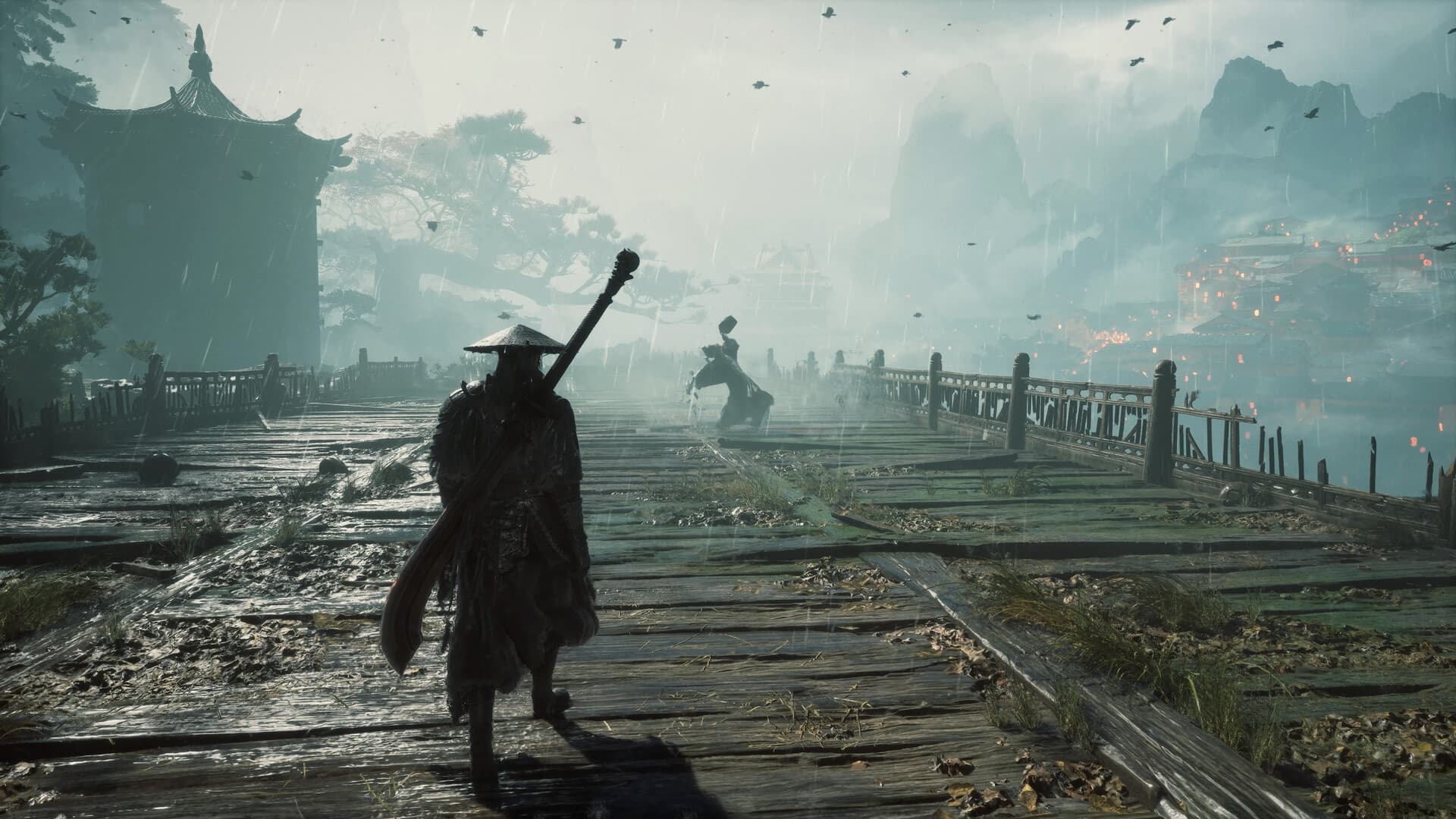
Side quests in Phantom Blade Zero have a macroscopic effect on the main storyline. Acting with honor shapes Soul's Xia and feeds into one of eight distinct endings.
Phantom Edges are the 25 secondary sub-weapons in Phantom Blade Zero, activated via R2 to add ranged attacks, crowd control, or burst damage to Soul's combat toolkit.
Profile of Leng Tu, a returning character from the Rainblood saga who appears in Phantom Blade Zero.
Boss guide for Commander Cleave in Phantom Blade Zero, a curved blade specialist with delayed and erratic attack patterns.
Drunken Sword is a confirmed Phantom Blade Zero fighting style, showcased in S-GAME's April 2026 behind-the-scenes motion-capture video. It translates classic drunken-boxing footwork into Soul's swordplay through verbatim mocap rather than reskinned animations.
Soul's signature primary blade in Phantom Blade Zero a mysterious metal sword that carries the weight of a cleaver, fills the Bleeding meter to trigger Hemorrhage, and has an alternate polearm form.
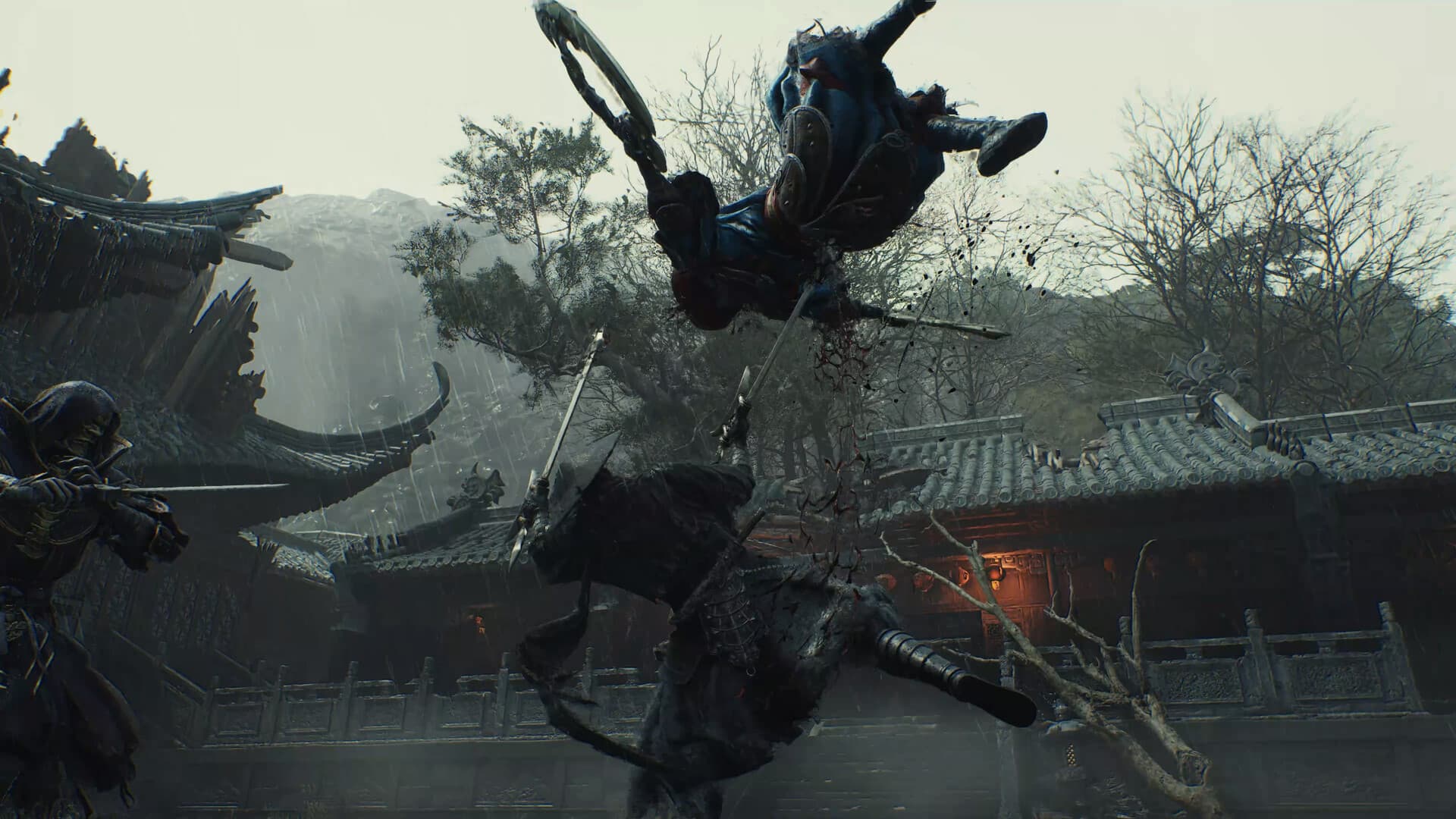
Complete guide to the Sha-Chi system in Phantom Blade Zero, covering Sha-Chi generation, spending, opponent Sha-Chi depletion, parry cost waiver, weapon switching recovery, and the Sha-Chi Essence sub-resource.
Phantom Blade Zero draws on Ming dynasty China, wuxia film traditions, and real kung fu choreography to build its 'kungfupunk' aesthetic.
Boss guide for the Iron Mask Killer in Phantom Blade Zero, the tutorial boss that introduces players to core combat mechanics.
Weapon guide for Jagged Steel in Phantom Blade Zero, a serrated blade that stacks bleeding damage over time.
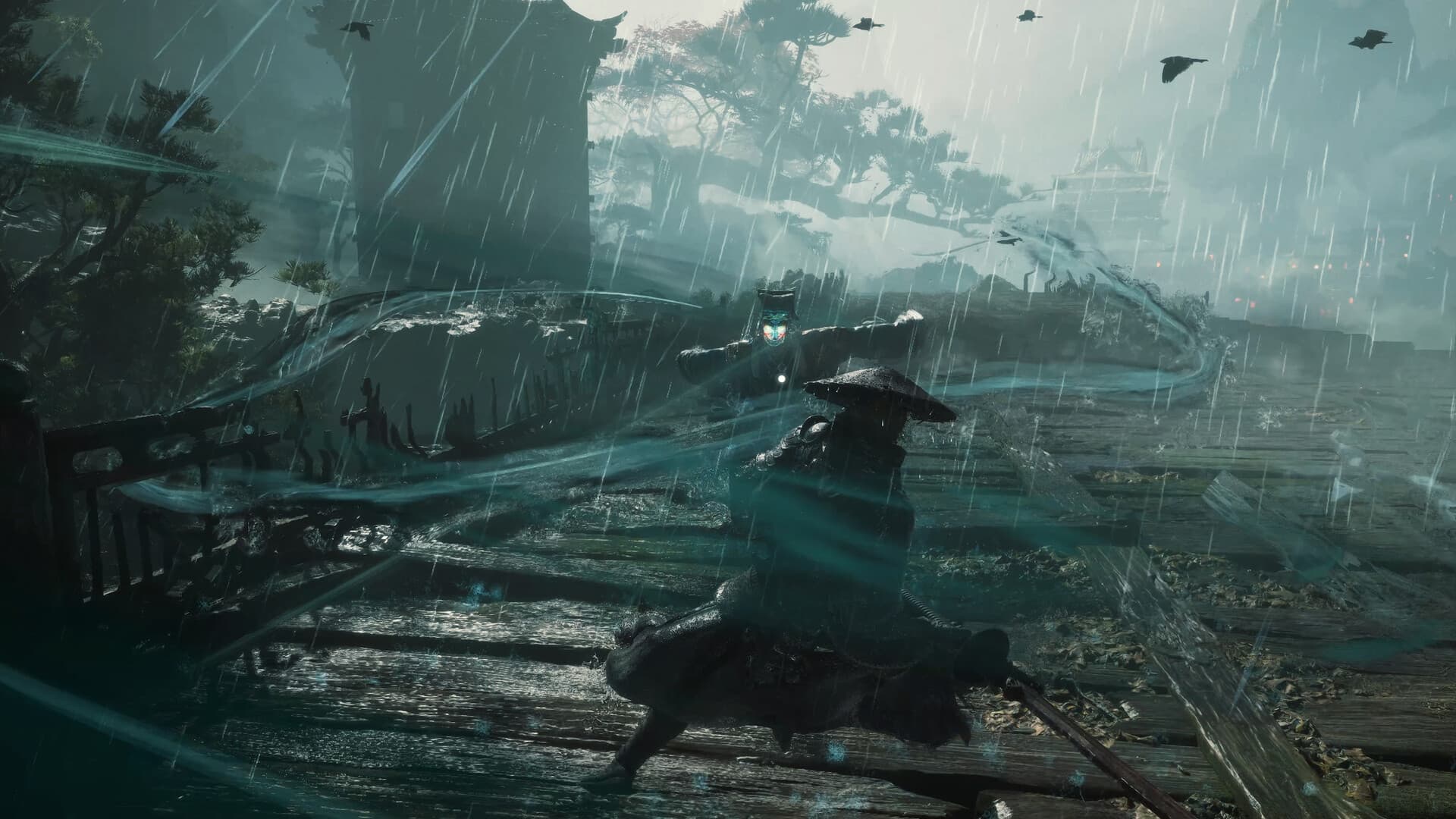
A labyrinthine town location in Phantom Blade Zero showing ray-traced lighting, baked lighting with selective ray-traced shadows, and music by sound producer Bo Caisheng.
Weapon guide for White Serpent & Crimson Viper (No. 27) in Phantom Blade Zero, dual swords with a long/short combo system.
Phantom Blade Zero's player and enemy fighting styles, including Drunken Sword, Soul's Infernal Blade and Dark Raider, mocap-driven choreography, and how named styles slot into the broader weapon-switching combat system.
Guide to the weapon switching system in Phantom Blade Zero, covering the 2+2 weapon loadout (Left D-Pad for main weapons, Right D-Pad for Phantom Edges), instant Sha-Chi restore, and mid-combo transitions.
Boss guide for the Red Wraith in Phantom Blade Zero, an agile combatant who joins the Coppermaul fight and requires precise Ghostep counters.
Boss guide for Huangxing in Phantom Blade Zero, the pyramid-helmeted warrior with a ball-and-chain flail and an instant-kill grab attack.
Lore article on Perfect Transcension, the cult ritual in Phantom Blade Zero that strips humanity to create enhanced fighters, including the Seven Judgments warriors.
Phantom Edge guide for the Savage Axe in Phantom Blade Zero, a heavy axe with charged strikes that deal massive Sha-Chi damage.
A pair of bladed rings (chakrams) in Phantom Blade Zero that act as homing projectiles, with a shadow-step dodge effect and acrobatic melee/ranged versatility.
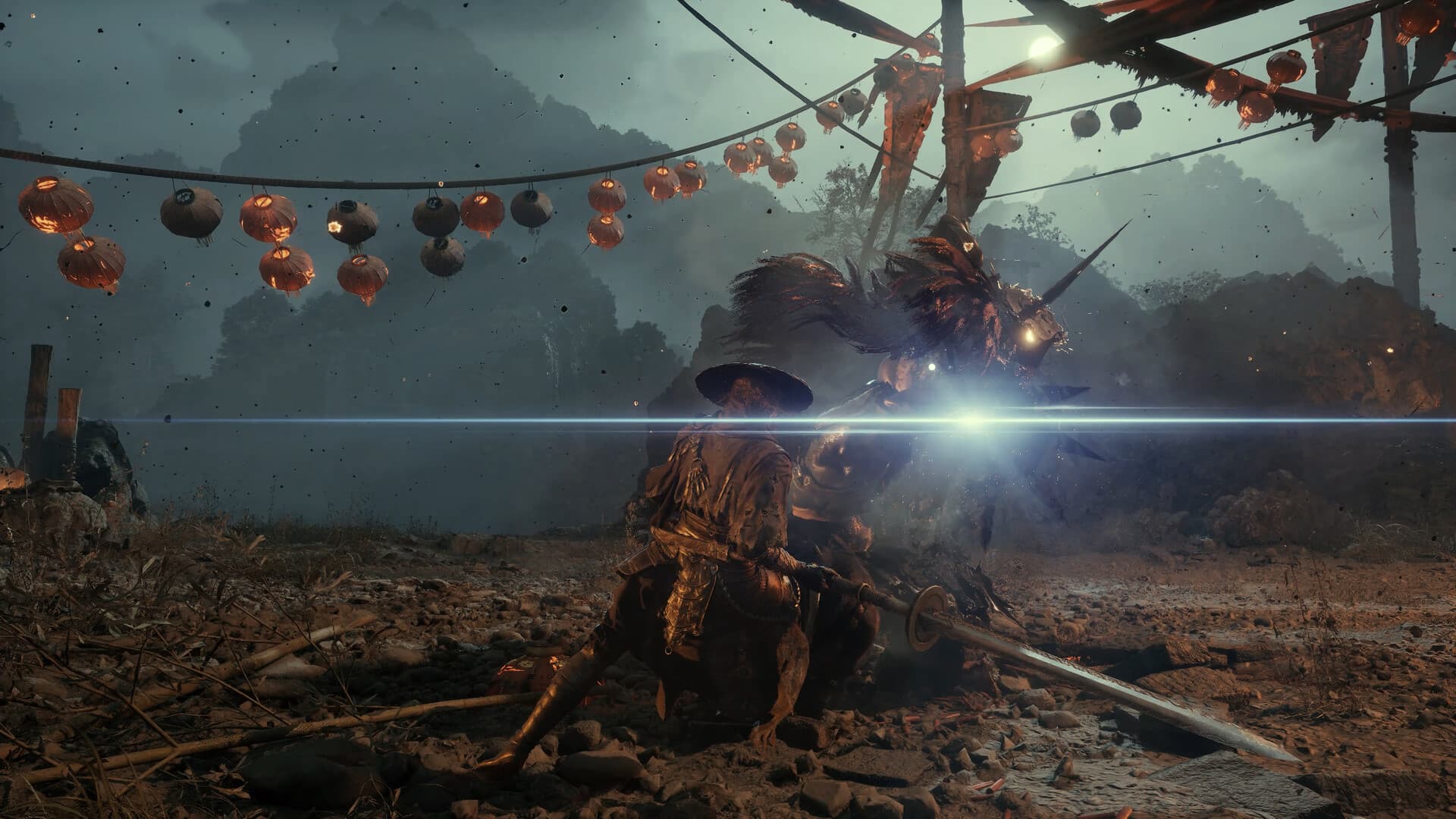
Major factions in Phantom Blade Zero: The Order, the Phantom Blade Executioners lineage, Pang Town residents, boss-tier antagonists, and the Phantom World political backdrop that drives Soul's 66-day investigation.
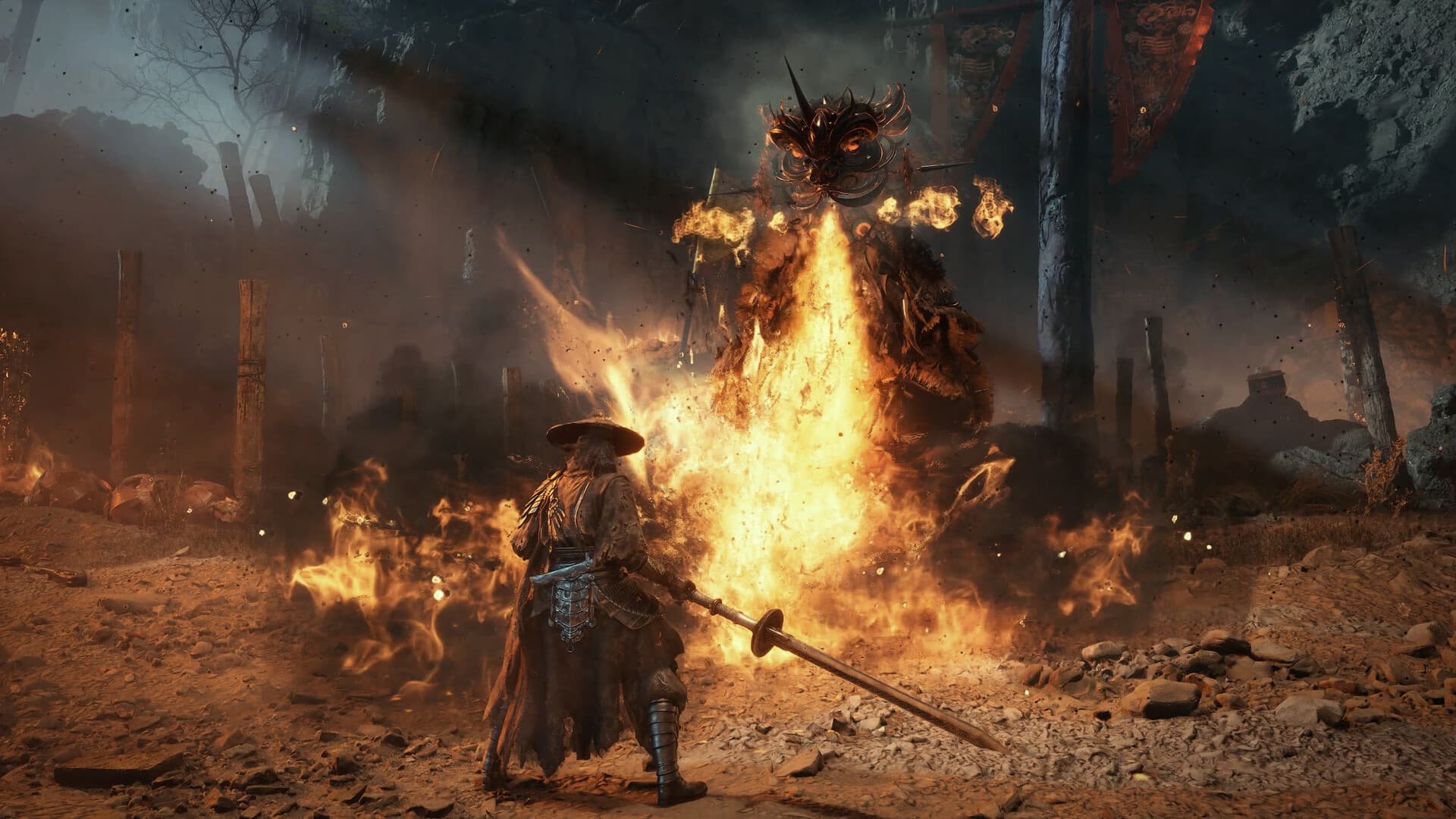
Phantom Edge guide for Flaming Mane in Phantom Blade Zero, a metal mask that spews fire and builds a Burning meter.
Boss guide for Coppermaul (Wan Jun) in Phantom Blade Zero, a giant mace-wielding warrior with a baby-like form who fights alongside the Red Wraith.
Boss guide for the Chief Disciple of the Seven Stars in Phantom Blade Zero, a corrupted puppet fighter with a two-phase battle.
Phantom Edge guide for Man-Cutter in Phantom Blade Zero, an oversized axe that charges from dodge and sprint for devastating running attacks.
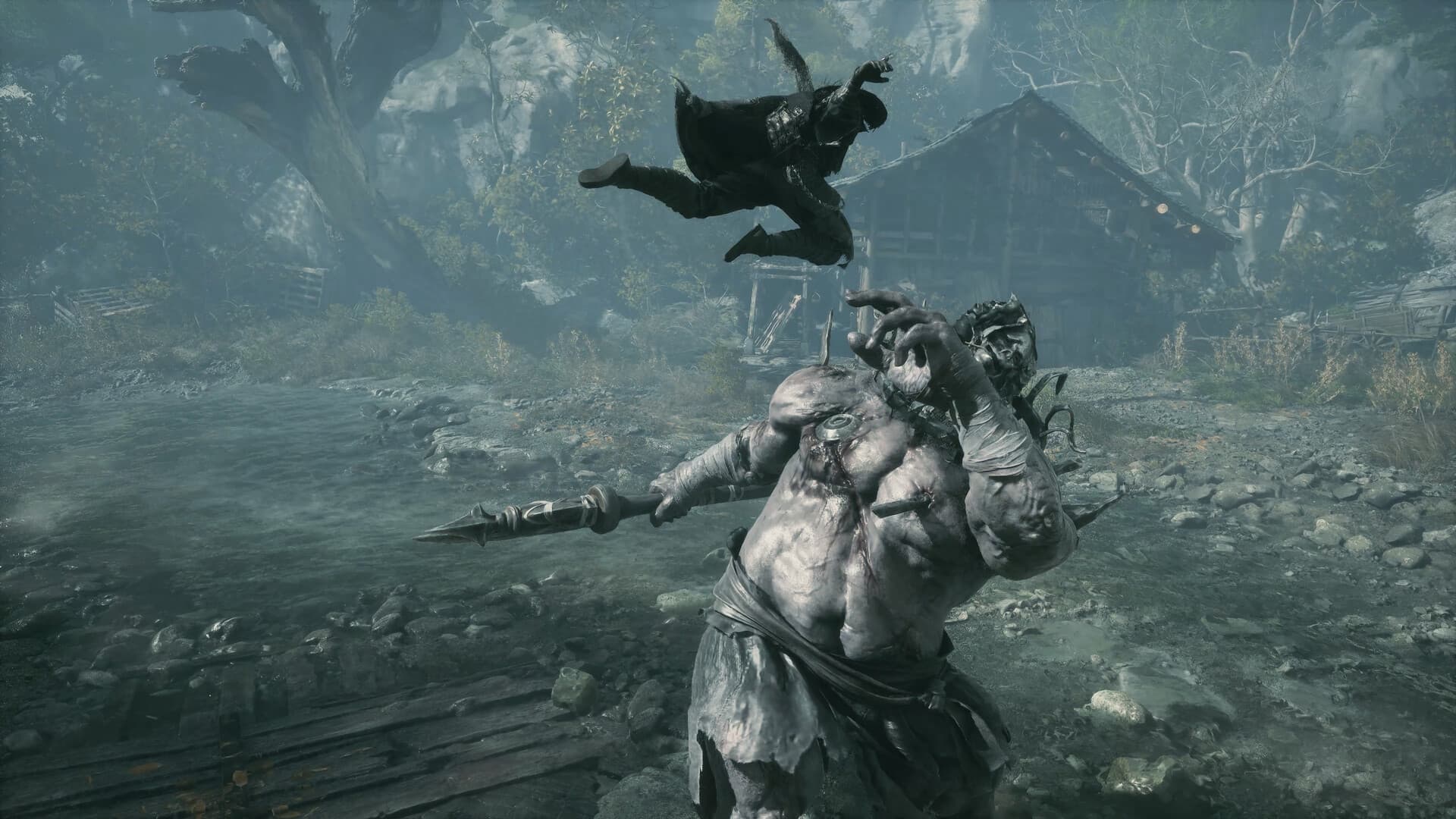
The ultimate ability system in Phantom Blade Zero each weapon has a unique Power Surge that costs one Sha-Chi Essence point and lands direct hits regardless of enemy defense.
Phantom Edge guide for Ink Cut in Phantom Blade Zero, a combo-oriented weapon designed to chain seamlessly with primary blade attacks.
Boss guide for Tie Sha the Frenzy in Phantom Blade Zero, a village area boss from the Gamescom 2024 demo.