

Combat System
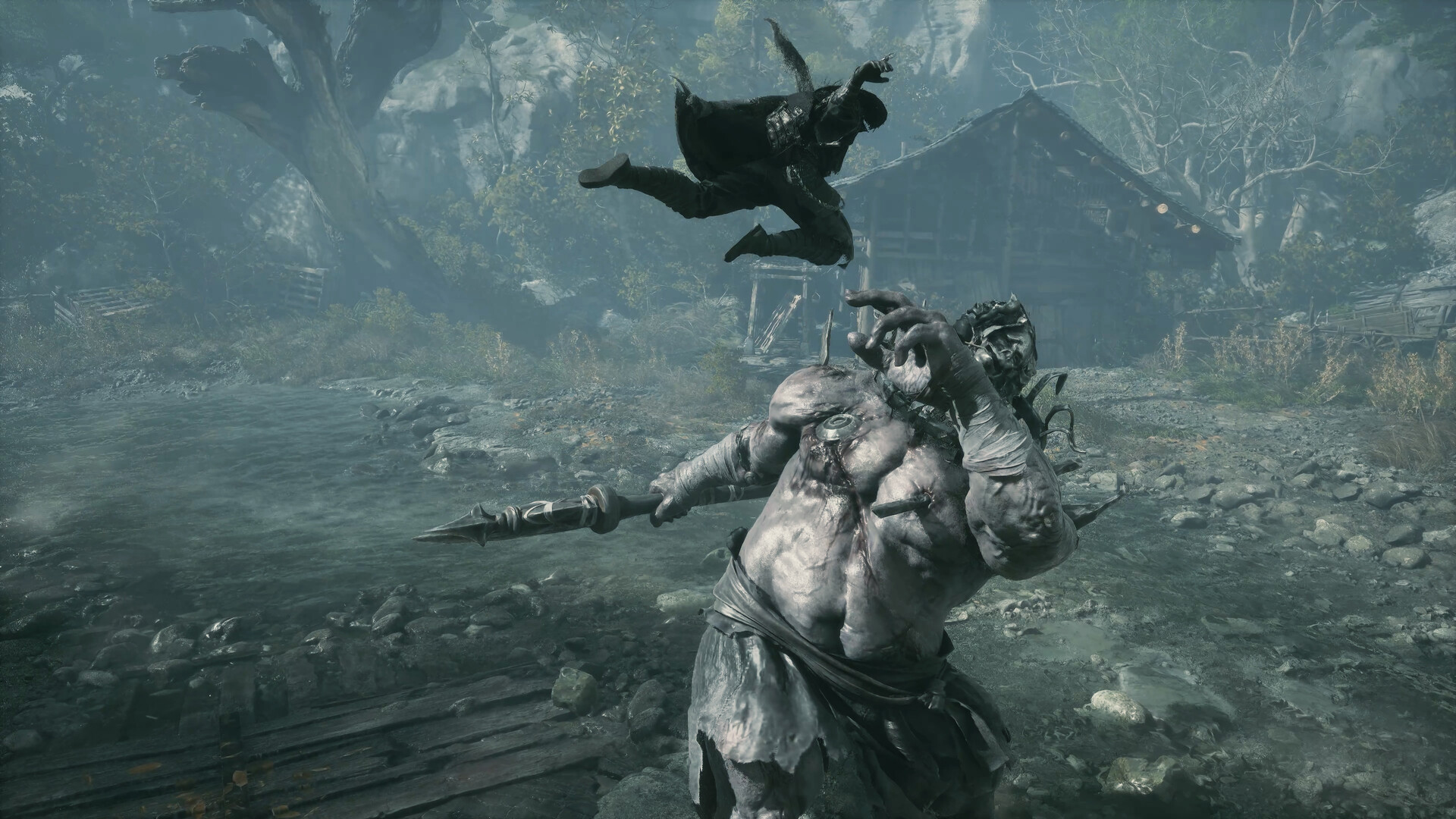
Phantom Blade Zero's combat is fast, weapon-fluent, and deliberately spectacle-oriented, designed to evoke Hong Kong martial-arts cinema rather than the slower attrition of soulslike games. Hands-on previews have repeatedly described it as a deadly dance, with comparisons closer to Devil May Cry and Ninja Gaiden than to a traditional FromSoftware loop.
Combat Philosophy
Director Soulframe Liang has explicitly rejected the soulslike label, framing the design instead as cinematic action that prefers stagecraft and rhythm over gatekeeping difficulty. The team has called the design "handcrafted" and "thoughtfully" assembled rather than systemic-grind oriented. Attacks themselves do not cost stamina; only sprinting, dodging, and parrying drain the bar, which keeps offensive pressure on the player.
The Pillars
Six interlocking systems define how a fight feels moment to moment:
Pillar | Effect |
|---|---|
Swap between primary weapons mid-combo to keep tempo and access different ranges/movesets without dropping pressure. | |
Time a deflection on incoming hits to open punish windows; high-risk inputs that drain stamina but reset the exchange. | |
Short directional dash with i-frames; sustains momentum during multi-enemy fights and repositions Soul off-axis. | |
Resource that builds with successful aggression and is spent on enhanced strikes; ties pacing to performance rather than to a fixed cooldown. | |
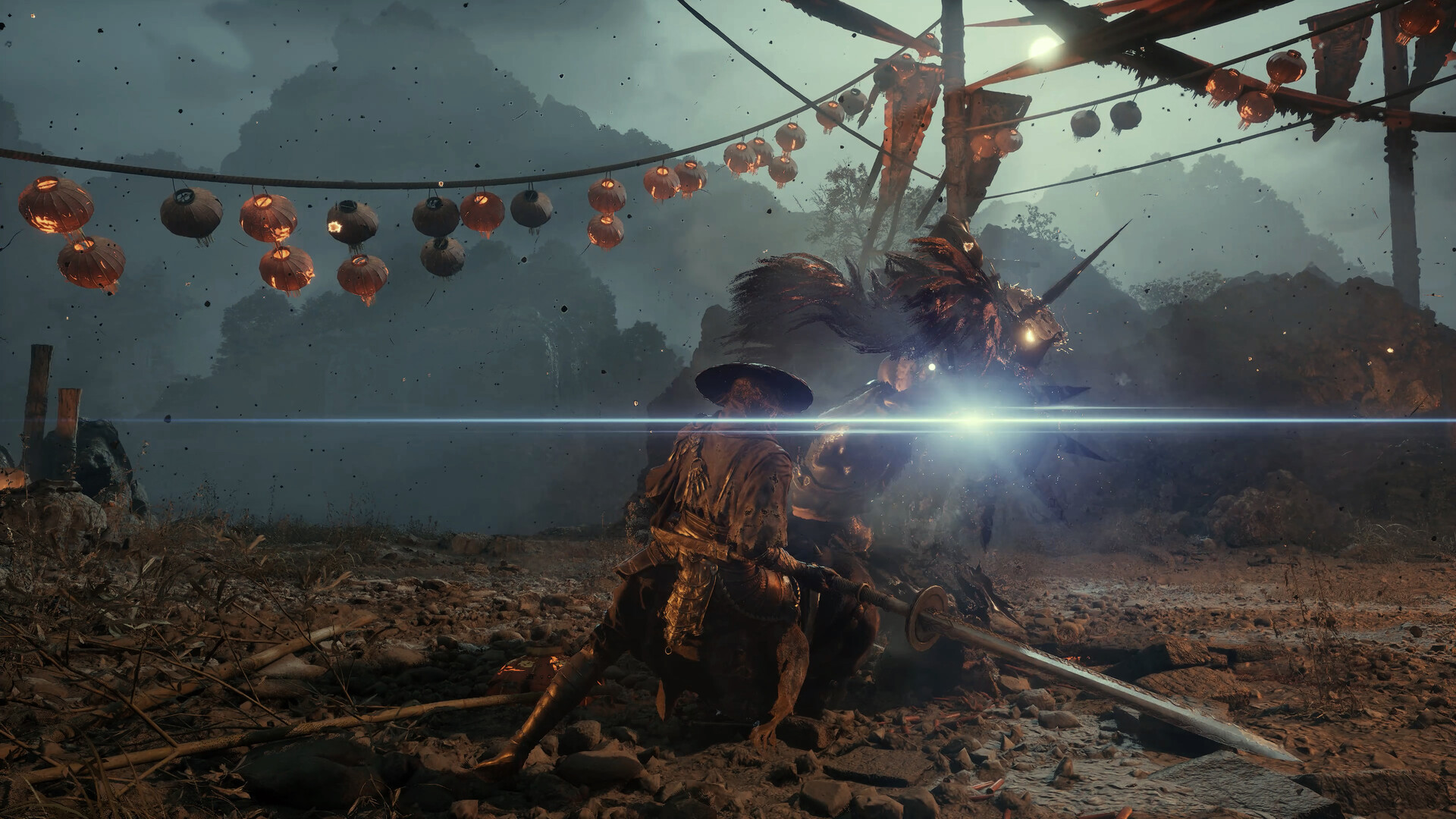
Cinematic finishers triggered against staggered foes; flagged in-game by a blue (Brutal) or red (Killer) flash. | |
Per-blade ultimate built up across an encounter; functions as the largest single damage event Soul can deliver. |
Weapons and Phantom Edges
More than 30 main weapons cover wuxia archetypes from twin sabers to spears, polearms, soft blades, and beyond. Each weapon owns its own Skills tree and a Power Surge finisher. A further 25 Phantom Edges sit as off-hand armaments and can be mixed with any main weapon, giving the player a build vocabulary that is closer to fighting-game special moves than to passive stat sticks.
Kung Fu Styles and Mocap
Many of Soul's signature movesets adapt named martial-arts styles. The Drunken Sword style, showcased in S-GAME's April 2026 behind-the-scenes video, is a clear example: real drunken-boxing footwork captured from a stunt performer and translated into Soul's sword combat. The same authenticity-first pipeline runs through Motion Capture and Choreography generally, with the studio publicly committing not to use generative AI in the final game.
Difficulty and Adaptation
Difficulty modes (Wayfarer, Pathbreaker, and Hellwalker, all selectable from the start, plus Sixty-Six Days, which unlocks after one completed playthrough; see Hellwalker Mode) change much more than damage numbers. Hellwalker gives enemies a more aggressive behaviour-tree AI that feints, pauses mid-combo and reacts to what the player does, plus new skills and combos. See Difficulty and Progression for the full progression curve.
Quality of Life and Pacing
Boss fights restart from the second phase rather than the start when Soul falls late in an encounter
Endings can shift with how many times Soul dies, adding narrative weight to repeated failure
Side quests and branching paths can permanently alter both encounter rosters and final confrontations