

Not Open World
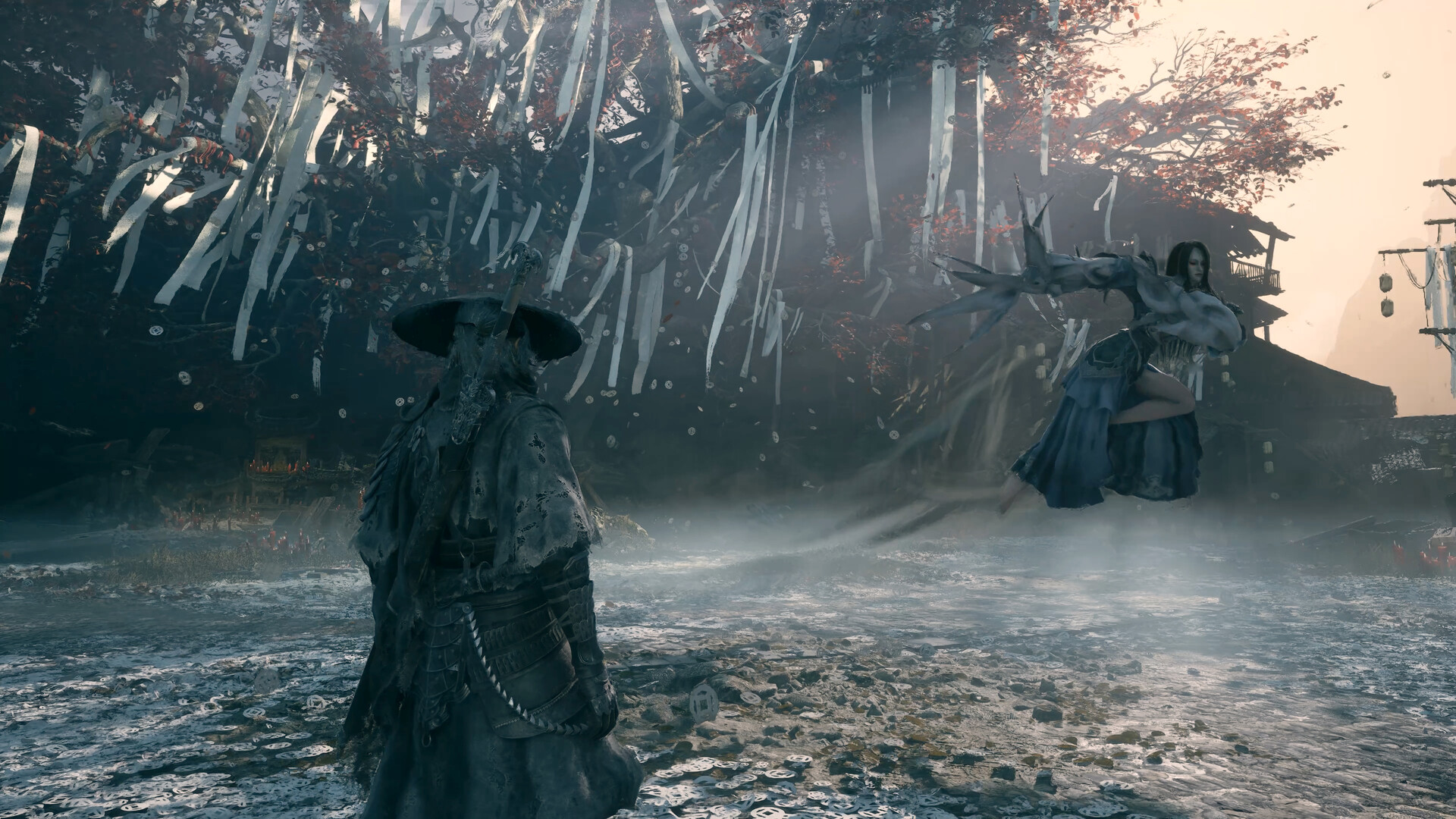
Phantom Blade Zero is not an open world game. Soulframe Liang has put it this way: "We want to call the game a 'Soulslite'... we borrow something like this 3D-layered level design, but we don't push that too far." Rather than one massive open world, the developers chose "multiple maps of reasonable size, handcrafted and populated with diverse activities." The structure sits between linear action games and fully open worlds.
Seamless Interconnected Regions
Regions connect without loading screens between them. Some areas may be inaccessible at first but can be reached through non-linear means: multiple possible paths, hidden shortcuts, and gated sections that require specific keys or quest progress. The design draws from the Souls series before Elden Ring, where interconnected spaces fold back on themselves and reward exploration with shortcuts.
The Eight Areas and Bell Fast Travel
The August 2026 gameplay showcase put a shape and a number on that structure for the first time. The world is laid out across eight areas, each introduced by its own hand-painted ink wash map, and the game describes itself as neither an open world nor a linear adventure. Pang Town sits at the centre of that layout as the hub players keep returning to between excursions.
Fast travel runs through bells placed across the connected areas. Ringing one carries Soul to another bell he has already reached, which is what keeps the backtracking loop below practical: a Phantom Edge picked up late can be taken back to a door it opens several areas earlier without a long walk to get there.
Travelling between bells does not use up a Travel Talisman. The item does exist, and an interview answer published with the October 2026 previews was read as saying that fast travel used it up, but the director clarified on October 9, 2026 that moving between bells does not consume one. What the talisman is spent on has not been explained. A red thread appears near bells as a guide; the studio describes it as both a navigation aid and a visual symbol of fate for the wider Phantom Blade property.
The first region is presented in English preview material as Weeping Creek Valley. Each region's map shows an exploration percentage, with unexplored ground covered in fog, and regions hold documents to read and devices that need a key item the player has not yet found. There are no large cities, only small places where people gather, and the director places the world somewhere between a soulslike and an open world.
Verticality
Vertical level design is a core principle. Gameplay demos showed a quarry level requiring players to ascend through interconnected cliff-face structures. Traversal mechanics include wall running, rope swinging, and platforming. An ethereal thread appears near checkpoints to provide directional hints about where the next checkpoint is, leveraging the game's emphasis on vertical navigation.
Item-Gating Progression
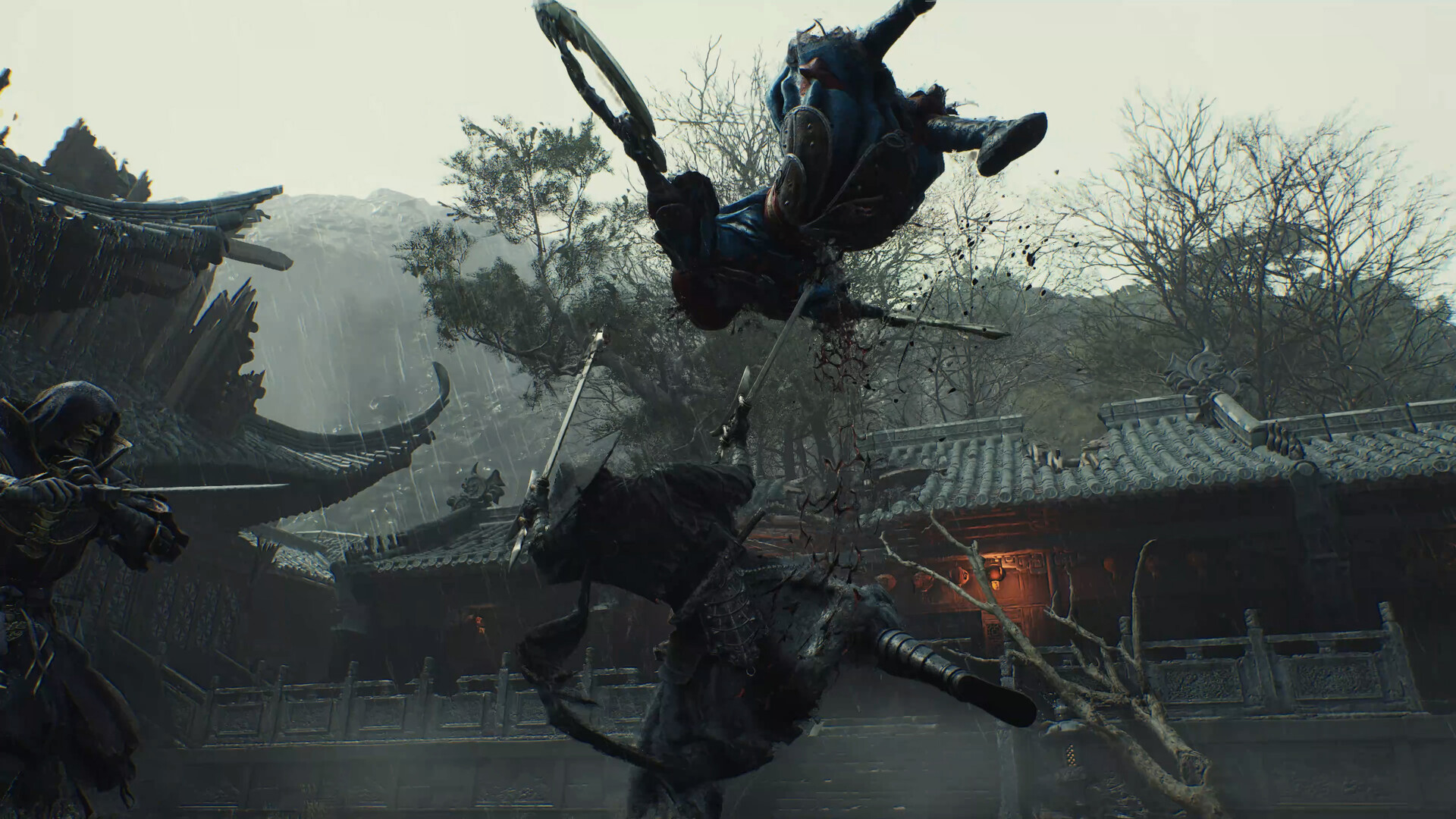
Defeated mid-bosses grant Phantom Edges (sub-weapons) that can be used outside combat to unlock optional paths and collectibles elsewhere on the map. The Bashpole sledgehammer, for example, breaks through weakened floors. This creates a Zelda-style progression loop where new tools open previously inaccessible areas. Fast travel between bells covers the return trip, so backtracking for missed items stays practical.
Replay Incentives
S-GAME has stated that an average first playthrough reveals only about 30% of the game's content. Hidden areas, optional boss encounters, and item-gated routes give players strong reasons to revisit earlier maps with newly acquired Phantom Edges. For full playtime estimates, see Release Date and Platforms.
Enemies do not respawn. Resting at a bell does not repopulate the map, so the resources in a region are finite on any one playthrough. The director has said the main path alone yields roughly 50 to 60 percent of all resources, enough to fully upgrade a main weapon loadout, and that exploration is what pays for experimenting with other combinations.
Progression System
The game does not use traditional leveling. Instead, it uses a fragment-based system similar to God of War or Darksiders, where collected items permanently boost health and stamina stats. Soulframe Liang explained: "We are not going to do a leveling system... we wanted each step of progression to have meaning. We empower the player by giving them a new experience rather than just a basic power-up." Each upgrade is tied to an item or discovery rather than an experience point threshold.
The director's October 2026 interviews do refer to a character level, though, with level 10 as the threshold at which refunding upgrade materials starts to cost a Reforging Talisman; see Difficulty and Progression.
Stealth
Stealth is optional but rewarded. Breaking enemy stances through parries or stealth attacks can trigger sequences allowing chained takedowns. The level design supports stealth approaches with multiple entry points, elevated positions, and patrol routes that can be observed and exploited.